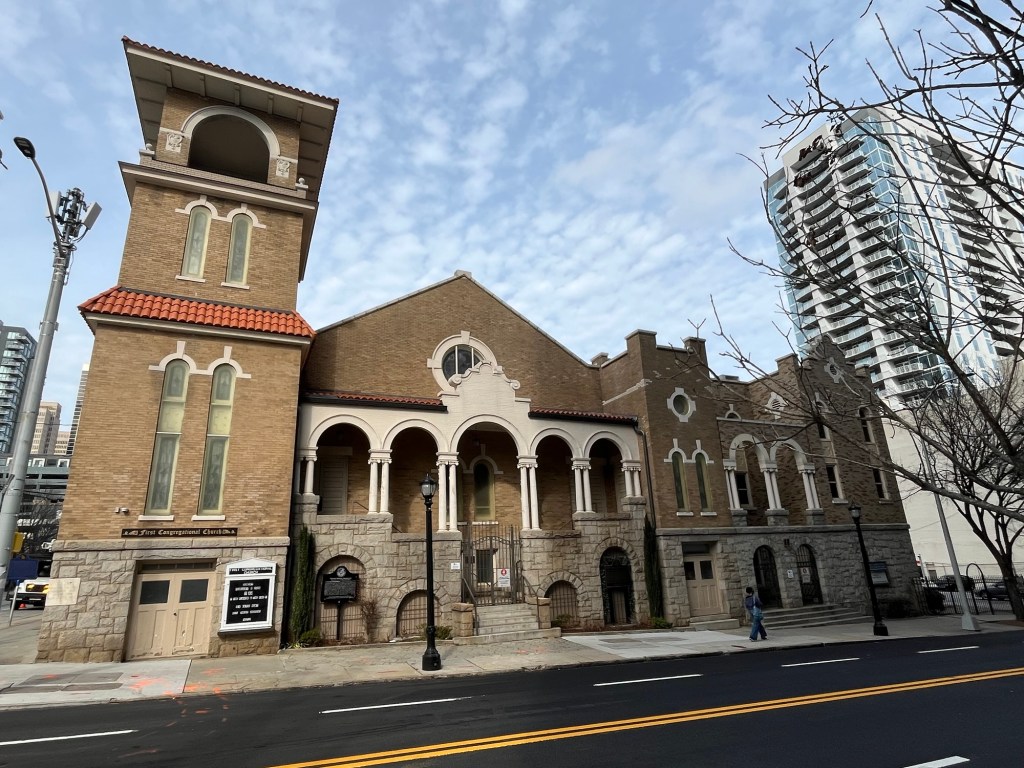
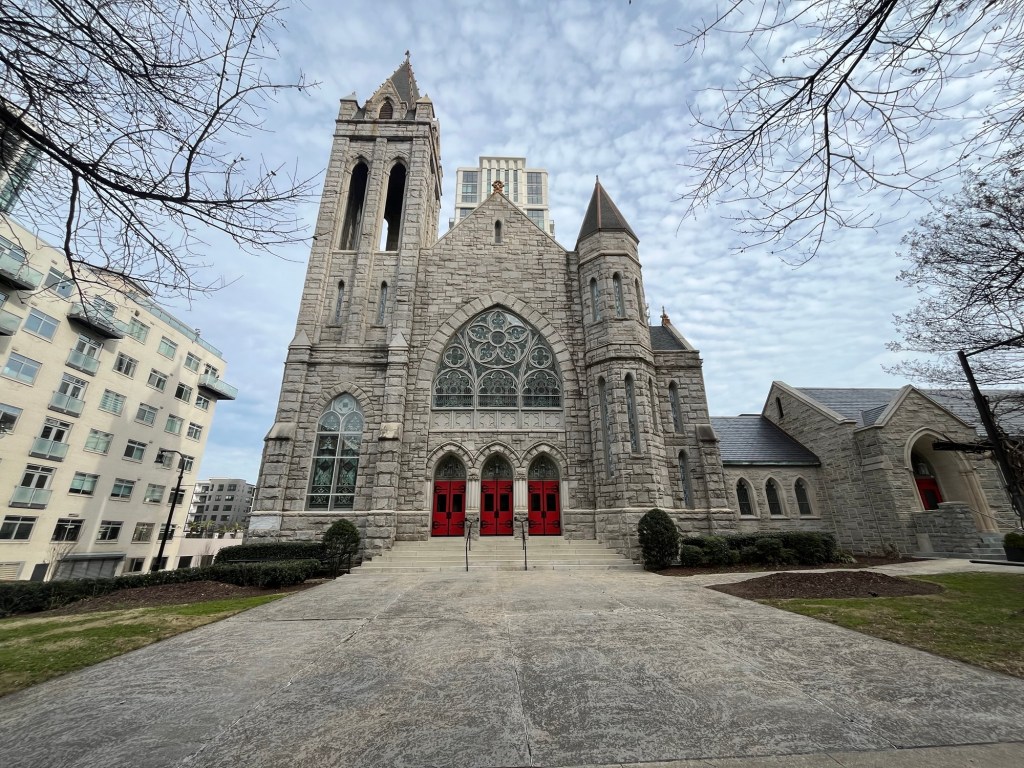
DAILY PHOTO: First Congregational Church, Atlanta
Reply
 Collected Sonnets by Edna St. Vincent Millay
If such a situation were to avail itself, I would make a law so that no one person — even a high elected official — could change the law unilaterally. (Administrative policies for the bureaucracy not being laws, said high elected official could go to town on them.) Why? Because one person being able to change law is an affront to democracy and to the very concept of rule of law, and if we make it the object of fantasy to be able to do so we are cooked.
We had such a law in the US. It was called the Constitution, and it was glorious. It said that only the legislature (a body consisting of many representatives) could make law, and only the judiciary could interpret and evaluate the legality of a law. And it was okay that the executive was the least democratic of branches because it was to stay in the lane of enforcing the laws as they were written (and shaped by judicial interpretation,) and if the executive started getting too big for his britches, the legislature would turn off the flow of money.
So, my great fantasy is not to be able to unilaterally change law, but to have three functioning branches of government who stay in their own lanes, applying checks as (and only as) described in the Constitution.
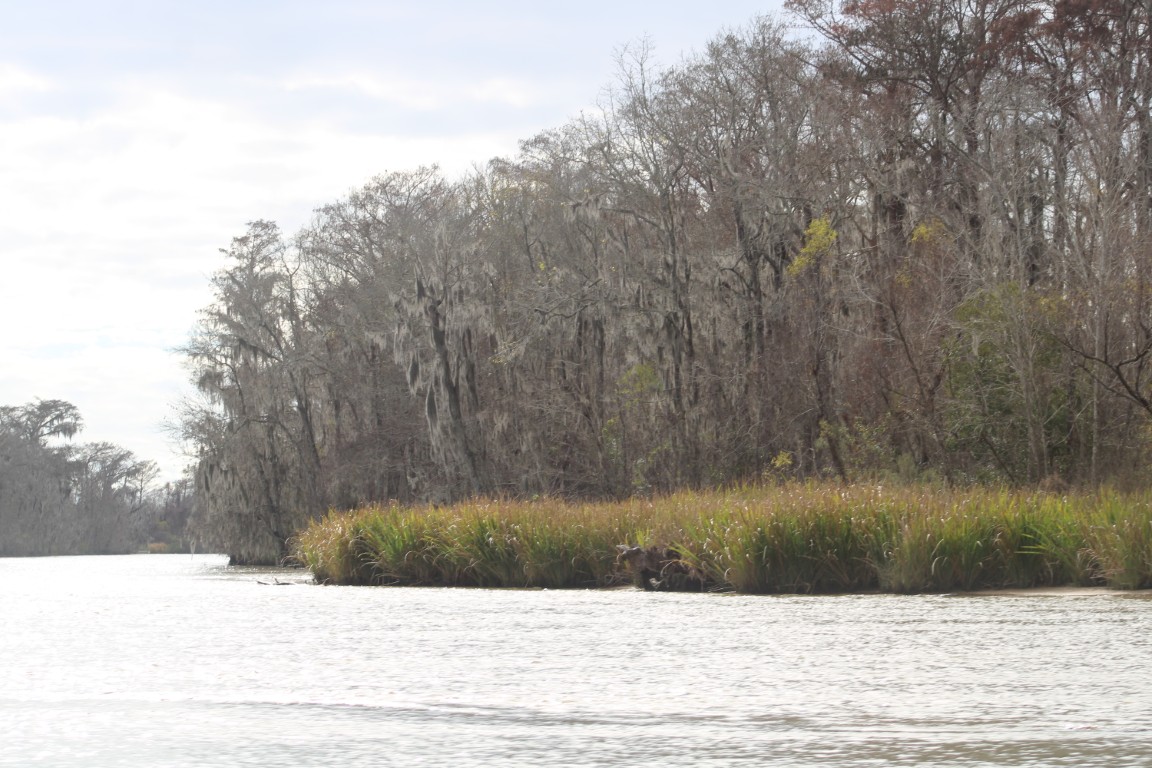
Spanish Moss drapes
 over Winter's bare branches
  like a gray beard.

Gator rests on stump.
 but my mind cannot rest.
  it's not "gator"
 and "stump" in the same place,
 but in the same sentence.
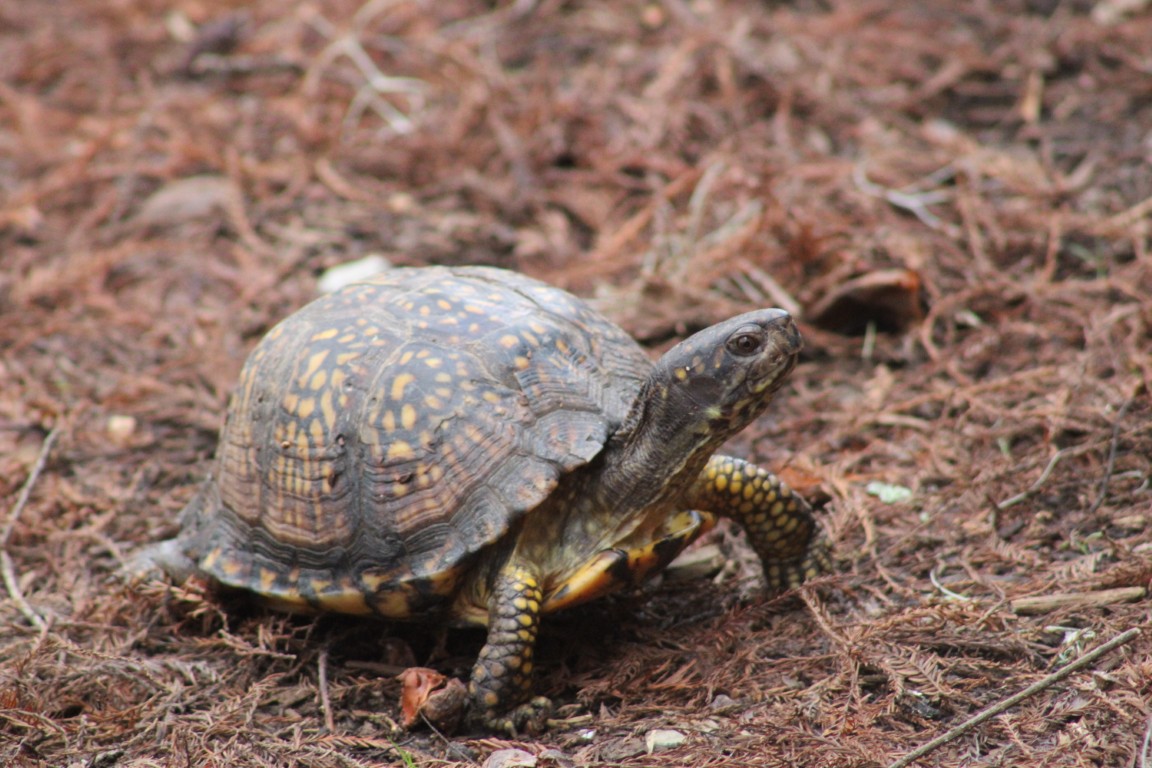
"The race is to steady turtles!" --
   Even if the race has hurdles?
 Even with its great longevity
   it'll never have lift or levity
   to finish before life runs out.

Hold off with race applications.
   Is racer your ideal vocation?
 I don't mean to be Sower of doubt,
   but think speed isn't what you're about,
   and that you'd make a fine doorstop.
Regularly teleports to new and interesting places. Ideally, compact from the outside but comfortable inside. So, I guess a TARDIS would be my dream home.
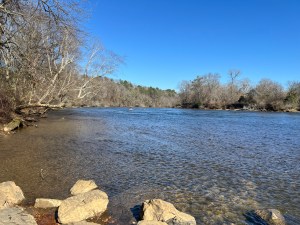
the river widens,
 slows / stopping, in places;
  so goes my mind.
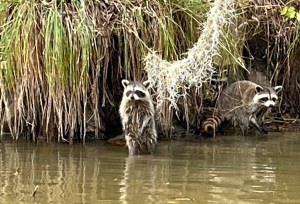
Looking like a masked bandito,
   Raccoon dunks expired burrito.
 It dips it not to get it clean
   but to flavor it: Swamp Latrine.


