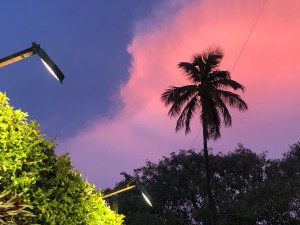
light makes greens greener,
 and clouds glow brightly; its lack
  makes the blues bluer

light makes greens greener,
and clouds glow brightly; its lack
makes the blues bluer
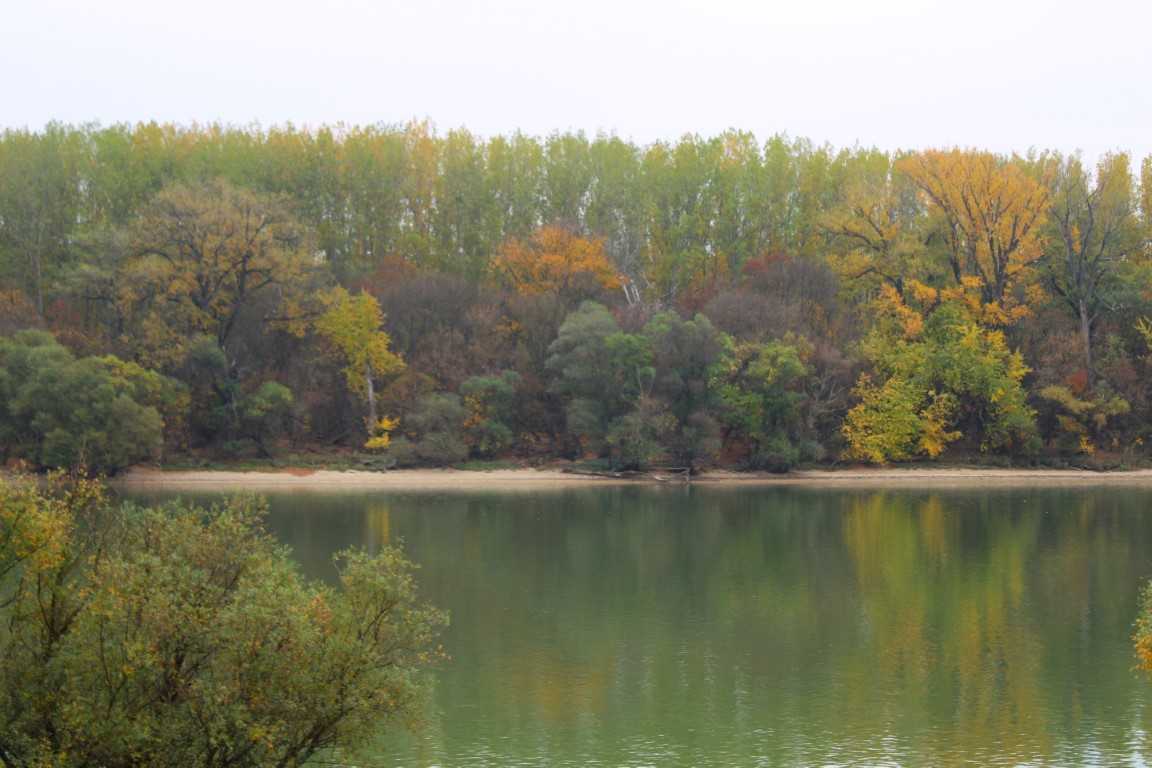
"the fish's world
 is always in drift,"
  thinks I, from the bank.
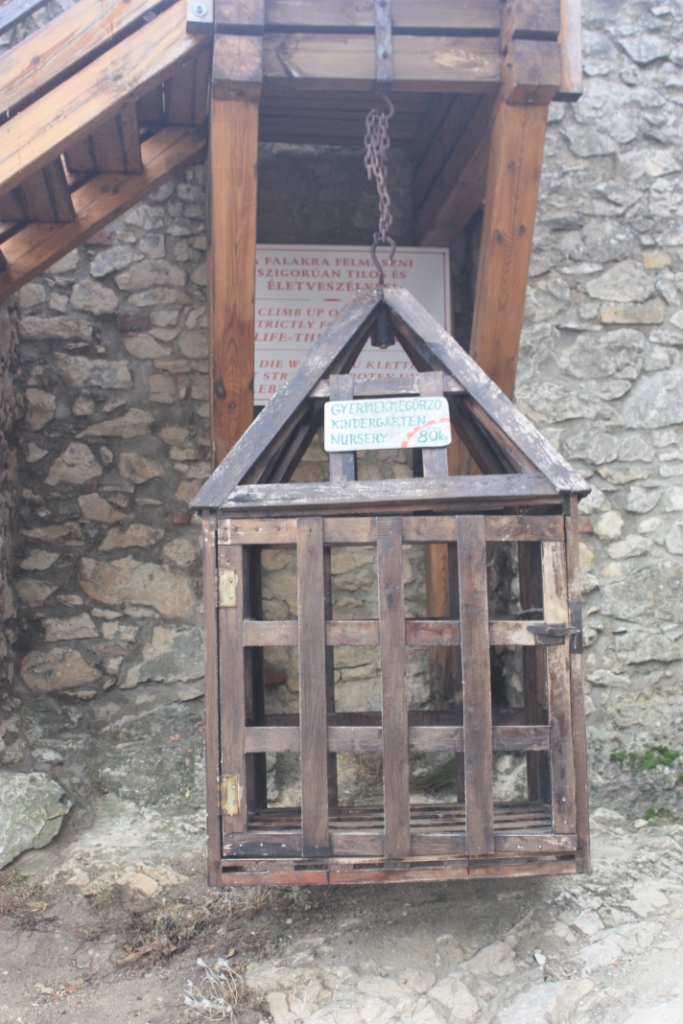
bars at your back,

and their stripes
 permanently etched
  into one's field of vision.

so much so,
 that you feel they're
  a ubiquitous feature
   of the world beyond.

the cage should be a hated place,
 but one can grow to love the cage.

the cage is shelter.

the cage is delivery address
 for food & water disbursements.

the cage forms rollbars --
  like on a dune buggy --
   protection in the event
    of a sudden & unexpected crash.

the cage offers one a range --
 narrow as it might be --
  of distances at which one's captor
   may be kept,

and, as long as the cage is shut,
 that gives one a delightful
  illusion of control.

what a hated place a cage should be,
 and yet how conflicted are the captives?
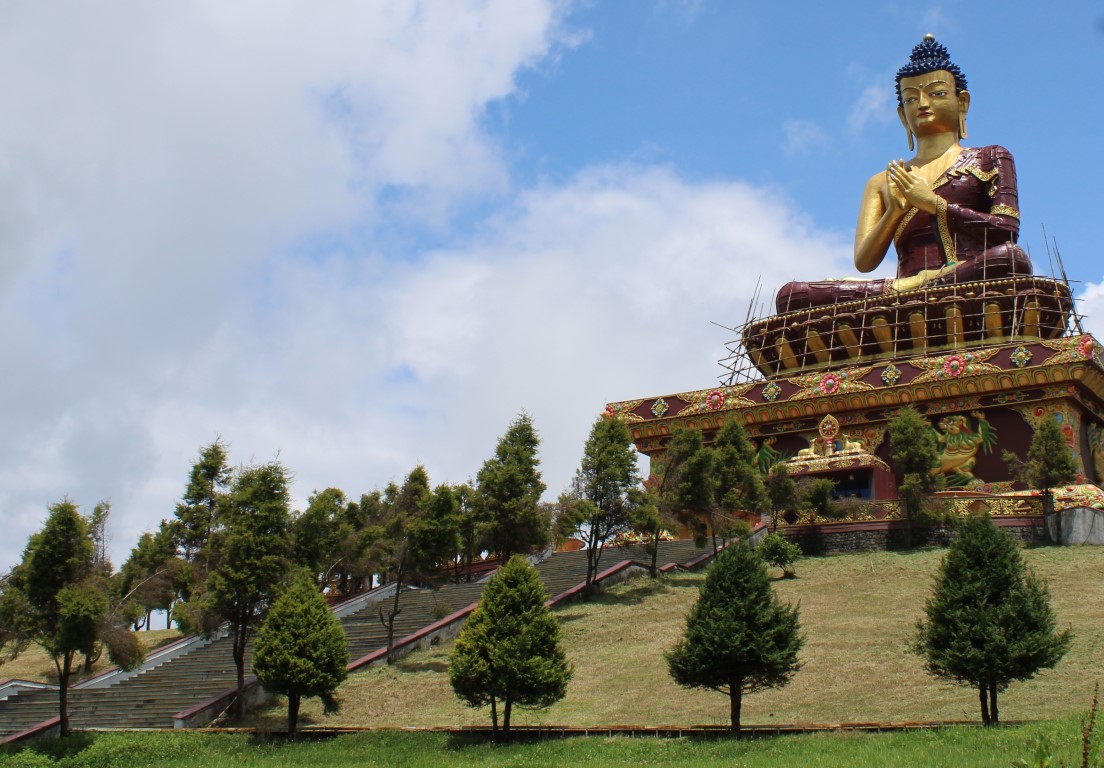
the Buddha's head
 is in blue sky - ringed by clouds,
  or so it seems.

What does “having it all” mean to you? Is it attainable?
Being healthy of mind, body, and in one’s closest interpersonal relationship(s.)
Yes. It’s absolutely attainable.
I subscribe to the thinking of Epicurus — i.e. “Nothing is enough for the man to whom enough is too little.” And Socrates — i.e. “The secret of happiness, you see, is not found in seeking more, but in developing the capacity to enjoy less.”
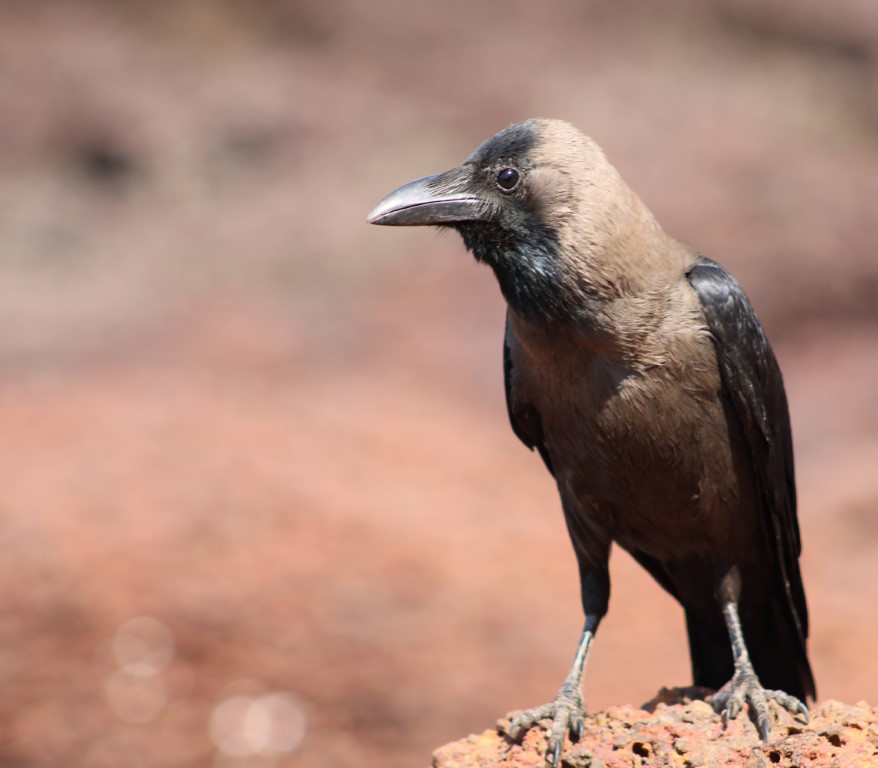
along the seashore,
 everything is in motion,
  but the crow's eye.
full moon
 over Fishtail Mountain-
  breath swirls in cold air.


 Tiger Riding for Beginners