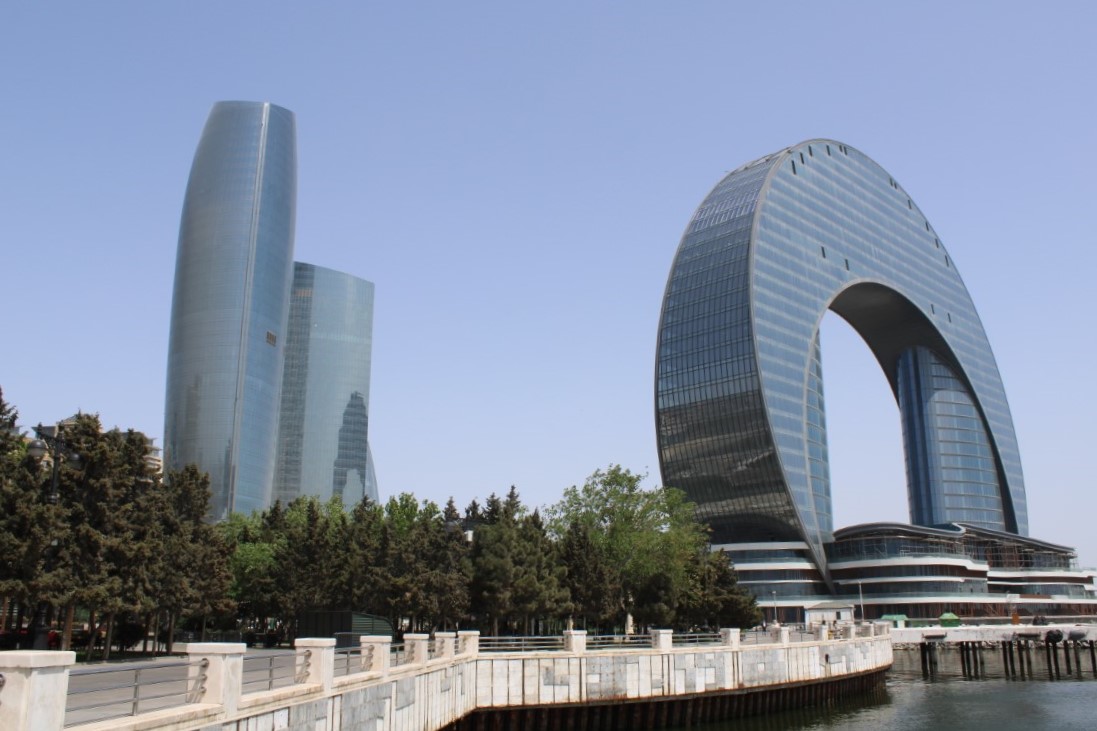
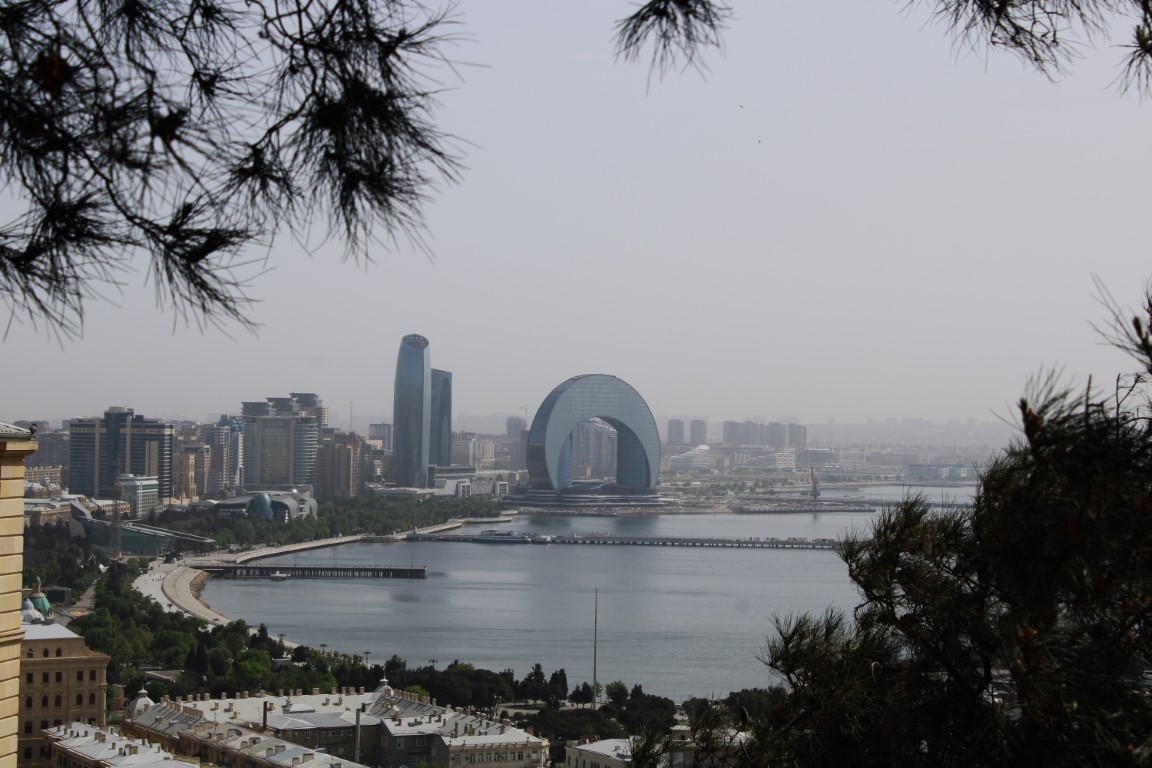
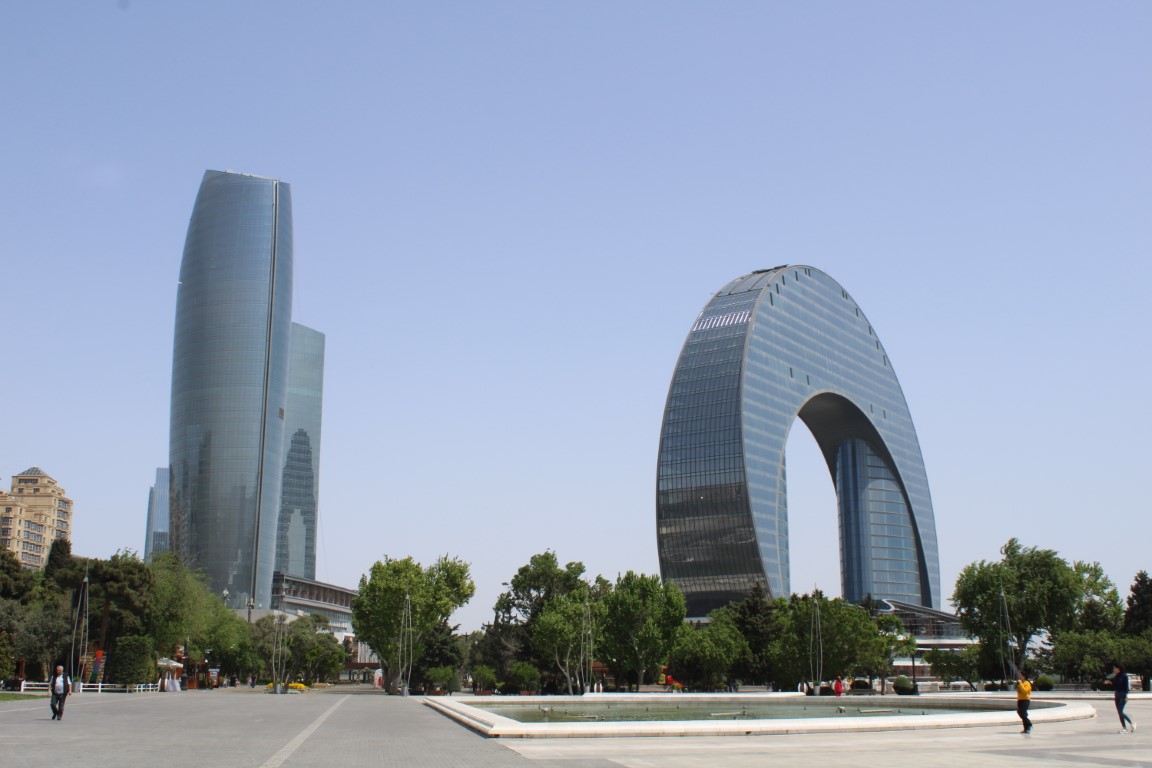
NOTE: Supposedly, the crescent-shaped building is not occupied. The initial build was apparently structurally unsound, and they have been working to retrofit a solution.

NOTE: Supposedly, the crescent-shaped building is not occupied. The initial build was apparently structurally unsound, and they have been working to retrofit a solution.
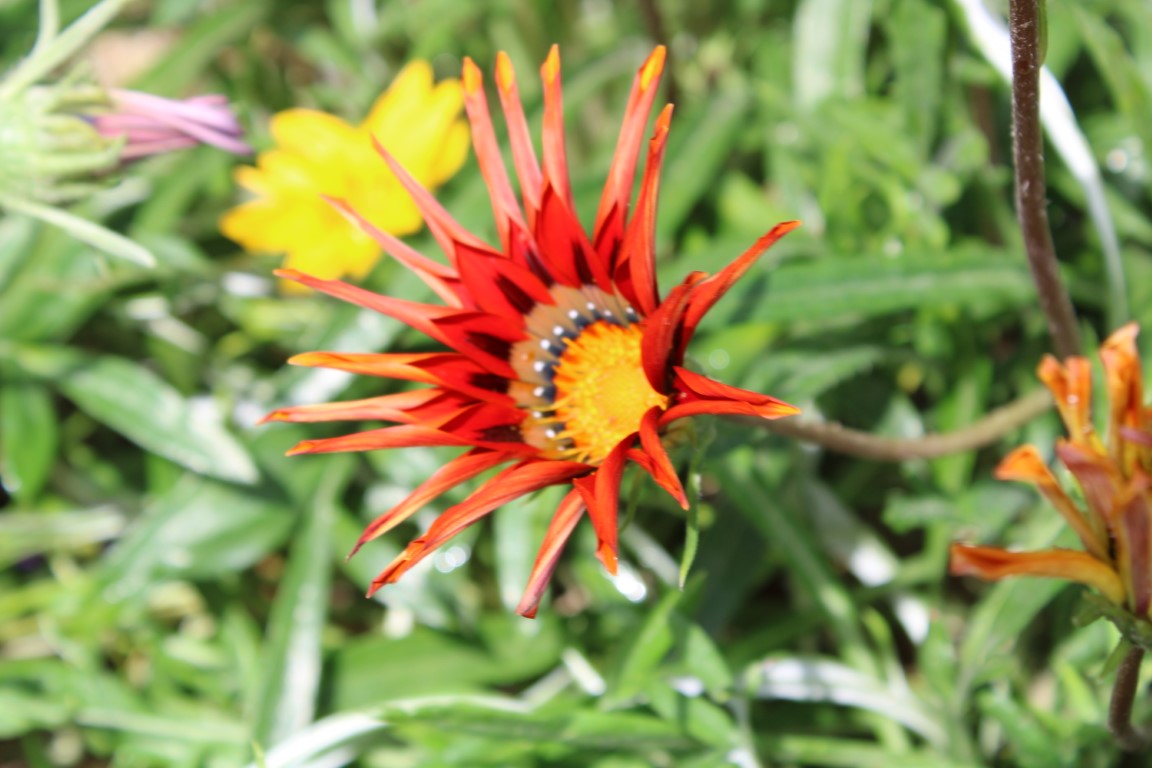
petals curling,
 the flower will not yield
  beauty at the core.
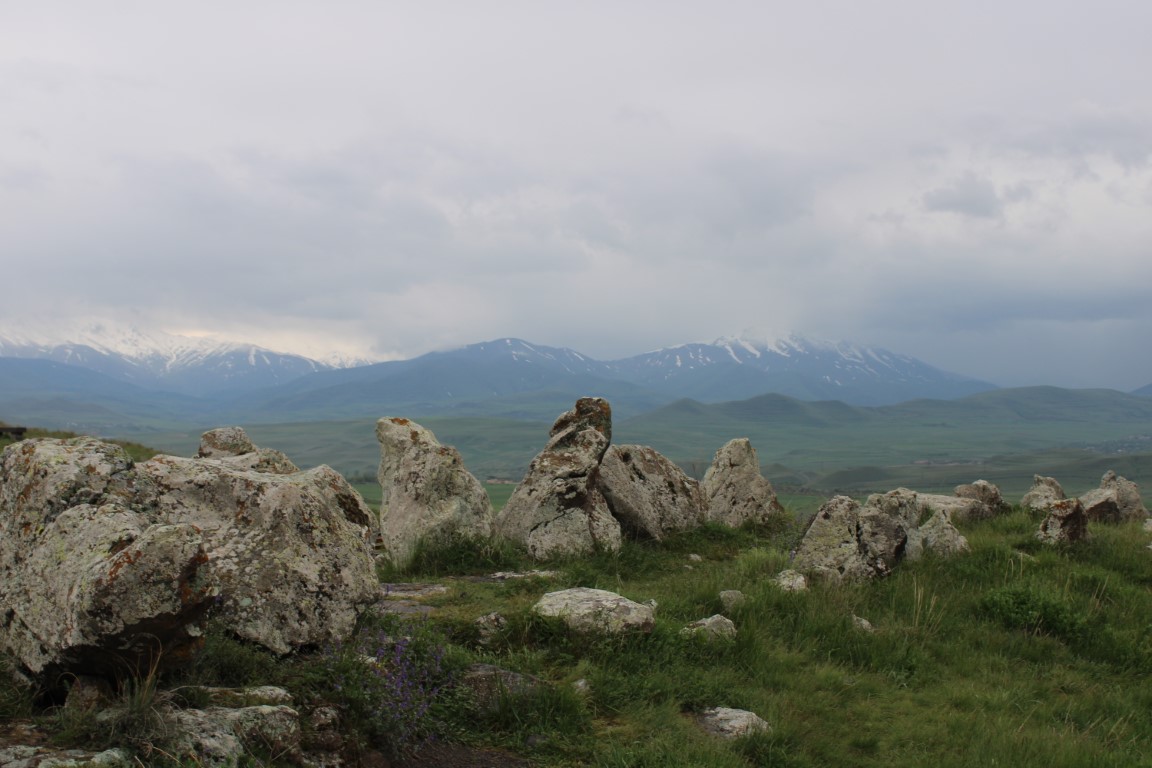
The day is cold, and dark, and dreary;
 It rains, and the wind is never weary;
 The vine still clings to the mouldering wall,
 But at every gust the dead leaves fall,
   And the day is dark and dreary.

My life is cold, and dark, and dreary;
 It rains, and the wind is never weary;
 My thoughts still cling to the mouldering past,
 But the hopes of youth fall thick in the blast,
   And the days are dark and dreary.

Be still, sad heart, and cease repining;
 Behind the clouds is the sun still shining;
 Thy fate is the common fate of all,
 Into each life some rain must fall,
   Some days must be dark and dreary.
a perched heron
 watches ripples of its
  last attempt fade.
Whenever I want. Now that I’m all grow’d up.
But I do tend toward the lark end of the lark – owl continuum.

I see this lion, swords in teeth,
 And find myself in disbelief,
 Am I to believe this wild cat
 Swallowed two men, coats, belts, and hats,
   But the swords got stuck?
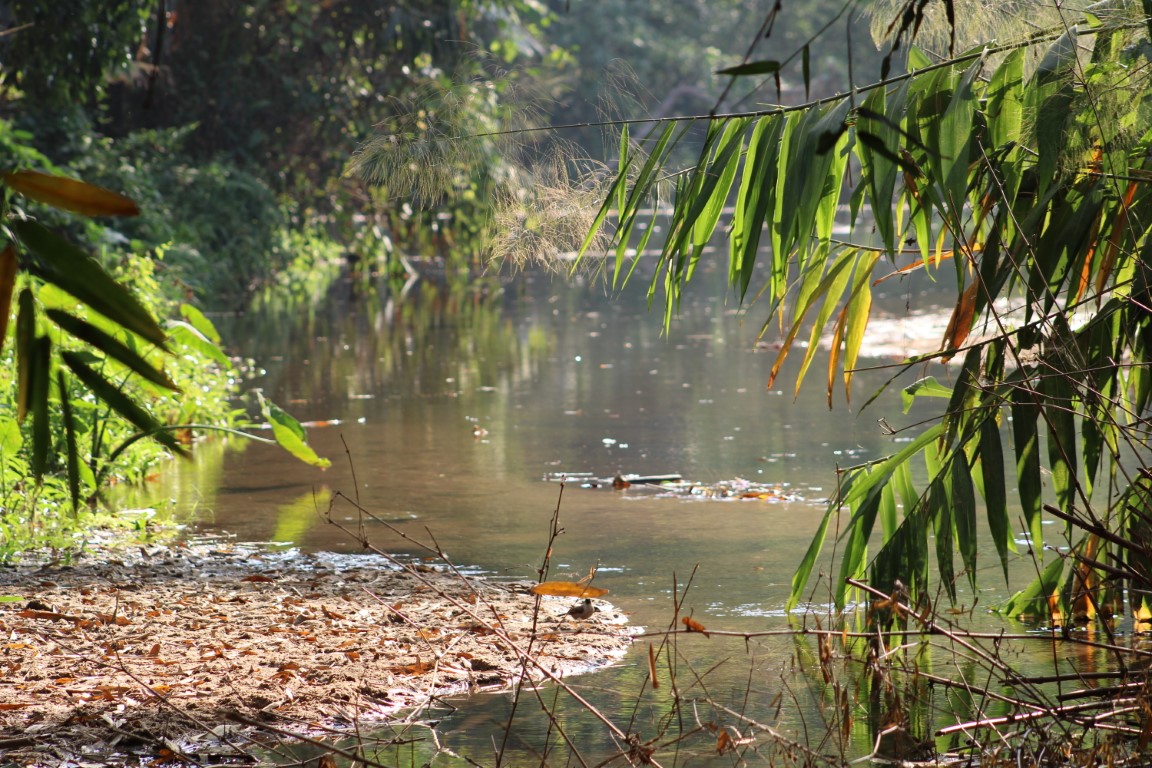
Picking, picking where water flows
 From a distant fountainhead.
 Moving up the narrow valley,
 One may see a stunning beaut.
Peachtrees laden with ripe fruit
 As breezes blow by the water
 And willows wind along the stream,
 While warblers consult with branch-mates.
The more one walks, the more Truth joins,
 And more Truth may reveal the Way.
  If this world is without end,
  The old must be made new again.
NOTE: The late Tang Dynasty poet, Sikong Tu (a.k.a. Ssŭ-k‘ung T‘u,) wrote an ars poetica entitled Twenty-Four Styles of Poetry. It presents twenty-four poems that are each in a different tone, reflecting varied concepts from Taoist philosophy and aesthetics. Above is a crude translation of the third of the twenty-four poems. This poem’s Chinese title is 纤秾. Giles translated the title as “Slim — Stout” and it’s also been translated as “Delicate – Rich.”
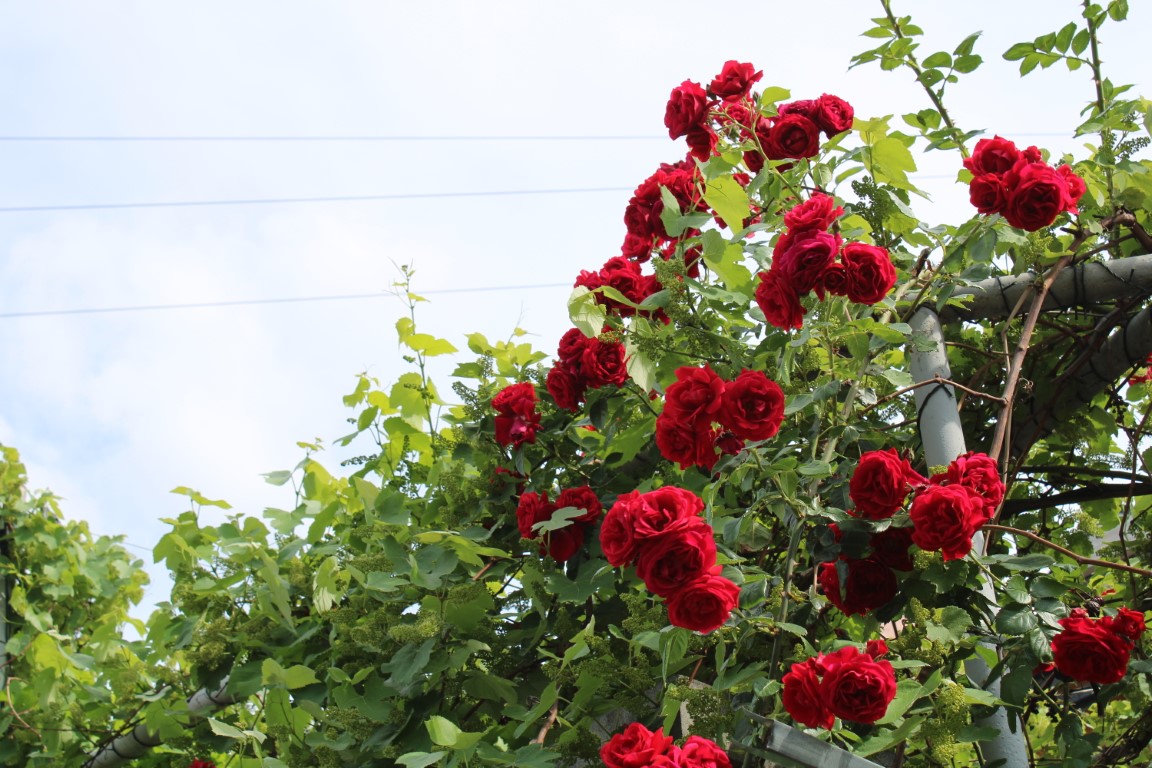
roses in peak bloom,
 but butterflies prefer
  the weeds below.
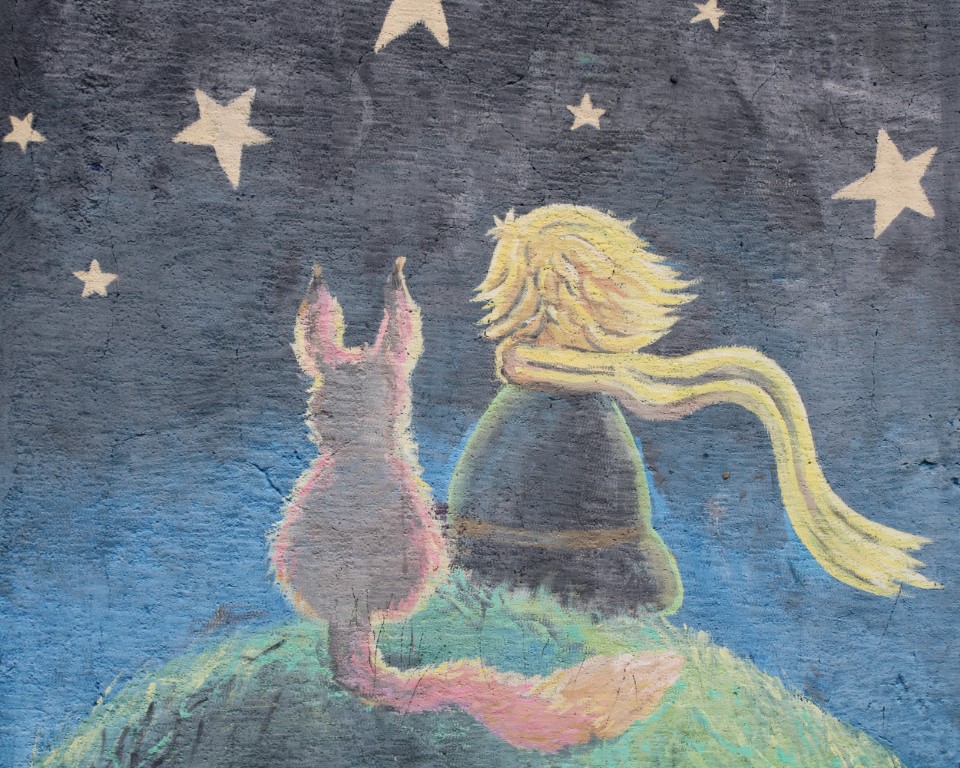
Ah, so nice to be Tamed --
   Never again the same.
   What style of Wild do you
   Think one could retain?

Being tamed would just be aces,
 If one could keep some Wild, in traces.




 Tiger Riding for Beginners