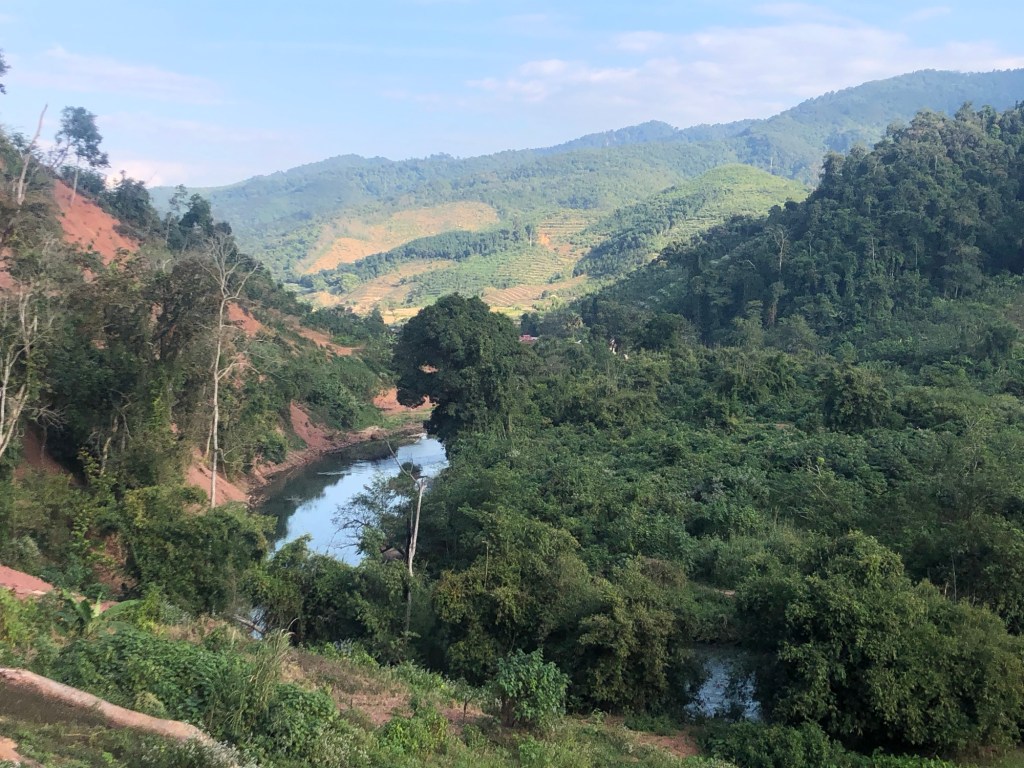
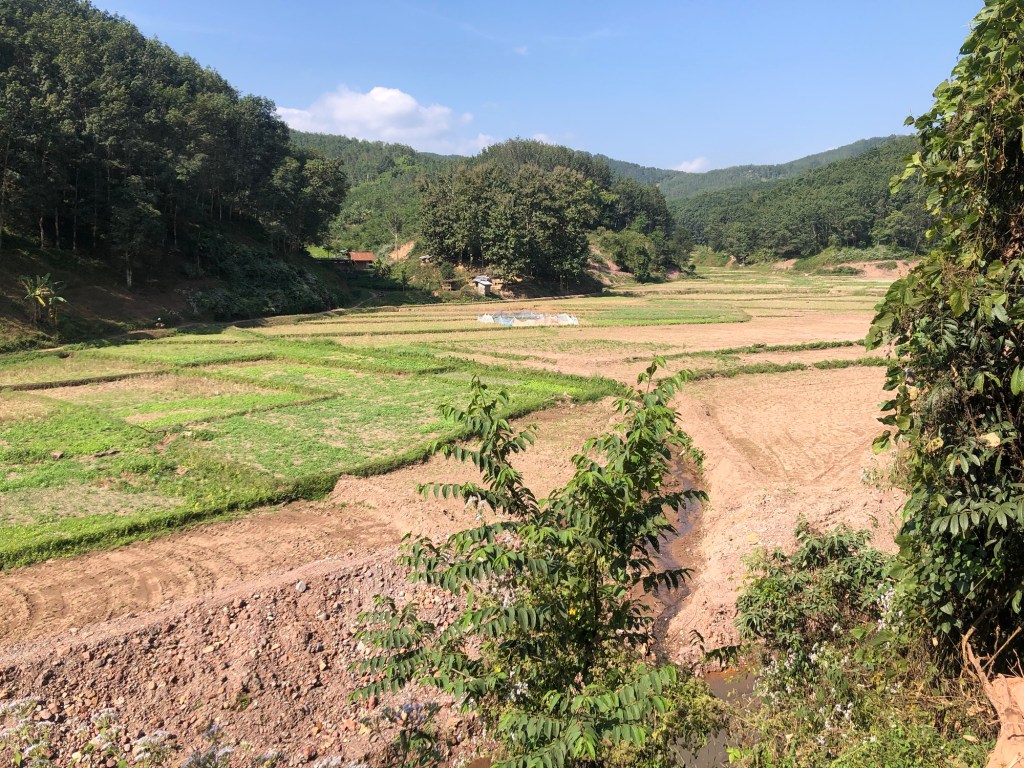
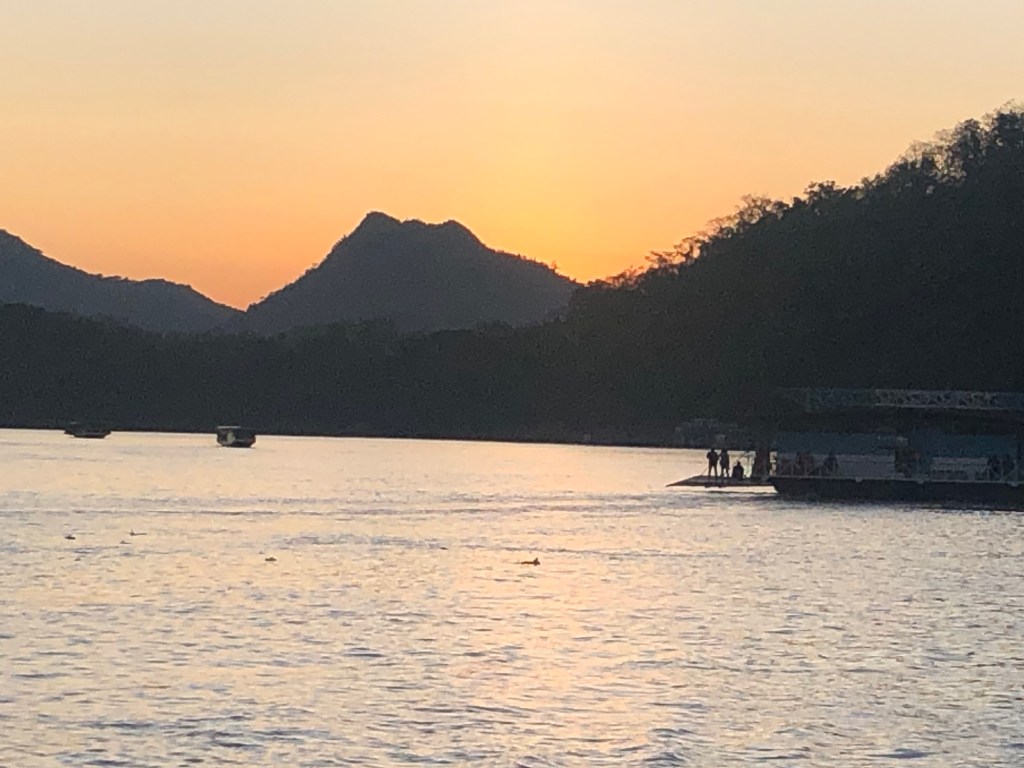
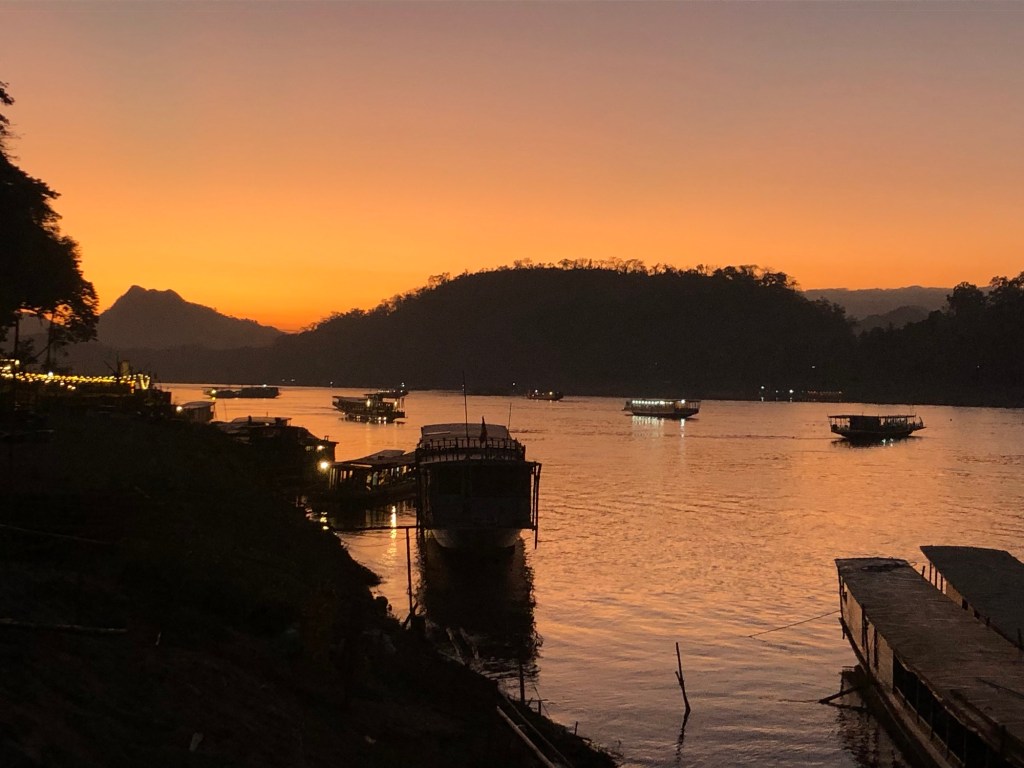
DAILY PHOTO: Hills in Northern Laos Posted on December 23, 2024 by B Gourley Reply Share on Facebook, Twitter, Email, etc. Print (Opens in new window) Print Share on WhatsApp (Opens in new window) WhatsApp MoreShare on TumblrTweet Share on Reddit (Opens in new window) Reddit Email a link to a friend (Opens in new window) Email Like Loading...
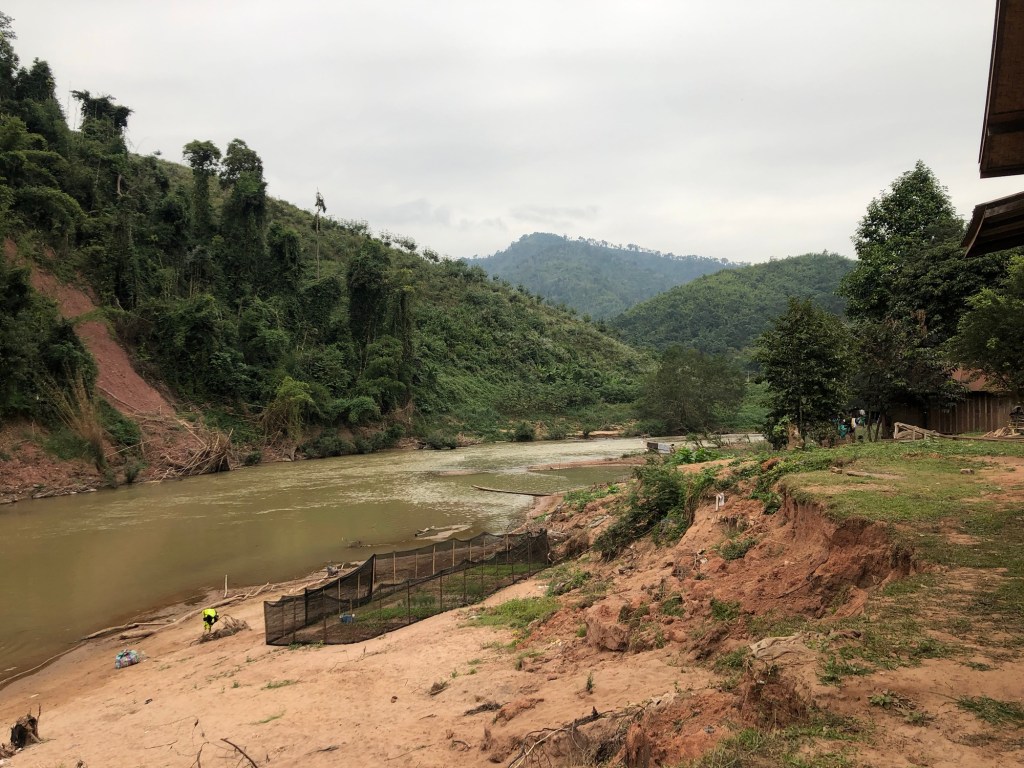
DAILY PHOTO: Nam Ha River Posted on December 22, 2024 by B Gourley Reply Share on Facebook, Twitter, Email, etc. Print (Opens in new window) Print Share on WhatsApp (Opens in new window) WhatsApp MoreShare on TumblrTweet Share on Reddit (Opens in new window) Reddit Email a link to a friend (Opens in new window) Email Like Loading...
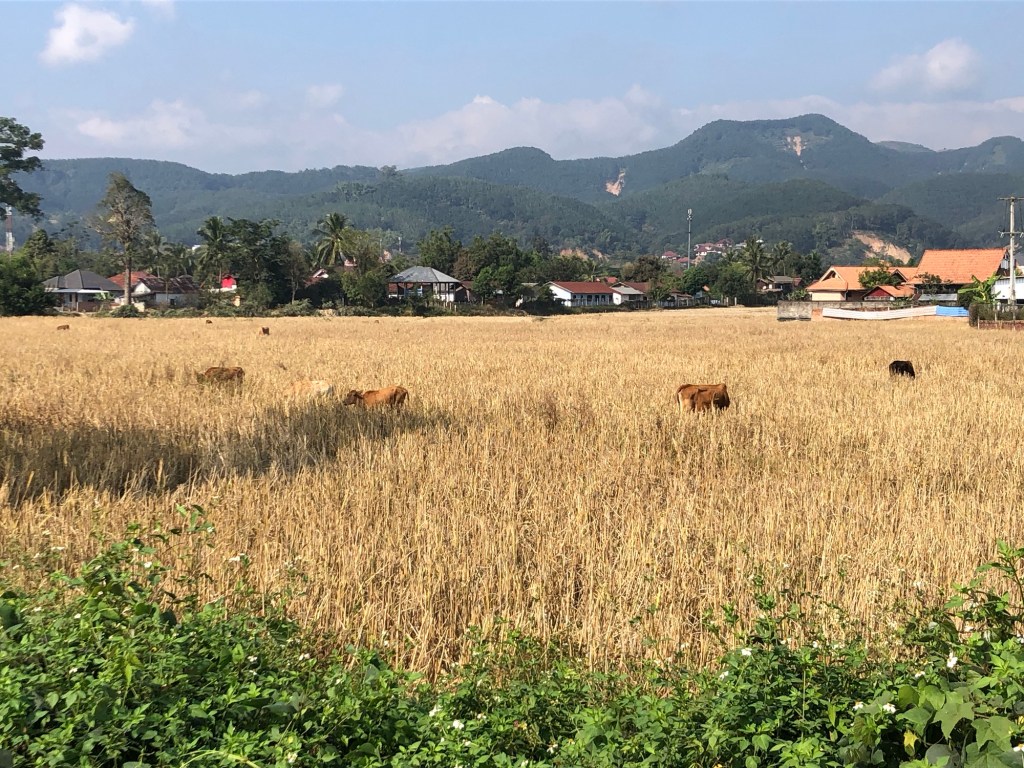
DAILY PHOTO: Northern Laos Farmland Posted on December 21, 2024 by B Gourley Reply Share on Facebook, Twitter, Email, etc. Print (Opens in new window) Print Share on WhatsApp (Opens in new window) WhatsApp MoreShare on TumblrTweet Share on Reddit (Opens in new window) Reddit Email a link to a friend (Opens in new window) Email Like Loading...
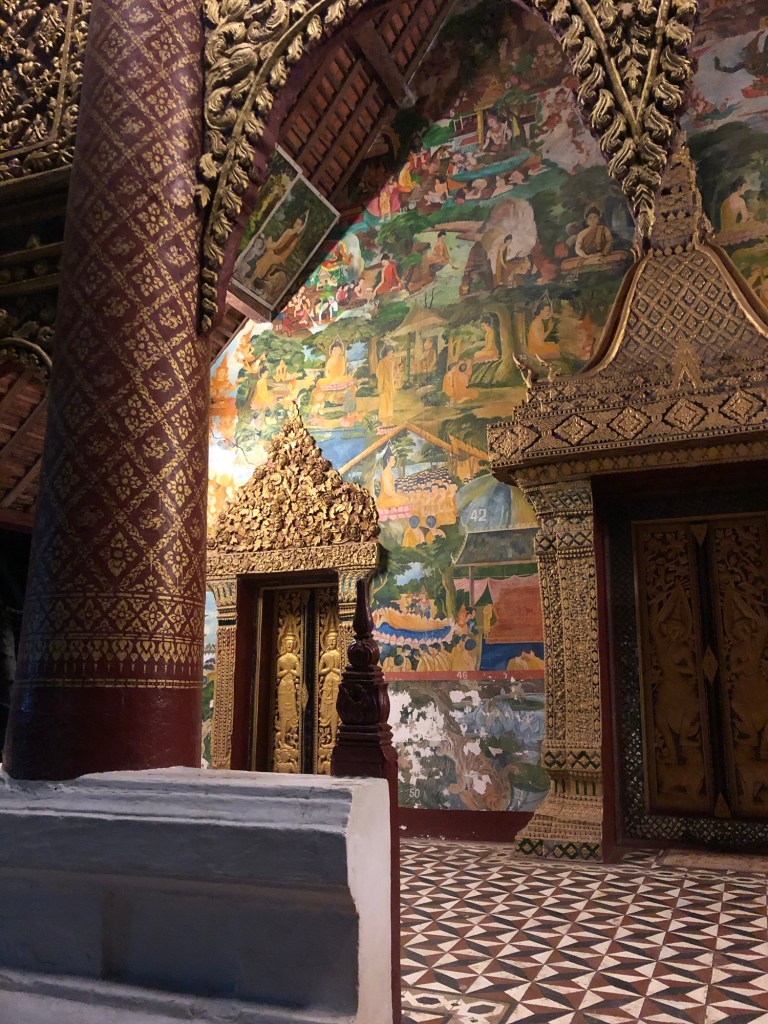
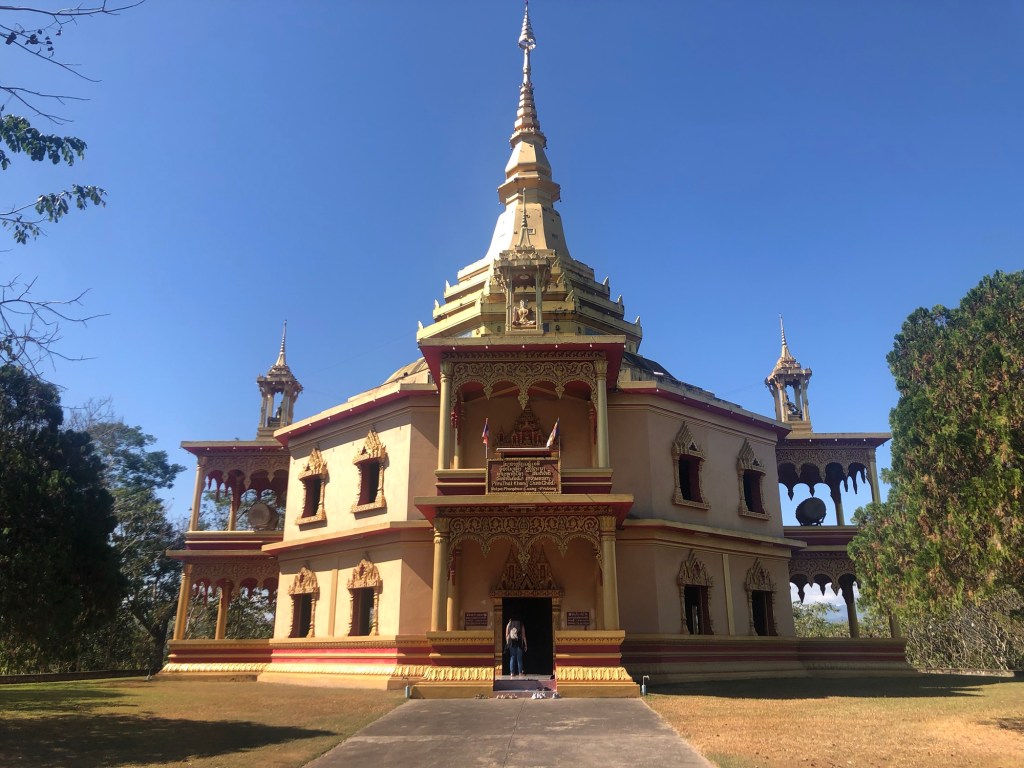
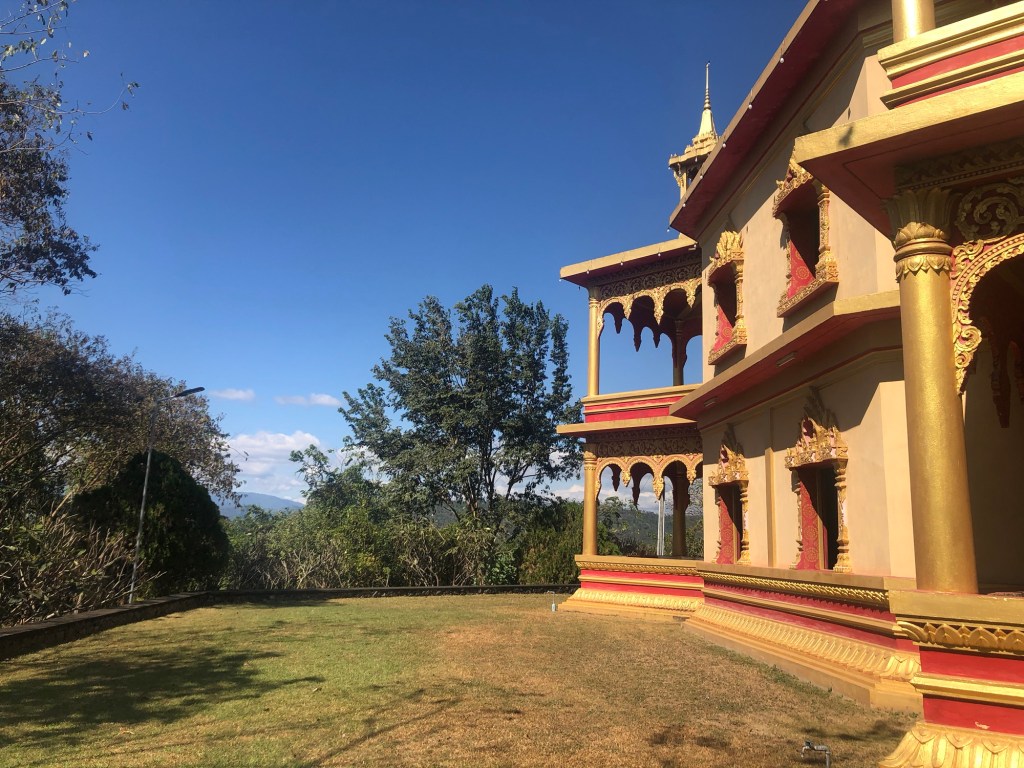
DAILY PHOTO: Wat Pa Phon Phao Posted on December 20, 2024 by B Gourley Reply Share on Facebook, Twitter, Email, etc. Print (Opens in new window) Print Share on WhatsApp (Opens in new window) WhatsApp MoreShare on TumblrTweet Share on Reddit (Opens in new window) Reddit Email a link to a friend (Opens in new window) Email Like Loading...
DAILY PHOTO: Mekong Sunsets Posted on December 19, 2024 by B Gourley Reply Share on Facebook, Twitter, Email, etc. Print (Opens in new window) Print Share on WhatsApp (Opens in new window) WhatsApp MoreShare on TumblrTweet Share on Reddit (Opens in new window) Reddit Email a link to a friend (Opens in new window) Email Like Loading...
PROMPT: Describe a Man Posted on December 18, 2024 by B Gourley 2 Describe a man who has positively impacted your life. A little under six feet tall, medium build, dark hair, olive complexion,… Share on Facebook, Twitter, Email, etc. Print (Opens in new window) Print Share on WhatsApp (Opens in new window) WhatsApp MoreShare on TumblrTweet Share on Reddit (Opens in new window) Reddit Email a link to a friend (Opens in new window) Email Like Loading...
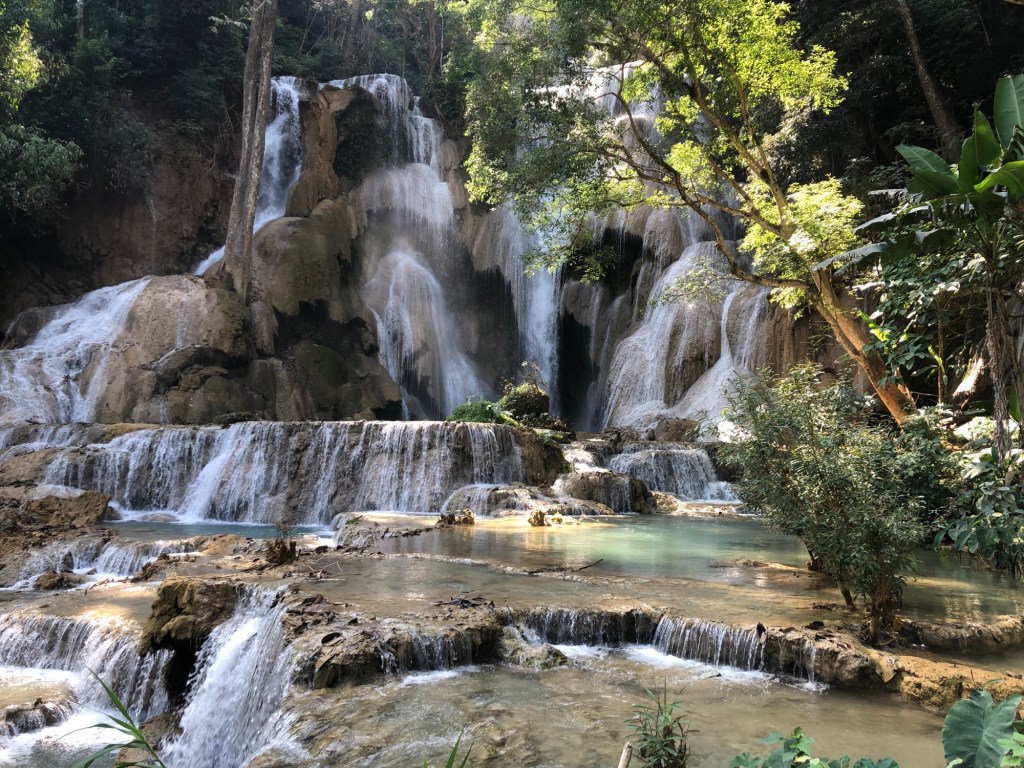
DAILY PHOTO: Kuang Si Waterfalls Posted on December 18, 2024 by B Gourley 1 Share on Facebook, Twitter, Email, etc. Print (Opens in new window) Print Share on WhatsApp (Opens in new window) WhatsApp MoreShare on TumblrTweet Share on Reddit (Opens in new window) Reddit Email a link to a friend (Opens in new window) Email Like Loading...
PROMPT: A Year Ago Posted on December 17, 2024 by B Gourley Reply Is your life today what you pictured a year ago? I make no predictions. Forecasting is a sucker’s game. Share on Facebook, Twitter, Email, etc. Print (Opens in new window) Print Share on WhatsApp (Opens in new window) WhatsApp MoreShare on TumblrTweet Share on Reddit (Opens in new window) Reddit Email a link to a friend (Opens in new window) Email Like Loading...
DAILY PHOTO: The Mekong at Luang Prabang Posted on December 17, 2024 by B Gourley Reply Share on Facebook, Twitter, Email, etc. Print (Opens in new window) Print Share on WhatsApp (Opens in new window) WhatsApp MoreShare on TumblrTweet Share on Reddit (Opens in new window) Reddit Email a link to a friend (Opens in new window) Email Like Loading...
DAILY PHOTO: Wat Choum Khong Sourin Tharame [ວັດຊໍ່ຂົງສຸລະທະທາລາ] Posted on December 16, 2024 by B Gourley Reply Share on Facebook, Twitter, Email, etc. Print (Opens in new window) Print Share on WhatsApp (Opens in new window) WhatsApp MoreShare on TumblrTweet Share on Reddit (Opens in new window) Reddit Email a link to a friend (Opens in new window) Email Like Loading...