Burnable World [Haiku]

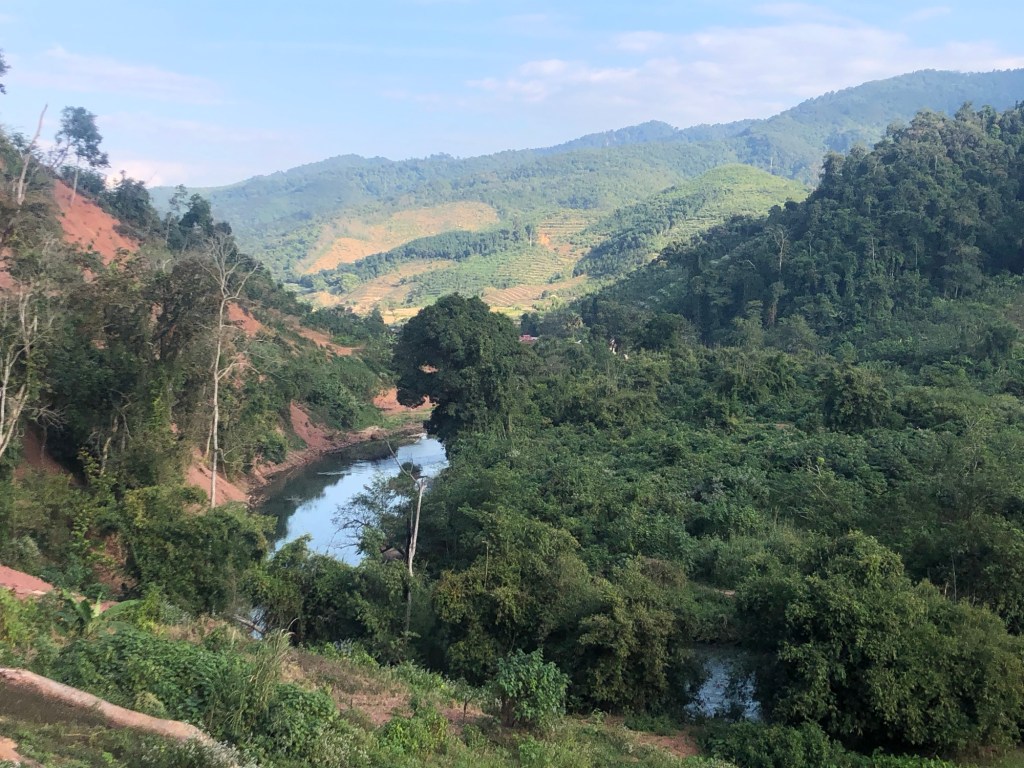
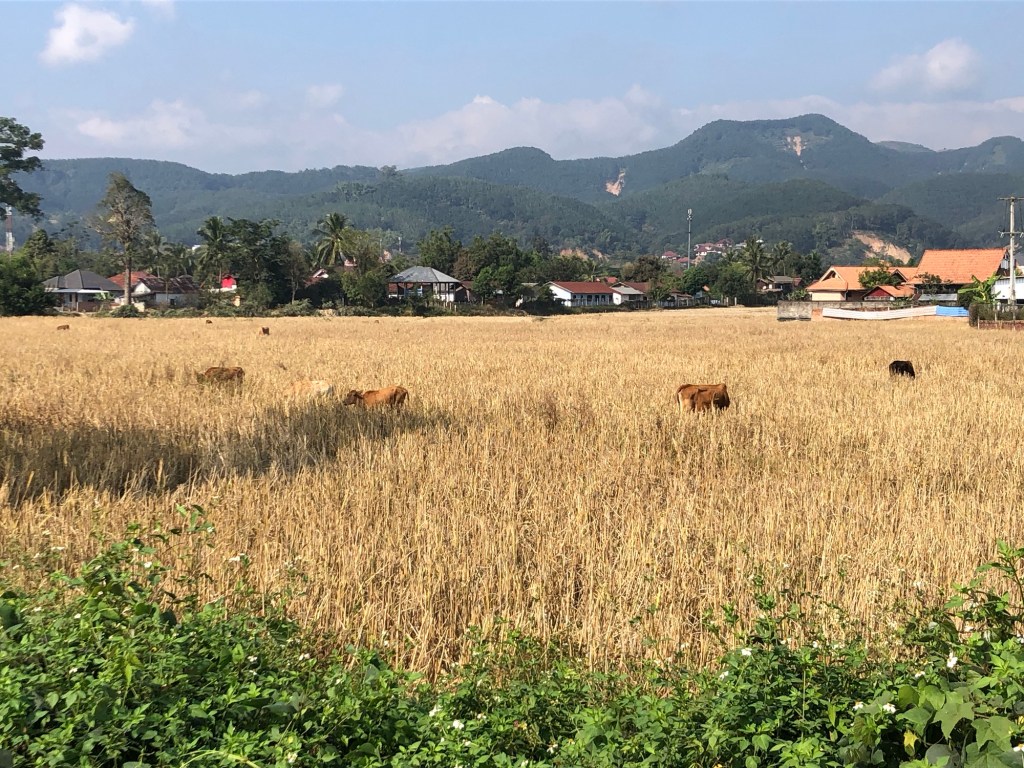
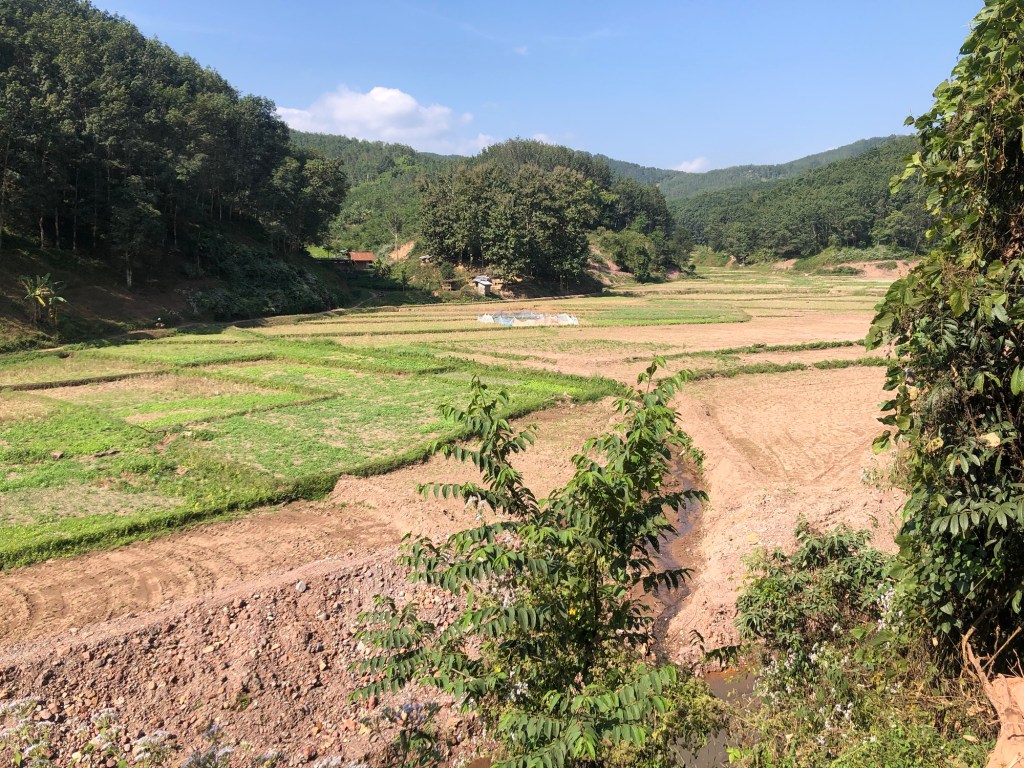
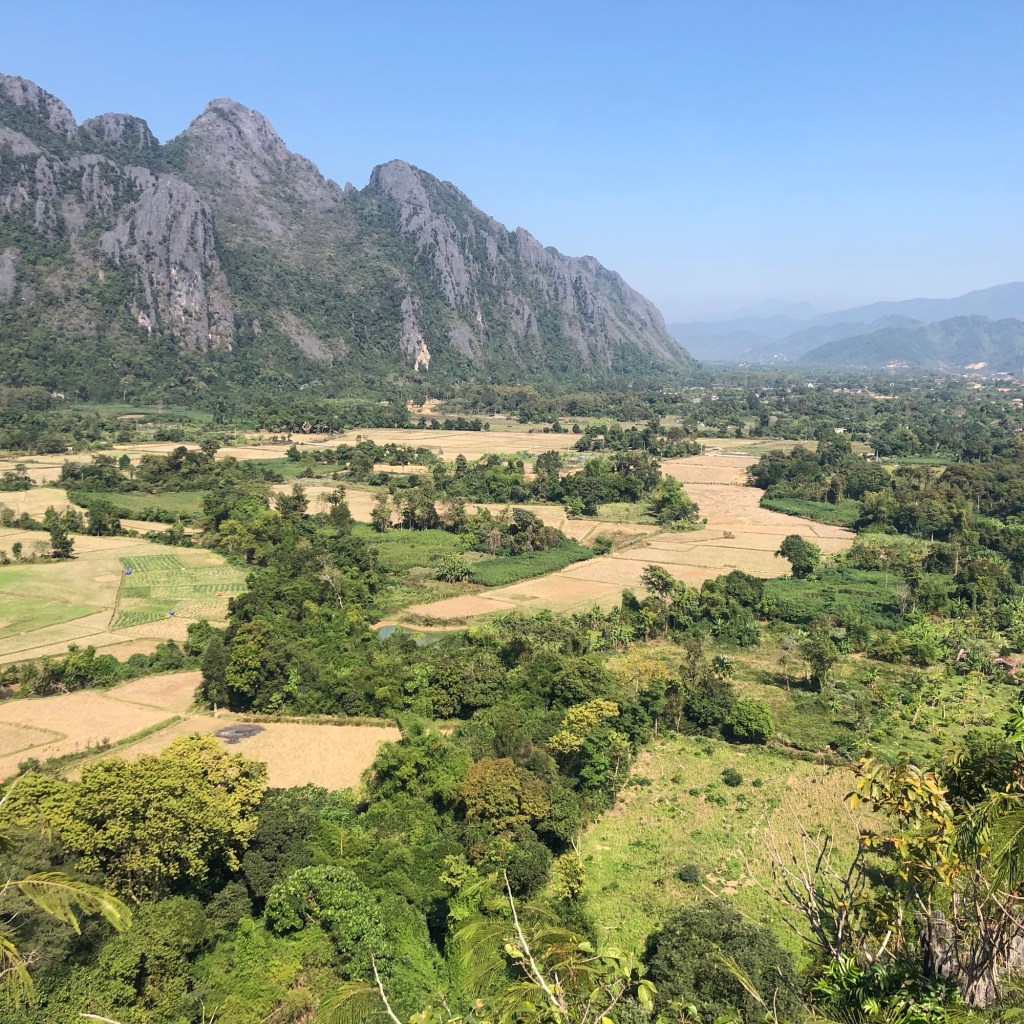
after the harvest,
farmland - dry & ignitable:
distant smoke.

BOOKS: “Atlas of Paranormal Places” by Evelyn Hollow

Atlas of Paranormal Places: A Journey to the World's Most Supernatural PlacesAtlas of Paranormal Places: A Journey to the World’s Most Supernatural Places by Evelyn Hollow
My rating: 4 of 5 stars

Publisher Site

While I’m not much of a believer in the paranormal, I am always curious to learn more about the beliefs, folklore, and backstories of various destinations. Such information, even when immensely interesting, often remains hidden from the casual traveler. For example, had a not read this book I wouldn’t have known that Siquijor Island in the Philippines (a place I’ve been to) had a thriving witch market. I read this book not only because of an interest relevant to places I’ve been and also places I intend to go (e.g. Bhangarh Fort,) but — most importantly — to learn about new and fascinating locations that were not yet on my radar. The book did not disappoint.

The almost forty entries in this atlas are divided among six categories (ghosts, witches, sacred, mythic, nature, and cryptid/creatures.) It is a broad and varied selection of locations from around the world and will most certainly offer even vagabonds some new sites for their “to travel” lists.

I appreciated the thoughtfulness of this book. I noticed this with the discussion of Báthori Erzsébet, a Hungarian noblewoman who was accused of mass murder and – literal – blood baths. Many paranormal authors, either out of an intense need to believe strange things or because of a desire to sell more books, would ignore the extensive evidence that Báthori was framed for purely political motives. Hollow presents said evidence despite the fact that it kind of undercuts her argument that Cachtice Castle is a locus of supernatural happenings.

I found this book compelling, well-written, and illustrated with fine maps and photographs. If you’re interested in the folklore and ghost stories of various locations, I’d check it out.


View all my reviews

“Should the Wide World Roll Away” by Stephen Crane [w/ Audio]

Should the wide world roll away
Leaving black terror
Limitless night,
Nor God, nor man, nor place to stand
Would be to me essential
If thou and thy white arms were there
And the fall to doom a long way.

DAILY PHOTO: Taroko Gorge

Singer [Haiku]

a lovely voice,
heard down the valley, grows
louder & louder.

“In the Prison Pen” by Herman Melville [w/ Audio]

Listless he eyes the palisades
And sentries in the glare;
'Tis barren as a pelican-beach --
But his world is ended there.

Nothing to do; and vacant hands
Bring on the idiot-pain;
He tries to think -- to recollect,
But the blur is on his brain.

Around him swarm the plaining ghosts
Like those on Virgil's shore --
A wilderness of faces dim,
And pale ones gashed and hoar.

A smiting sun. No shed, no tree;
He totters to his lair --
A den that sick hands dug in earth
Ere famine wasted there,

Or, dropping in his place, he swoons,
Walled in by throngs that press,
Till forth from the throngs they bear him
dead --
Dead in his meagerness.

Grazing [Haiku]

horses graze upon
dandelions and green grass,
under snowy heights.

Blue Sky Perspective [Lyric Poem]

What ancient tower sits
Under the patch of blue...
Exposed by tearing clouds
To give a boundless view.

Well, however ancient
And however stately,
I view it with less awe,
Or even quite sedately.

For it's a babe below
The ever-spreading sky;
Its edges - broad and tall -
Exaggerate -- They lie!

DAILY PHOTO: Two Views of Europe Square, Tbilisi

“Sparse” [Poetry Style #15 (疏野)] by Sikong Tu [w/ Audio]

Ah, make nature your home;
Be true and be unchained.
Enrichment by control
Can never be sustained.
Build your hut in the pines:
Toss your hat and read verse.
Know the dawn from the dusk,
But not time -- cradle to hearse.
If your life suits you well
Why must you strive and strain?
If you're unbound as sky,
This style you have attained.

NOTE: The late Tang Dynasty poet, Sikong Tu (a.k.a. Ssŭ-k‘ung T‘u,) wrote an ars poetica entitled Twenty-Four Styles of Poetry. It presents twenty-four poems that are each in a different tone, reflecting varied concepts from Taoist philosophy and aesthetics. Above is a crude translation of the fifteenth of the twenty-four poems. This poem’s Chinese title is 疏野 and it has been translated as “Seclusion” [Giles,] “The Carefree and Wild Style” [Barnstone / Ping,] as well as, “Unrestricted,” “Seclusion,” and “Sparse Wilderness.”