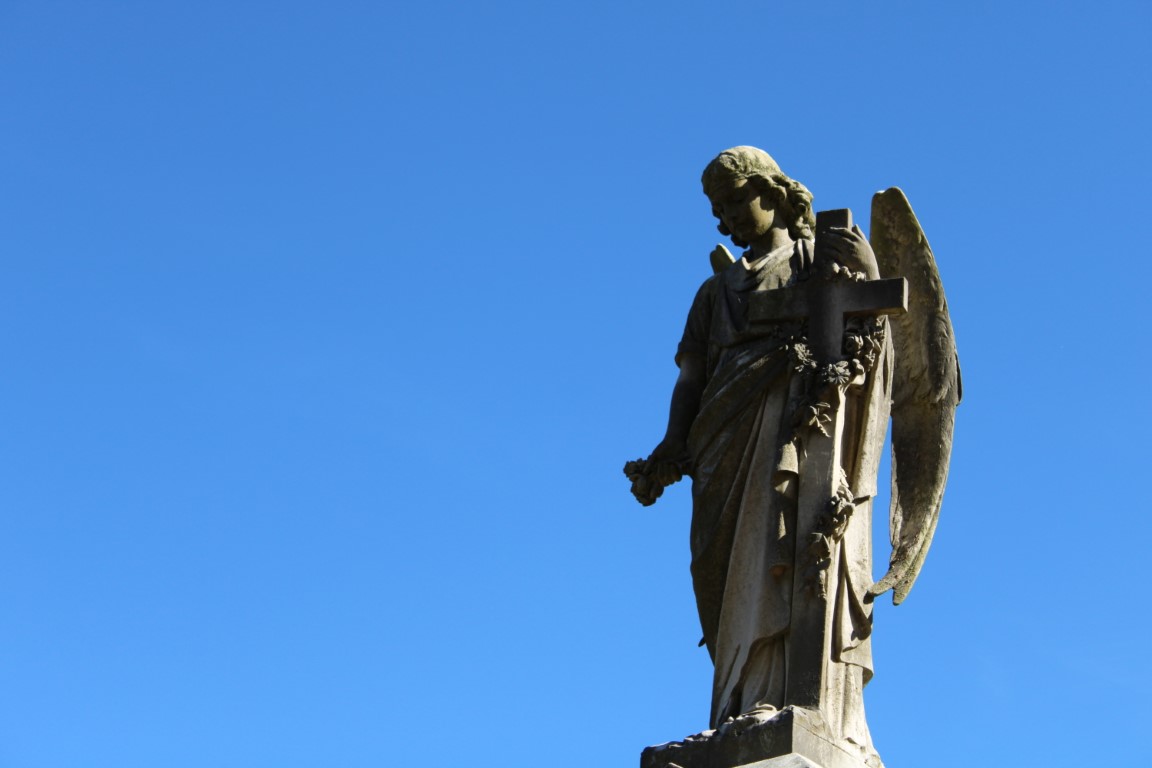
“To fight aloud is very brave –” (138) by Emily Dickinson [w/ Audio]

To fight aloud, is very brave --
But gallanter, I know
Who charge within the bosom
The Calvary of Wo --

Who win, and nations do not see --
Who fall -- and none observe --
Whose dying eyes, no Country
Regards with patriot love --

We trust, in plumed procession
For such, the Angels go --
Rank after Rank, with even feet --
And Uniforms of snow.

Unsettled [Haiku]

a butterfly
lurches flower to flower;
never settling.

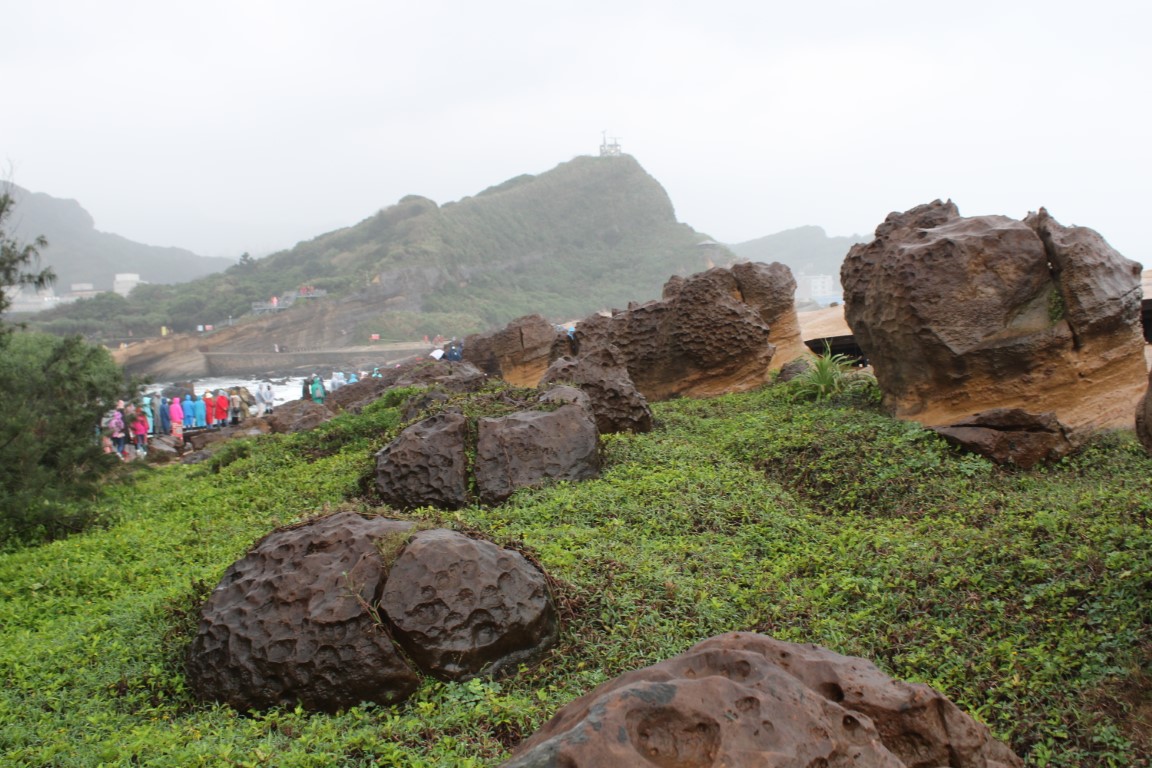
Buffeted [Haiku]

wind buffeted:
the coast is vibrant green
but wintery cold.

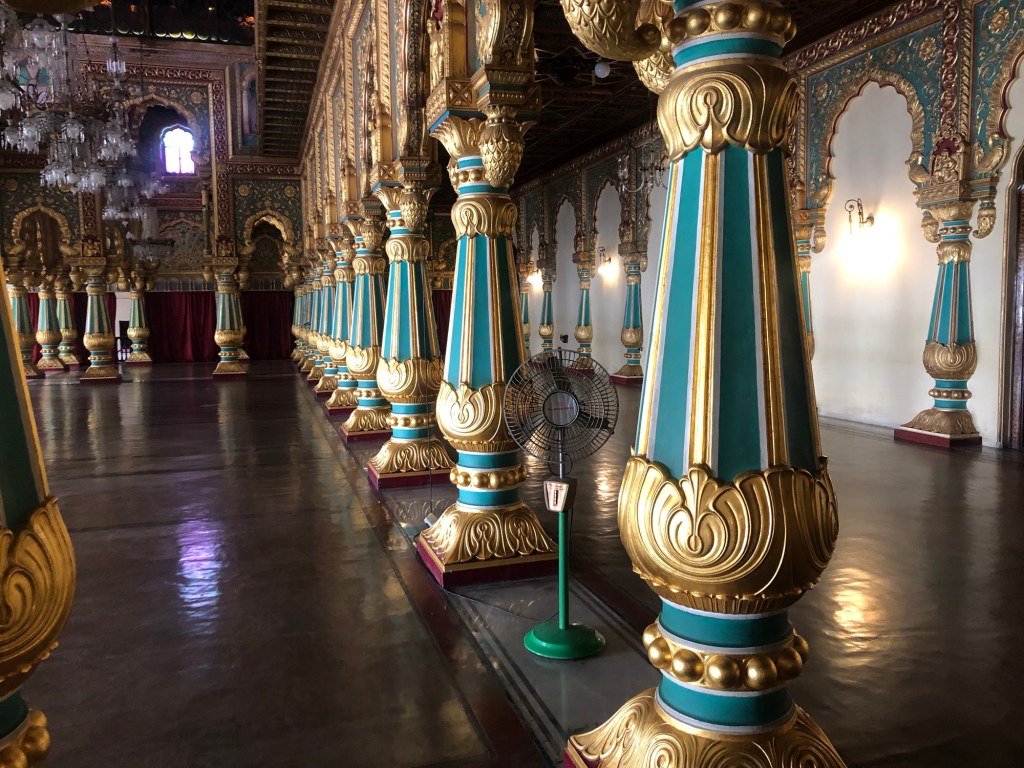
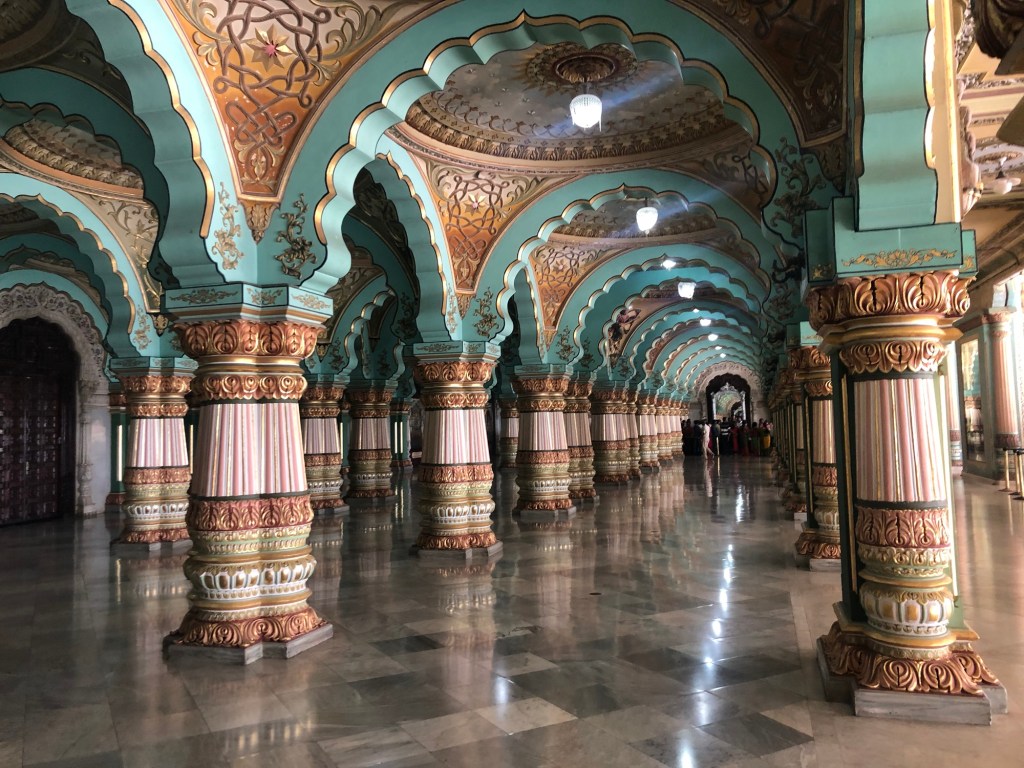
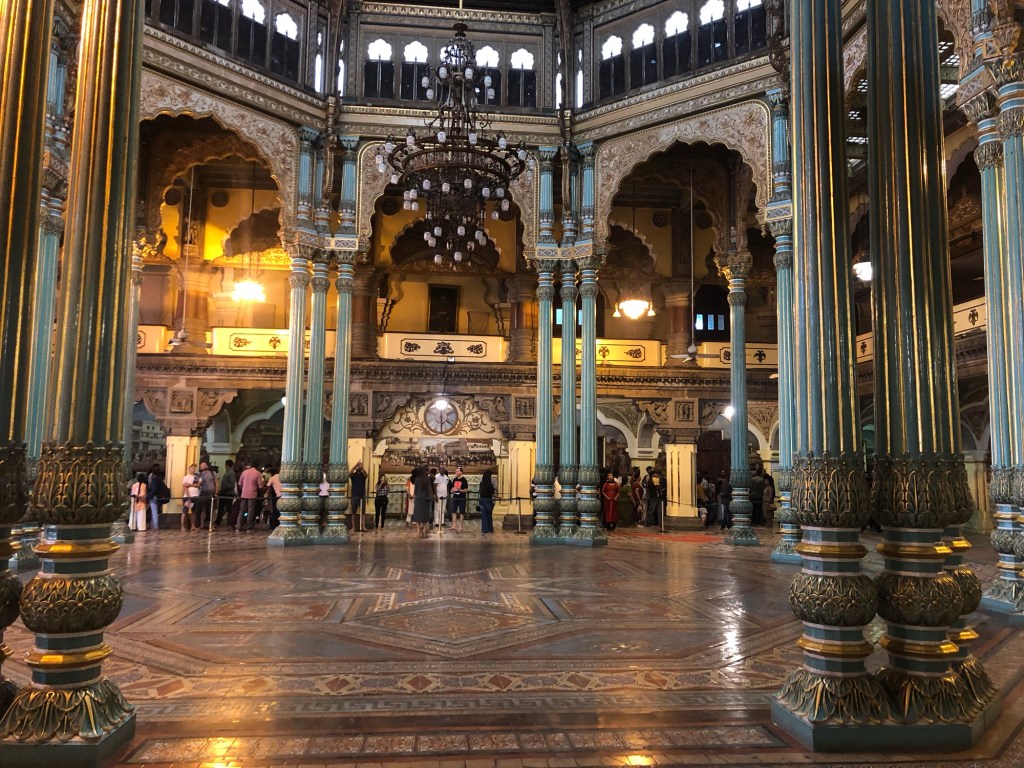
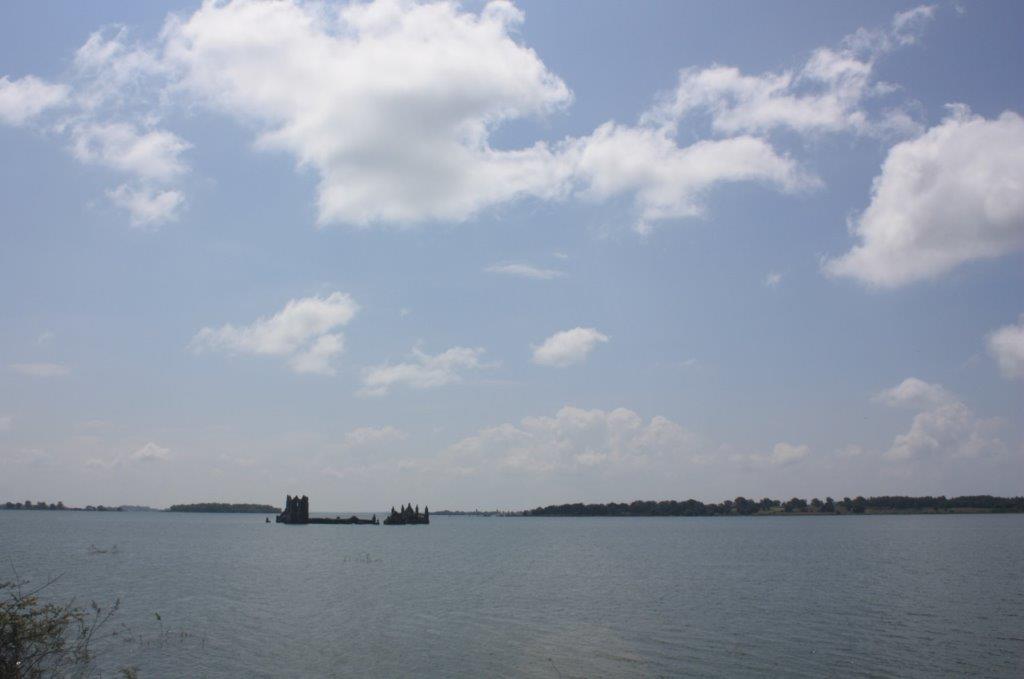
DAILY PHOTO: Inside Mysore Palace

“Beggar to Beggar Cried” by William Butler Yeats [w/ Audio]

"Time to put off the world and go somewhere
And find my health again in the sea air,"
Beggar to beggar cried, being frenzy-struck,
"And make my soul before my pate is bare;

"And get a comfortable wife and house
To rid me of the devil in my shoes,"
Beggar to beggar cried, being frenzy-struck,
"And the worse devil that is between my thighs.

"And though I'd marry with a comely lass,
She need not be too comely -- let it pass,"
Beggar to beggar cried, being frenzy-struck,
"But there's a devil in a looking glass.

"Nor should she be too rich, because the rich
Are driven by wealth as beggars by the itch,"
Beggar to beggar cried, being frenzy-struck,
"And cannot have a humorous happy speech.

"And there I'll grow respected at my ease,
And hear amid the garden's nightly peace,"
Beggar to beggar cried, being frenzy-struck,
"The wind-blown clamor of the barnacle-geese."

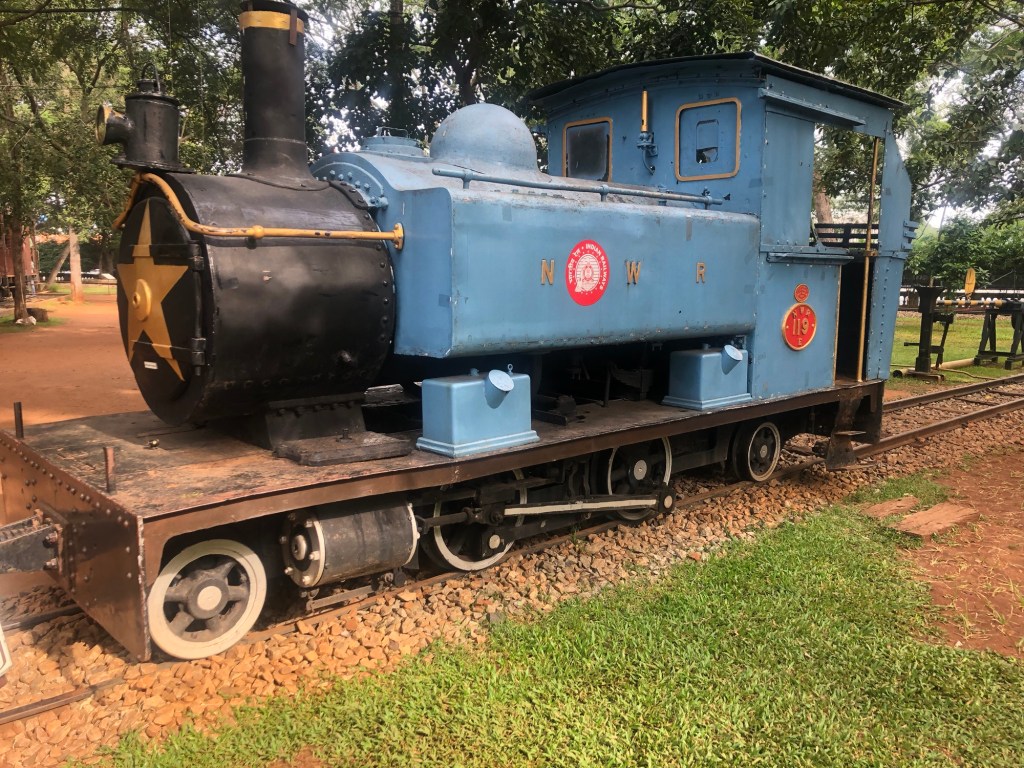
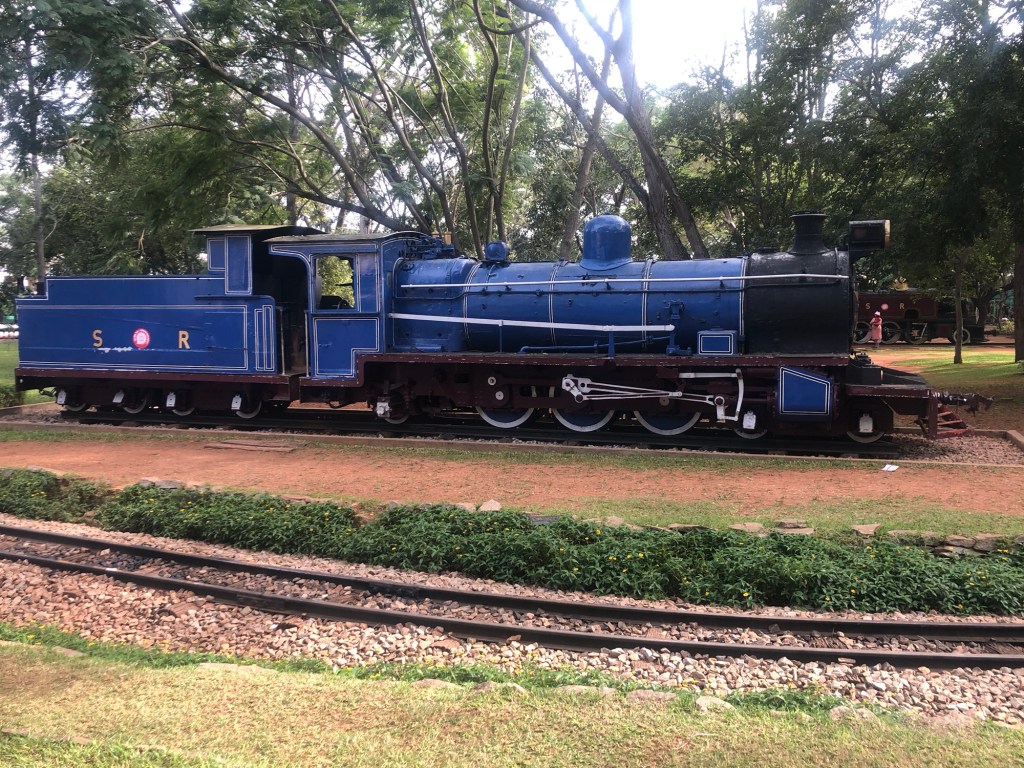
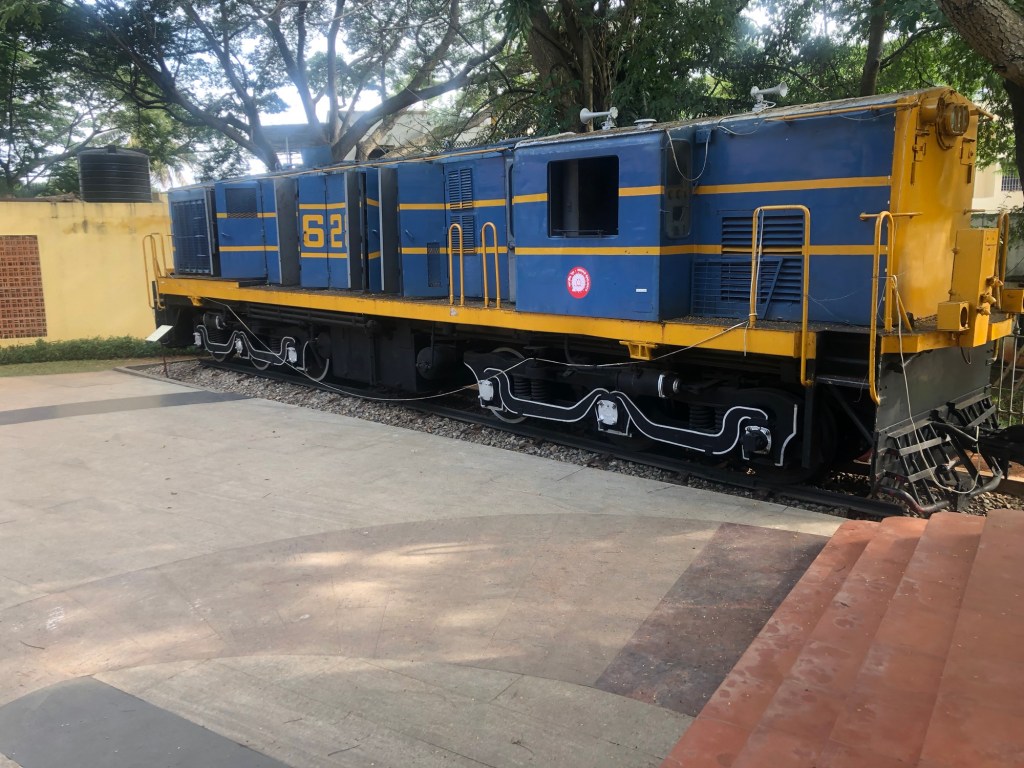
DAILY PHOTO: Mysuru Rail Museum Exhibits

BOOKS: “Kokoro” by Natsume Sōseki 

KokoroKokoro by Natsume Sōseki
My rating: 5 of 5 stars

Publisher Site – Pushkin Press

I first read this many years ago in college for a course on Japanese culture. I didn’t have a good reading experience then because this novel is too quiet to hold the concentration of a fidgety mind. However, on rereading it, I found it to be an intense and moving reading experience. It’s a brutally realistic piece of literary fiction, featuring quiet and unexpressive characters who are never-the-less experiencing a kind of agony of living.

The book’s beginning revolves around the relationship between a young man just finishing college and an older, somewhat hermetic, man. By “relationship” I’m not talking about a sexual or otherwise intimate interaction. This strange relationship might best be made sense of by the fact that the young man calls the older, “Sensei” (i.e. “teacher.”) So, it is largely an informal mentor-mentee relationship, but the reader may not really understand why “Sensei” is a reasonable honorific for the old man until the end. The latter portion of the book is Sensei’s “confession,” or the telling of formative events of his life. It is in this confession that we learn that Sensei is not so much a teacher by virtue of conveying abstract scholarly information but rather he teaches by showing the young man his own life story as a cautionary tale.

You must be in a quiet state of mind to keep attuned to this book, but – if you can do so – it is well worth reading. I’d highly recommend it for readers of literary fiction.

View all my reviews

PROMPT: Positive Events

Daily writing prompt
What positive events have taken place in your life over the past year?

Just, oh so many of them. Virtually all of them. I’ve succeeded in every breath I took (so far, fingers crossed.)

“Flood” by James Joyce [w/ Audio]

Gold-brown upon the sated flood
The rock-vine clusters lift and sway:
Vast wings above the lambent waters
brood
Of sullen day.

A waste of waters ruthlessly
Sways and uplifts its weedy mane,
Where brooding day stares down
upon the sea
In dull disdain.

Uplift and sway, O golden vine,
Thy clustered fruits to love's full
flood,
Lambent and vast and ruthless as is
thine
Incertitude.

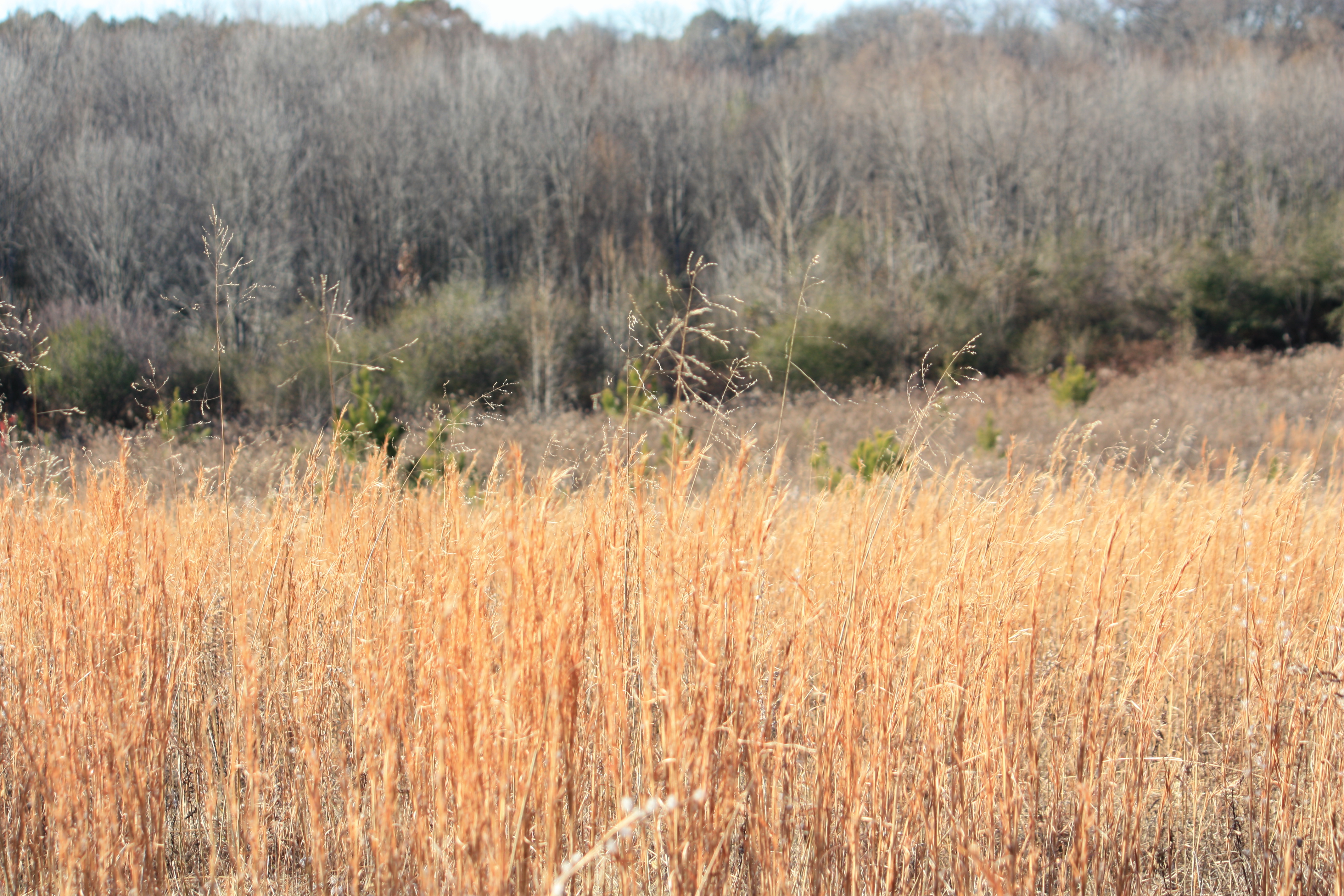
Golden Grass [Haiku]

Winter drains color
from the barren woods, but
tall grass turns gold.