BOOKS: “Soseki Natsume’s Collected Haiku” trans. by Erik Lofgren

Soseki Natsume's Collected Haiku: 1,000 Verses from Japan's Most Popular Writer (Bilingual English & Japanese Texts with Free Online Audio Readings of Each Poem)Soseki Natsume’s Collected Haiku: 1,000 Verses from Japan’s Most Popular Writer by Natsume Sōseki
My rating: 5 of 5 stars

Publisher Site — Tuttle

Natsume Soseki is widely considered one of 2oth century Japan’s greatest writers. While he is best known for his novels, such as Kokoro and I Am a Cat, Soseki wrote broadly, including the one-thousand haiku collected in this volume.

The collection, as is common among haiku volumes, is organized seasonally. Season words being a common feature of classical haiku. That said, these poems are not all classical haiku (though most are.) With respect to form, they are all haiku, but – with respect to content – some are senryū (a style that is the same as haiku in form, but uses more humor and humanistic elements and is less strictly natural and imagist) and others are more idiosyncratic experiments.

One excellent feature of this collection is that it includes both the Japanese characters and Romanized phoneticizations for each poem. This is great for readers who know some level of Japanese, but having the pronunciations allows readers to take in the sound quality of the original — even if they don’t read Japanese.

The translations are optimized for readability by English readers. By this I mean that the translator, Erik Lofgren, doesn’t pare the lines down to maximize sparseness of sound. There are different strategies for translation, and I think Lofgren’s approach is best for a general readership because the translations don’t draw attention to themselves by reading in a fashion that is clunky or tone deaf in English. That said, I suspect some readers would prefer translations more stripped of articles, conjunctions, and other function words.

If you enjoy haiku and modern Japanese literature, I’d highly recommend this book.

View all my reviews

“Break, Break, Break” by Alfred Tennyson [w/ Audio]

Break, break, break,
On thy cold gray stones, O Sea!
And I would that my tongue could utter
The thoughts that arise in me.

O, well for the fisherman's boy,
That he shouts with his sister at play!
O, well for the sailor lad,
That he sings in his boat on the bay!

And the stately ships go on
To their haven under the hill;
But O for the touch of a vanish'd hand,
And the sound of a voice that is still!

Break, break, break
At the foot of thy crags, O Sea!
But the tender grace of a day that is dead
Will never come back to me.

Cold Rain [Haiku]

cold rain
spatters on granite:
Spring enters.

“Illusion” by Amy Lowell [w/ Audio]

   Walking beside the tree-peonies,
I saw a beetle
Whose wings were of black lacquer spotted with milk.
I would have caught it,
But it ran from me swiftly
And hid under the stone lotus
Which supports the Statue of Buddha.

Light Rides Dark [Haiku]

rivers merge;
two cocoa hues seem unmixed,
but light rides the dark.

Sonnet 3 by William Shakespeare [w/ Audio]

Look in thy glass and tell the face thou viewst,
Now is the time that face should form another,
Whose fresh repair if now thou not renewest,
Thou dost beguile the world, unbless some mother.
For where is she so fair whose uneared womb
Disdains the tillage of thy husbandry?
Or who is he so fond will be the tomb
Of his self-love, to stop posterity?
Thou art thy mother's glass, and she in thee
Calls back the lovely April of her prime;
So thou through windows of thine age shalt see,
Despite of wrinkles, this thy golden time.
But if thou live rememb'rd not to be,
Die single, and thine image dies with thee.

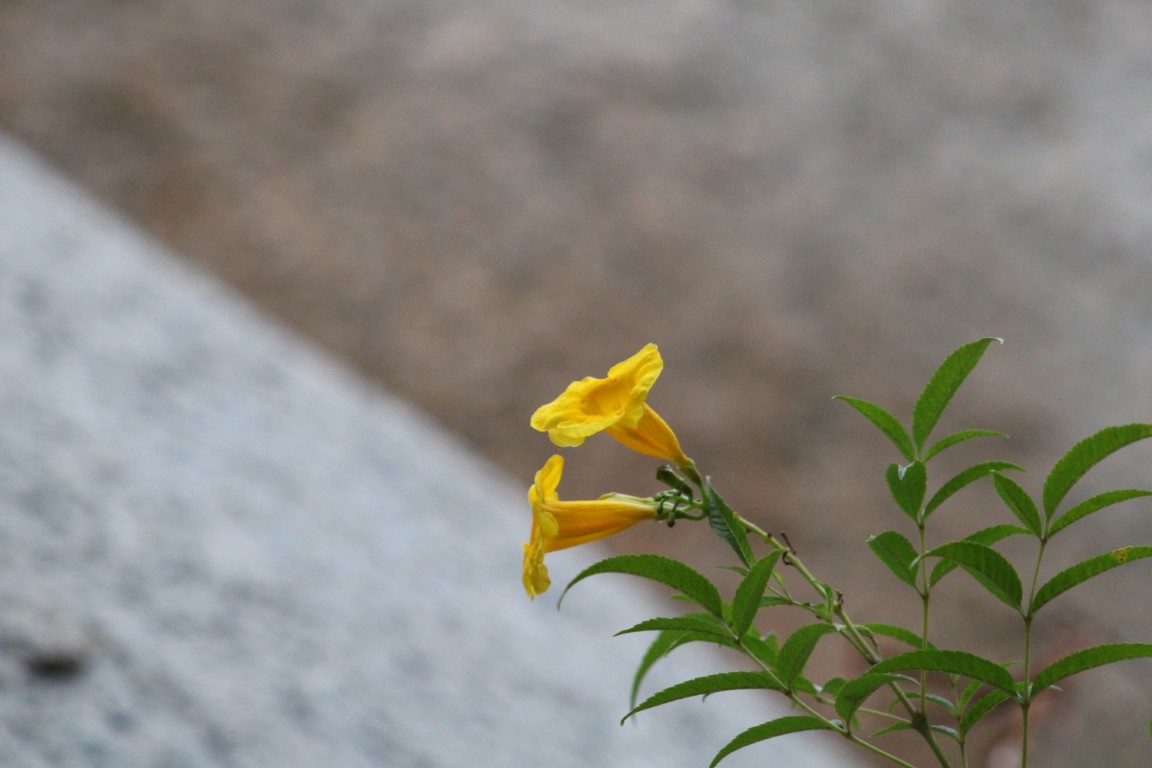
Bee Mind [Haiku]

among Spring flowers,
bees swarm one yellow plant
that doesn't look special.

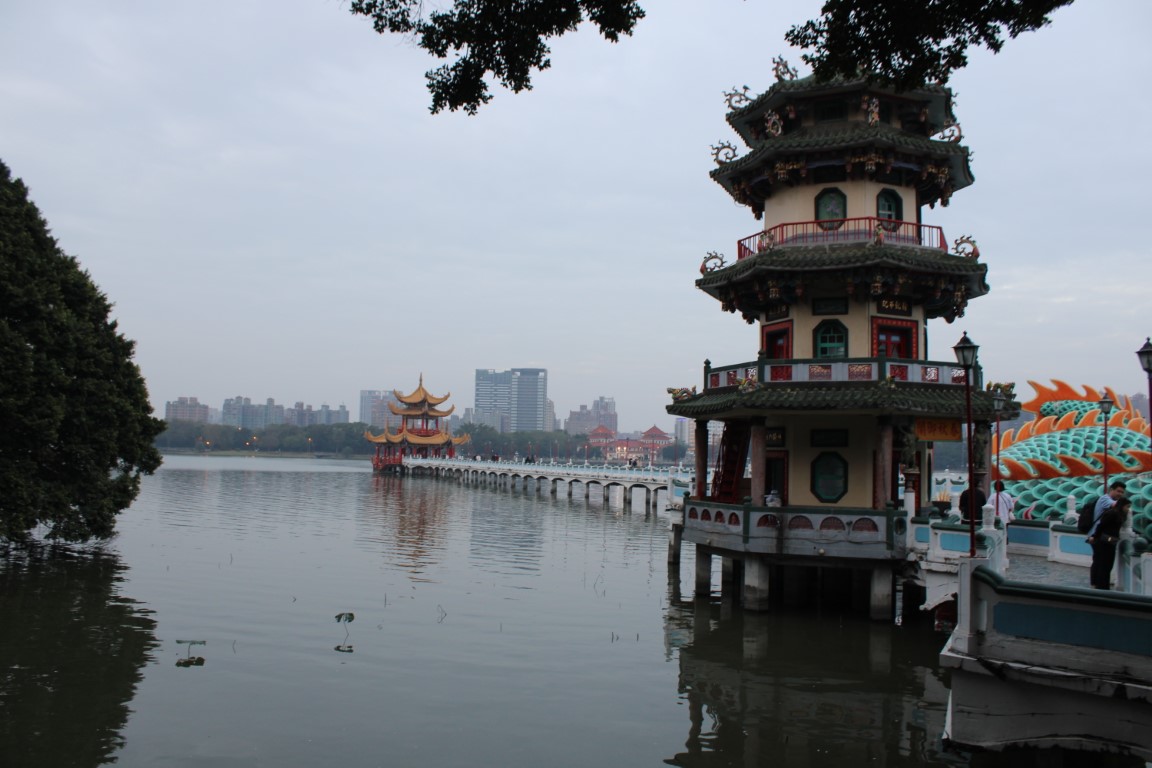
Dragons [Lyric Poem]

I see Dragons on the walls
Of temples and market stalls.
From Shanghai to London way,
I've seen them by night and day.
I've seen them skewered by St. George
And belching flame like a forge.
I saw one once in Baku,
But never saw one in a Zoo.

Wen Fu 2: “Introspection” [文賦二] by Lu Ji [陆机] [w/ Audio]

Close your eyes and listen with care.
Turn all your attention inside.
Let your soul ride the Eight Borders
At a galloping stride.

Inner space brightens, becomes more
Compact, as one views the expanse.
Words pour forth to cleanse the soul,
As the Six Arts lend a fragrance.

Float, swim, and dive in the abyss,
Heedful for words as it all soaks in...
Sometimes the right word must be hooked,
And hauled up where it can be spoken.
But, other times, words are like birds,
That fly themselves out of the clouds,
To be downed by one swift arrow --
Quite willingly freed of their shrouds.

Mine for lines lost ages ago --
Rhymes unsung for ten centuries.
Thank tight buds for the sweet flowers
That they - soon enough - will be.

See past and present concurrently,
At once, touch mountain and sea.

The Original in Simplified Chinese:

其始也,皆收视反听,耽思傍讯,精骛八极,心游万仞。

其致也,情曈曨而弥鲜,物昭晣而互进。

倾群言之沥液,漱六艺之芳润。

浮天渊以安流,濯下泉而潜浸。

于是沈辞怫悦,若游鱼衔钩,而出重渊之深;
浮藻联翩,若翰鸟缨缴,而坠曾云之峻。

收百世之阙文,采千载之遗韵。

谢朝华于已披,启夕秀于未振。

观古今于须臾,抚四海于一瞬。