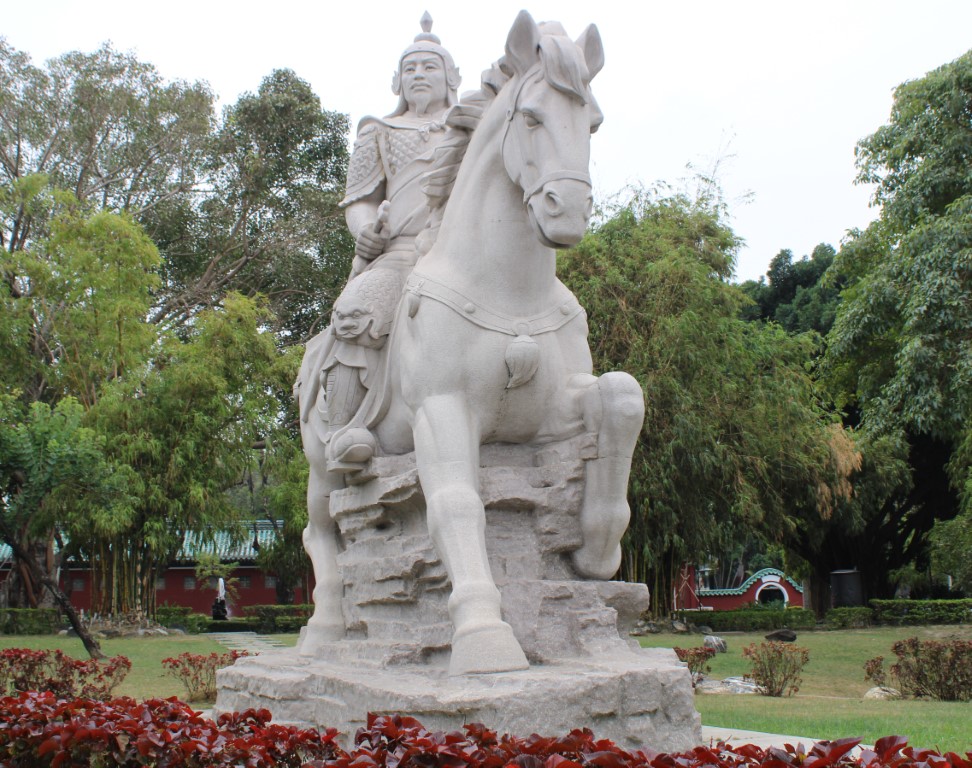
“Cavalry Days” by Xin Qiji [w/ Audio]

Drunk, I'd keep a lamp lit to find my sword,
The blare of horns sounded throughout the camp.
Soldiers ate meat under waving banners;
The military band played boisterous tunes.
Autumn brought our troops to the battlefield.

Carried by a charger at full gallop,
My bow thwipped, sending swift arrows flying.
We restored Imperial lands, boldly,
And won great fame for fighting gallantly,
But fame grows thin and gray just like my hair.

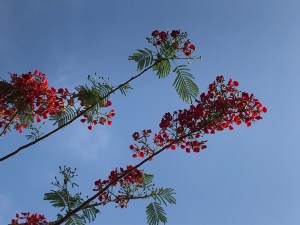
Red Blossoms [Haiku]

red blossom-laden
branches race across
blue summer skies.

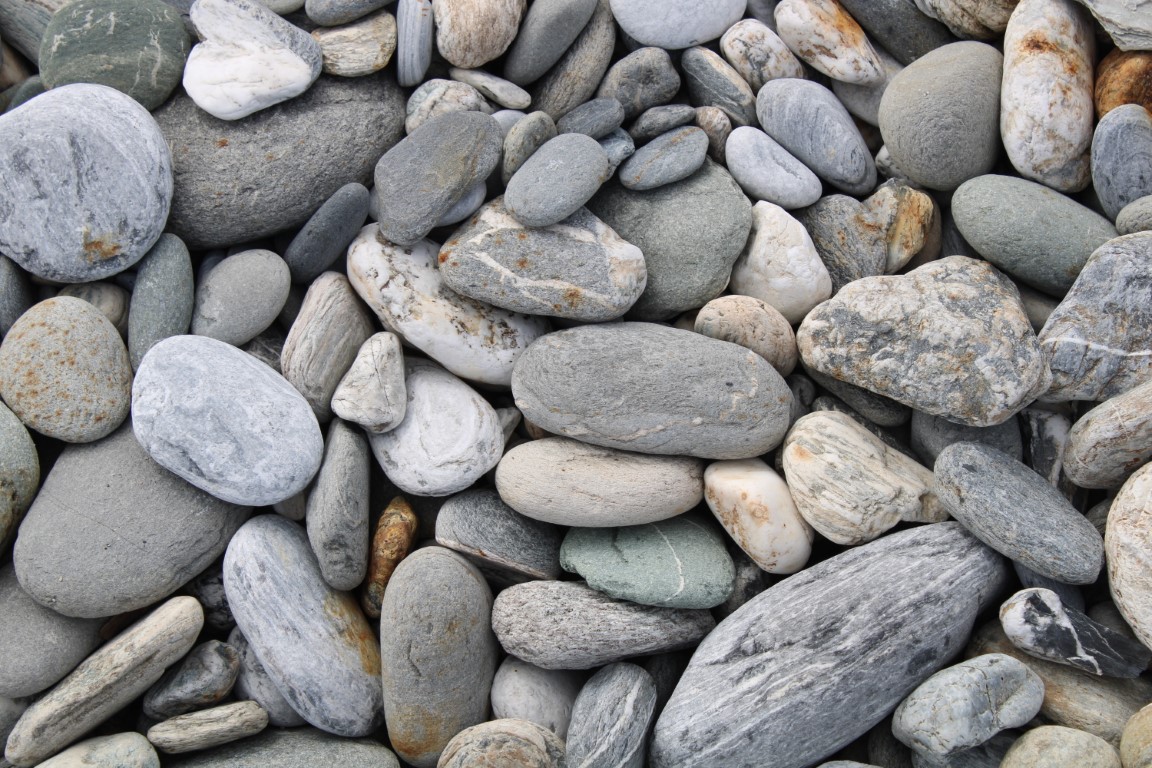
Stony Beach [Haiku]

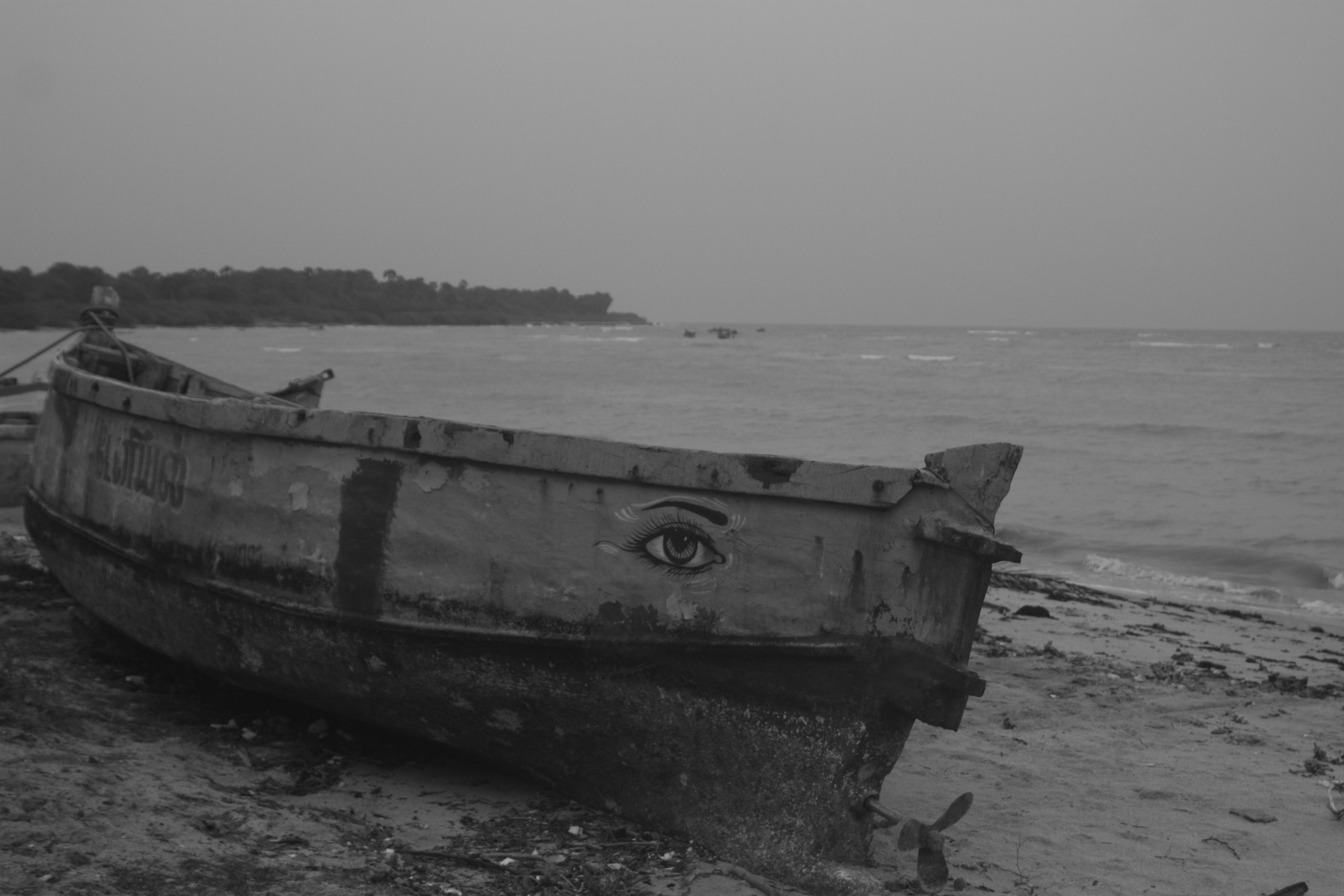
gray winter day:
i walk the stony beach, and
note each rock 's unique.

BOOKS: “How to Love in Sanskrit” Trans. by Anusha Rao & Suhas Mahesh

How to Love in SanskritHow to Love in Sanskrit by Anusha Rao
My rating: 4 of 5 stars

Amazon.in Page

As one can tell from the title and cover, this is an anthology of poems translated from Sanskrit to English on the subject of love, relationships, and eroticism. The source poems come from a diverse collection of writings.

The translators made an editorial / translation decision to place the translations in a modern context. By that I mean that the poems, most of which were written hundreds of years ago, have references to cell phones and dating apps, as well as many colloquialisms and expressions du jour. Some readers will love how this makes it readable and relatable in the present-day. Others will find that it distracts and takes one out of the experience of reading classical literature. I’m not saying the decision is good or bad, but it is something of which a potential reader should be aware. The only critical comment I have on the matter is that, if you should be reading the book ten years from now, there will likely be both language and technical references that have not aged well, and which you will probably have to go to your AI historian to figure out. (Some expressions are cliched now.)

I did enjoy how much ground the collection covered. The poems are grouped into categories sticking to the “How To” motif of the book, e.g. “How to Flirt,” “How to Yearn,” etc. I will say I went through a period early in the reading in which it seemed like poem after poem was confusing teeny-bopper lust for love, seemingly celebrating pathologies like jealousy and co-dependence. Throughout this phase of the book there were a number of poems that read like bad schoolboy poetry. However, in later chapters there were more poems that were dignified and reflected a more mature grasp of the subject.

There were some features of the book that I loved. First of all, most of the poems have explanatory notes at the end that can be very helpful both because (as mentioned) most of the poems were written long ago and because I am a foreign reader. Secondly, there is an appendix with romanizations of the original Sanskrit.

Ultimately, I’d say a major factor in whether this anthology is for you will be whether you enjoy the colloquial tone and free verse form or find it off-putting.

View all my reviews

“Now Winter Nights Enlarge” by Thomas Campion [w/ Audio]

Now winter nights enlarge
The number of their hours;
And clouds their storms discharge
Upon the air towers.
Let now the chimneys blaze
And cups o'erflow with wine,
Let well-turned words amaze
With harmony divine.
Now yellow waxen lights
Shall wait on honey love
While youthful revels, masques, and courtly sights
Sleep's leaden spells remove.

This time doth well dispense
With lovers' long discourse;
Much speech hath some defense,
Though beauty no remorse.
All do not all things well;
Some measures comely tread,
Some knotted riddles tell,
Some poems smoothly read.
The summer hath his joys,
And winter his delights;
Though love and all his pleasures are but toys,
They shorten tedious nights.

Greening Rains [Haiku]

the soil is soggy
from persistent spring rains,
but, in sun, greens glow.

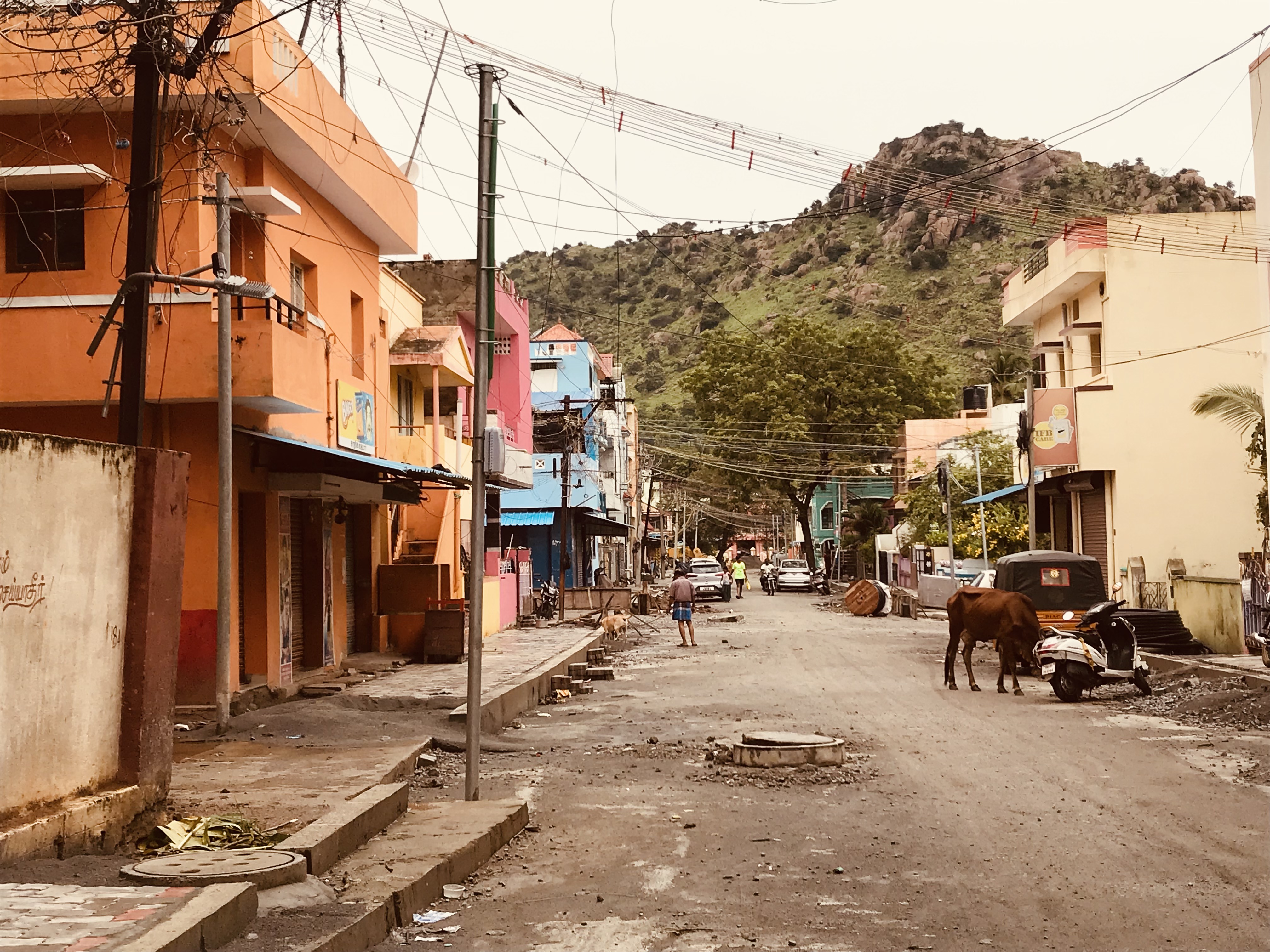
Mountain Time [Tanka]

an ancient mountain,
weathered to rubble,
stands background
to a city that's lived
but a blip of mountain time.

Psychoanalyst Limerick

There once was a renowned psychoanalyst
Who found childhood events were always the catalyst.
A patient who lived happily
'Til a recent tragedy,
Learned it all stemmed from thoughts as a neonatalist.

“Sailing to Byzantium” by William Butler Yeats [w/ Audio]

I

That is no country for old men. The young
In one another's arms, birds in the trees,
-- Those dying generations - at their song,
The salmon-falls, the mackerel-crowded seas,
Fish, flesh, or fowl, commend all summer long
Whatever is begotten, born, and dies.
Caught in that sensual music all neglect
Monuments of unageing intellect.

II

An aged man is but a paltry thing,
A tattered coat upon a stick, unless
Soul clap its hands and sing, and louder sing
For every tatter in its mortal dress,
Nor is there singing school but studying
Monuments of its own magnificence;
And therefore I have sailed the seas and come
To the holy city of Byzantium.

III

O sages standing in God's holy fire
As in the gold mosaic of a wall,
Come from the holy fire, perne a gyre,
And be the singing-masters of my soul.
Consume my heart away; sick with desire
And fastened to a dying animal
It knows not what it is; and gather me
Into the artifice of eternity.

IV

Once out of nature I shall never take
My bodily form from any natural thing,
But such a form as Grecian goldsmiths make
Of hammered gold and gold enamelling
To keep a drowsy Emperor awake;
Or set upon a golden bough to sing
To lords and ladies of Byzantium
Of what is past, or passing, or to come.

Cold Mountain [Haiku]

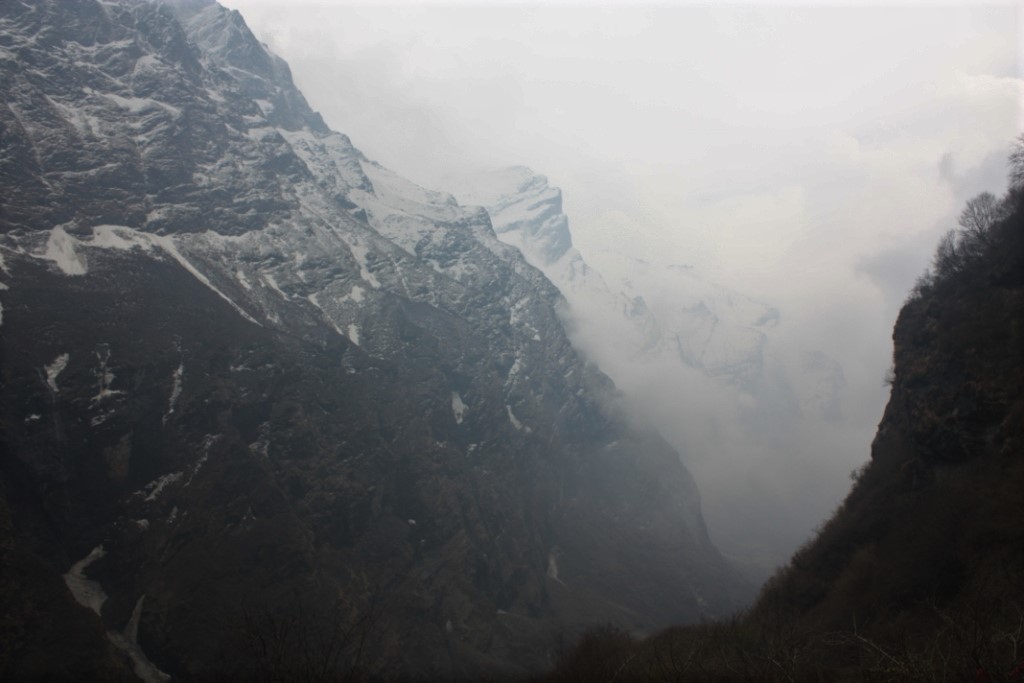
cold mountain:
sound of falling water
iced to silence.