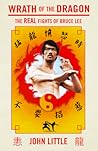
BOOK REVIEW: Wrath of the Dragon by John Little

Wrath of the Dragon: The Real Fights of Bruce LeeWrath of the Dragon: The Real Fights of Bruce Lee by John Little
My rating: 5 of 5 stars

Amazon.in Page

Release Date: September 5, 2023

There are many Bruce Lee biographies out there, from general bios (such as Matthew Polly’s Bruce Lee: A Life) to those that are much more narrowly focused (e.g. Rick Wing’s Showdown in Oakland about Lee’s fight with Wong Jack Man.) This book is somewhere in between in that it is theme-focused (Lee’s fights and matches,) but it does offer insights from Lee’s childhood through to his death as they pertain to these fights and sparring experiences. The book explores all of the known real-world scraps and matches, as well as some of the more telling sparring sessions. Fights range from Lee’s adolescent skirmishes as a punk kid through the challenge matches with extras on the set of Enter the Dragon as an astute (if still quick-tempered) master. When I say that the book includes sparring sessions, I’m not talking about every time Lee sparred, but rather those exchanges that offered particular insight into Lee’s prowess, such as his last ever sparring session with his old Wing Chun teacher, Wong Shun-Leung (a senior student of Ip Man’s) as well as those with athletes at the top of their respective combative sports.

The point of the book is to challenge a belief — widespread at times — that Lee was a blow-hard offering banal quasi-mystical Eastern philosophy and martial insights that were based only on a few Wing Chun lessons from Ip Man. In contrast, the book paints a picture of a broadly experienced fighter who was obsessive about his betterment as a martial artist. Lee was an innovator and trained with great endurance and intensity. The book portrays Lee as a martial artist of such speed and athleticism that even World Champion competitors were left in awe.

While reading, one does have to question how objectively the information is being presented. After all, Little is definitely a bit of a fanboy and he’s clearly taking a stance on Lee’s prowess. Furthermore, the fact that (at one point, I’m not sure about presently) Little was the only one with full access to Lee’s archived notes suggests his message was sufficiently on point for Lee’s family to feel comfortable with him. That said, I felt there was enough admission of Lee’s weaknesses and mistakes as well as a willingness to present competing statements when details were in question that I believe this is an honest attempt to get the details right (within the unavoidable constraints of memories of events being decades in the past and being seen from multiple perspectives — psychologically as well as geographically.)

I found this book to be fascinating from cover to cover, and well worth reading. In addition to the stories of the fights, the author discusses the lessons that Lee learned along the way. Even in winning, Lee was sometimes dissatisfied with his own performance, and this drove him to adapt and to develop new training methods. I’d highly recommend this book for those interested in the martial arts or who love a good biography.

View all my reviews

We Are Makers [Free Verse]

Are we Makers?
     Yes. We are!

And damn good ones at that.

We can turn a planet
      into plastic trinkets.

We can use every last morsel
      to make stuff:
           bright & shiny
                     or
            loud & colorful. 

We can even make ideas:
       good or bad,
       true or false,
 but always 100% believable.

We're the ones who invented Evil.

Yes, that whole toxic notion 
       is brought to you by us.

And Left-Wing & Right-Wing...

It used to be just a bunch of people
       trying their best to understand
       and to get by. 

But we built mental / conceptual corrals,
        corrals good enough that we 
        could no longer recognize each other 
        as part of the same species. 

We are Makers. 

Introvert in a Crowd [Senryū]

of all things for which
“just a little is enough:”
1.) human beings

Invisible Fetters [Tetrametric Verse]

People penned up without borders
by some hidden social order
wear uniform-less uniforms,
and form a matrix, not a swarm.

What invisible chains bind them?
Where are the minders who mind them?
Is compliance written in our genes --
remnant from ages of Kings and Queens?

Squirrel Grind [Common Meter]

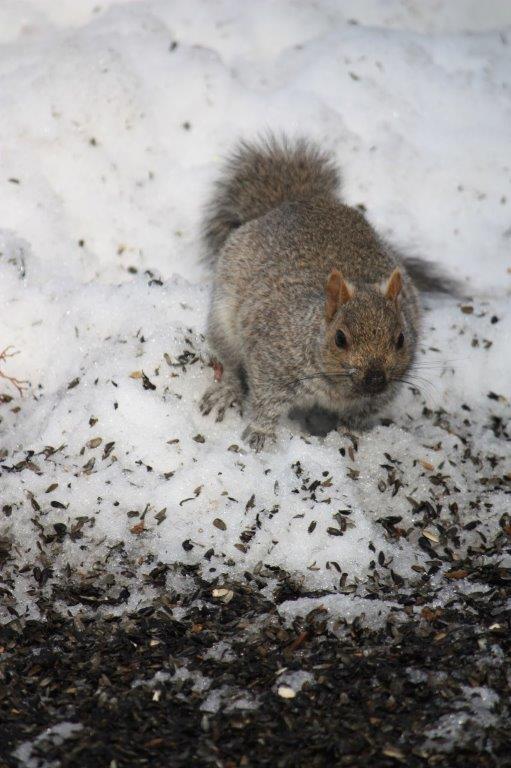
The squirrel's life 's an acorn hunt:
forage and hide the nut.
But a feeble mind requires that
it hide them by the glut.

Squirrel happiness is fragile
no cache is big enough
to be certain it'll make it through
should the winter get rough. 

Oh, give me the tardigrade life,
not a doubt it'll survive.
No food, no water, vacuum of space
and the thing 's still [bleeping] alive.

Rather than gathering plenty,
I'd rather need much less,
or, at least, not be so mindless
to hoard in great excess.

5 Posthumous Gods of Literature; and, How to Become One

There have been many poets and authors who — for various reasons — never attracted a fandom while alive, but who came to be considered among the greats of literature in death. Here are a few examples whose stories I find particularly intriguing.


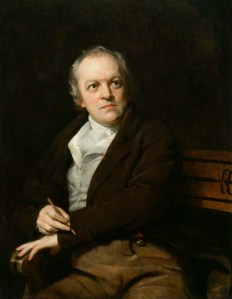
by Thomas Phillips, oil on canvas, 1807

5.) William Blake: Blake sold fewer than 30 copies of his poetic masterpiece Songs of Innocence and Experience while alive. He was known to rub people the wrong way and didn’t fit in to society well. He was widely considered insane, but at a minimum he was not much for falling in with societal norms. (He probably was insane, but cutting against the grain of societal expectations has historically often been mistaken for insanity.)  While he was a religious man (mystically inclined,) he’s also said to have been an early proponent of the free love movement. His views, which today might be called progressive, probably didn’t help him gain a following.


4.) Mikhail Bulgakov: Not only was Bulgakov’s brilliant novel, The Master & Margarita, banned during his lifetime, he had a number of his plays banned as well. What I found most intriguing about his story is that the ballsy author personally wrote Stalin and asked the dictator to allow him emigrate since the Soviet Union couldn’t find use for him as a writer. And he lived to tell about it (though he didn’t leave but did get a small job writing for a little theater.) Clearly, Stalin was a fan — even though the ruler wouldn’t let Bulgakov’s best work see the light of day.


3.) John Kennedy Toole: After accumulating rejections for his hilarious (and posthumously Pulitzer Prize-winning) novel, A Confederacy of Dunces, Toole committed suicide. After his death, Toole’s mother shopped the draft around and brow-beat Walker Percy into reading it, which ultimately resulted in it being published.


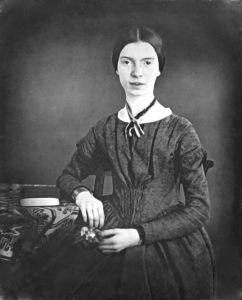
2.) Emily Dickinson: Fewer than 12 of Dickinson’s 1800+ poems were published during her lifetime. Dickinson is the quintessential hermitic artist. Not only wasn’t she out publicizing her work, she didn’t particularly care to see those who came to visit her.


1.) Franz Kafka: Kafka left his unpublished novels The Trial, The Castle, and Amerika, as well as other works in a trunk, and told his good friend Max Brod to burn it all. Fortunately (or unfortunately, depending upon your definition of a good friend), Brod ignored the instruction and the works were posthumously published.


In brief summary, here are the five ways to become a posthumous god of literature:

5.) Be seen as a lunatic / weirdo.

4.) Live under an authoritarian regime.

3.) Handle rejection poorly, lack patience, and / or fail to get help.

2.) Don’t go outside.

1.) Wink at the end of the sentence when you tell your best friend to burn all your work.

A Conversation of Mutual Disenchantment

“I remember being born.”

“No. You don’t.”

“How would you know?”

“Well, let’s start from the assumption that you’re human…”

“I’d like to think so, but what are my options?”

“I don’t know. Humans don’t have that neural machinery at birth… So nothing from Earth remembers its birth.”

“And yet, I do.”

“Mightn’t you have cobbled together the scene from your mom’s stories, the family photo album, et cetera?”

“Nah! It’s too detailed. Feels too real.”

“I find your ignorance exhausting.”

“I find your certainty perplexing — not to mention irritating and slap-worthy.”

“Let’s agree to be mutually disenchanted.”

“Agreed.”

DAILY PHOTO: So You Say Your Job Sucks?…

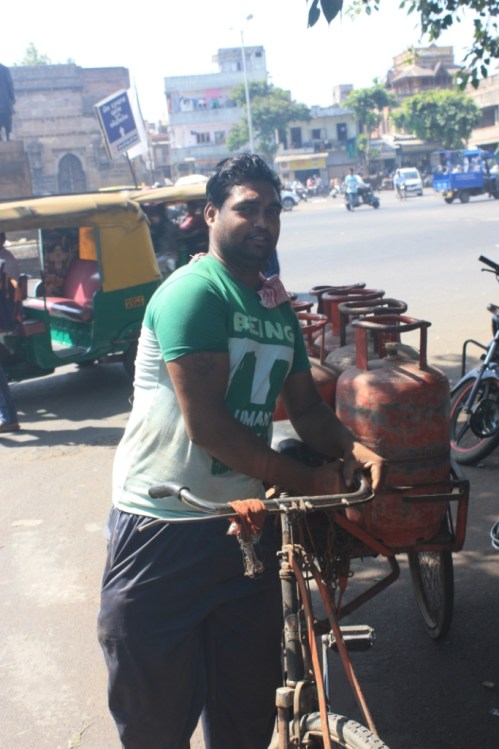
Taken in Ahmedabad in October of 2017

… Does it “pedaling-around-a-dozen-gas-canisters”-suck?

DAILY PHOTO: Gujarati Portraits

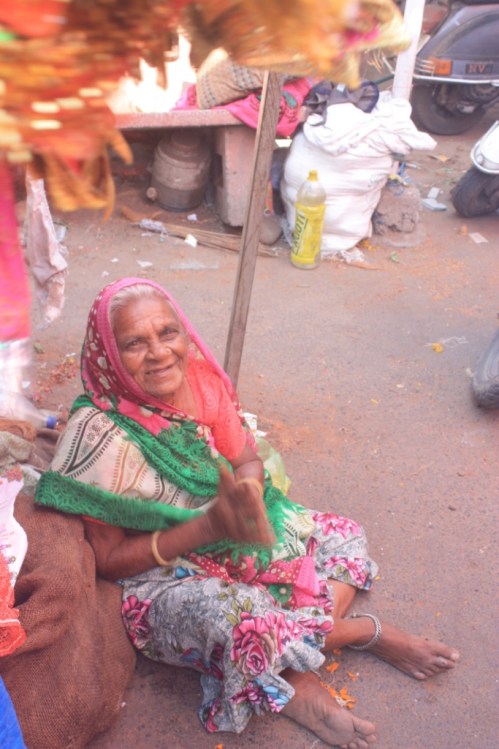
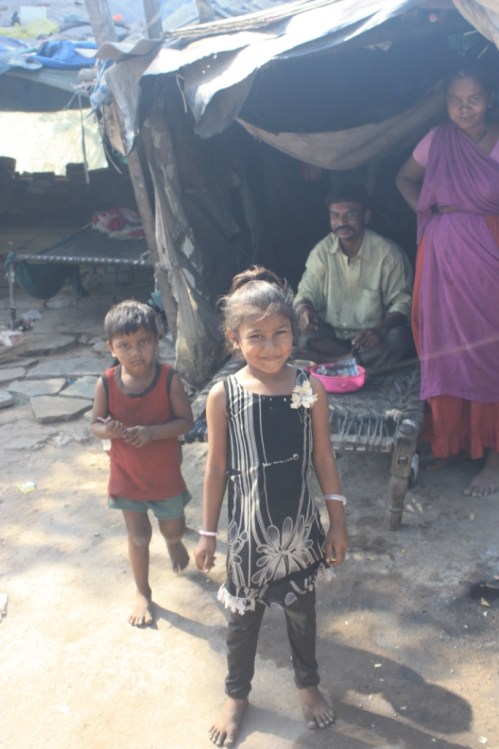
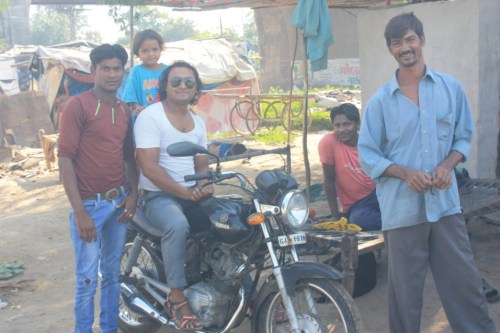
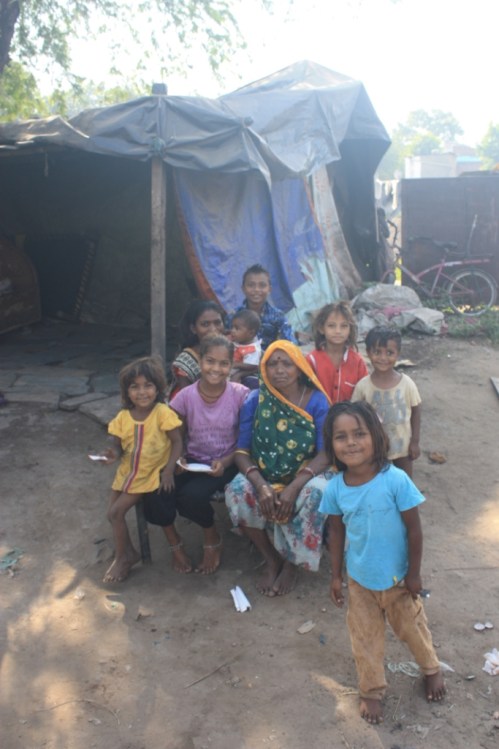
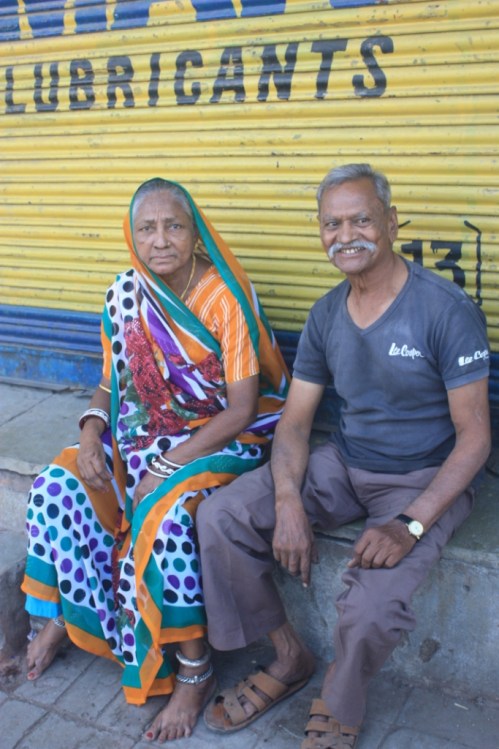
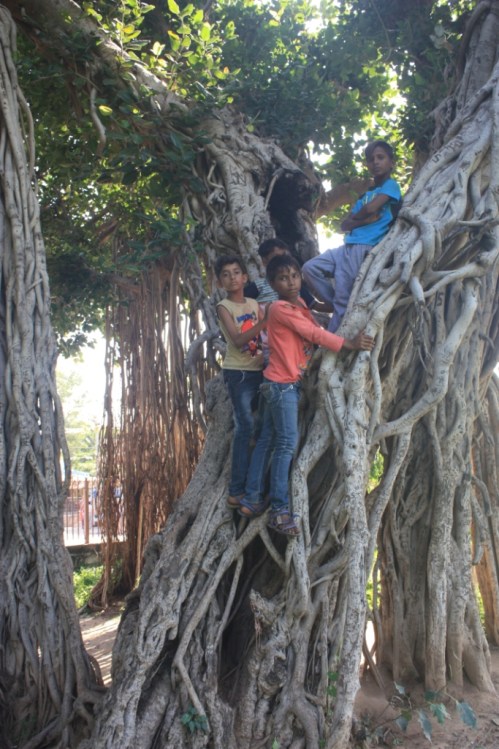
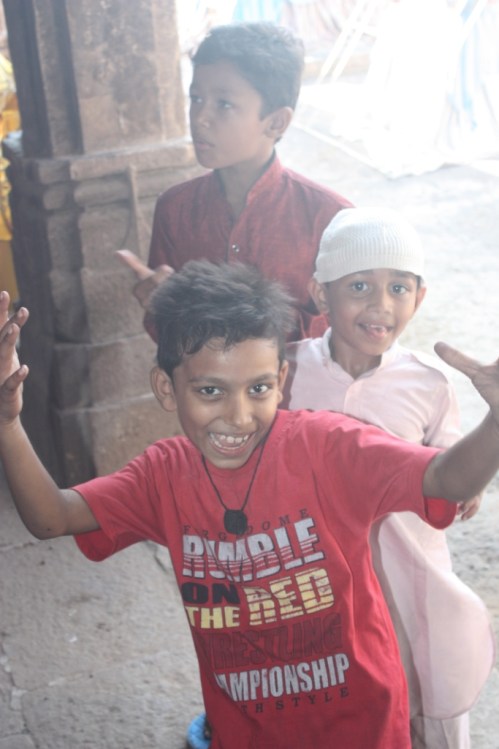
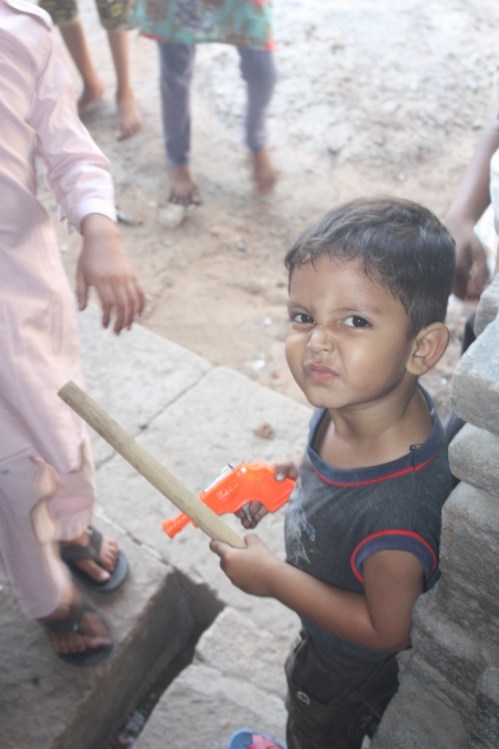
In Gujarat, I got a lot of request to pictures of people. As I can do no more than show them their pic on the back of my camera, I’ll place them here.


Mother & baby near Asarwa Lake


Near Hutheesing Jain Derasar


Near Hutheesing Jain Derasar


Near Hutheesing Jain Derasar


Near Delhi Darwaja


Near Delhi Darwaja


Near Asarwa Lake


Near Delhi Darwaja


Near Asarwa Lake


Idgah Road


Adalaj Vav banyan tree


Mughli Bibi’s Tomb


Mughli Bibi’s Tomb


Kids near Dandi Kuch Chowk

DAILY PHOTO: Scenes from a Fire Walk Festival

Taken on June 11, 2017 in Bangalore


Hanuman of the Sri Drowpathy Amman Temple


Devotees circumambulating the fire pit enclosure