


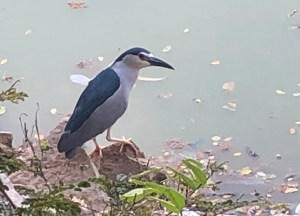
one hundred birds
 startle at my presence;
  one eyeballs me.

It thrives in silence and with calm --
   ephemeral and gossamer.
 It's ever-flowing harmony,
   gliding with a solitary crane,
   wisping like the gentle breezes
      that rustle and billow one's robe,
   trilling softly like a bamboo flute.
 How does one become one with it?
   A chance meeting, lucked into, but
      don't lunge forward, or it'll vanish.
 When you think it's attainable,
   it twists in your hand and is gone.
NOTE: The late Tang Dynasty poet, Sikong Tu (a.k.a. Ssŭ-k‘ung T‘u,) wrote an ars poetica entitled Twenty-Four Styles of Poetry. It presents twenty-four poems that are each in a different tone, reflecting varied concepts from Taoist philosophy and aesthetics. Above is a translation of the second of the twenty-four poems.
A practice of feeling gratitude is extremely beneficial in that regard. Simple meditative practices help one become aware of thoughts and feelings more quickly, before they are fed through rumination, making the down-spiral cycle easier to disrupt.
And, sometimes, I rant. This usually veers quickly into comedic territory and I’m reminded of the ridiculousness of taking human life too seriously, given the absurdity of being primates in pants who love shiny things. (It would be unimaginable if human life weren’t absurd.)
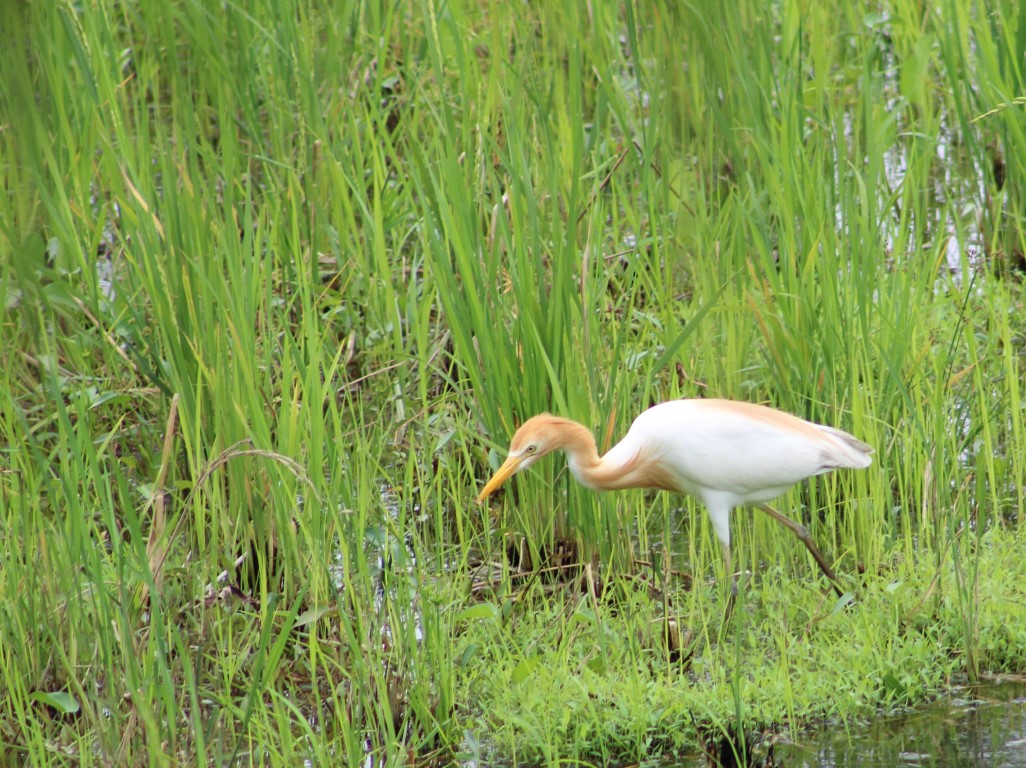
early summer:
 birds trudge through green paddies
  that they usually prowl.

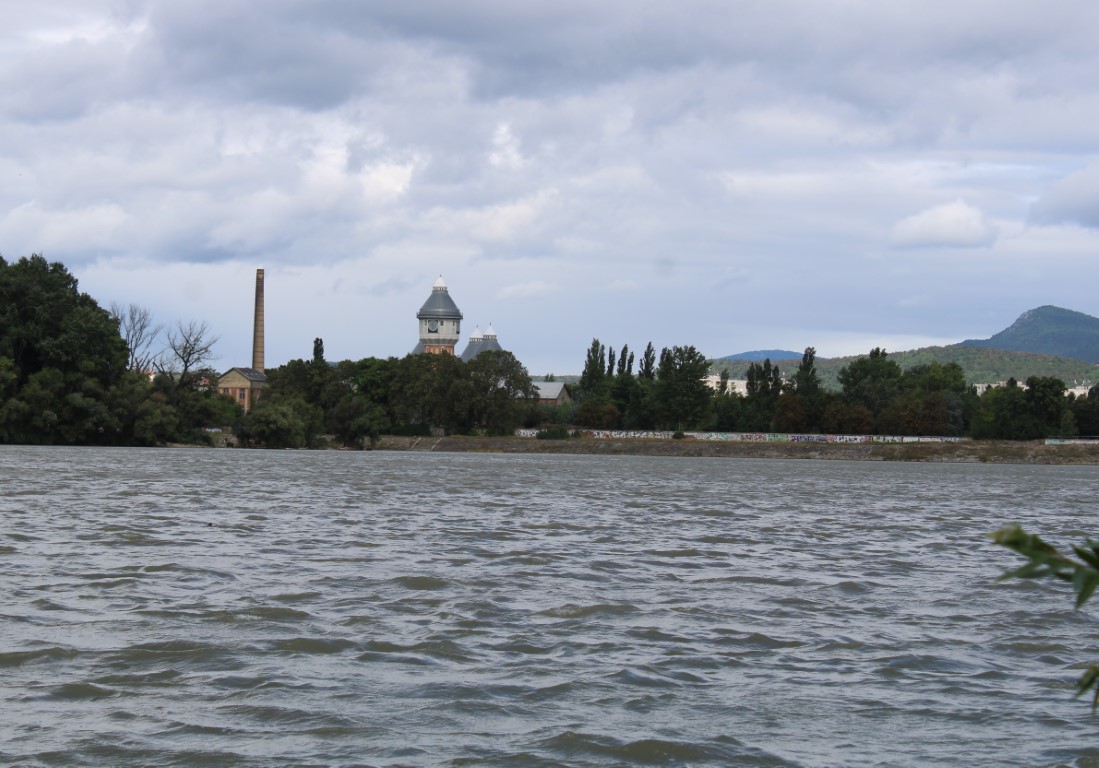
From the water's edge,
 I see the spastic, choppy
   topography of a river
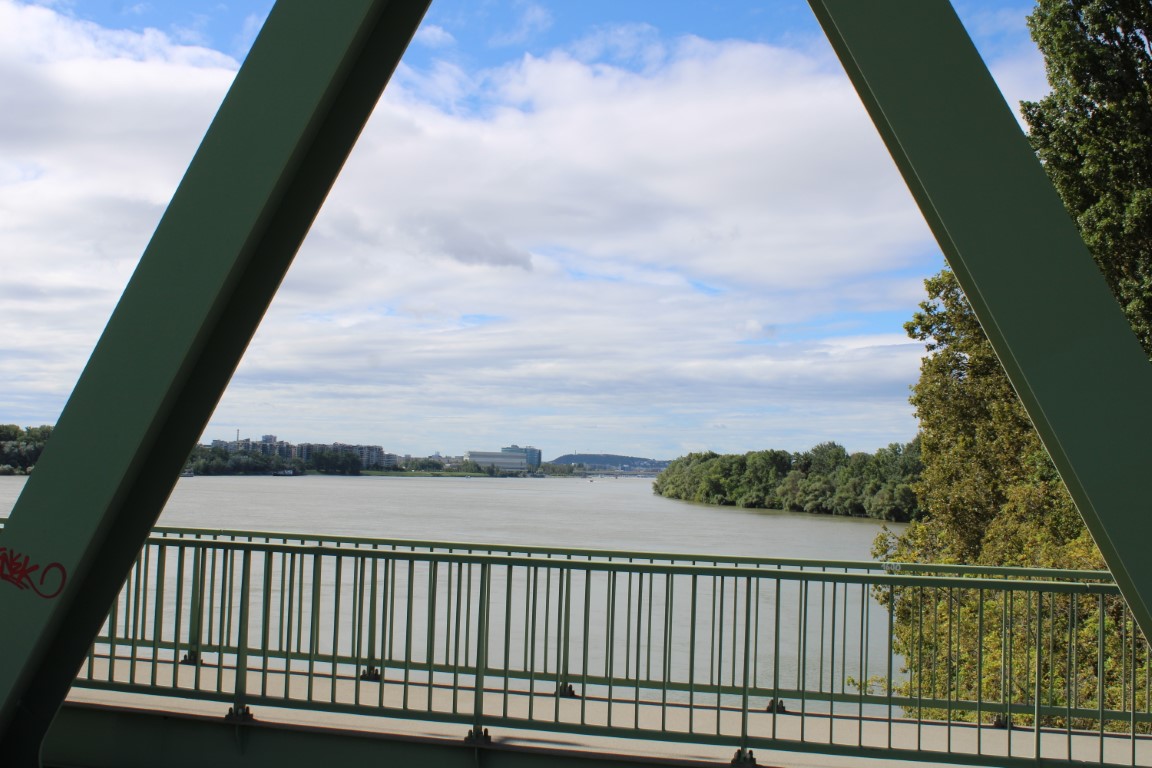
   that looked glassy
   from the bridge that
   spans it.

Is this one river?

Am I one traveler?
I
The grey sea and the long black land;
 And the yellow half-moon large and low;
 And the startled little waves that leap
 In fiery ringlets from their sleep,
 As I gain the cove with pushing prow,
 And quench its speed i' the slushy sand.

II
Then a mile of warm sea-scented beach;
 Three fields to cross till a farm appears;
 A tap at the pane, the quick sharp scratch
 And blue spurt of a lighted match,
 And a voice less loud, thro' its joys and fears,
 Than the two hearts beating each to each!
Any that I can. If I can’t, it’s probably a tedious work-a-day task that I’m trying to get through so that I can get back to activities in which I can lose myself.


