Accidental Travel [Sonnet]

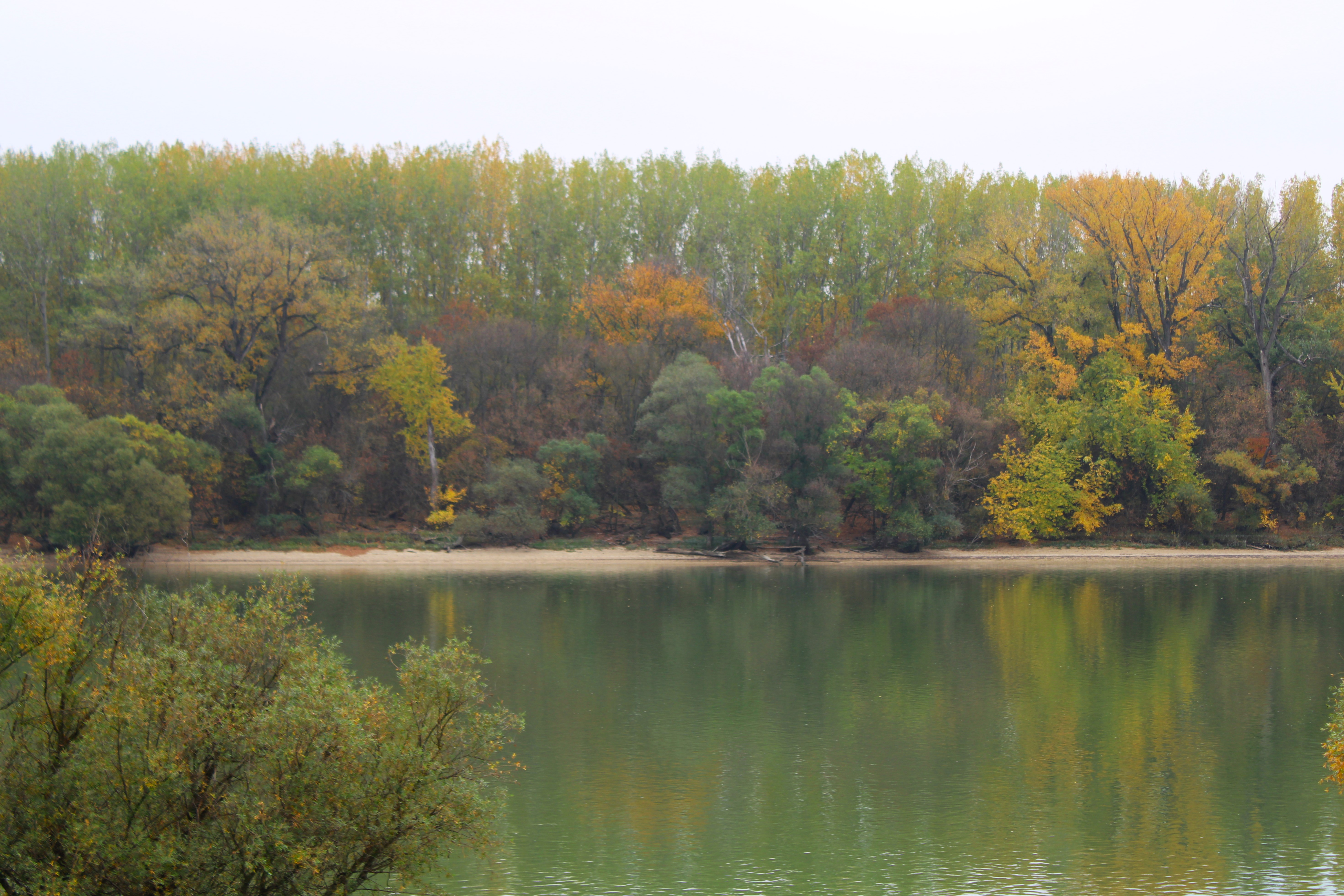
If you can follow rivers to the sea
by drifting without thrashing or grasping --
just let the flow take you upon a spree,
a spree of dunk and breathe, without gasping,

then you will witness all there is to know.
You'll see shaky shanties and vast estates,
the birds in flight and creatures: fast and slow,
the weeping willows, and fish tempting Fates.

If you can roll around the rocks -- always --
and never crack your head and silence all
the voices saying you've reached your end-days,
and never rush and never, ever stall...

If you can do all this and keep the flow,
it won't matter you don't know which way you go.

Shadow of Night [Haiku]

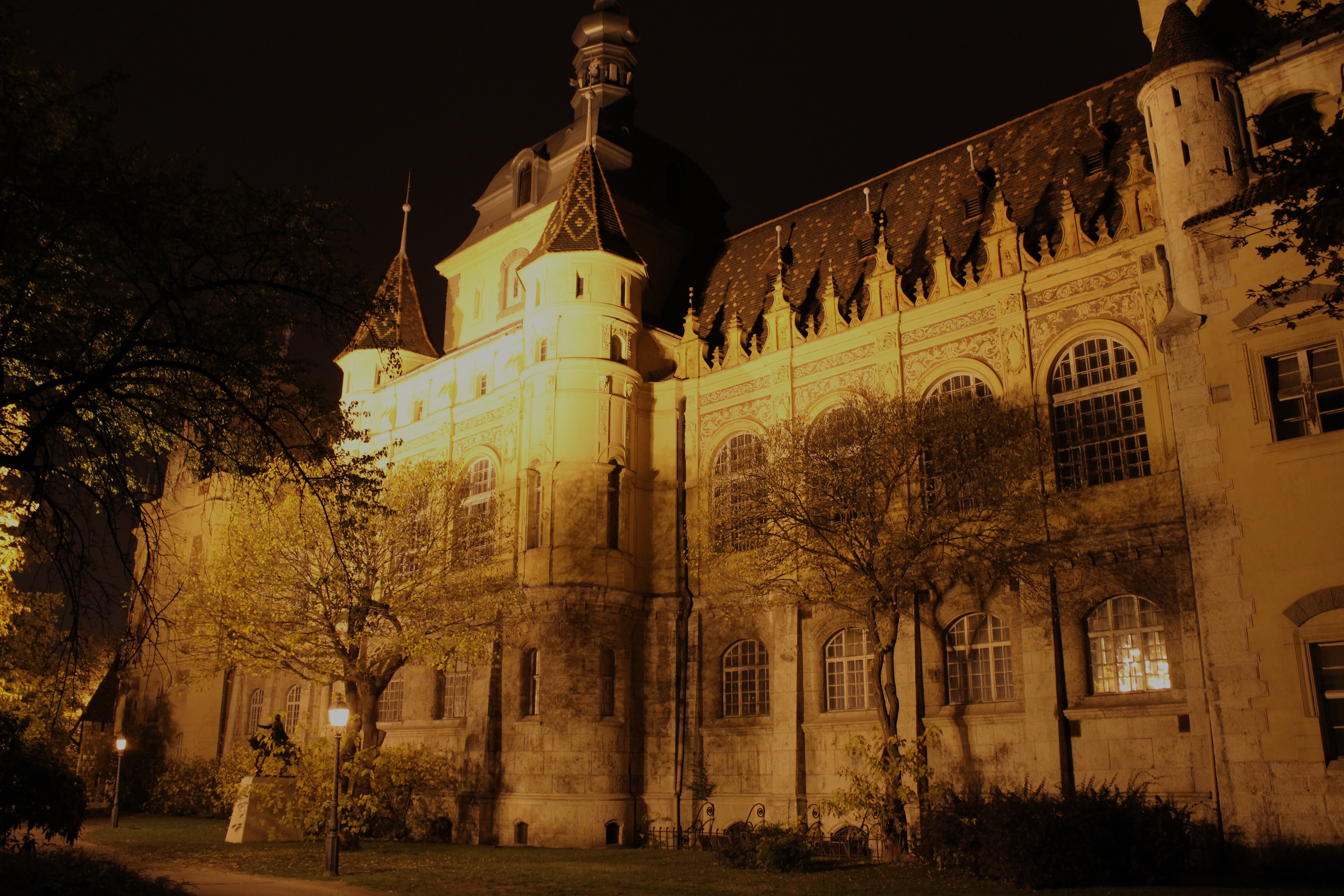
a park at night.
the shadows are darker
because of the light

BOOK REVIEW: The Art of the Tale by Steven James & Tom Morrisey

The Art of the Tale: Engage Your Audience, Elevate Your Organization, and Share Your Message Through StorytellingThe Art of the Tale: Engage Your Audience, Elevate Your Organization, and Share Your Message Through Storytelling by Steven James
My rating: 4 of 5 stars

Amazon.in Page

This is a fine book on storytelling, storytelling with a focus on business presentations and speeches. That said, this is a topic for which the market is glutted. There are many books available about storytelling, and while this one doesn’t distinguish itself by being exceptionally bad, neither does it distinguish itself as exceptionally good. It’s a decent book on storytelling, and if you’re interested in stories for work presentations or speeches and haven’t read other books on the subject, you might as well try this one. However, if you’ve studied up on the subject, I wouldn’t expect to discover anything profound or novel in this book.

The book does focus on some subjects more than do others. One of my favorite parts was chapter 11, “Warts and All…,” because it addresses an issue that books tend to overlook or gloss over, and that’s how to deal with the skeletons in one’s closet (or in the company’s closet.) It offers an intriguing look at the dark side of Henry Ford.

One of the strengths of this book is that it summarizes key lessons and repeatedly revisits core concepts (e.g. the StoryCube, which is these authors’ outline for presenting the fundamental elements of a story.) The book’s greatest weakness is probably oversimplifications and banal statements, particularly given that the authors critique the simplifying statements of others. For example, they offer a criticism of the common distinction between plot- and character-driven literature that misses that there is something fundamentally different between Joyce’s “Ulysses” and “The Hunger Games” that is worth understanding, and – to the degree their criticism is true – much of this book could be similarly criticized as oversimplification or false dichotomization / categorization.

Reading this book helped me think about the subject of storytelling, particularly the non-written variety of story, but I can’t say there was anything groundbreaking or of unmatched profundity.


View all my reviews

DAILY PHOTO: A Castle at Night

BOOK REVIEW: Rivers of Babylon by Peter Pišťanek

Rivers of Babylon (Rivers of Babylon, #1)Rivers of Babylon by Peter Pišťanek
My rating: 5 of 5 stars

Amazon.in Page

This is a Horatio Alger story (rags-to-riches) done Slovak style, which is to say it’s decidedly more edgy and gritty than the typical American version would be. The protagonist’s success is not solely the result of hard work and determination, but also a nasty temper, a capacity for brutality, and an unstudied skill for reading and manipulating people (despite a lack of education or intellectual acumen.)

Rácz (the story’s lead) returns home to his village from military service believing that he has a modest inheritance coming his way, only to discover that some members of his extended family absconded with his deceased parent’s savings. The father of Rácz’s sweetheart recommends that Rácz go to the big city [Bratislava] to earn some quick cash because the father can’t very well marry his daughter off to a destitute young farmer. Rácz does go to Bratislava and happens to sit down in a dinner next to an old man who is looking for his own replacement to run the central heating system for a block that is dominated by a high-end hotel catering to foreign visitors as well as some mostly luxury shops and businesses. It’s not a prestigious job, essentially a furnace stoker, but the pay is not bad and most people treat the stoker pretty well because they’re scared of having their heat go out in the winter – except the hotel manager, who is a bully. Rácz has his “Falling Down” moment after being tormented by the Manager, and his burst of anger — and the realization that he can control the hotel and all that’s around it by blackmailing everyone to keep the heat working — starts him down a path that will result in his rise to gangster-king status.

The book is humorous throughout, though it’s largely black humor. As for trigger warnings: the book includes acts of rape and kidnapping. Rácz does have a kind of moral compass, and one does see where his limits lie and the ethical rules he applies, but that moral compass is wildly off-kilter in comparison to most of society. I found the psychology of Rácz and other main characters (e.g. Video Urban, a character who is far more street smart than Rácz, but not as capable of brutality) to be intriguing, and the book offers a vision of what made the Soviet leader’s tick. [The era seems to straddle the fall of Communism as a shift to privatization takes place in the book’s latter half.]

If you’re interested in Slovak literature or gangster literature or both, I’d highly recommend this book.


View all my reviews

Rivers Merge [Free Verse]

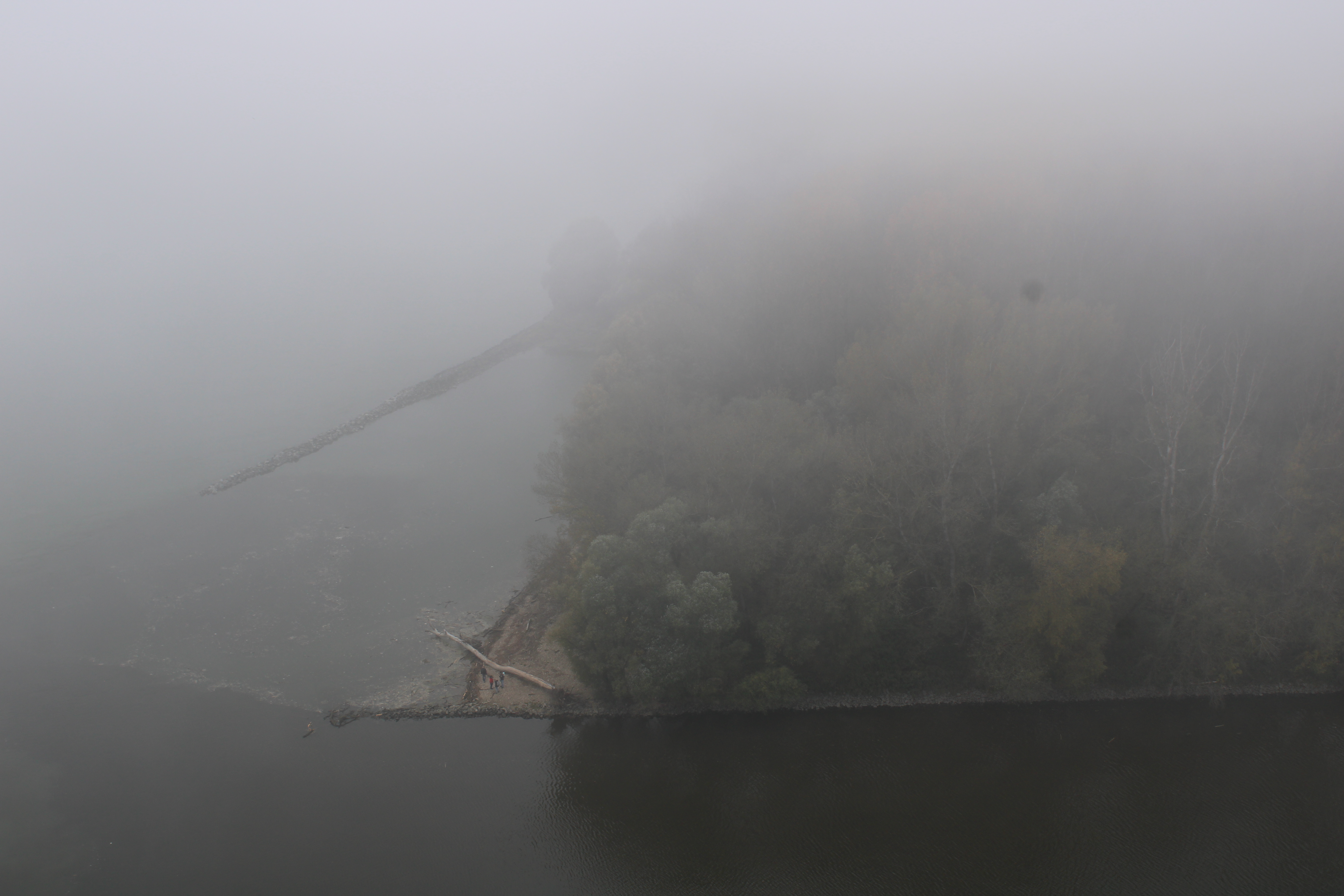
Rivers merge.

Trees may fork,
but rivers merge.

True, sometimes rivers split
to form an island,
and when they near the sea
they may branch out 
like the roots of a tree.

How the river knows 
it's near the sea
is unclear to me,
but it is the river's nature.

As is the tendency 
of rivers to merge
toward unity of flow.

But what is my nature? 

DAILY PHOTO: Klotild & Matild Palaces

These twin buildings, seen from Ferenciek tere [Franciscan’s Square,] were built in 1902 and were commissioned by Princess Klotild [daughter-in-law of Archduke Joseph] and were designed by Floris Korb and Kalman Giergl. In the background are the Elisabeth Bridge [Erzsébet híd] and one spire of the Inner-City Our Lady of the Assumption Church [Budapest-Belvárosi Nagyboldogasszony Főplébánia-templom.]

BOOK REVIEW: Atlas of Improbable Places by Travis Elborough

Atlas of Improbable Places: A Journey to the World's Most Unusual CornersAtlas of Improbable Places: A Journey to the World’s Most Unusual Corners by Travis Elborough
My rating: 4 of 5 stars

Amazon.in Page

This book has entries on about fifty odd and off the beaten path locations. These locales are grouped into six parts that explore: “utopias,” abandoned places, bizarre architecture, islands, otherworldly destinations, and subterranean attractions.

There’s a standard set of graphics for each entry that include: a map that shows where in the world the place is, a photograph at that place, and a closeup map of the site’s immediate environs. The text describes a little about the history of each place and any quirky facts of relevance (such as how a location came to be abandoned.) The text also helps to clarify definitional issues such as what kind of utopian vision was being sought-after for the various [arguably] failed utopias of the first section.

I enjoyed this book. I’ve only visited two of the sites in the atlas (Ross Island and Auroville,) and I’m always excited to learn about more strange and unconventional destinations. I felt the atlas did succeed by presenting so many places I’d not only not visited, but about which I’d not even heard. (There are locations like Puerto Princessa [under-island river in the Philippines], Aokigahara [Japan’s suicide forest,] and “the Palm” [Dubai’s artificial islands] that are well-known to geography buffs, and many of the lesser-known sites are quirky tourist traps (Ten Commandments Mountain in North Carolina,) but –still — there are some fascinating but little-known locations in the book.) There is a disproportionate coverage of North American and European locations, presumably because that’s where the market for English language books disproportionately lies, and little coverage of African or South American locations.

If you’re into strange and remote travel locations, you may want to have a peek at this book.


View all my reviews

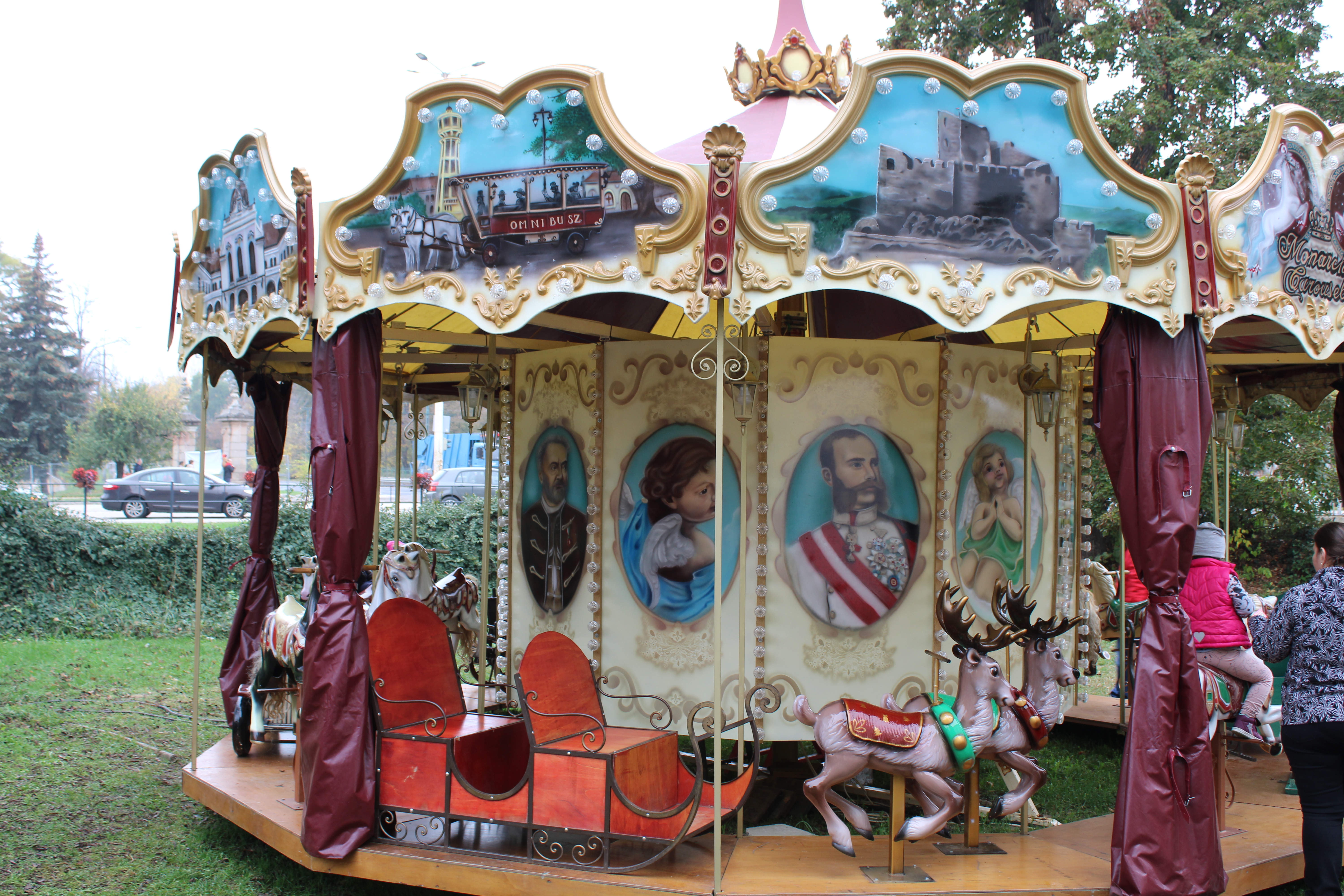
DAILY PHOTO: Scenes from Gödöllő Christmas Market