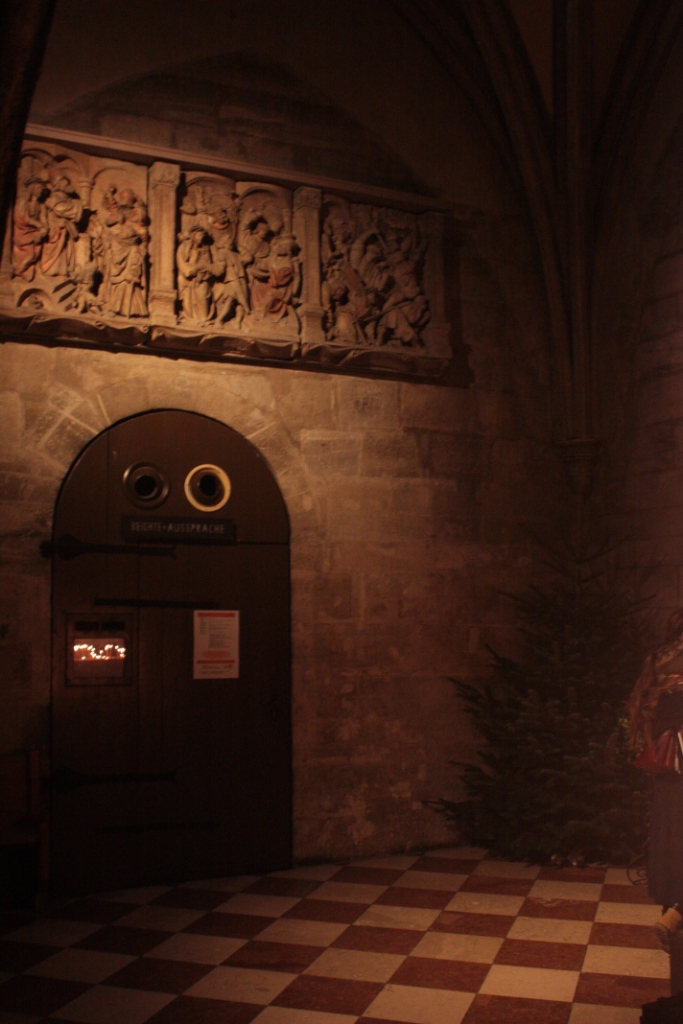
DAILY PHOTO: Confessional in St. Stephen’s

Inside St. Stephen’s Cathedral in Vienna in December of 2016

BOOK REVIEW: Introducing Jung: A Graphic Guide by Maggie Hyde
Introducing Jung: A Graphic Guide (Introducing...)Introducing Jung: A Graphic Guide by Maggie Hyde
My rating: 4 of 5 stars

Amazon.in Page

I find Jung’s ideas fascinating. Don’t get me wrong; I don’t believe most of said ideas have scholarly merit, but they’re brilliantly creative and eccentric. Some will say this would’ve been a radically different book if it’d been written by a psychologist or the like (rather than by an astrologer.) I don’t disagree. It’d likely have focused more on his work in personality types and on the unconscious mind (i.e. the work that people in psychology still talk about, whether they like it or not,) and also probably would’ve barely footnoted his ideas about “the uncanny,” synchronicity, and astrology. In short, its priorities would’ve been reversed, and it’d be a book that’s more boring but more relevant to those who are interested in Jung’s long-run influence on psychiatry / psychoanalysis.

For my purposes, I prefer the book as it is. I shouldn’t give the false impression that the author only addresses Jung’s mysticism, or that she completely avoids pointing out where Jung’s ideas were controversial and what critiques were leveled against him. The book comes across as a serious description of Jung’s work (albeit focusing relatively intensely on dream analysis, collective consciousness, and the more out-there aspects of his work.) I will say, I’ve read a few books from this series now, and Hyde does seem more a cheerleader (less a dispassionate scholar) than most of the other authors. It’s fascinating to read about Jung’s criticism of Freud. Don’t get me wrong, I’d agree that Freud was sex-obsessed, but Jung’s accusations of Freud being too concerned with one ill-supported idea does create a bit of a pot / kettle situation.

I enjoyed this book. I found the descriptions of Jung’s ideas compelling, if unpersuasive. However, I’d argue that if you specifically want to know about what ideas are still being talked about in classrooms (mainstream, not the New Age-y ones,) there’re probably better books. However, if you’re curious about Jung the mystic, this is a great place to start.


View all my reviews

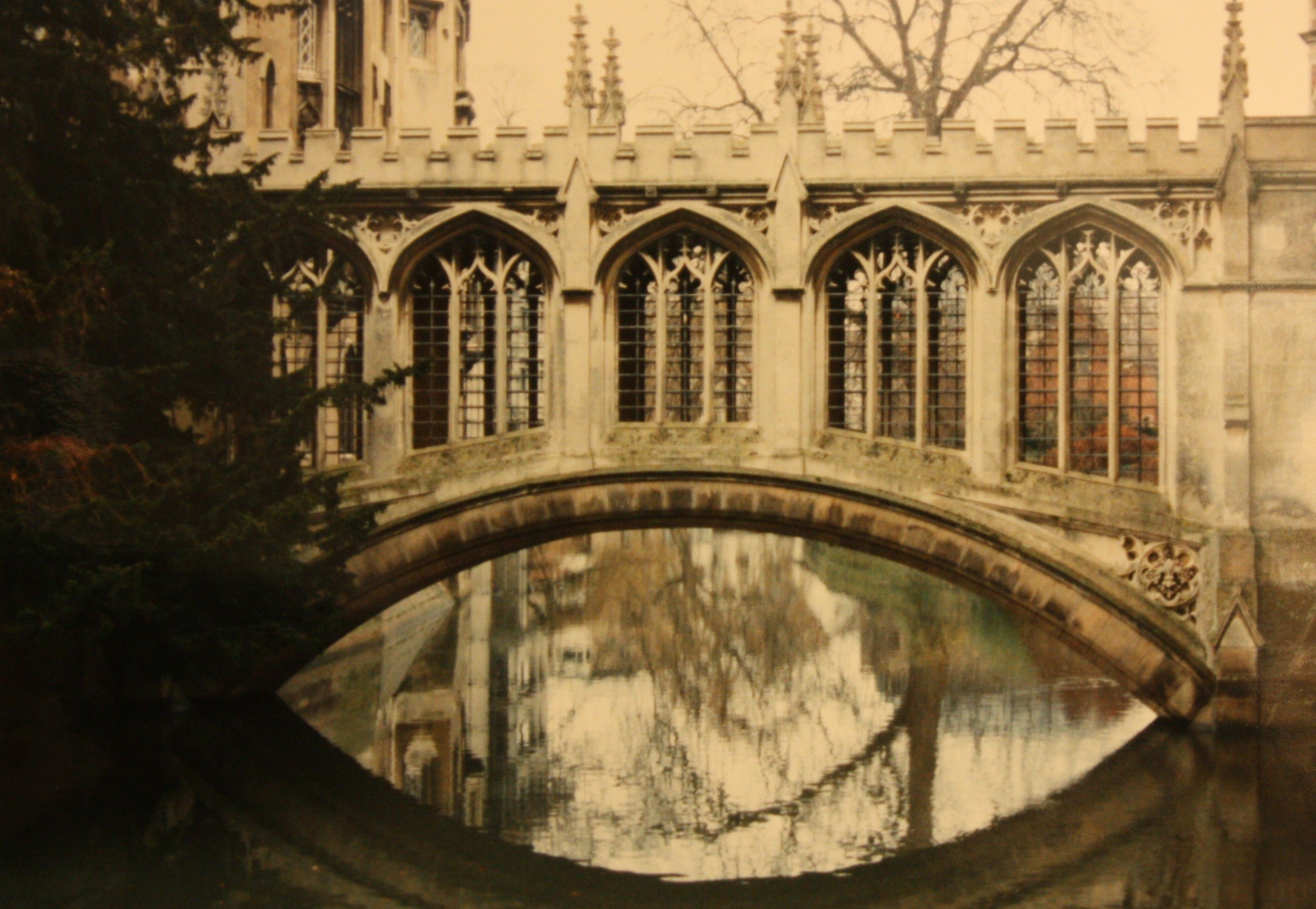
Cambridge Limerick

There was an outlandish student of Cambridge
who only had space for the tiniest fridge.
It all had to go -
milk and meat in the snow.
Turns out he liked his gin chilled just a smidge.
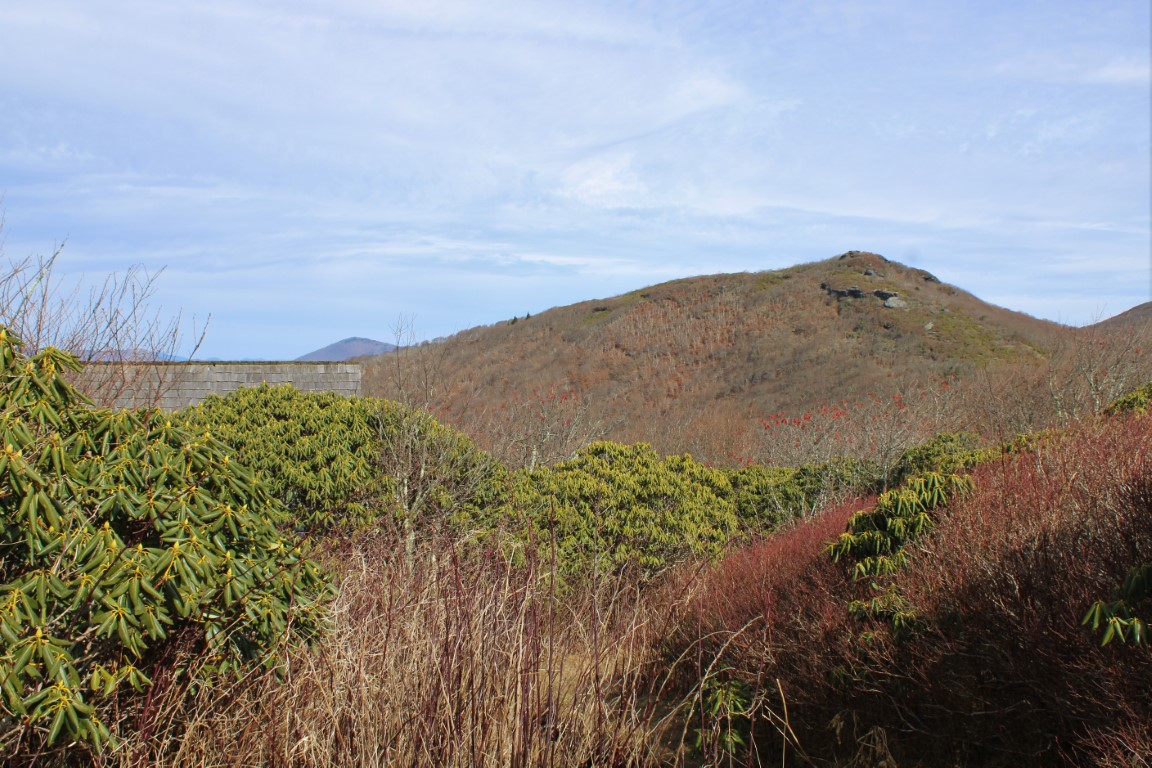
DAILY PHOTO: Rhododendrons & Ridges, Appalachia

Taken in November of 2021 in North Carolina

Bishkek Limerick

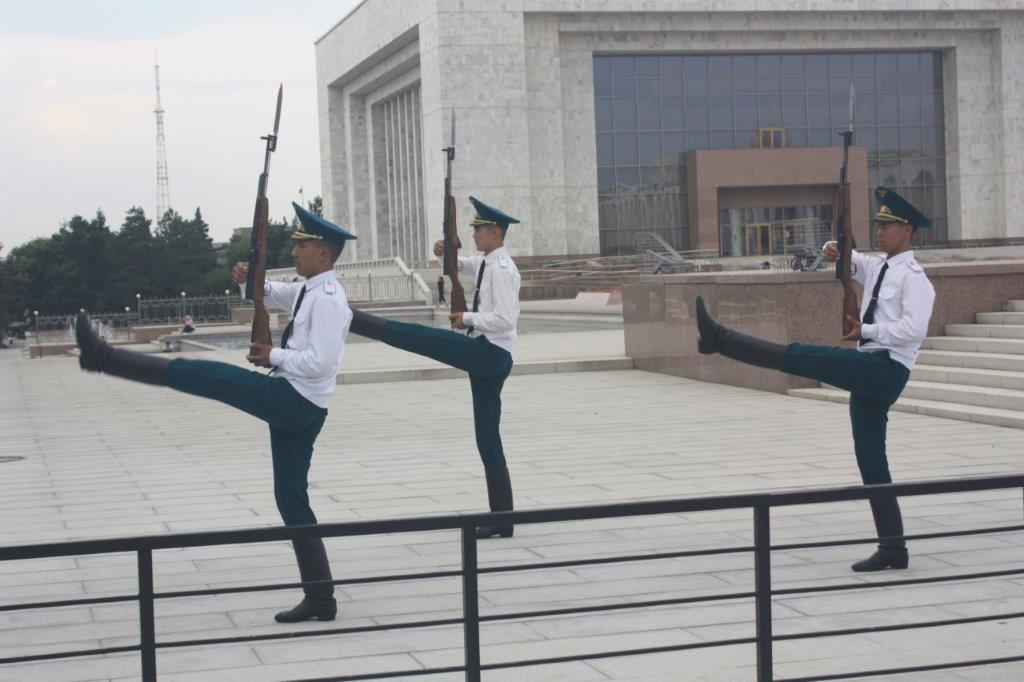
There was a diligent soldier from Bishkek
whose boots never saw as much as a speck,
but marching to the flagpole
he showed scuffs on the sole,
and the Sergeant said, "Your uniform 's a wreck!"
One Rumpled Flower [Haiku]

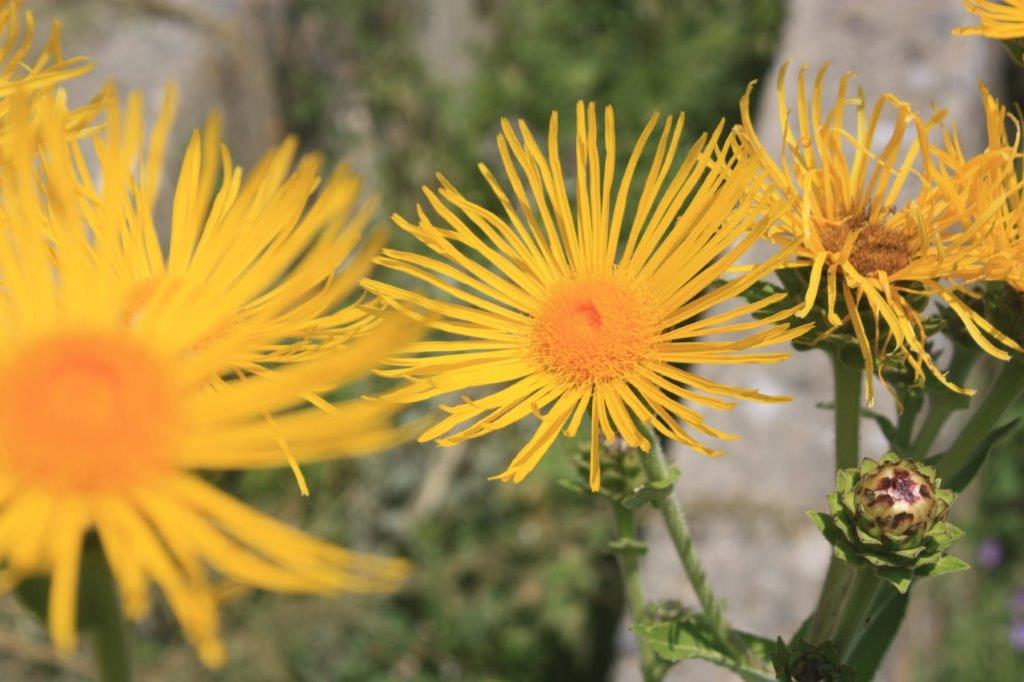
one flower
stands, rumpled & in the rear,
but is just as bright
Sunlit Whitewater [Haiku]

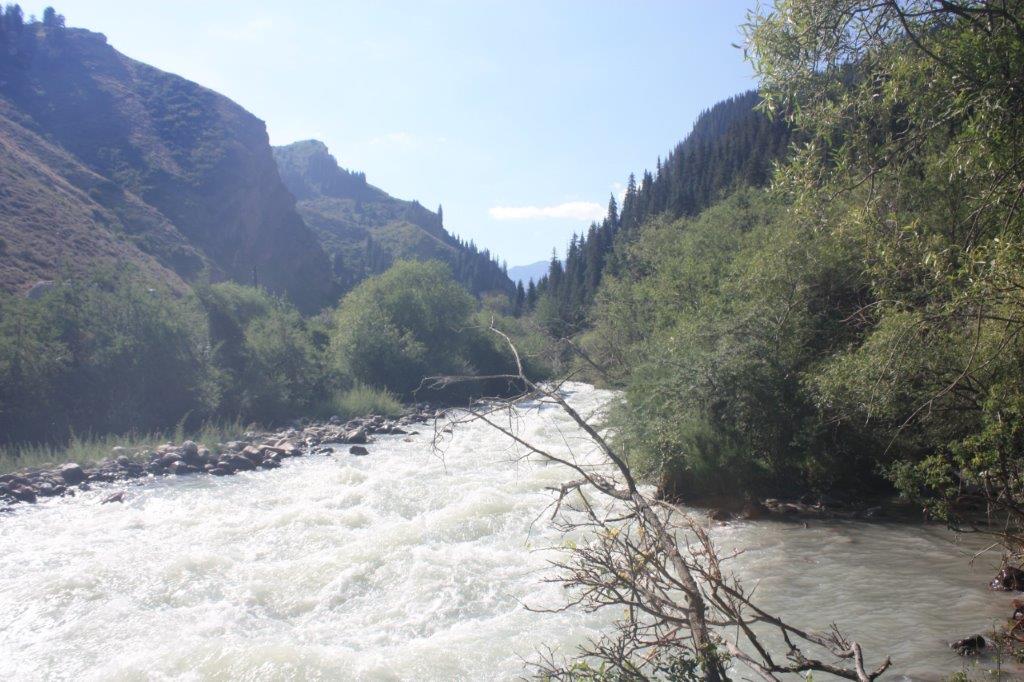
the river churns;
lit by the mid-day sun --
its foam glows
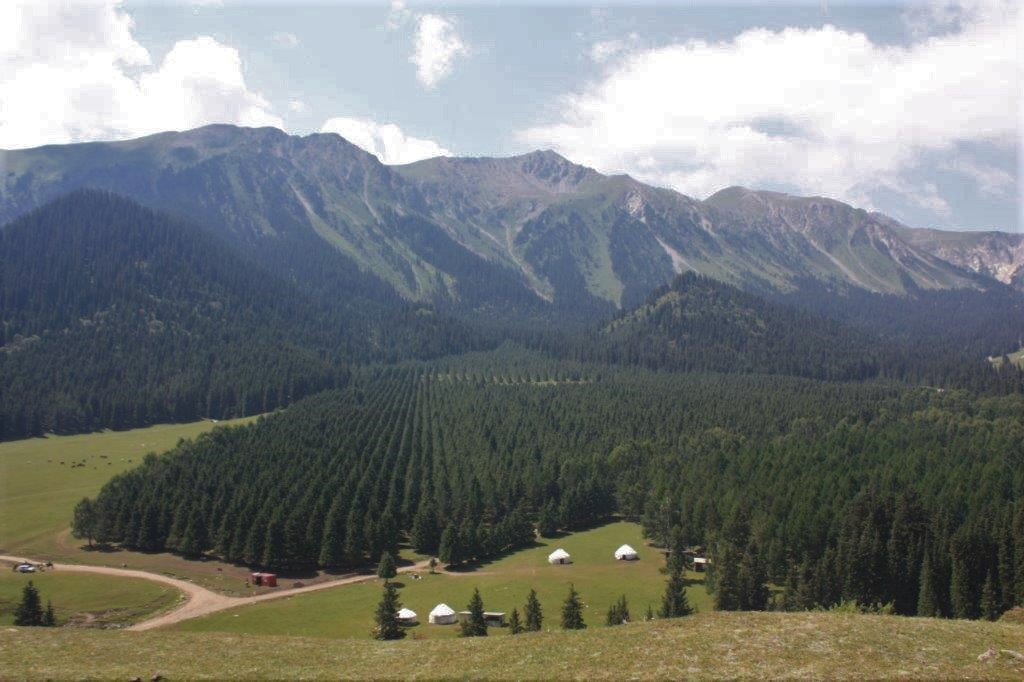
DAILY PHOTO: Jeti-Ögüz Pine Grove

Taken in the summer of 2019; Jeti-Ögüz

BOOK REVIEW: Angels: A Very Short Introduction by David Albert Jones
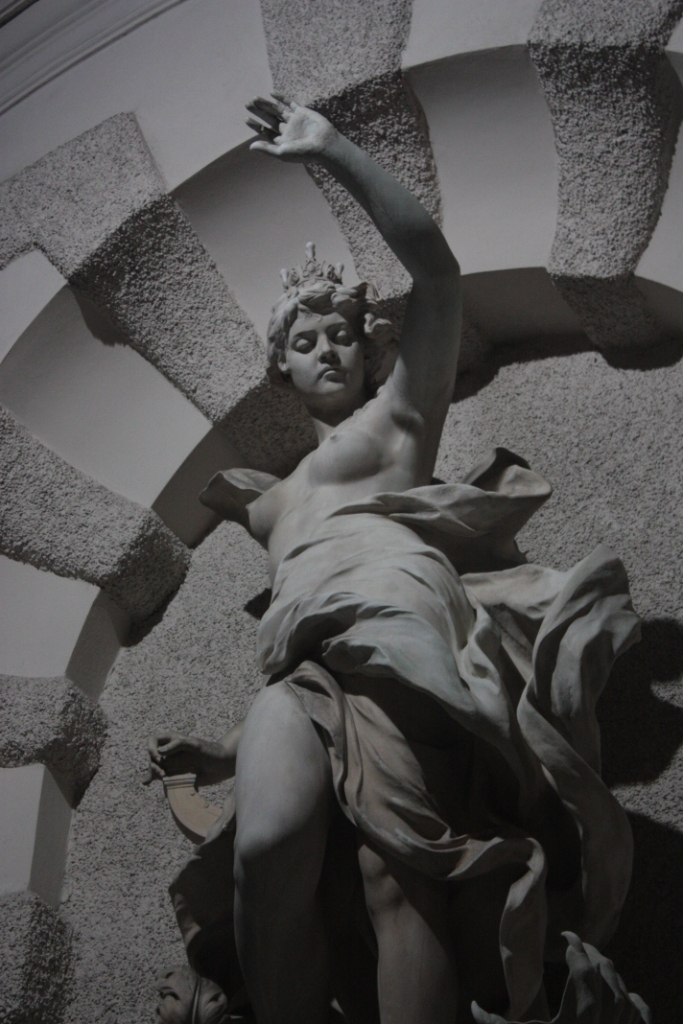
Angels: A Very Short IntroductionAngels: A Very Short Introduction by David Albert Jones
My rating: 5 of 5 stars

Amazon.in Page

This book offers an overview of angels in the Abrahamic religious traditions (i.e. Judaism, Christianity, and Islam.) [It does take a quick dip into angel-like beings from other religious traditions – e.g. Hindu and Parsi – but generally comes down on the side of it doing a disservice to everybody to equate such beings across mythological traditions – with the possible exception of the New Age angel which is predominantly an offshoot from Abrahamic mythology.] The book considers the evolution of theological thinking on angels: how they’ve been portrayed in art; what they are [made of;] what their purposes are (i.e. messengers, healers, guardians, warriors, etc.;) and, occasionally, how they play into popular culture.

I took away a great deal from this book. For example, I learned about the differences between the djinn of Islam mythology and demons of Judeo-Christian mythology, and the theological underpinnings of this difference (i.e. Muslims do not believe angels have free will, and thus angels can’t be fallen, and so the djinn are a separate entity altogether [rather than being fallen angels.]) I found the book to be readable, interesting, and balanced in its approach to the topic. If you’re looking to learn more about how angels (and related beings, e.g. fallen angels / demons) have been treated by thinkers of various ages, without getting deep into the minutiae, this is a fine book to consider.


View all my reviews

Jacob’s Ladder [Free Verse]

I'm dripping into midnight --
my world has disappeared.

My eyes crack to light and life,
but I forgot to hear --
remembering, 
the silence is broken 
& I hear a rhythmic clack.

But I can't help but wonder,
where it is that I'm at?

I'm at the bottom of a wooden staircase,
too steep to be sound,
looking up until perspective
makes the case vanishingly thin.

Should I climb the staircase?

What else can I do?

Will I wake
half way up,
and find myself
in the blue?

The laws of dreams force my hand,
I can't stand paralyzed,
and I'm halfway to infinity
by means that I know not. 

And I'm thinking of the line from that 
children's prayer:
"If I should die before I 'wake,"
and I think:

"What the hell is wrong with parents?"
that's the thought upon which you're going
to leave with your child
to "go to sleep?"

And you're wondering why the 
kid is up all night?

Because dying in one's sleep
doesn't start to seem
like a fine prospect
until one is an octogenarian. 

And so I sleep...