“Cleansed” [Poetry Style #7] by Sikong Tu [w/ Audio]

It's as if ones gone mining --
From lead, silver refining.
That's how one cleanses a heart:
With pure love, not pining.

Like a pond from Spring rainfall:
Mirror to heavens and all,
Without defect of image --
True as the moon's bright, white ball.

Stargazing across night skies;
Singing songs of hermits, wise;
The water flowing today
Will know that bright moonrise.

NOTE: The late Tang Dynasty poet, Sikong Tu (a.k.a. Ssŭ-k‘ung T‘u,) wrote an ars poetica entitled Twenty-Four Styles of Poetry. It presents twenty-four poems that are each in a different tone, reflecting varied concepts from Taoist philosophy and aesthetics. Above is a crude translation of the seventh of the twenty-four poems. This poem’s Chinese title is 洗炼, and it has been variously entitled: “Clean,” “Refining,” and “Wash — Smelt.”

“Cicada’s Cry” by Matsuo Bashō [w/ Audio]

the stillness --
soaking into stones
cicada's cry

Translation from: Higginson, William J. 1985. The Haiku Handbook: How to Write, Share, and Teach Haiku. Tokyo: Kodansha Int. p. 11

“Ancient” [Poetry Style #5] by Sikong Tu [w/ Audio]

Immortals ride truth
With lotus in hand,
As chaos unfolds
Unlogged above land.

Moonrise in the East
As good winds are fanned.
Hill shrine in blue night,
Bell rings clear and grand.

The god is now gone
Beyond border lands
Huangdi* is not there
Great Age to wasteland.

NOTE: The late Tang Dynasty poet, Sikong Tu (a.k.a. Ssŭ-k‘ung T‘u,) wrote an ars poetica entitled Twenty-Four Styles of Poetry. It presents twenty-four poems that are each in a different tone, reflecting varied concepts from Taoist philosophy and aesthetics. Above is a crude translation of the fifth of the twenty-four poems. This poem’s Chinese title is 高古 (Gāo Gǔ,) and it was translated as “Height – Antiquity” by Herbert Giles.

*Huangdi is a name for the Yellow Emperor that is more syllabically friendly than “Yellow Emperor.” In a great oversimplification for the sake of speed and alignment of context, the Yellow Emperor was China’s King Arthur — a mythical leader of great virtue and heroism. The Tang emperors tried to trace lineages back to the Yellow Emperor, but such imagined linkages to the perfect leader are hard to maintain when an Emperor like Xuanzong crashes the ship of state.

“Swordsman” by Jia Dao [w/ Audio]

Ten years honing this fine blade,
And it has not drawn blood.
Now, you'll see of what we're made:
Who, wronged, is owed in blood?

The Original: 劍客: 十年磨一劍, 霜刃未曾試. 今日把示君, 誰有不平事.

“Slender” [Poetry Style #3] by Sikong Tu [w/ Audio]

Picking, picking where water flows
From a distant fountainhead.
Moving up the narrow valley,
One may see a stunning beaut.
Peachtrees laden with ripe fruit
As breezes blow by the water
And willows wind along the stream,
While warblers consult with branch-mates.
The more one walks, the more Truth joins,
And more Truth may reveal the Way.
If this world is without end,
The old must be made new again.

NOTE: The late Tang Dynasty poet, Sikong Tu (a.k.a. Ssŭ-k‘ung T‘u,) wrote an ars poetica entitled Twenty-Four Styles of Poetry. It presents twenty-four poems that are each in a different tone, reflecting varied concepts from Taoist philosophy and aesthetics. Above is a crude translation of the third of the twenty-four poems. This poem’s Chinese title is 纤秾. Giles translated the title as “Slim — Stout” and it’s also been translated as “Delicate – Rich.”

“Picking Mulberries” by Ouyang Xiu [w/ Audio]

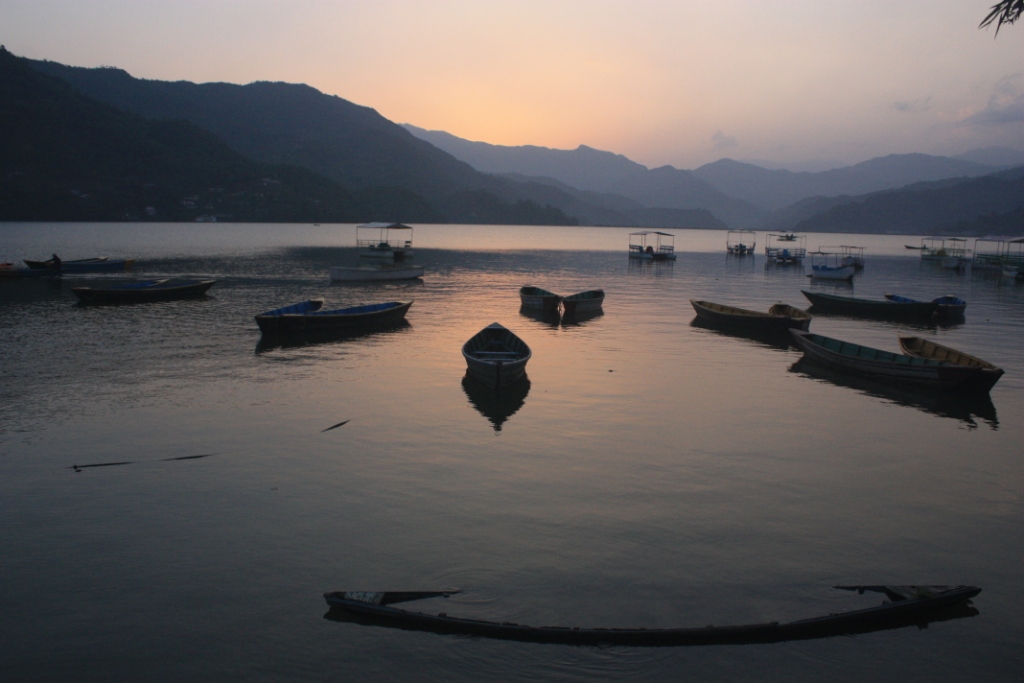
Adrift on West Lake in a wine-laden, colorful skiff:
As flutes play fast and lutes, deftly
And a jade cup circuits swiftly,
The boat's calm rocking lulls the drunk into sleep.

Thin clouds seem to float right under the rudderless boat.
The water's blue matches the sky's,
As lake to sky and back move eyes,
"Do the clouds above match those that in the water float?"

“Fluid” [Poetry Style #24] by Sikong Tu [w/ Audio]

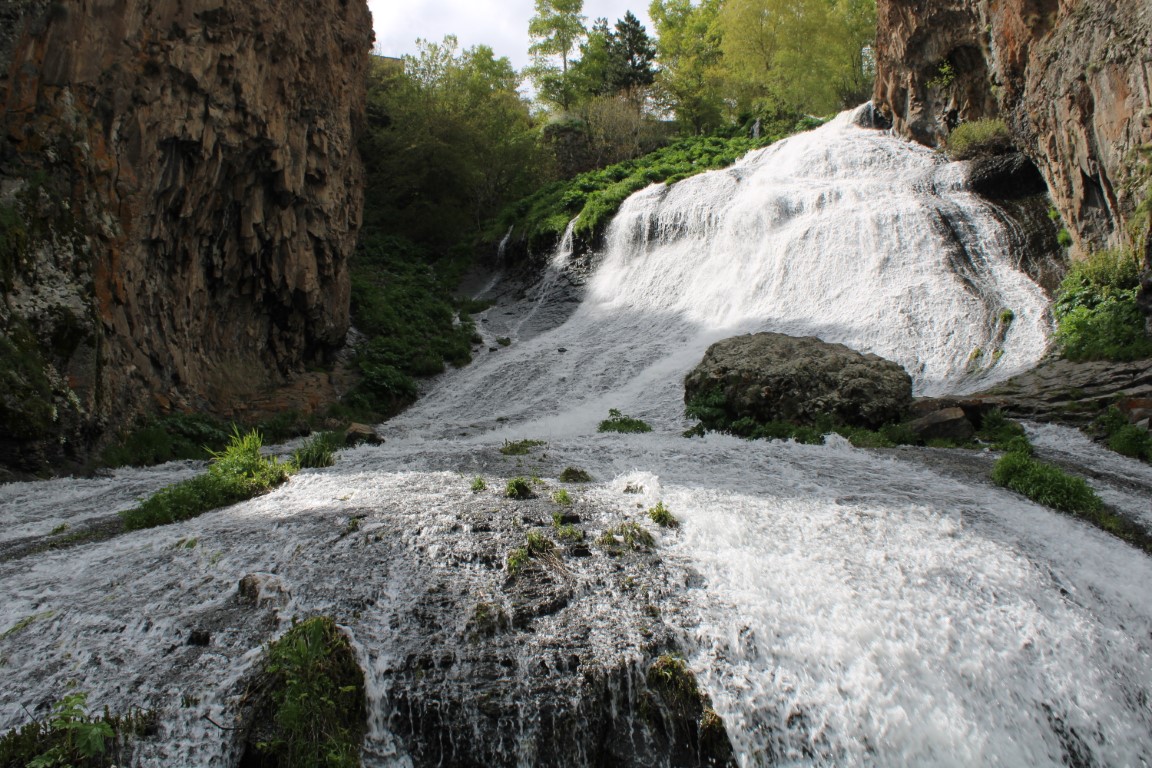
Like water spilling over rocks?
Like a bead's roll across the floor?
Cliches, they fail to tell the story,
As no doll shows life's splendor.
But the Earth' unsupported spin through space,
As the heaven's pivot and sprawl for more...
If you could find how it all began,
You'd see it'll be as it was before.
The high and bright realm of the gods
Returns to nothing and nevermore.
And if you lived ten-thousand years,
You might find yourself in days of yore.

NOTE: The late Tang Dynasty poet, Sikong Tu (a.k.a. Ssŭ-k‘ung T‘u,) wrote an ars poetica entitled Twenty-Four Styles of Poetry. It presents twenty-four poems that are each in a different tone, reflecting varied concepts from Taoist philosophy and aesthetics. Above is a translation of the twenty-fourth of the twenty-four poems. This poem has been alternately titled “The Flowing Style,” “Fluid,” “Motion,” etc. by varied translators from its Chinese title of 流动.

“Goose Chant” by Luo Binwang [w/ Audio]

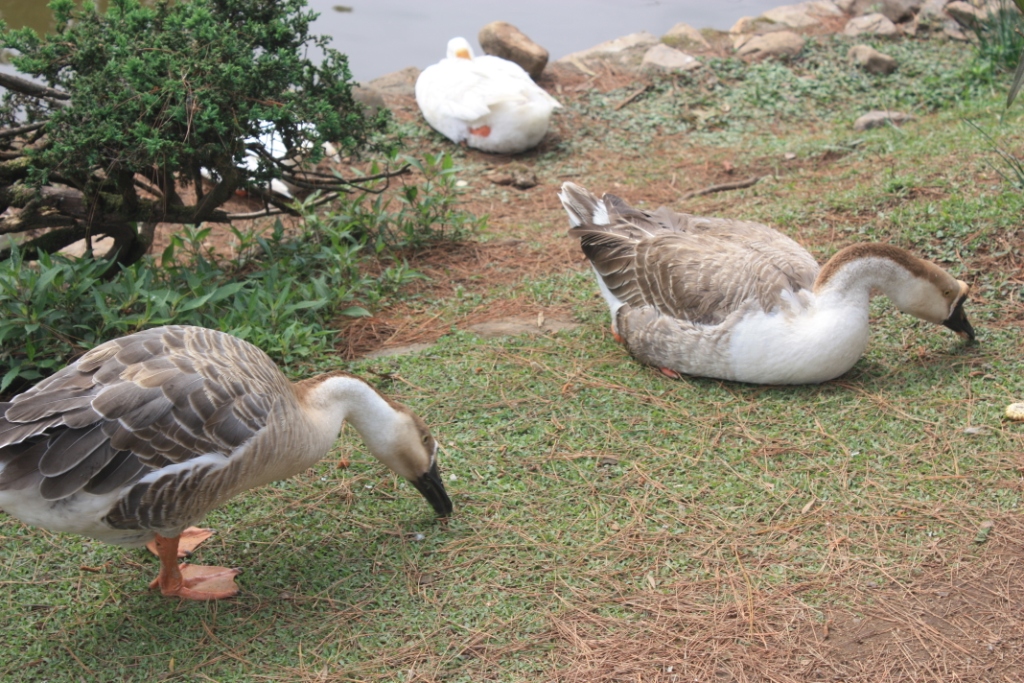
Goose, Goose, Goose,
Look skyward and let your song loose.
White feathers float on the green lake
As red feet paddle through clear waves.

NOTE: This poem’s title is often translated as “An Ode to the Goose” but the Chinese title 咏鹅 (Yǒng é) is “Chant[ing] Goose.”

“Feeling for the Farmers” by Li Shen [w/ Audio]

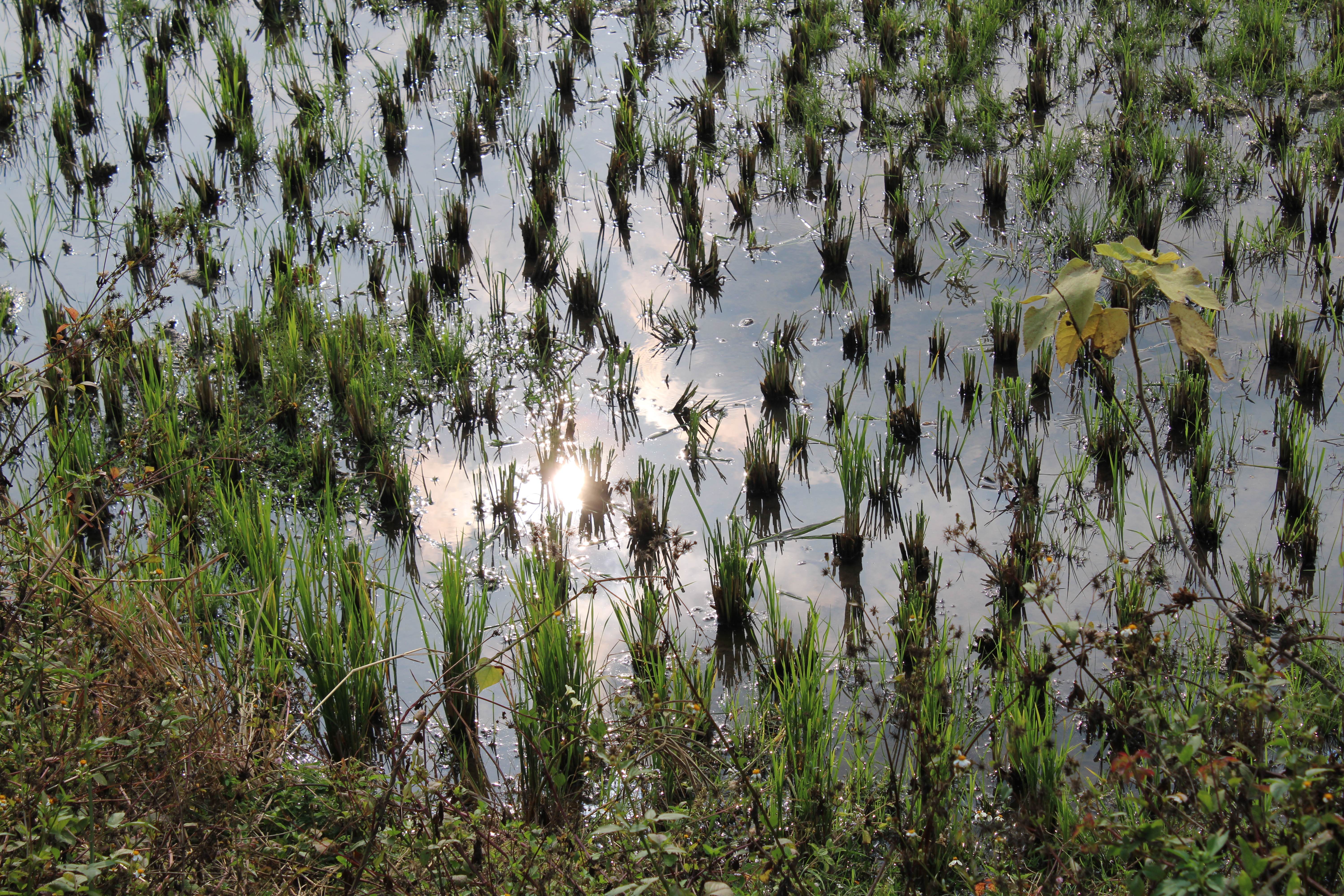
Hoeing farmer, as heat haze roils,
His flowing sweat waters the soil.
All those who know food on a plate
Should feel each grain comes of that toil.

NOTE: The title of this poem (悯农, or Mǐn Nóng) is often translated as “Toiling Farmers,” though “Compassion for Farmers” or “Pity Farmers” would be closer to the literal translation.

“Abstract” [Poetry Style #22] by Sikong Tu [w/ Audio]

Lonely and longing to travel;
All alone and lacking a tribe.
Like the crane up on the mountain,
Or the cloud that enshrouds its peak.
Like the portraits painted by past
Masters, of souls you couldn't have known.
Like a leaf drifting on swift winds,
Bounding through the boundless spaces.
You'll never be able to hold it,
But can hear the song it dances to,
Those who accept this can tune in,
And the signal will only get stronger.

NOTE: The late Tang Dynasty poet, Sikong Tu (a.k.a. Ssŭ-k‘ung T‘u,) wrote an ars poetica entitled Twenty-Four Styles of Poetry. It presents twenty-four poems that are each in a different tone, reflecting varied concepts from Taoist philosophy and aesthetics. Above is a translation of the twenty-second of the twenty-four poems. This poem has been alternately titled “Abstraction,” “Elegance,” and “Drifting Aloof” by varied translators, but its original title is 飘逸.