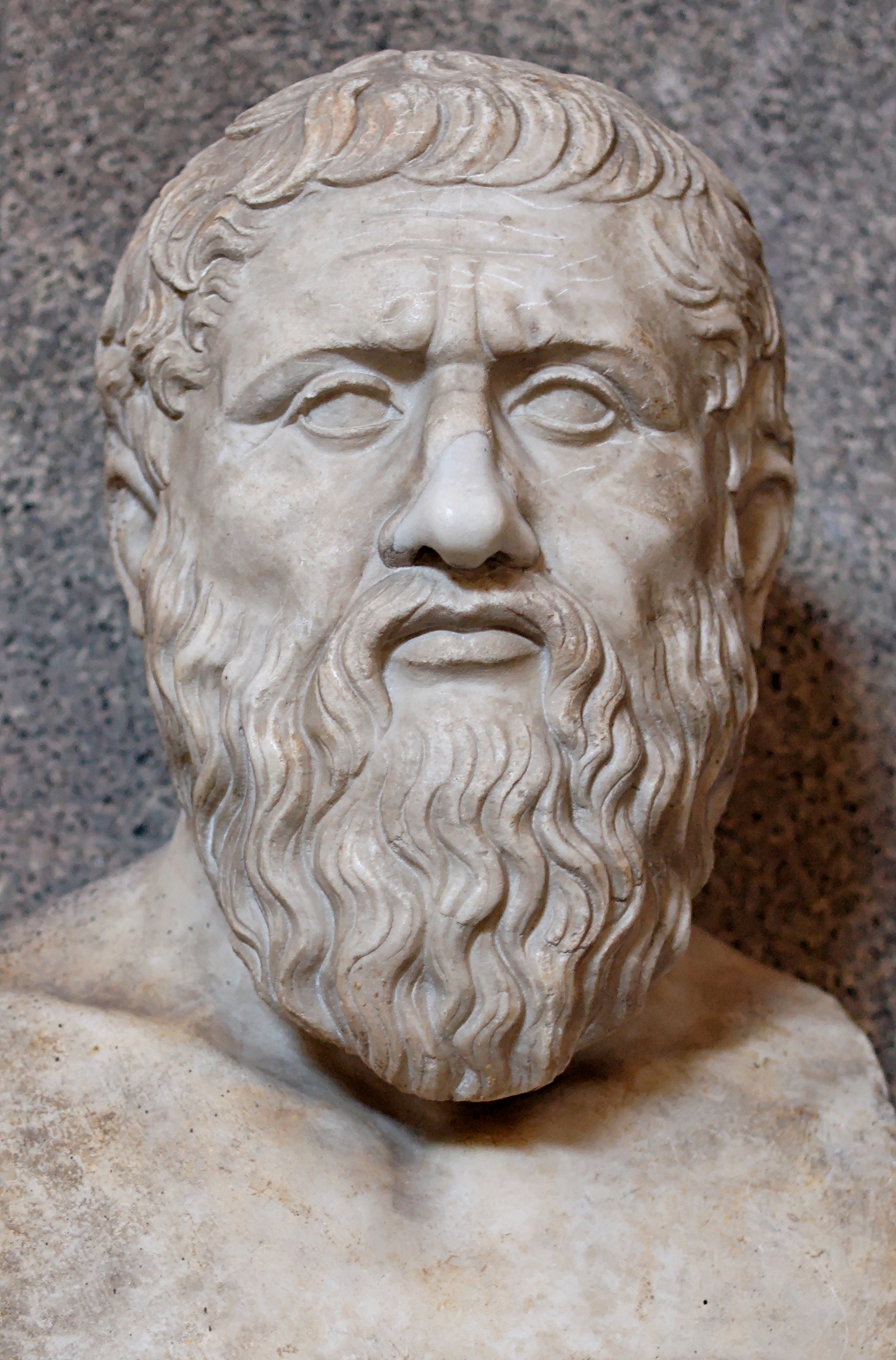
The sage philosopher Plato,
  drawn by many a scholar with a halo,
    broke many hearts
    by shunning the Arts.

The sage philosopher Plato,
drawn by many a scholar with a halo,
broke many hearts
by shunning the Arts.
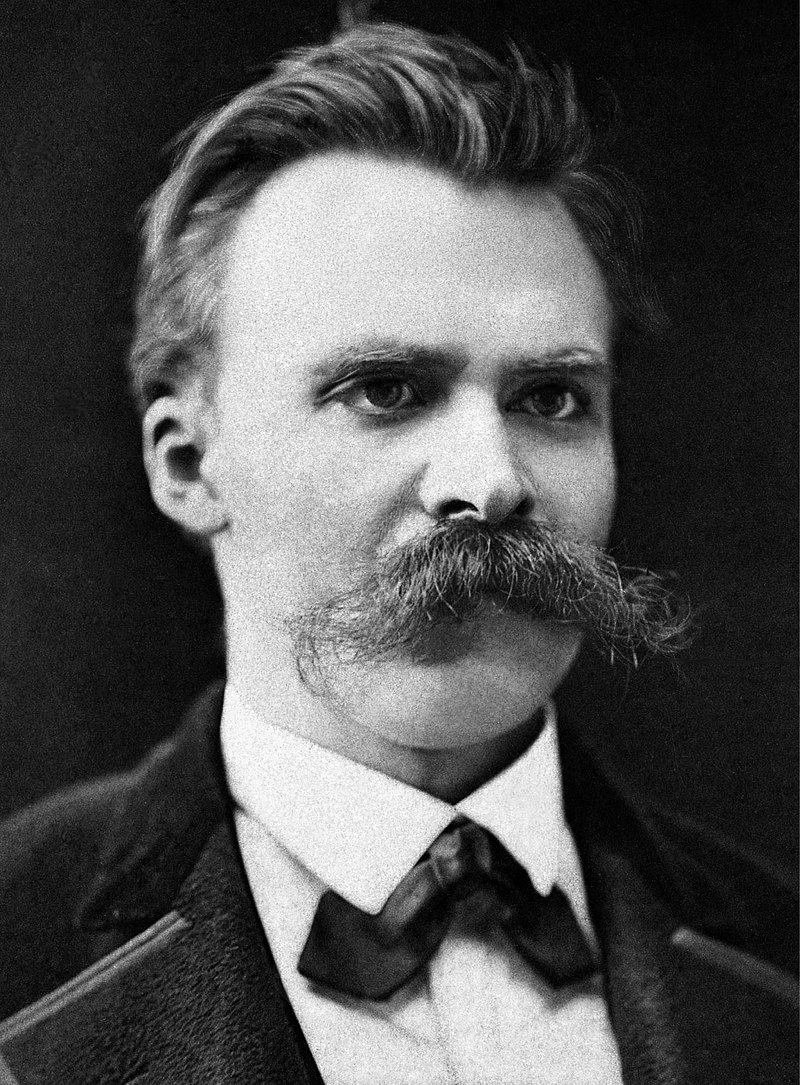
The German philosopher Nietzsche
 pronounced his name using a schwa.
   that rhyme 's not perfected,
   but closer than expected.
It’s been said that Blake’s poetry is nearly impenetrable. When people say this, they’re referring to a series of long poems that are often called Blake’s “prophetic books.” It’s not that people struggle much with Songs of Innocence, Songs of Experience, or The Marriage of Heaven and Hell. I doubt anyone is stumbling their way through “The Lamb” or “The Tyger.” In fact, some of Blake’s poetry is highly readable for eighteenth century work.
The challenge is that Blake created his own mythology and he launches in with all these characters that have no sticking power for a reader. This is unfortunate as Blake remains well worth reading for his ideas, his language, and his sui generis worldview. [Even if he doesn’t win you over, Blake will give you something to think about that you’ve probably never considered before.] Blake’s mythology forces the reader to choose between a painstaking read (making notes, re-reading sections multiple times, stopping dead to make connections, etc.) or a casual read that misses most of what Blake is saying because it floats over the connections he is making.
As I’m re-reading Blake, I constructed a chart that helps me track who’s who and what each major character is about. I won’t claim it makes Blake’s prophetic work completely simple and transparent, but it has made reading it more productive and insightful. If you’re reading “Valas,” “Milton,” “Jerusalem” or any of the other prophetic books, I hope it will benefit you as well.

Em/F: these are emanations (i.e. characters that flow from the character from which the pointer originates.) Some refer to these as the feminine forms, hence the “F.”
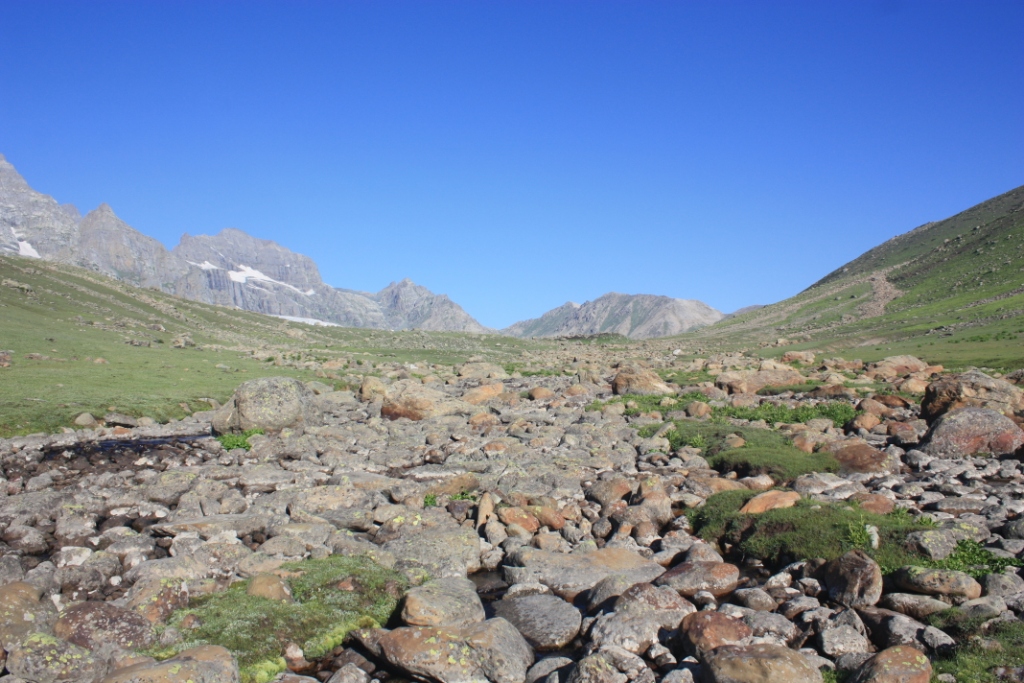
Climbing a mountain, I feel like
  I've escaped Plato's cave.
 My senses reel as though they're a
   crew of newly freed slaves.

The sky is bluer, rivers green,
  each grit granule is clear.
 And even at the very edge,
   there's ease in feeling fear.
 By "ease" I mean not frozen stiff,
   but like a friend so dear
 that one can take one's grand peril,
   a gift received with cheer.

Take me to the mountains, I say,
  where it's serene and real,
 and I can open up my sight
   to a world that's ideal.
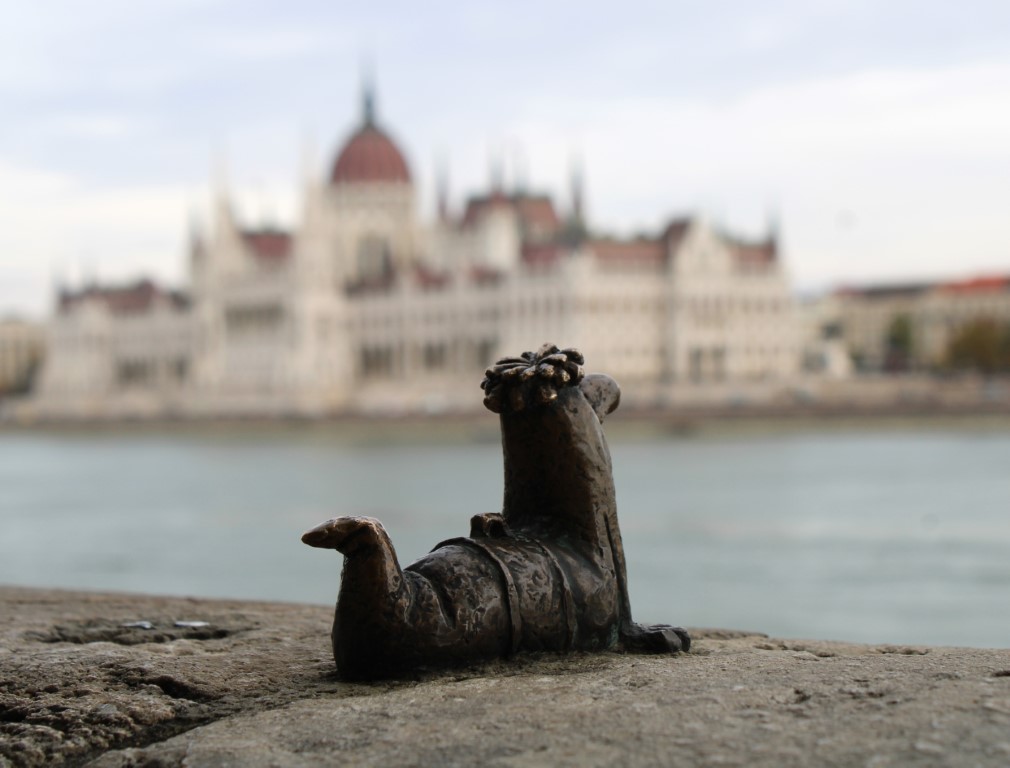
I've seen in ordinary eyes
  a special twinkling glow.
 In rough and sinewy muscle
  I've seen a grace in throe.

From rotund torsos, I have seen
  a lithesome prance or strut.
 I've seen a thing called character,
  in schnozzes that kink or jut.

If beauty below the surface,
  it finds you splendor-blind.
 Then defect 's not in the object
   but in the viewer's mind.
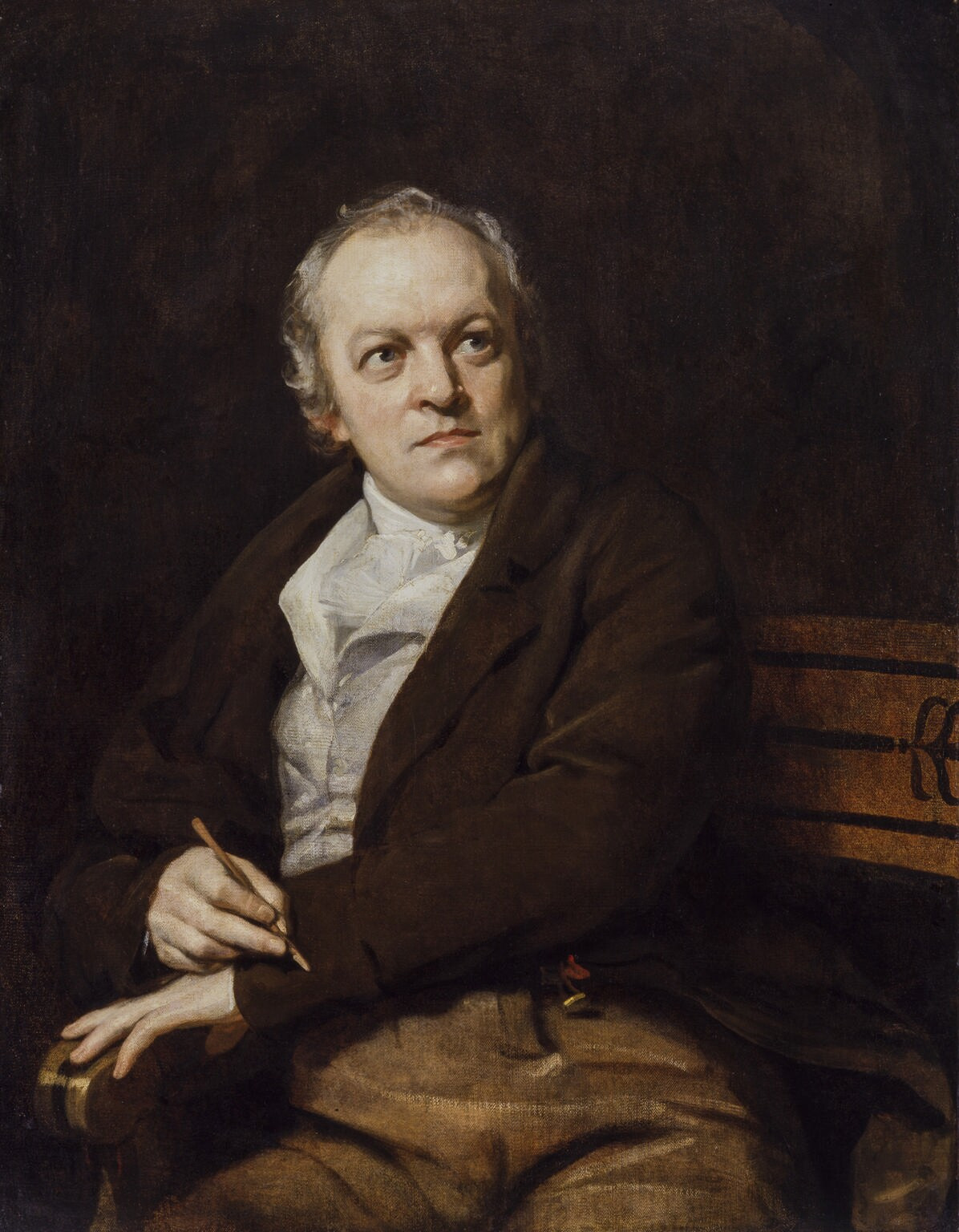
No bird soars too high, if he soars with his own wings.
william blake
The road of excess leads to the palace of wisdom.
William blake
Prisons are built with stones of Law, Brothels with bricks of Religion.
William Blake
The fox condemns the trap, not himself.
William Blake
Exuberance is Beauty.
William blake
Without Contraries is no Progression. Attraction and Repulsion, Reason and Energy, Love and Hate, are necessary to Human existence.
William Blake
If the doors of perception were cleansed, everything would appear to man as it is, infinite.
William blake
The man who never alters his opinion is like standing water, and breeds reptiles of the mind.
William Blake
I also asked Isaiah what made him go naked and barefoot three years. He answer’d: ‘The same that made our friend Diogenes, the Grecian.’
William Blake
The most sublime act is to set another before you.
William blake
NOTE: William Blake’s “The Marriage of Heaven in Hell” is available in many collections of his poetry, and is in the public domain and available via Project Gutenberg at: https://www.gutenberg.org/ebooks/45315
A construction worker once told me -
    for a building to last -
 depends not so much on
    its materials,
    nor even on its foundations,

but rather on the building being
    in balanced strain throughout.

A building stays up when its
    parts press into each other firmly,
    or pull at each other strongly,
    but never too out of balance.

This web of unseen forces
    allows the building stand solid
    against any huffing, or puffing,
    the world might throw its way.

A democratic society works the same.

It must have an establishment.

It must have a counterculture.

And these two elements must
    constantly pull at each other
    or mash into each other:
    tension & compression,
    compression & tension,
    tug-of-war & sumo.

If one side is unopposed, or too weak,
    the state will crumble into some kind of
    authoritarianism by another name.

Destroy your enemies at your own peril.
What will be your master,
  and what will be your slave?
Will you court disaster
  to be perceived as brave?
Will you call your pastor
  to hide that which you crave,
    or be your own ringmaster
       and own how you behave?

And will you choose virtue,
  or live in fear of vice?
Will you choose to be true,
  or default to being nice?
And when there's much ado
  will you jet their paradise?
Or just defer your view,
  as act some men and mice?
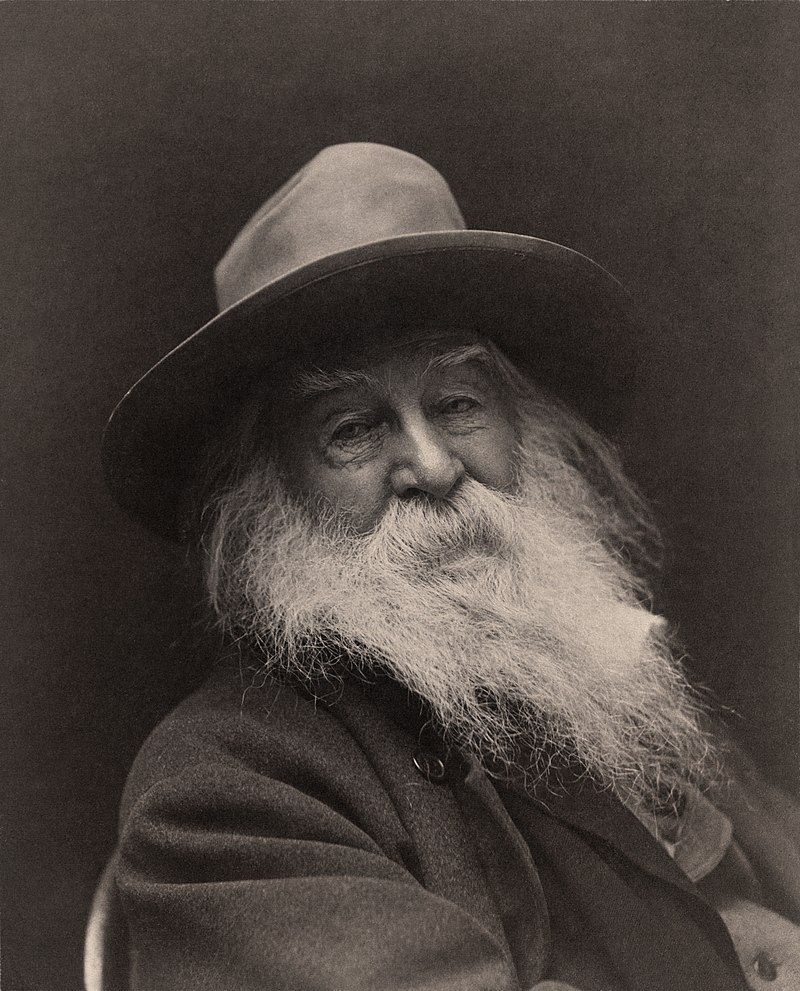
You're my Analects,
           my Gita,
           my Dao De Jing,
           my sutras,
           my Meditations,
           and my Republic
 all rolled into one.

You are the scripture by which I live.

You present a path to that rare place:
            extreme confidence
            which tears no one down,

            but, rather, lifts all.

You achieve this by crushing
            the ordinary.

Nothing is common.

Everything is a miracle.
            (Even those leaves of grass
                      you repeatedly reference.)

No one is so rough
             or promiscuous
             or simple
as to be lowly.

Your author's unbridled enthusiasm
             glowed with the insane confidence
             of an adolescent boy,
but his awesomeness was never gained
             by subtracting from others.
Rather by seeing the bright, beautiful spark
             in each body,
             mind,
             pair of hands,
             & burdened shoulder.

You are America,
             the America we want to be.

The America that labors,
             but which takes time to see
             its natural wonders.

The America that heard what Jesus said,
             and became less excelled at stone-throwing,
             and more at cheek-turning.

The America that could see beyond dogma
             and hard-edged tribalism,
             and could learn from all the
             grand & glorious people
             who reached its shores --

So that we could be the best version of ourselves
            through the strengths of all of us,
            and not be stymied by missing
            the great beauty & knowledge
           among us.

You pair away the extraneous burdens
            which tax the mind,
and show us what the world looks like
             unfiltered.

You teach one to see a beauty
            that is so well hidden
            that its own possessor doesn't
                      recognize it.

You are the song of a life well lived.
Bury the ordinary,
 but make sure to
  chop it out at the roots.

Nothing grows back more tenaciously
 than the commonplace or the quotidian.

Sometimes what grows
 back from those roots
  looks entirely different,
   but it's still mundane.

It has the same feel,
 even when it has a
  very different look.

Kill it.
 Murder it.
  Chop it up.
    Bury it,
     and let it die the death
       of the forgotten.


 Tiger Riding for Beginners