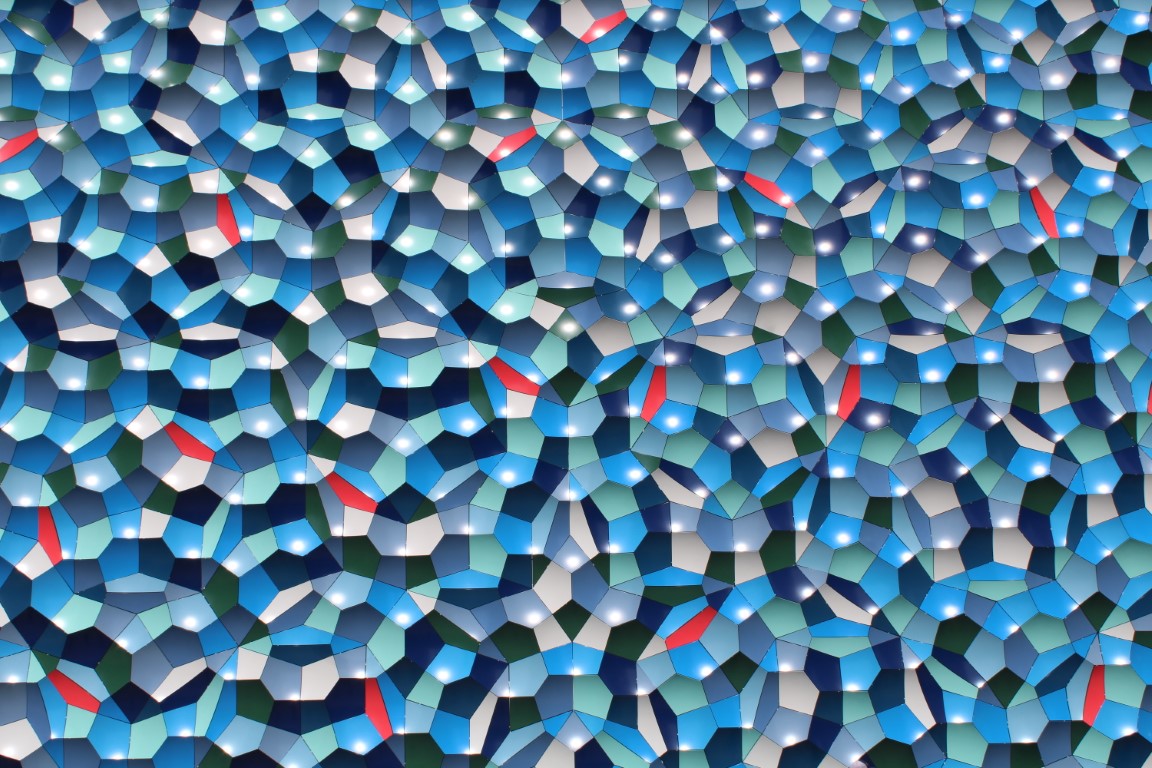
There was an up-and-coming modern artist
 Who went by the pseudonym "Arthur Fartist."
    He painted with flair
    From his derriere,
 'Til critics judged his work, "not the smartest."

There was an up-and-coming modern artist
Who went by the pseudonym "Arthur Fartist."
He painted with flair
From his derriere,
'Til critics judged his work, "not the smartest."
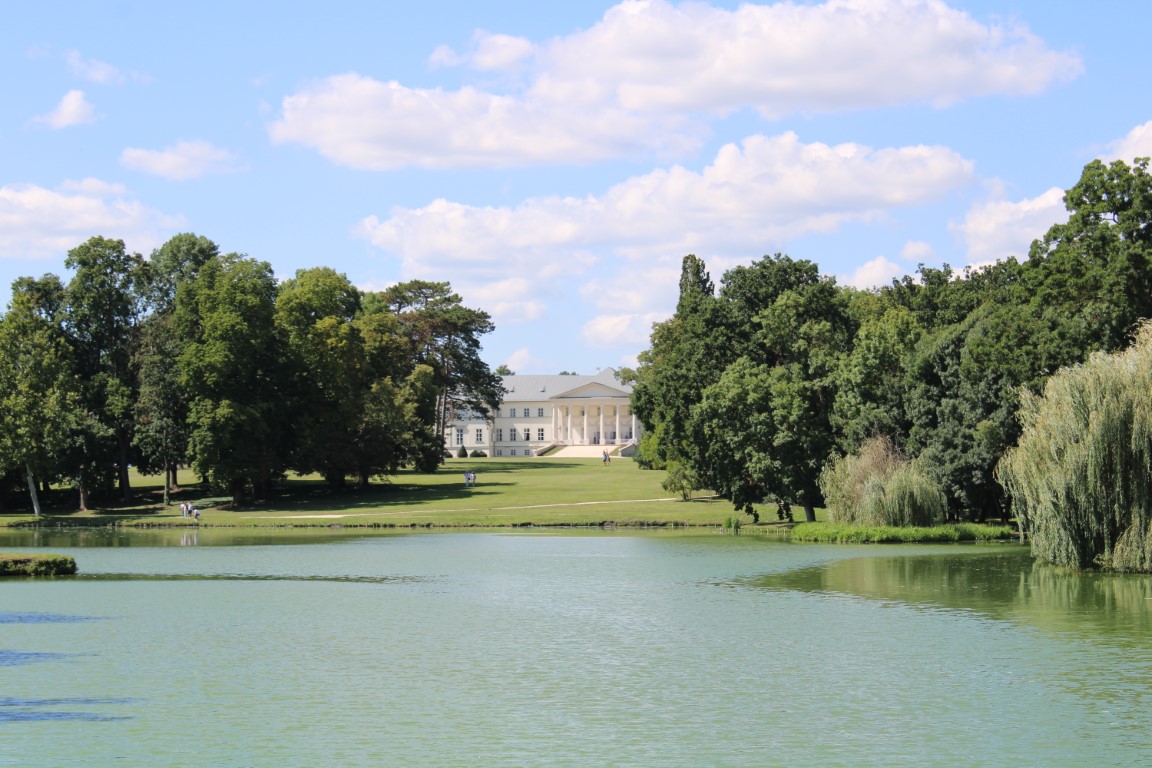
The thirsty Earth soaks up the Rain,
 And drinks, and gapes for drink again.
 The Plants suck in the Earth, and are
 With constant drinking fresh and faire.
The Sea itself, which one would think
 Should have but little need of Drink,
 Drinks ten thousand Rivers up,
 So fill'd that they o'erflow the Cup.
The busy Sun (and one would guess
 By 's drunken fiery face no less)
 Drinks up the Sea, and when he's done,
 The Moon and Stars drink up the Sun.
They drink and dance by their own light,
 They drink and revel all the night.
 Nothing in Nature 's Sober found,
 But an eternal Health goes round.
Fill up the Bowl then, fill it high,
 Fill all the Glasses there, for why
 Should every creature drink but I,
 Why, Man of Morals, tell me why?
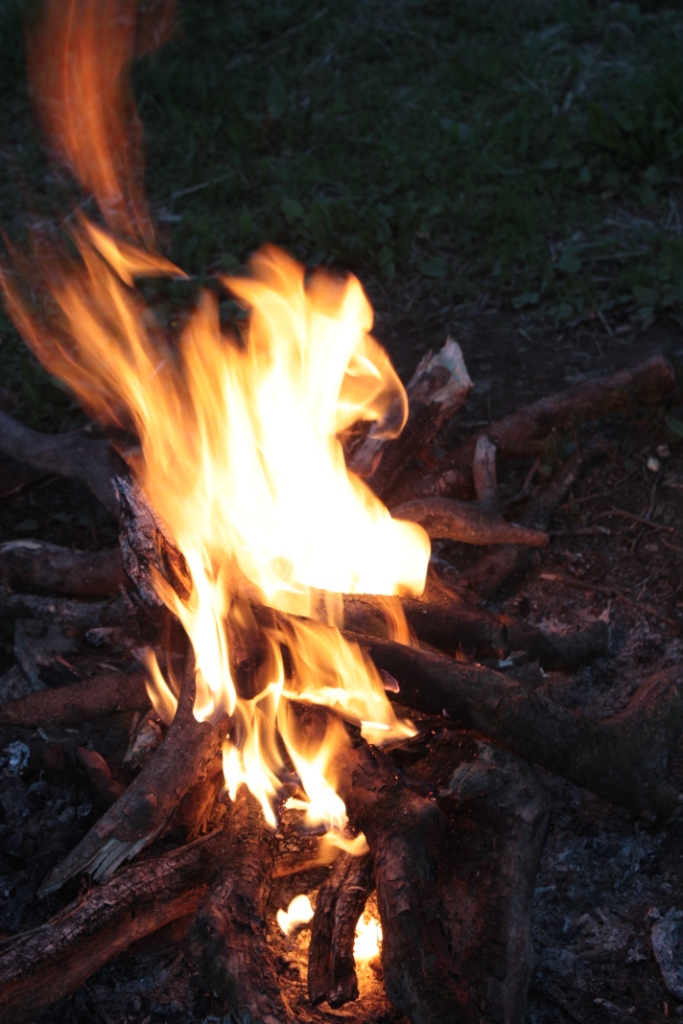
Some say the world will end in fire,
   Some say in ice.
 From what I've tasted of desire
   I hold with those who favor fire.
 But if it had to perish twice,
   I think I know enough of hate
     To say that for destruction ice
        Is also great
        And would suffice.
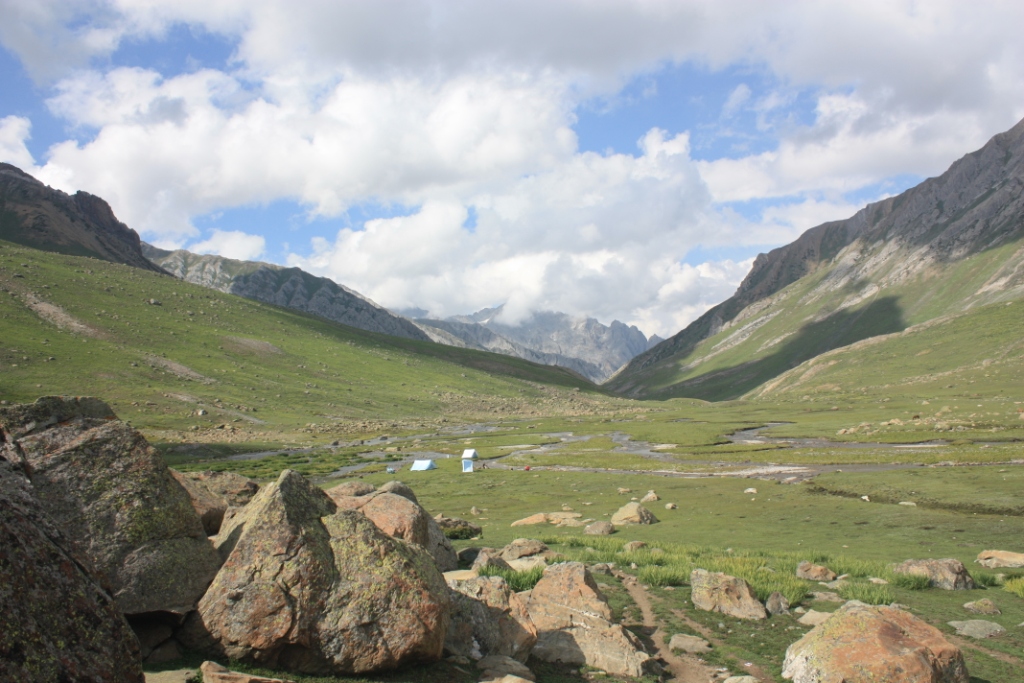
One had a lovely face,
   And two or three had charm,
   But charm and face were in vain
 Because the mountain grass
   Cannot but keep the form
   Where the mountain hare has lain.
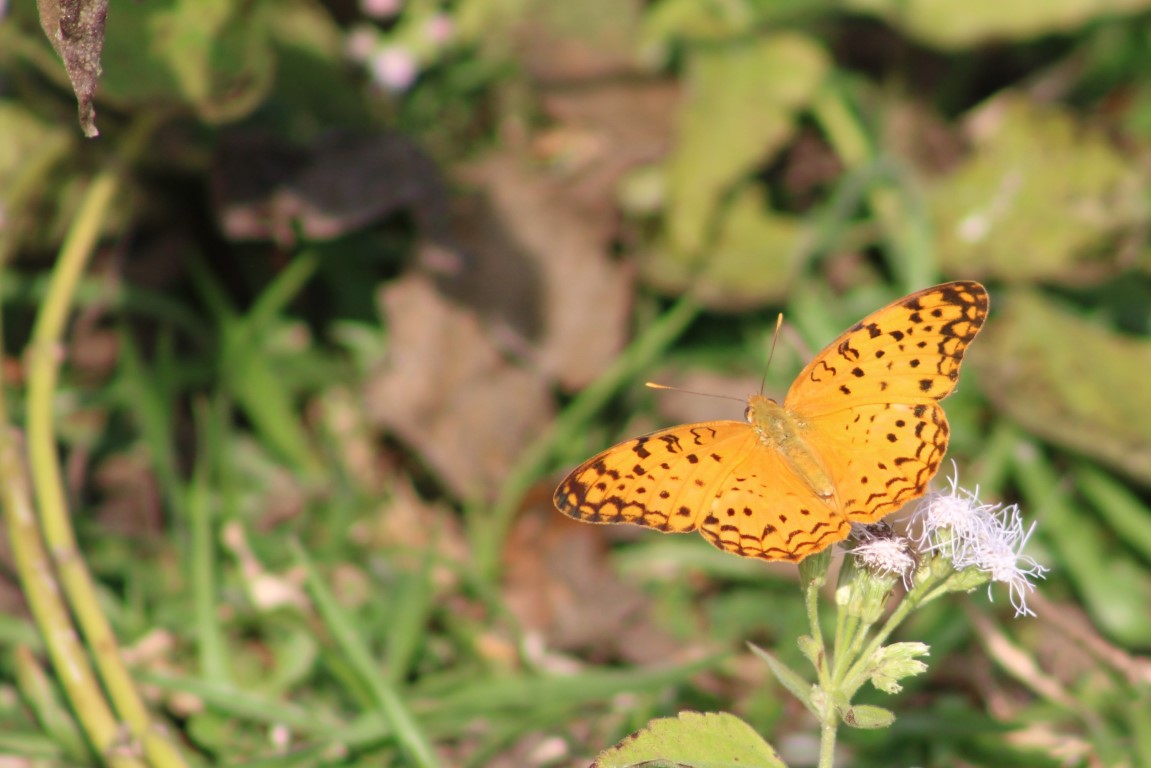
Thousands of willow twigs beyond my bower sway;
   They try to retain spring, but she won't stay
      For long and goes away.
 In vernal breeze the willow down still wafts with grace;
   It tries to follow spring to find her dwelling place.
 Hills and rills greened all over, I hear cuckoos sing;
   Feeling no grief, why should they give me a sharp sting?
 With wine cup in hand, I ask spring who won't reply.
   When evening grizzles,
      A cold rain drizzles.
Translation: Xu Yuanchong [translator]. 2021. Deep, Deep the Courtyard. [庭院深深.] Cite Publishing: Kuala Lumpur, pp. 146-147.
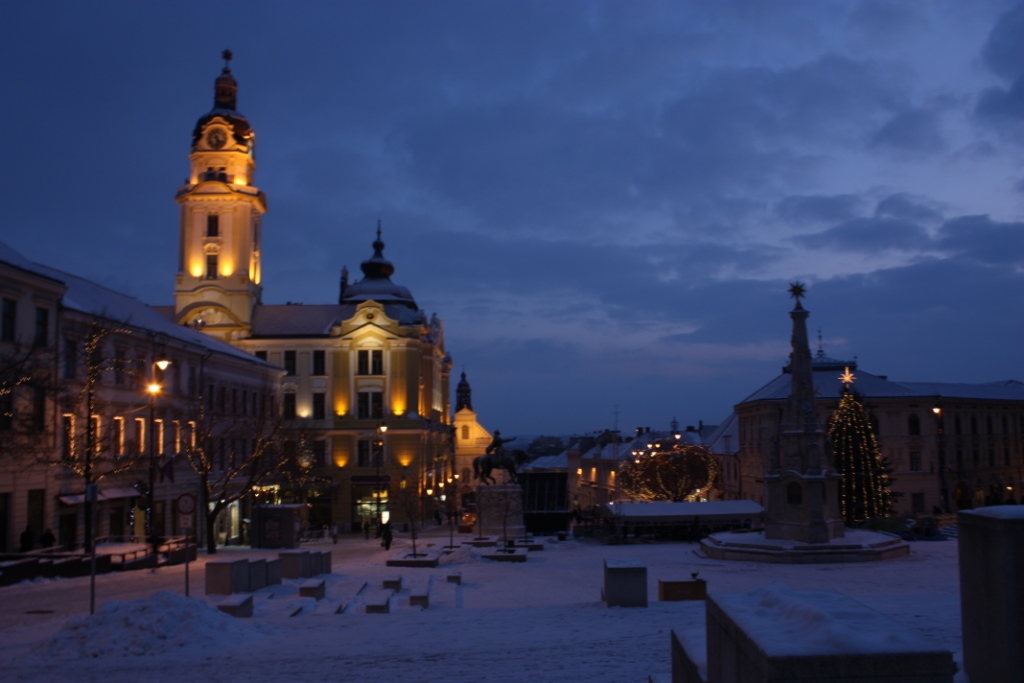
From our low seat beside the fire
 Where we have dozed and dreamed and watched the glow
 Or raked the ashes, stopping so
 We scarcely saw the sun or rain
 Above, or looked much higher
 Than this same quiet red or burned-out fire.
To-night we heard a call,
 A rattle on the window-pane,
 A voice on the sharp air,
 And felt a breath stirring our hair,
 A flame within us: Something swift and tall
 Swept in and out and that was all.
Was it a bright or dark angel? Who can know?
It left no mark upon the snow,
 But suddenly it snapped the chain
 Unbarred, flung wide the door
 Which will not shut again;
 And so we cannot sit here anymore.
We must arise and go:
 The world is cold without
 And dark and hedged about
 With mystery and enmity and doubt,
 But we must go
 Though yet we do not know
 Who called, or what marks we shall leave upon the snow.
I
The grey sea and the long black land;
 And the yellow half-moon large and low;
 And the startled little waves that leap
 In fiery ringlets from their sleep,
 As I gain the cove with pushing prow,
 And quench its speed i' the slushy sand.

II
Then a mile of warm sea-scented beach;
 Three fields to cross till a farm appears;
 A tap at the pane, the quick sharp scratch
 And blue spurt of a lighted match,
 And a voice less loud, thro' its joys and fears,
 Than the two hearts beating each to each!
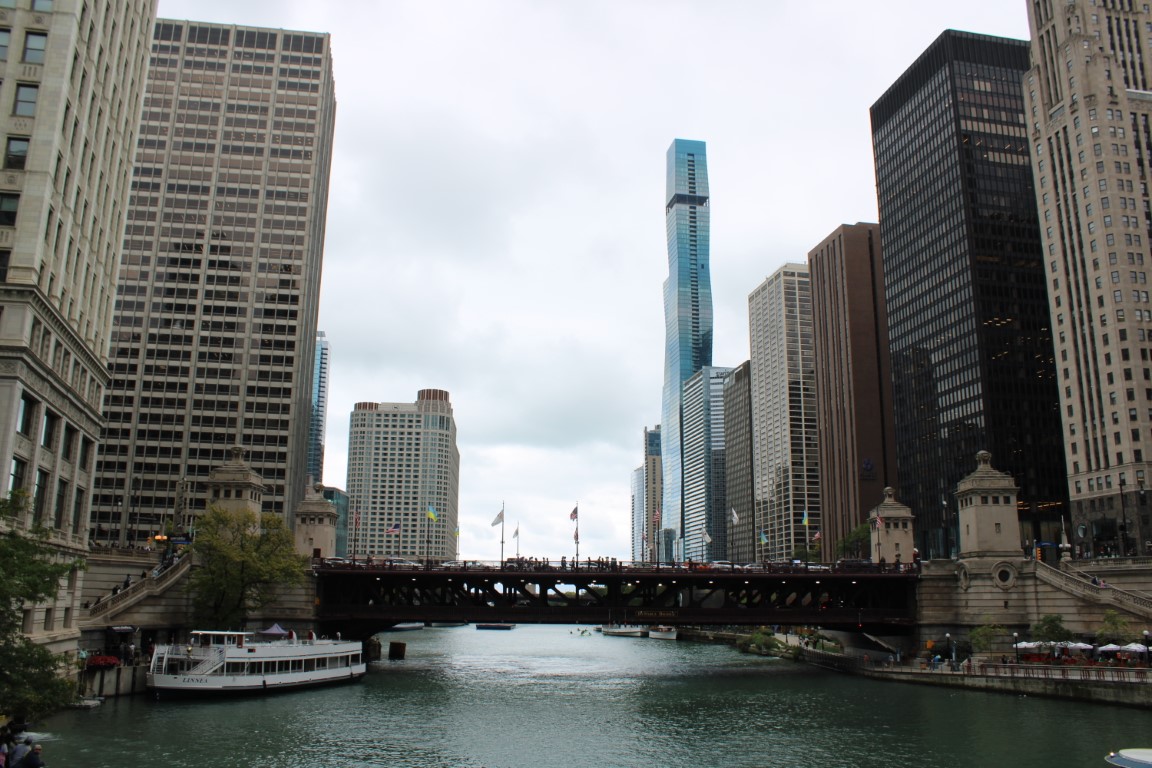
All are architects of Fate,
   Working in these walls of Time,
 Some with massive deeds and great,
   Some with ornaments of rhyme.

Nothing useless is, or low;
   Each thing in its place is best;
 And what seems but idle show
   Strengthens and supports the rest.

For the structure that we raise,
   Time is with materials filled;
 Our to-days and yesterdays
   Are the blocks with which we build.

Truly shape and fashion these;
   Leave no yawning gaps between;
 Think not, because no man sees,
   Such things will remain unseen.

In the elder days of Art,
   Builders wrought with greatest care
 Each minute and unseen part;
   For the Gods see everywhere.

Let us do our work as well,
   Both the unseen and the seen;
 Make the house, where Gods may dwell,
   Beautiful, entire, and clean.

Else our lives are incomplete,
   Standing in these walls of Time,
 Broken stairways, where the feet
   Stumble as they seek to climb.

Build to-day, then, strong and sure,
   With a firm and ample base;
 And ascending and secure
   Shall tomorrow find its place.

Thus alone can we attain
   To those turrets where the eye
 Sees the world as one vast plain,
   And one boundless reach of sky.
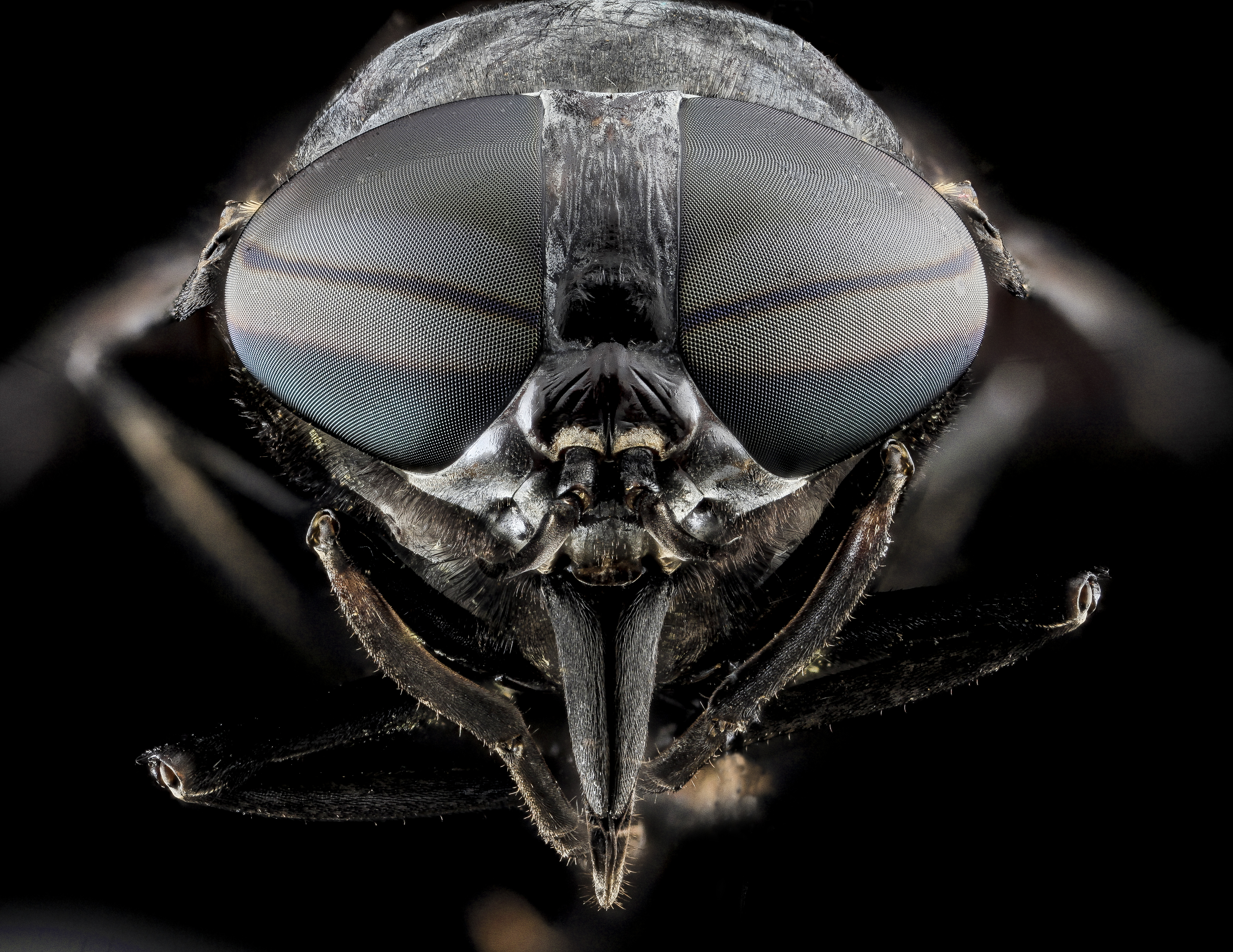
Little fly,
 Thy summer's play
 My thoughtless hand
 Has brushed away.

Am not I
 A fly like thee?
 Or art not thou
 A man like me?

For I dance
 And drink and sing,
 Till some blind hand
 Shall brush my wing.

If thought is life
 And strength and breath,
 And the want
 Of thought is death,

Then am I
 A happy fly,
 If I live,
 Or if I die.
 Les Fleurs du Mal by Charles Baudelaire


 Tiger Riding for Beginners