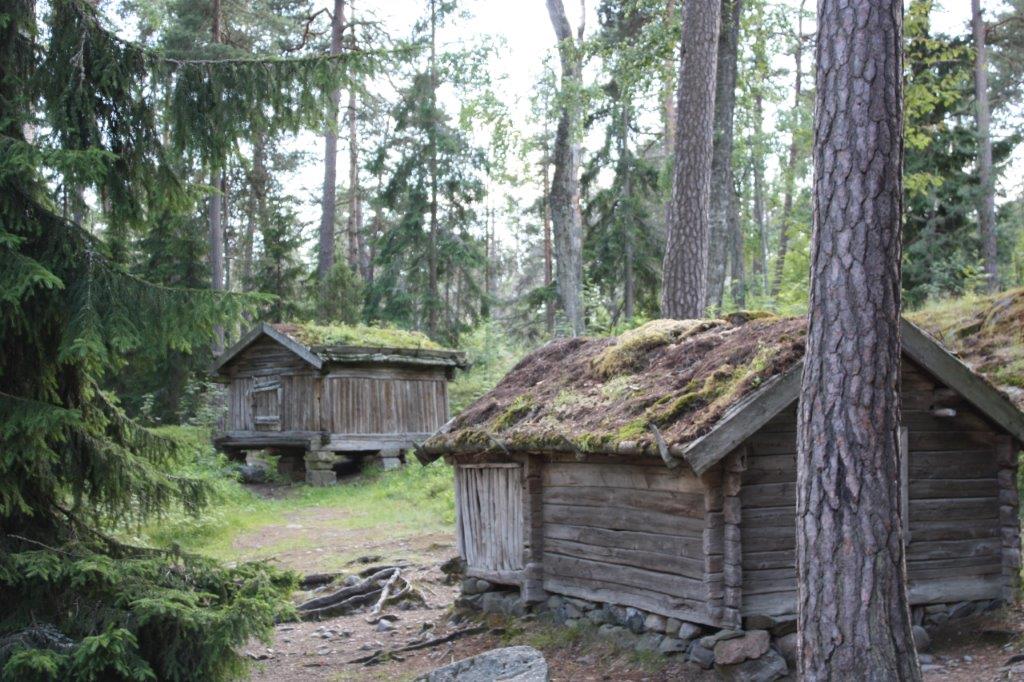
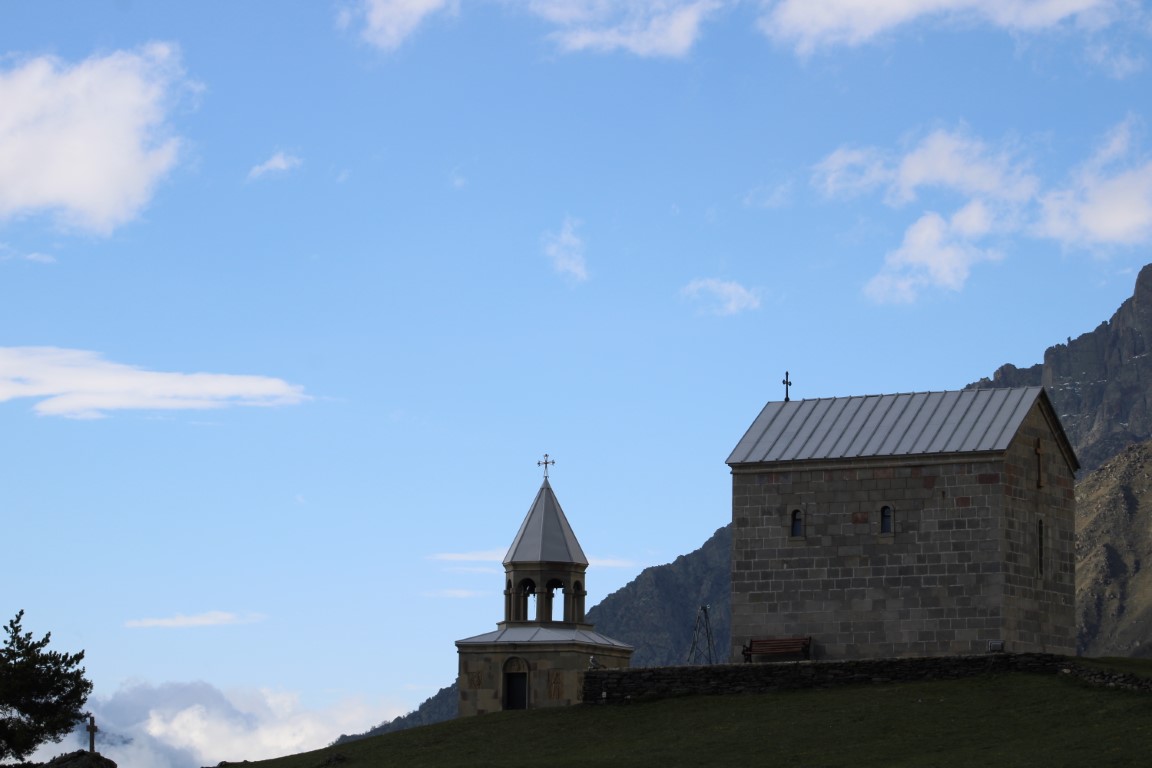
Under the trees, among the rocks, a thatched hut:
   verses and sacred commentaries live there together.
 I'll burn the books I carry in my bag,
   but how can I forget the verses written in my gut?
Translation by Kazuaki Tanahashi and David Schneider in Essential Zen (1994) HarperSanFrancisco.
Half of my life is gone, and I have let
   The years slip from me and have not
      fulfilled
   The aspiration of my youth, to build
   Some tower of song with lofty parapet.
 Not indolence, nor pleasure, nor the fret
   Of restless passions that would not be
      stilled,
   But sorrow, and a care that almost killed,
   Kept me from what I may accomplish yet;
 Though, half-way up the hill, I see the Past
   Lying beneath me with its sounds and
      sights, --
   A city in the twilight dim and vast,
 With smoking roofs, soft bells, and
      gleaming lights, --
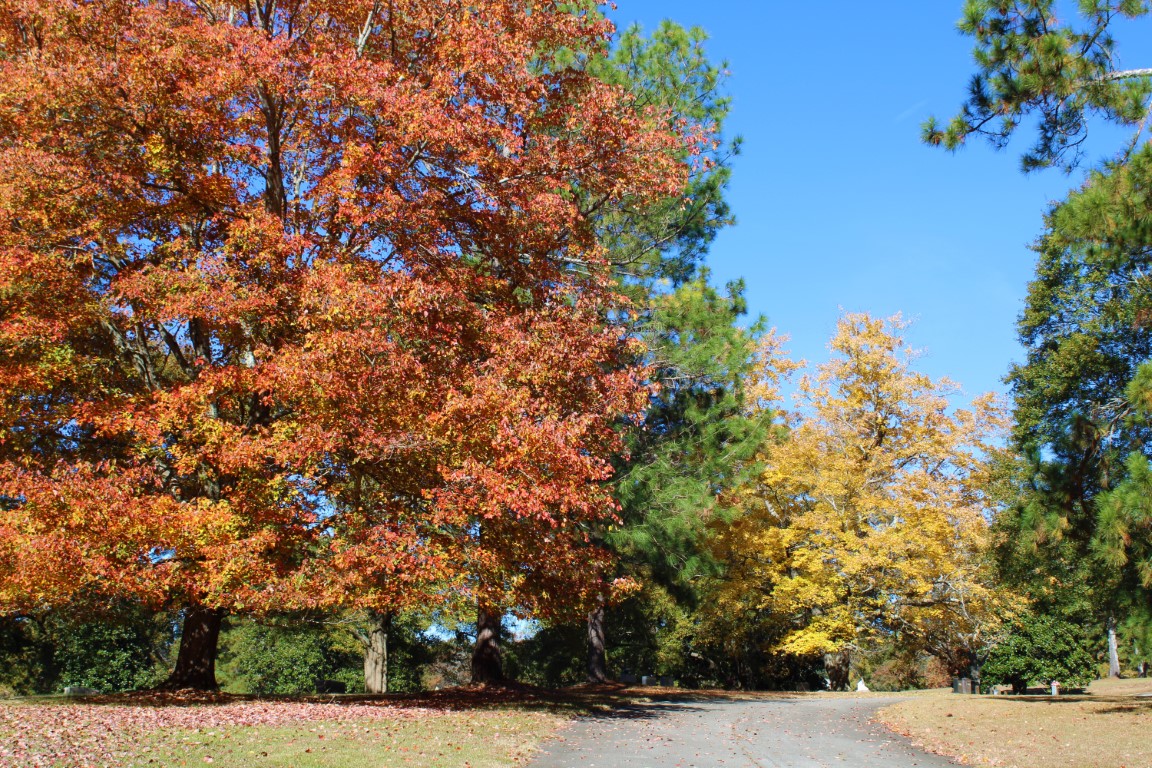
   And hear above me on the autumnal blast
   The cataract of Death far thundering
      from the heights.
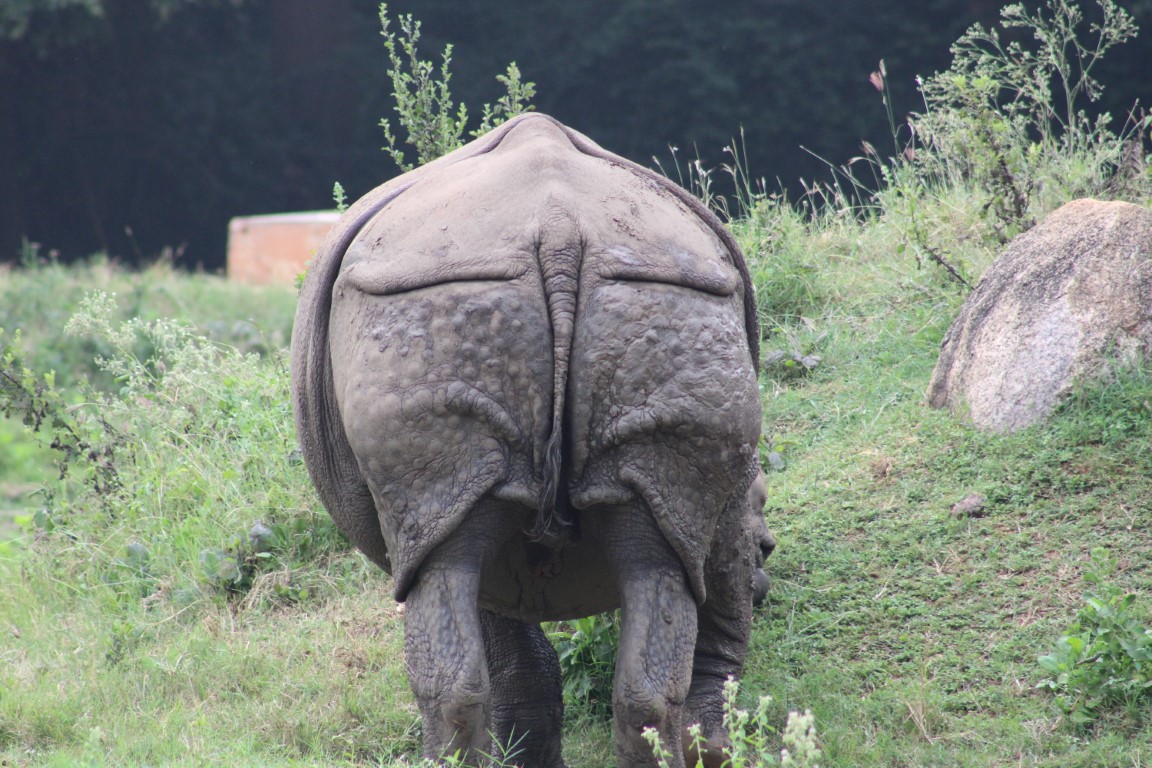
He thought he saw an Elephant,
   That practised on a fife:
 He looked again, and found it was
   A letter from his wife.
 "At length I realize," he said,
   "The bitterness of Life!"

He thought he saw a Buffalo
   Upon the chimney-piece:
 He looked again, and found it was
   His Sister's Husband's Niece,
 "Unless you leave this house," he said,
    "I'll send for the Police!"

He thought he saw a Rattlesnake
   That questioned him in Greek:
 He looked again, and found it was
   The Middle of Next Week.
 "The one thing I regret," he said,
   "Is that it cannot speak!"

He thought he saw a Banker's Clerk
   Descending from the 'bus:
 He looked again, and found it was
   A Hippopotamus.
 "If this should stay to dine," he said,
   "There won't be much for us!"

He thought he saw a Kangaroo
   That worked a coffee-mill:
 He looked again, and found it was
   A Vegetable-Pill.
 "Were I to swallow this," he said,
   "I should be very ill!"

He thought he saw a Coach-and-Four
   That stood beside his bed:
 He looked again, and found it was
   A Bear without a Head.
 "Poor thing," he said, "poor silly thing!
   It's waiting to be fed!"

He thought he saw an Albatross
   That fluttered round the lamp:
 He looked again, and found it was
   A Penny-Postage-Stamp.
 "You'd best be getting home," he said,
   "The nights are very damp!"

He thought he saw a Garden-Door
   That opened with a key:
 He looked again, and found it was
   A Double Rule of Three:
 "And all its mystery," he said,
   "Is clear as day to me!"

He thought he saw an Argument
   That proved he was the Pope:
 He looked again, and found it was
   A Bar of Mottled Soap.
 "A fact so dread," he faintly said,
   "Extinguishes all hope!"
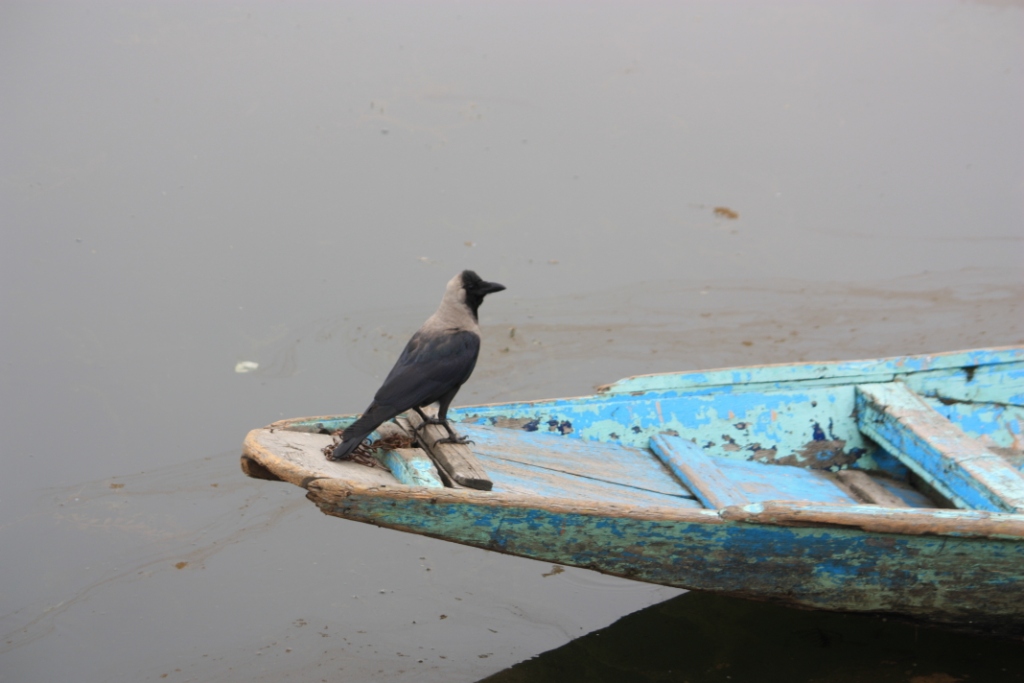
West Lake is beautiful from a small boat.
 Green water wends its way through the lotus,
 Sweet grass grows thickly all along the bank,
 Faint music wafts from unknown points ashore.

When the wind quits, the Lake is glassy smooth;
 The boat is perfectly still for a beat,
 Then its movement is betrayed by ripples
 And startled waterfowls' furious flapping.
Note: The title “Gathering Mulberry Leaves” was used by Xu Yuanchong for his translation. The Chinese title is: 採桑子 (Cǎi Sāngzǐ)
The world below the brine,
 Forests at the bottom of the sea,
   the branches and leaves,
 Sea-lettuce, vast lichens, strange flowers
   and seeds, the thick tangle, openings,
   and pink turf,
 Different colors, pale gray and green,
   purple, white, and gold, the play of light
   through the water,
 Dumb swimmers there among the rocks,
   coral, gluten, grass, rushes, and the
   aliment of the swimmers,
 Sluggish existences grazing there suspended,
   or slowly crawling close to the bottom,
 The sperm-whale at the surface blowing air
   and spray, or disporting with his flukes,
 The leaden-eyed shark, the walrus, the
   turtle, the hairy sea-leopard, and the
   sting-ray,
 Passions there, wars, pursuits, tribes,
   sight in those ocean-depths, breathing
   that thick-breathing air, as many do,
 The change thence to the sight here,
   and to the subtle air breathed by beings
   like us who walk this sphere,
 The change onward from ours to that of
   beings who walk other spheres.
Now as at all times I can see in the mind's
     eye,
 In their stiff, painted clothes, the pale
     unsatisfied ones
 Appear and disappear in the blue depths of
     the sky
 With all their ancient faces like rain-beaten
     stones,
 And all their helms of silver hovering side
     by side,
 And all their eyes still fixed, hoping to find
     once more,
 Being by Calvary's turbulence unsatisfied,
 The uncontrollable mystery on the bestial
    floor.
Oh me! Oh life! of the questions of these
     recurring,
 Of the endless trains of the faithless,
     of cities fill'd with the foolish,
 Of myself forever reproaching myself,
    (for who more foolish than I, and who
    more faithless?)
 Of eyes that vainly crave the light, of the
    objects mean, of the struggle ever
    renew'd,
 Of the poor results of all, of the plodding
    and sordid crowds I see around me,
 Of the empty and useless years of the
    rest, with the rest me intertwined,
 The question, O me! so sad, recurring --
    What good amid these, O me, O life?

                                           Answer.
 That you are here--that life exists and
    identity,
 That the powerful play goes on, and you
    may contribute a verse.
As a fond mother, when the day is o'er,
  Leads by the hand her little child to bed,
  Half willing, half reluctant to be led,
  And leave his broken playthings on the floor,
 Still gazing at them through the open door,
  Nor wholly reassured and comforted
  By promises of others in their stead,
  Which, though more splendid, may not
     please him more;
 So Nature deals with us, and takes away
  Our playthings one by one, and by the hand
  Leads us to rest so gently, that we go
  Scarce knowing if we wish to go or stay,
 Being too full of sleep to understand
 How far the unknown transcends the
     what we know.