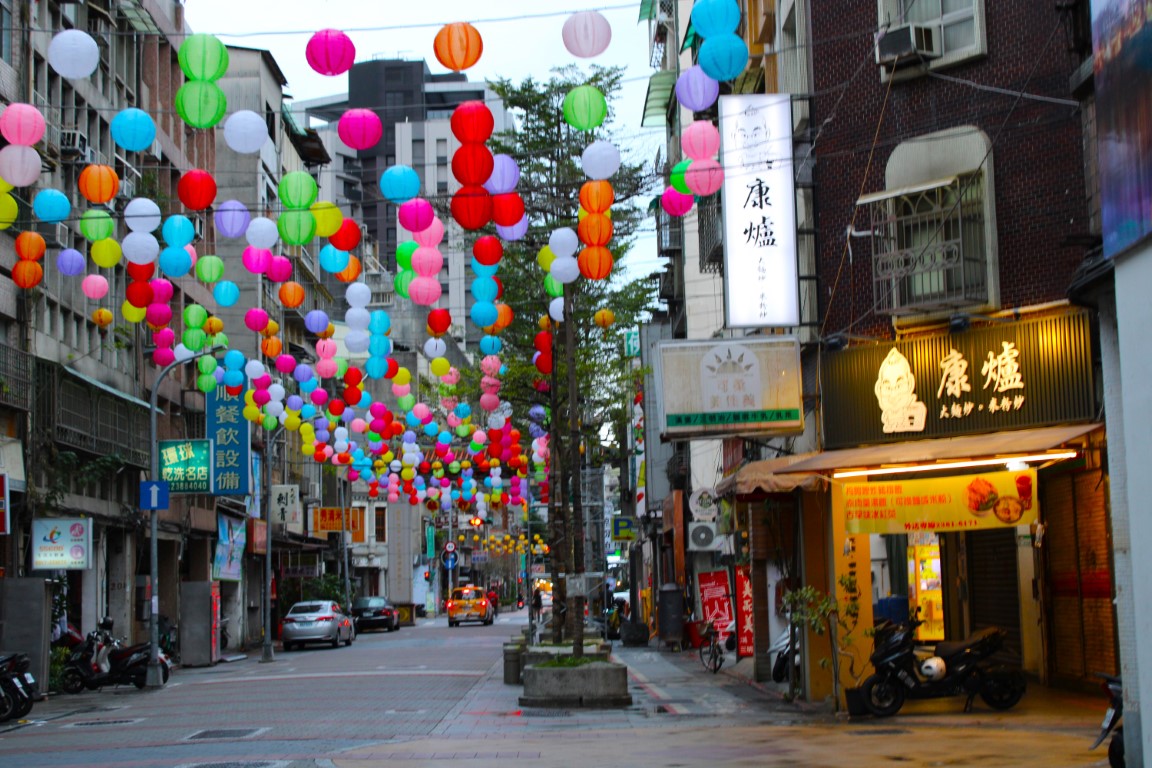
Bleary-eyed drunks
 stagger down the street;
 Eyes drawn to
 orbs of color,
 Looking up,
 the lanterns become
  planets.
 Spinning spheres of
 vertiginousness
  that send tipsy chappies
   face first into terra firma.

Bleary-eyed drunks
stagger down the street;
Eyes drawn to
orbs of color,
Looking up,
the lanterns become
planets.
Spinning spheres of
vertiginousness
that send tipsy chappies
face first into terra firma.
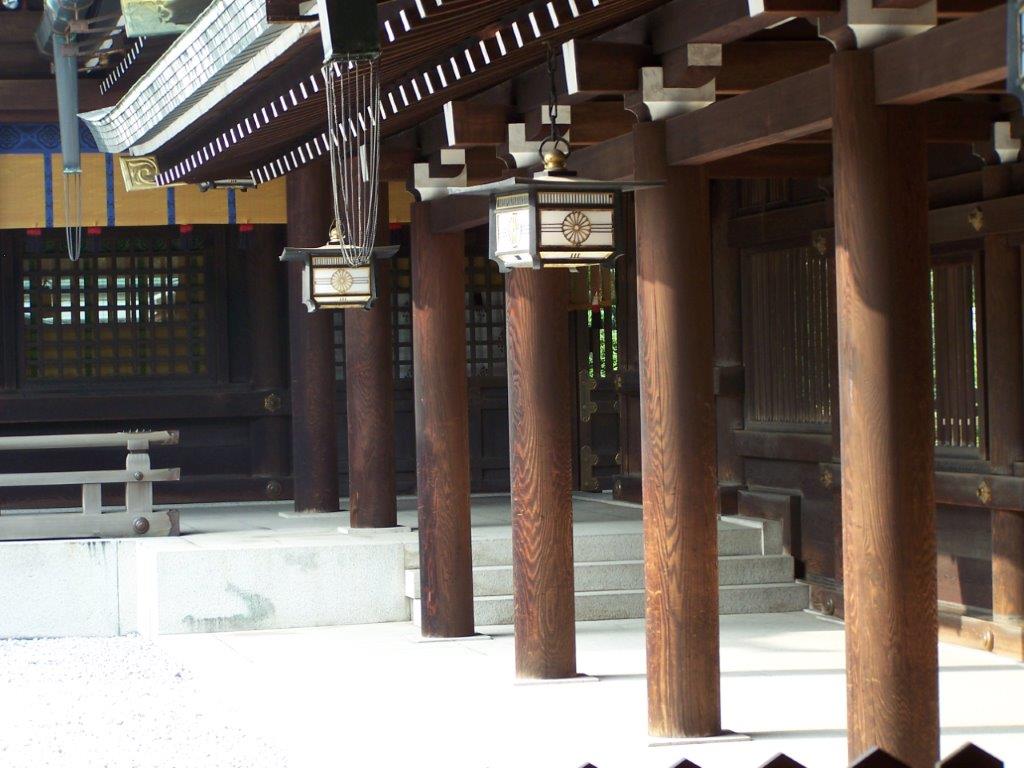
Have you never felt a sort of fear in the face of the ageless, a fear that in that room you might lose all consciousness of the passage of time, that untold years might pass and upon emerging you should find you had grown old and gray?
But our thoughts do not travel to what we cannot see. The unseen for us does not exist.
This was the genius of our ancestors, that by cutting off the light from this empty space they imparted to the world of shadows that formed there a quality of mystery and depth superior to that of any wall painting or ornament.
I wonder if my readers know the color of that ‘darkness seen by candlelight.’ It was different in quality from darkness on the road at night. It was a repletion, a pregnancy of tiny particles like fire ashes, each particle luminous as a rainbow.
Whenever I see the alcove of a tastefully built Japanese room, I marvel at our comprehension of the secrets of shadows, our sensitive use of light and shadow.
 In Praise of Shadows by Jun’ichirō Tanizaki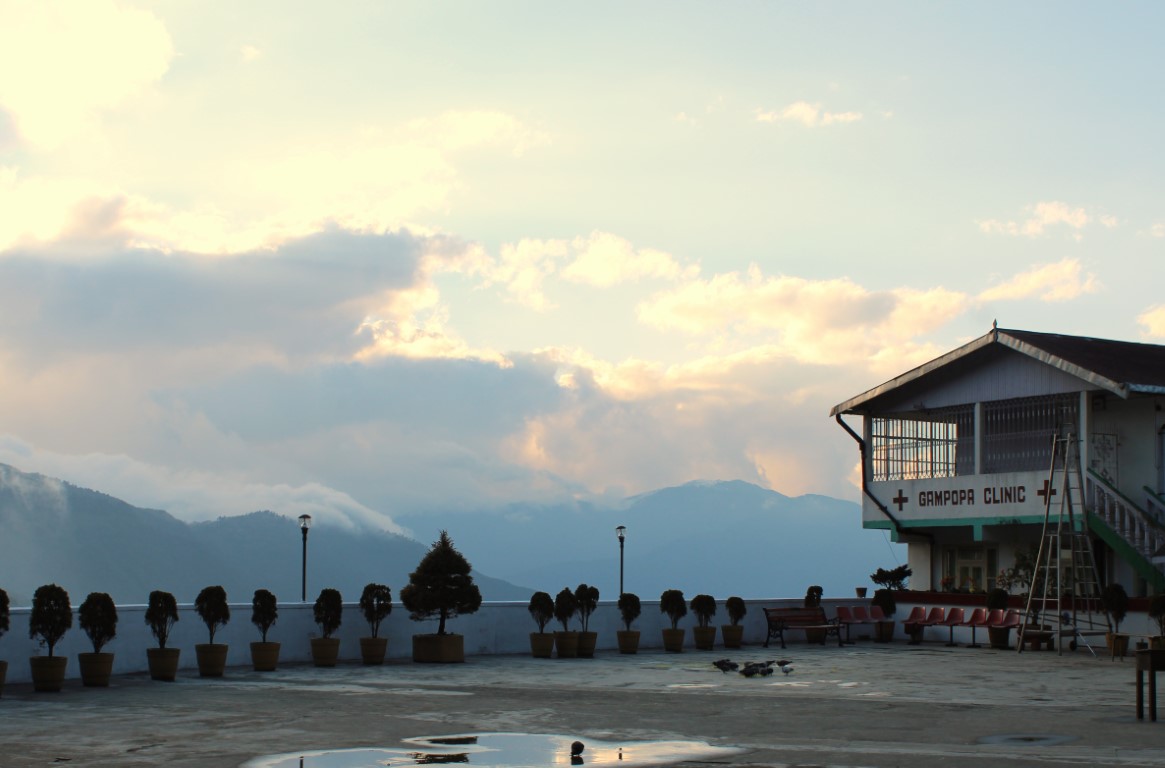
after Spring rains,
 puddles throw reflections
  of light-fringed clouds.

sunlight shines
 through the butterfly's wing:
  yet, it seems sluggish.
the sun is low,
 but then it never gets high
  this time of year.
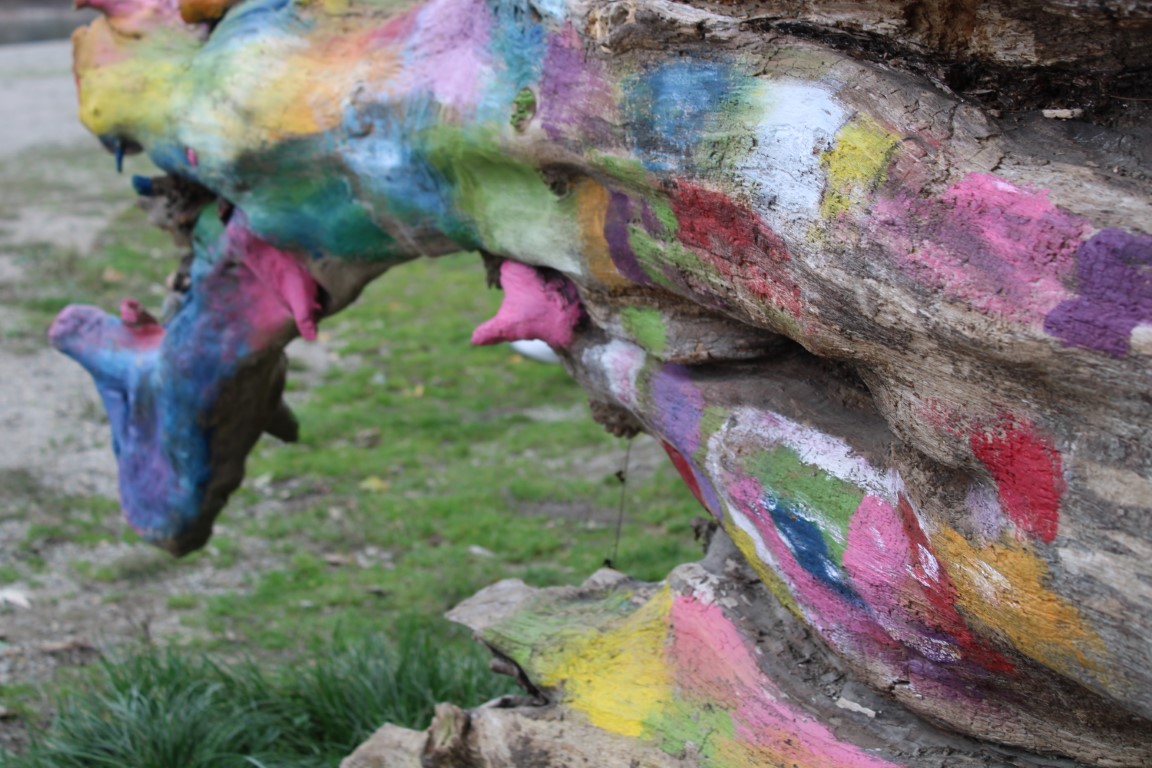
Bohemians
   gathered around
   the absinthe bottles,
  the light hitting
   the bottles shone
   a radioactive shade
   of green.

That green light
   threw blotches
  against walls &
 floors & people &
  anything else there
  was to illuminate.

The more they drank,
 the less green the mottling --
  not because the empty glass
   was clear, &
 didn't refract, or spray green,
   but because the splotches
  turned every color --
   every color there is --
  and the colors danced
   around the increasingly
  amorphous surfaces.

 Until, at last,
  everyone was asleep,
 and visions of Green Fairies
  danced in their dreams.
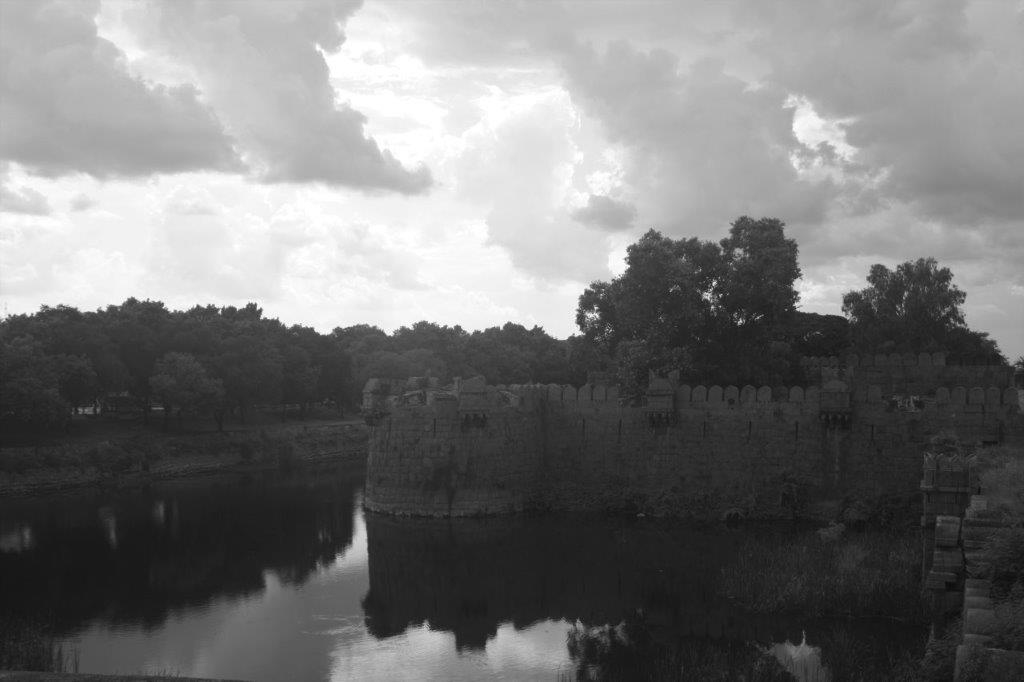
autumn afternoon:
 swollen clouds cut the light,
  it looks like sundown.
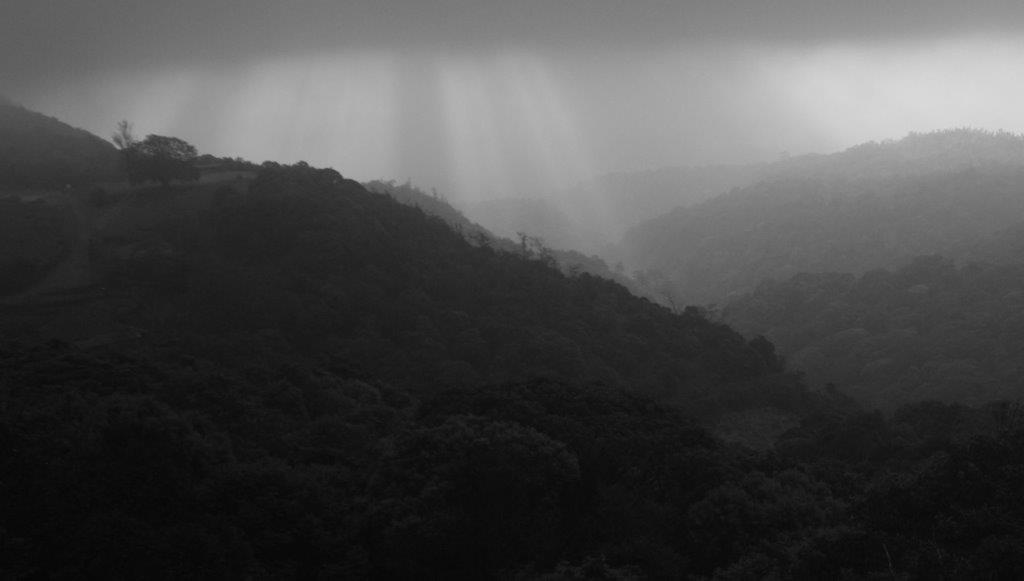
under dark clouds;
 yon hills at once bombarded
  with light- & rainbands.


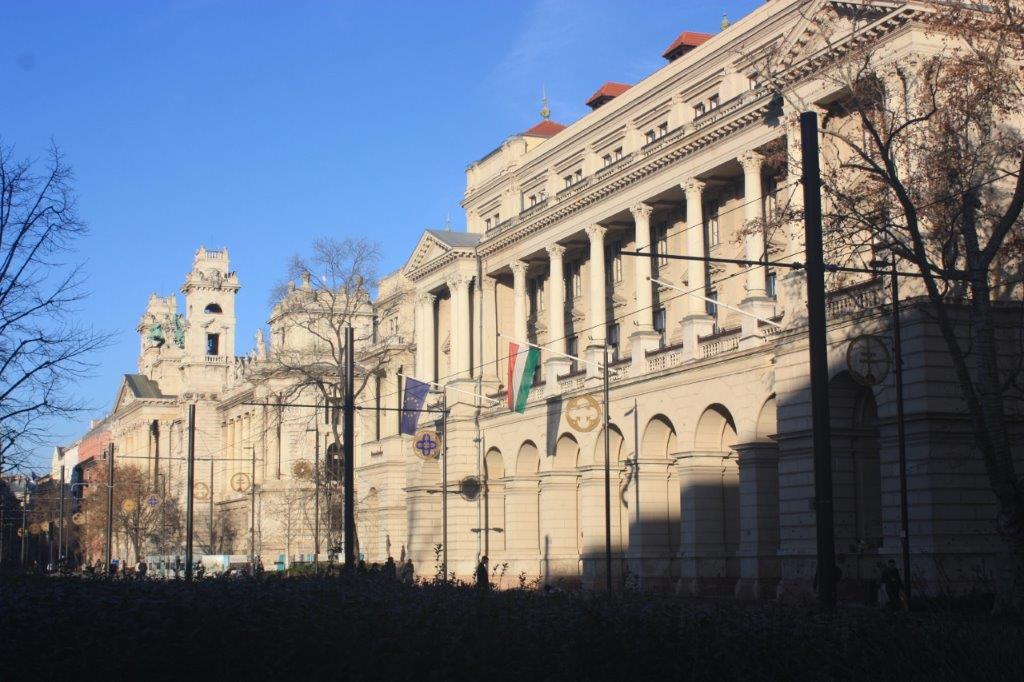


 Tiger Riding for Beginners