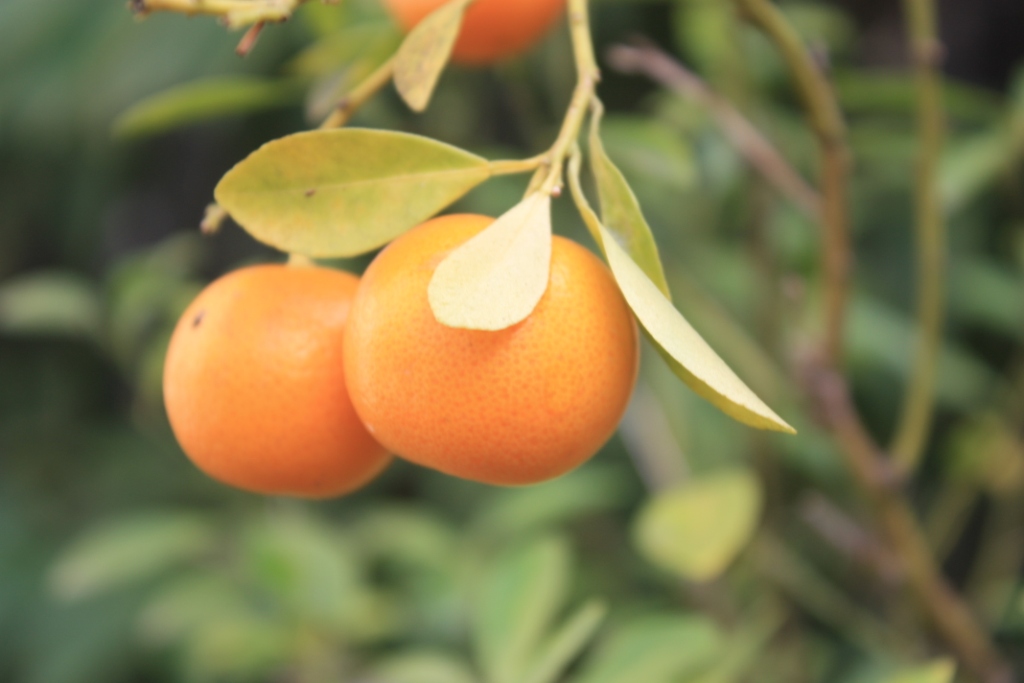
perfect fruit
 still hangs on the tree:
  surviving temptation.

perfect fruit
still hangs on the tree:
surviving temptation.
 Masala Lab : The Science of Indian Cooking by Krish Ashok
Describe your dream chocolate bar.
Dark chocolate (not too bitter) with whole almonds.

A tourist looks back fondly upon
      A favorite destination;
 A traveler is always at it.

A tourist loathes travel hiccups;
 A traveler calls them stories.

A tourist jumps from one
      Postcard vista to the next;
 A traveler moves through the world.

A tourist collects knicknacks & geegaws;
 A traveler collects experiences.

A tourist, between sights, seeks
      A life experience as close to
      Their homelife as possible.
 A traveler wants a life experience
      As close to local as possible.

A tourist has a favorite meal;
 A traveler assumes he hasn't
      Crossed paths with it yet.

A tourist leaves nothing to chance;
 A traveler embraces the spontaneous.

A tourist takes comfort as a main course;
 A traveler uses it like a condiment.
Health, food, air, water, love, and thought… that about covers it.
Sure, why not?
As my personal philosophy precludes having stable favorites, I’ll go with the fruits I had at breakfast (in no particular order): Mango, Banana, Leechee, Watermelon, and Cantaloupe.
I had lunch at a hole-in-the-wall joint with a truly astounding population of flies yesterday.
The meal was delectable.
I don’t have a favorite restaurant, but I do have a type: mom-and-pop hole-in-the-wall that only does a few things but does them all exceedingly well. I don’t care for frou-frou places, and it drives me batty when a place has a thirty-page menu and you have to play the “guess what they actually have” game. I always loved watching Monty Python’s “Cheese Shop Sketch,” but have loathed reprising the John Cleese part in so many restaurants.
Chains have their place in the travel pipeline or in a busy schedule, but I generally prefer a novel experience over a cookie cutter one.
“To make something special, you just have to BELIEVE it’s special.” So sayeth Goose to Panda.
 Buddha Jumps over the Wall, and Other Curiously Named Classic Chinese Dishes: A Graphic Cookbook—26 Recipes & Stories by Ying Chang Compestine


 Tiger Riding for Beginners