KAZAKHSTAN LIMERICK

There was an Eagle Hunter of Kazakhstan,
which sounds like Eagle was hunted by man,
but the Eagle goes hunting,
the man sits doing nothing –
It’s a sweet gig for Eagle Hunters in Kazakhstan.

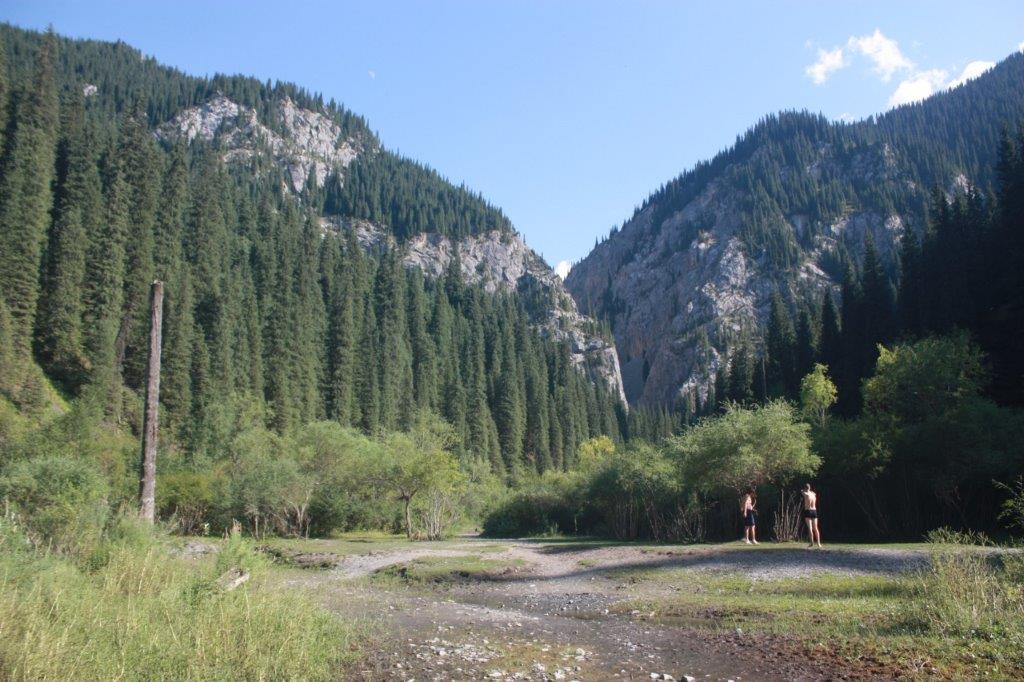
DAILY PHOTO: Mountains at Kaindy Lake

Image

BOOKS: “The Life of Hiuen-Tsiang” by Hui-li [trans. by Samuel Beal]

The Life of Hiuen-TsiangThe Life of Hiuen-Tsiang by Hui-li
My rating: 4 of 5 stars

Available free online through the Indian Gov’t

Those familiar with Chinese Literature (or smash-hit video games) will be acquainted with the tale of Sun Wu Kong, the Monkey King. The central event of the novel Journey to the West is a Chinese Buddhist monk traveling to India to gather a complete set of the Buddhist canon. In the novel (and video game, Black Myth: WuKong,) the monk’s name is Tang Sanzang (in translations – and movie / television – he’s sometimes called Tripitaka, which is actually the name of the Pali Canon — the original Buddhist books, themselves.) In real life there was also such a monk, and his name was Xuanzang (玄奘, Romanized as Hiuen-Tsiang in an earlier system,) and this book describes his travels to, through, and back from India.

It turns out the monk was not escorted by a god-tier mythical creature and his two superpowered compatriots (i.e. Pigsy and Sandy.) For this reason, the actual Xuanzang occasionally got threatened, robbed, and was once almost killed by riverine pirates. This book is a travelogue of Xuanzang’s journeys through China, Central Asia, [present-day] Afghanistan and Pakistan, and throughout India.

Needless to say, this book isn’t as taut and thrilling as the fictional account with its gods and monsters, but – for those with historical and geographic interests – it’s not without appeal. It does have extensive description of Xuanzang’s visits with various monks and royalty that is dry reading as well as discussions of where Xuanzang’s collection stood at any given point, but there are a few intense events and harrowing moments.

If you’re interested in Buddhist history, you may want to give this book a look.

View all my reviews

BOOKS: “A Carpet Ride to Khiva” by Christopher Aslan Alexander

A Carpet Ride to Khiva: Seven Years on the Silk RoadA Carpet Ride to Khiva: Seven Years on the Silk Road by Chris Aslan
My rating: 5 of 5 stars

Publisher Site – ICON Books

“Travel-centric memoir” is how I’d classify this book, but it’s one of those books that isn’t easily categorized. The author cleverly interweaves explorations of Uzbek history and culture with his own story of living in the Uzbek city of Khiva for seven years as an NGO worker and traditional crafts entrepreneur. The side voyages into history and culture not only support the readers’ contextual understanding of the author’s story but also make for a fascinating journey of understanding of the locale. Uzbekistan has had many lives, from beating heart of the Silk Road to forgotten backwater of the Soviet Union, and these many lives have shaped what Uzbekistan is, and what it’s becoming.

I should point out that Uzbekistan has apparently made a hard shift since the days described in this book (late 90’s early 2000’s, i.e. fairly early in the wake of independence from the Soviet Union.) I mention this to avoid discouraging travelers through discussion of the author’s experiences. [I, myself, am planning a trip in the near future.] I’m sure that Uzbekistan continues to have deep-seated problems, but it seems to be making great efforts to be tourist-friendly these days. Which is not to say that the individuals were ever unfriendly to travelers. The author describes an Uzbek people who are warm-hearted, welcoming, and helpful. But when the author was there it was also on the list of the biggest human rights violators, corruption was ubiquitous, and tourism was almost non-existent. In fact, the penultimate chapter of the book describes the author’s experience of a visa denied, ping-ponged deportations, and a life sharply diverted by corruption.

The final chapter is intensely compelling and describes the author’s (late 2000’s) visit to Afghanistan to help apply the lessons he learned in Uzbekistan to building a rug weaving operation in that war-torn country (allowing women to make some money, an activity disallowed by the Taliban before and since.)

This is a fascinating book, and I’d highly recommend it for travelers and those interested this lesser-known part of the world. Even the descriptions of silk production, rug weaving, and natural dyes (topics that I expected wouldn’t resonate with me) were interesting and engaging.

View all my reviews

DAILY PHOTO: The Road to Boris Yeltsin Peak

Image

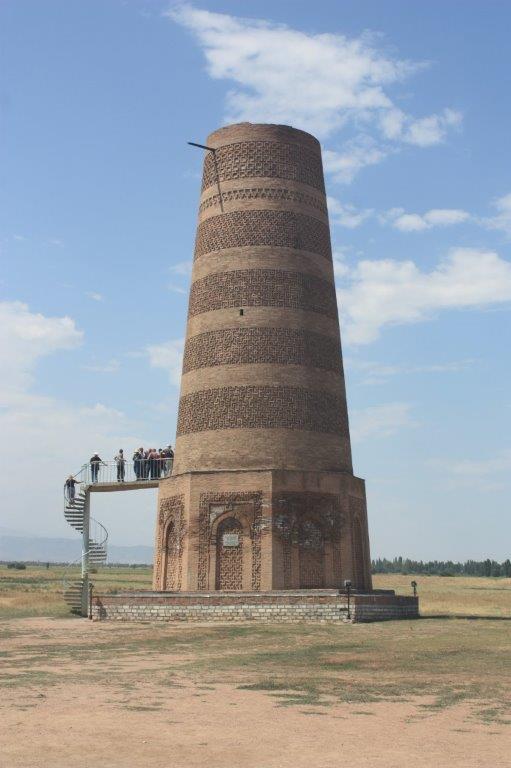
DAILY PHOTO: Burana Minaret, Kyrgyzstan

Originally built in the 11th Century, Burana was almost twice as high (45m to the current 25m,) but was damaged in an earthquake.

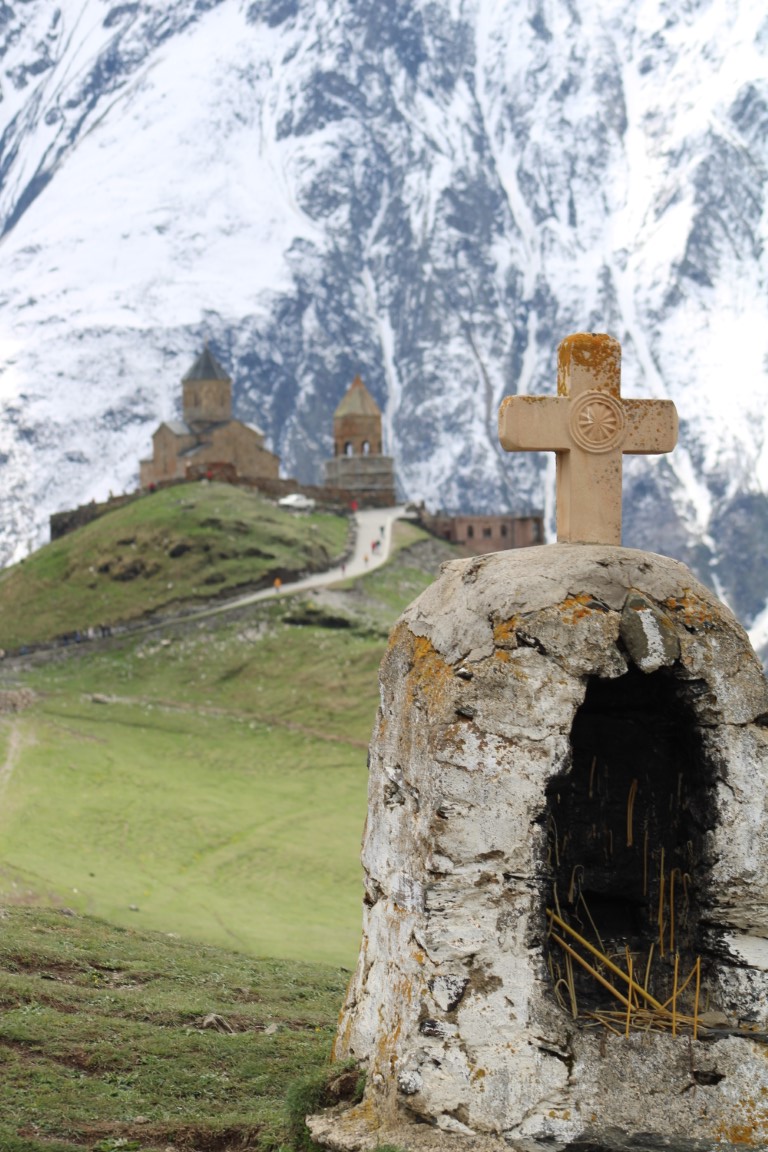
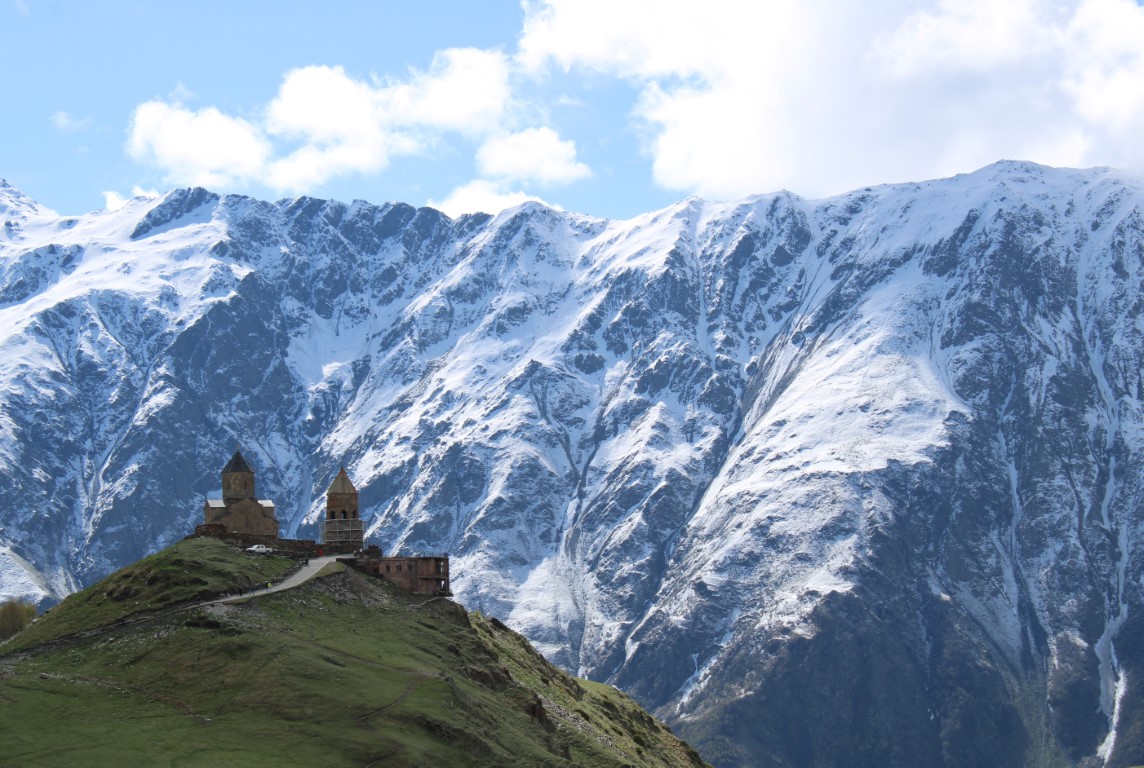
DAILY PHOTO: Shrine, Gergeti Trinity Church

Image

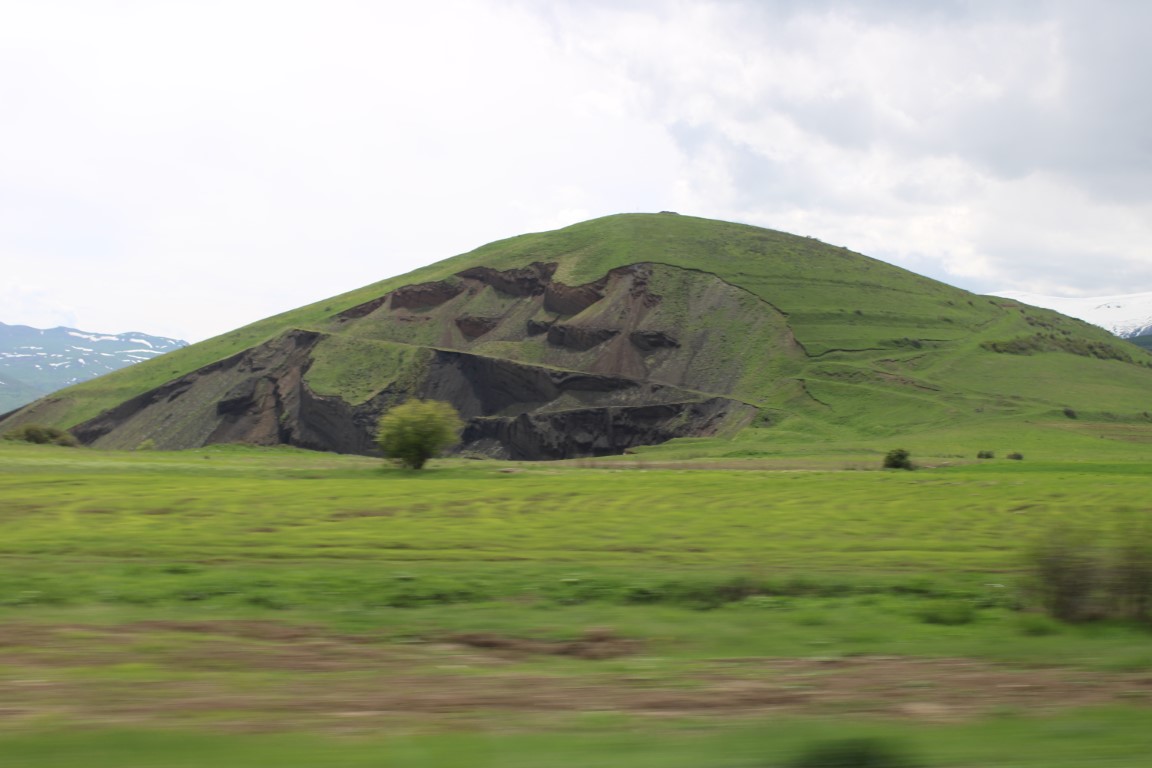
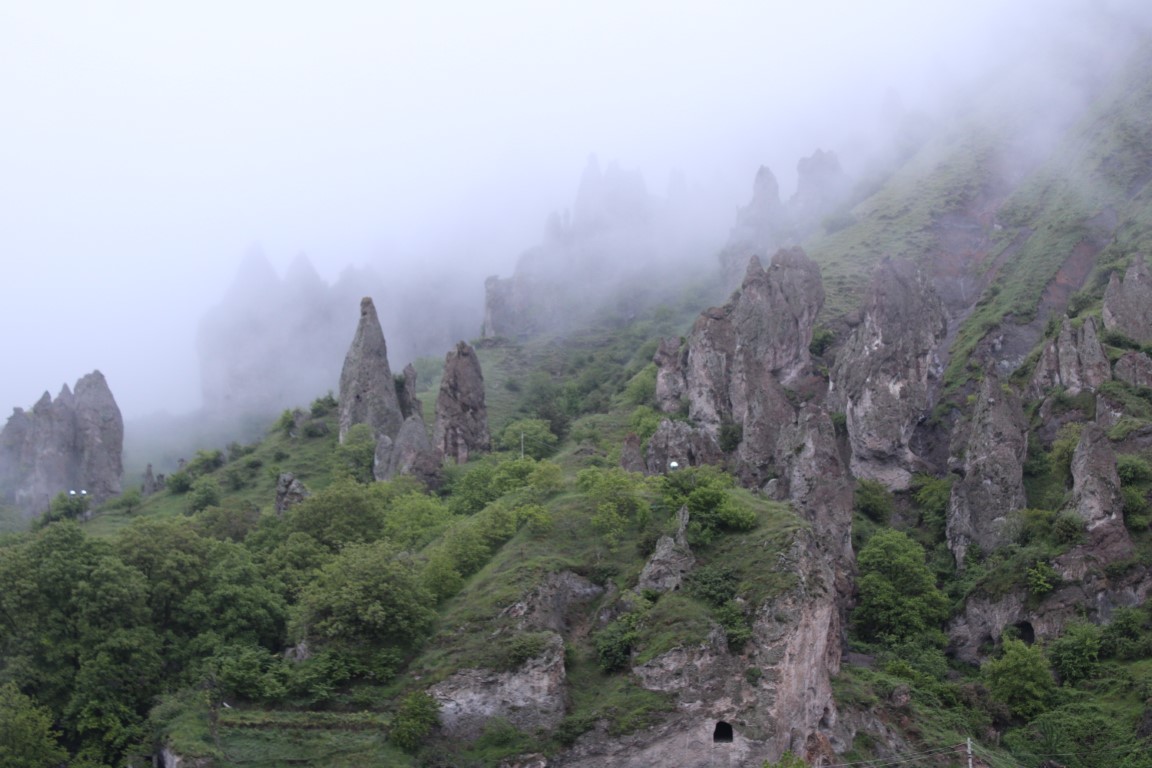
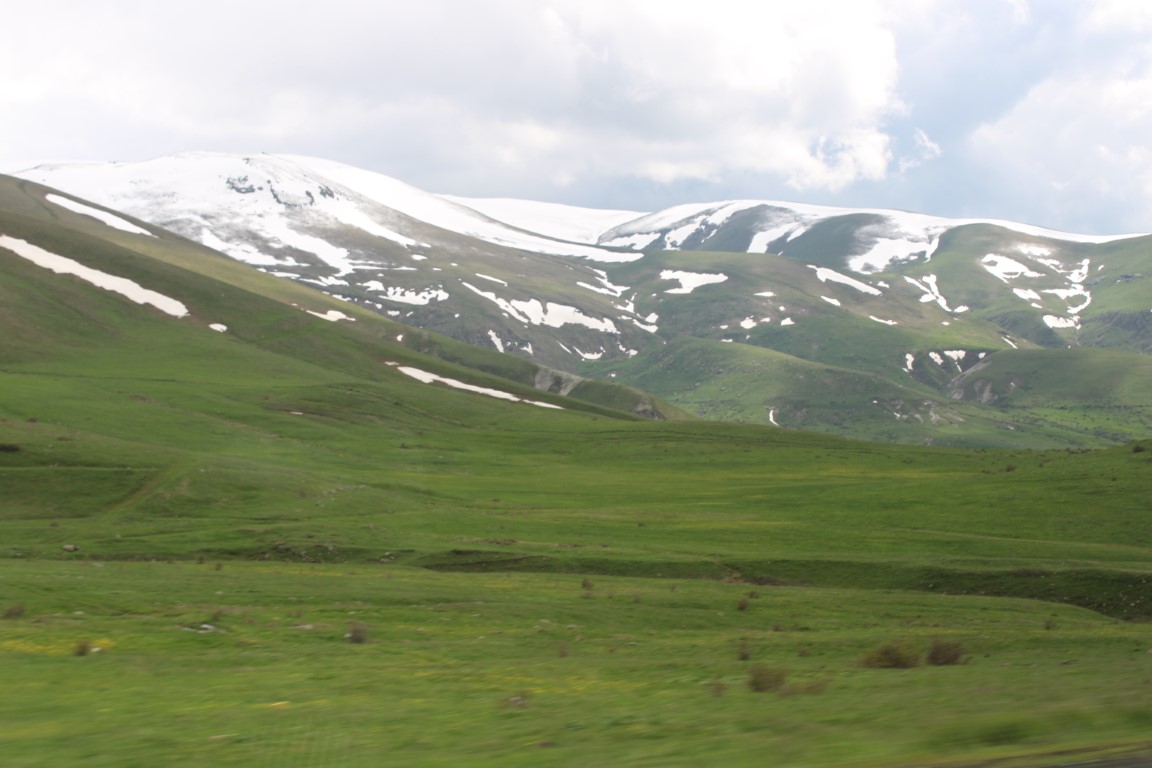
DAILY PHOTO: South Armenian Landscapes

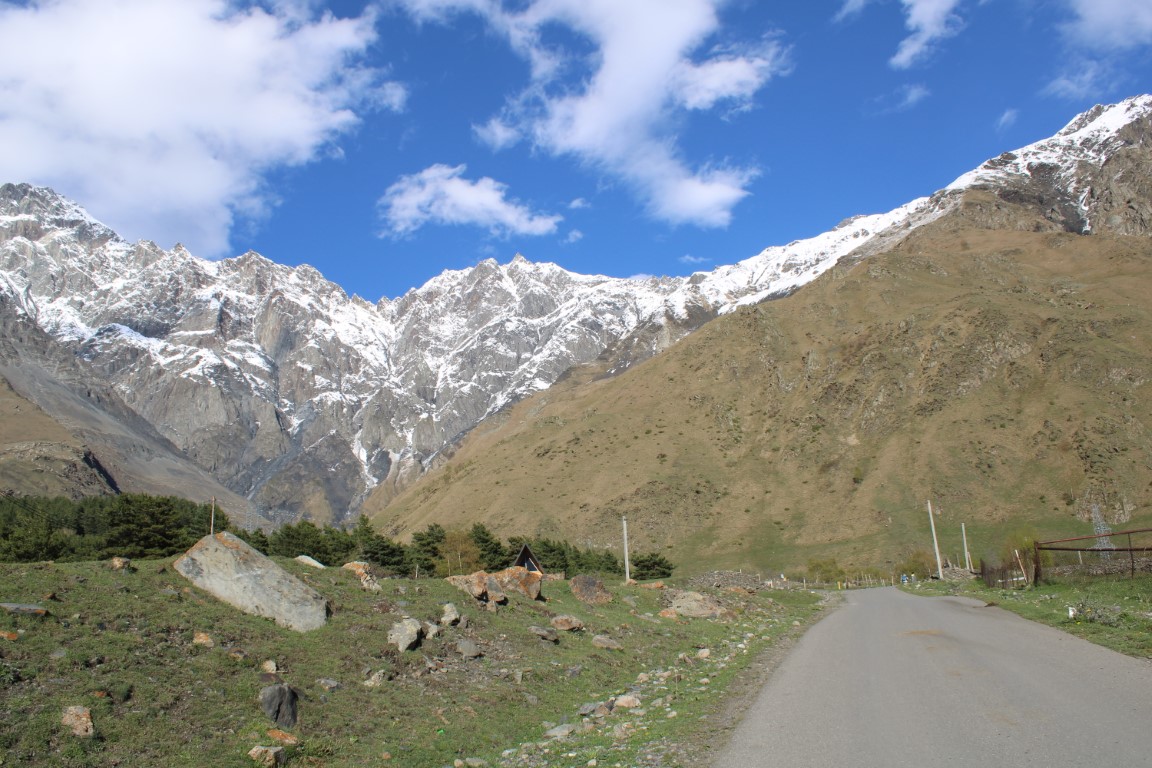
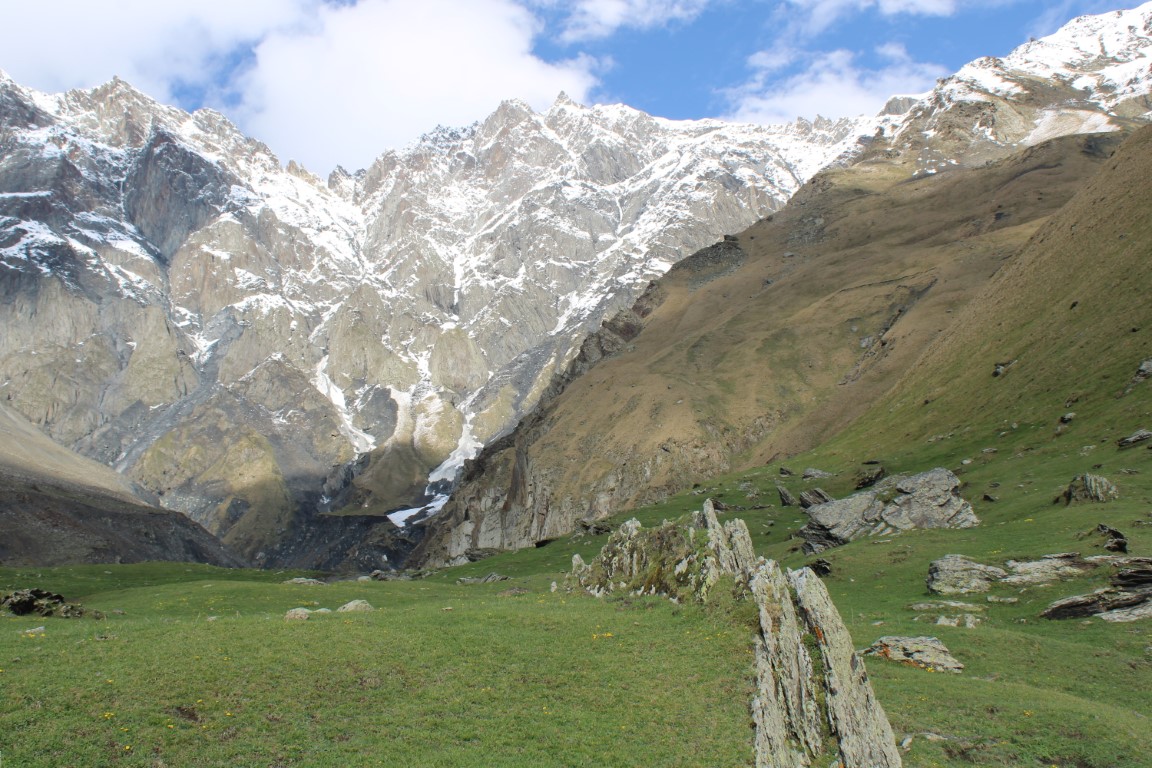
DAILY PHOTOS: A Few Views of Mt. Shani

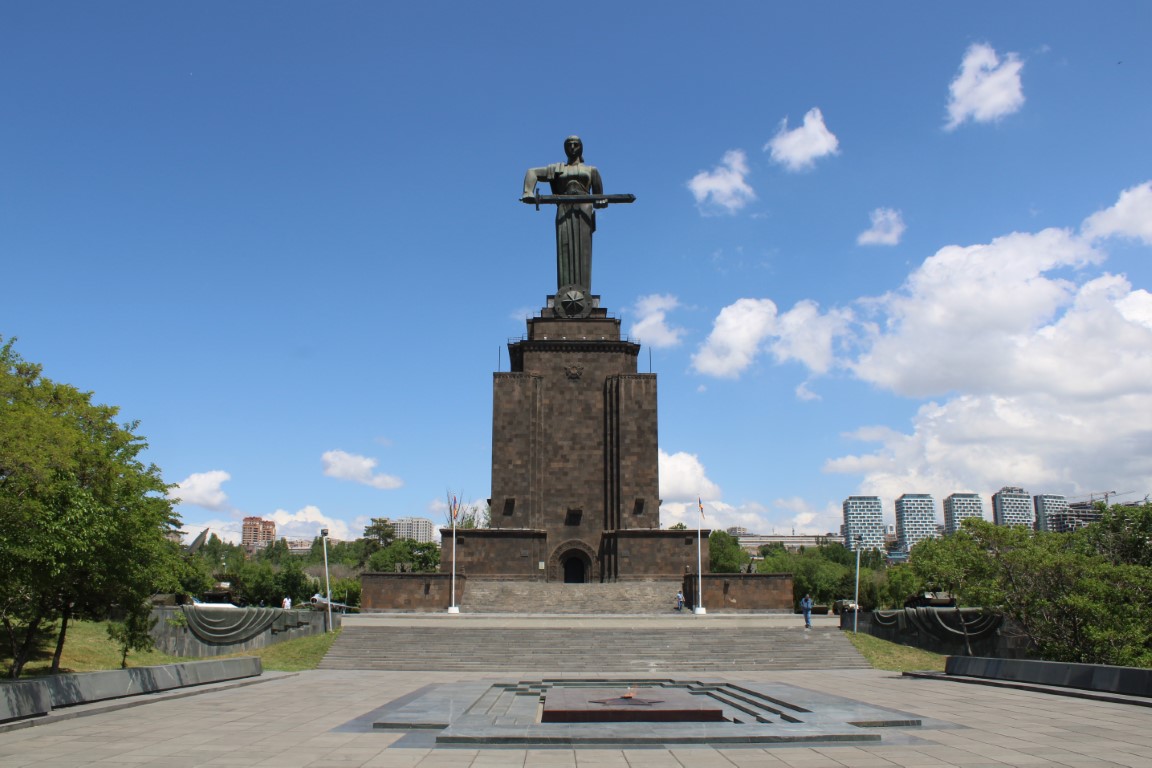
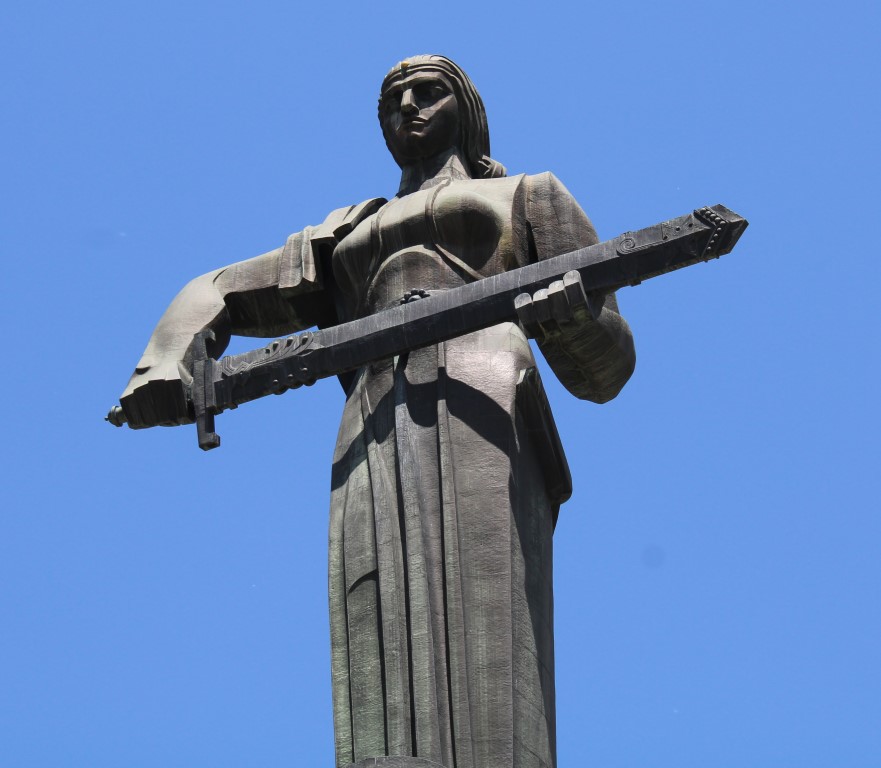
DAILY PHOTO: Mother Armenia