Fish Wu Wei [Haiku]

in flowing water,
fish trio effortlessly
remains in place.

“Weichuan Farmers” [渭川田家] by Wang Wei [王维] [w/ Audio]

Low, warm light lands on the village.
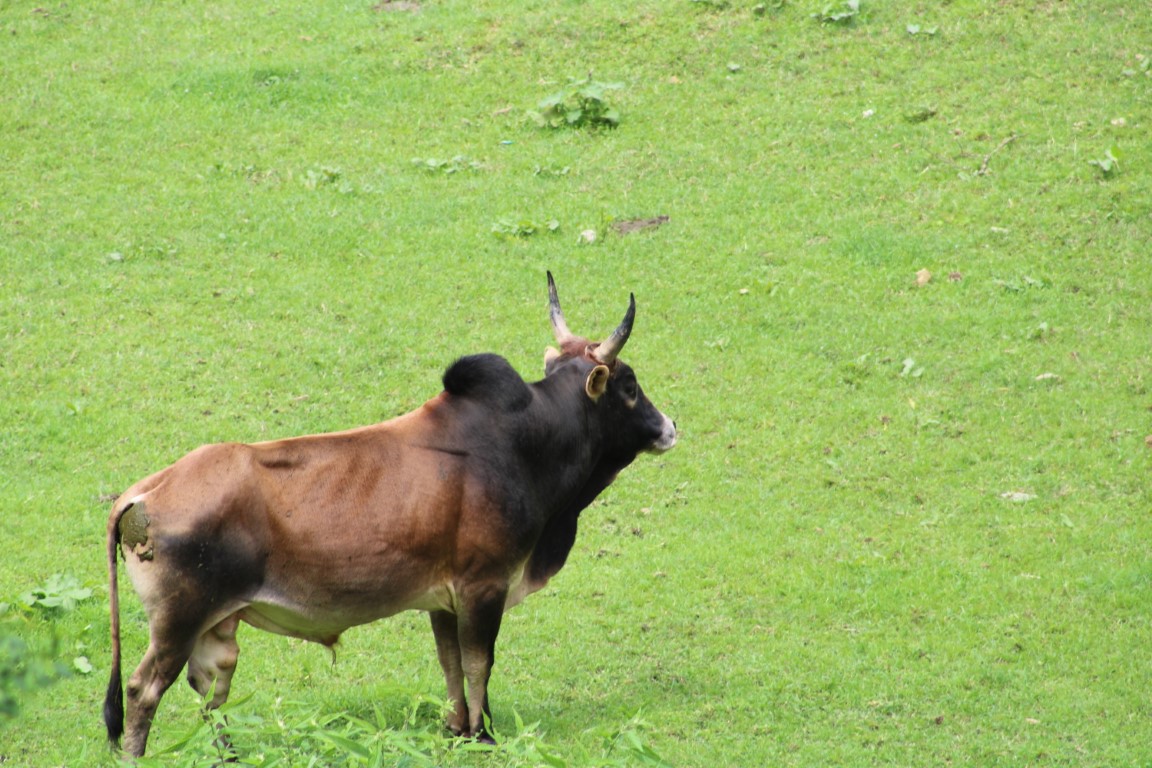
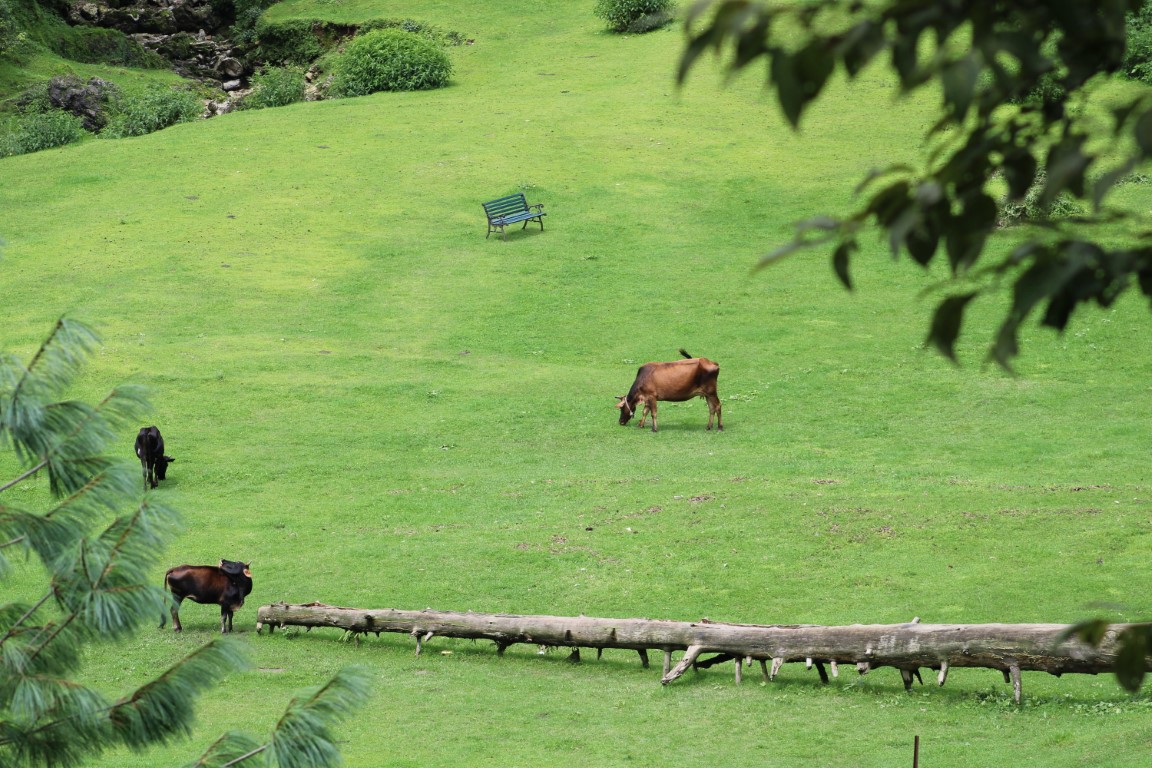
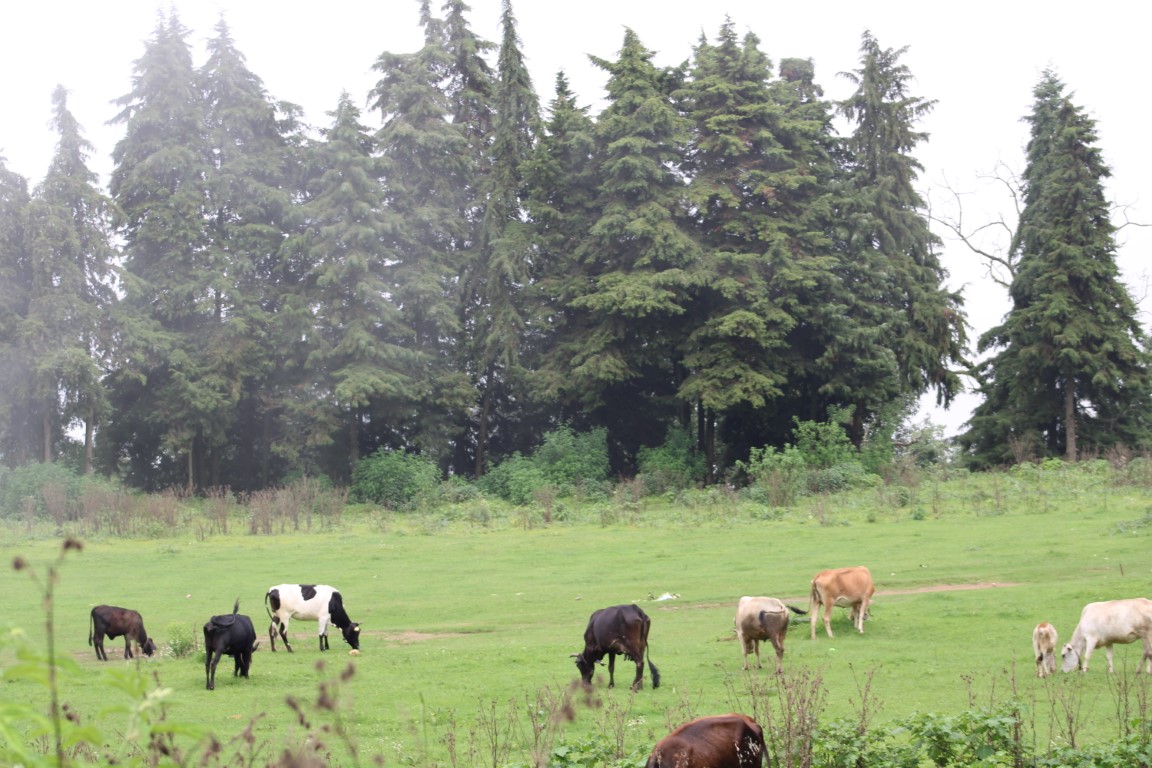
Cattle and sheep trapsing farmward.
Farmer mulls a missing shepherd,
Leaning on his staff, still on guard.
Pheasants cluck, wheat heads are heavy,
Silkworms dormant, mulberry leaves few.
Farmers stand, hoes on their shoulders,
Telling old tales, as if they were new.
How I envy the idle time --
To chat about mankind's decline.

This is poem #16 of the 300 Tang Poems [唐诗三百首.] The original poem in Simplified Chinese is:

斜光照墟落, 穷巷牛羊归。 
野老念牧童, 倚杖候荆扉。
雉雊麦苗秀, 蚕眠桑叶稀。
田夫荷锄立, 相见语依依。
即此羡闲逸, 怅然吟式微。

“The Crocodile” by Lewis Carroll [w/ Audio]

How doth the little crocodile
Improve his shining tail,
And pour the waters of the Nile
On every golden scale!

How cheerfully he seems to grin,
How neatly spreads his claws,
And welcomes little fishes in,
With gently smiling jaws!

PROMPT: Dogs or Cats?

Daily writing prompt
Dogs or cats?

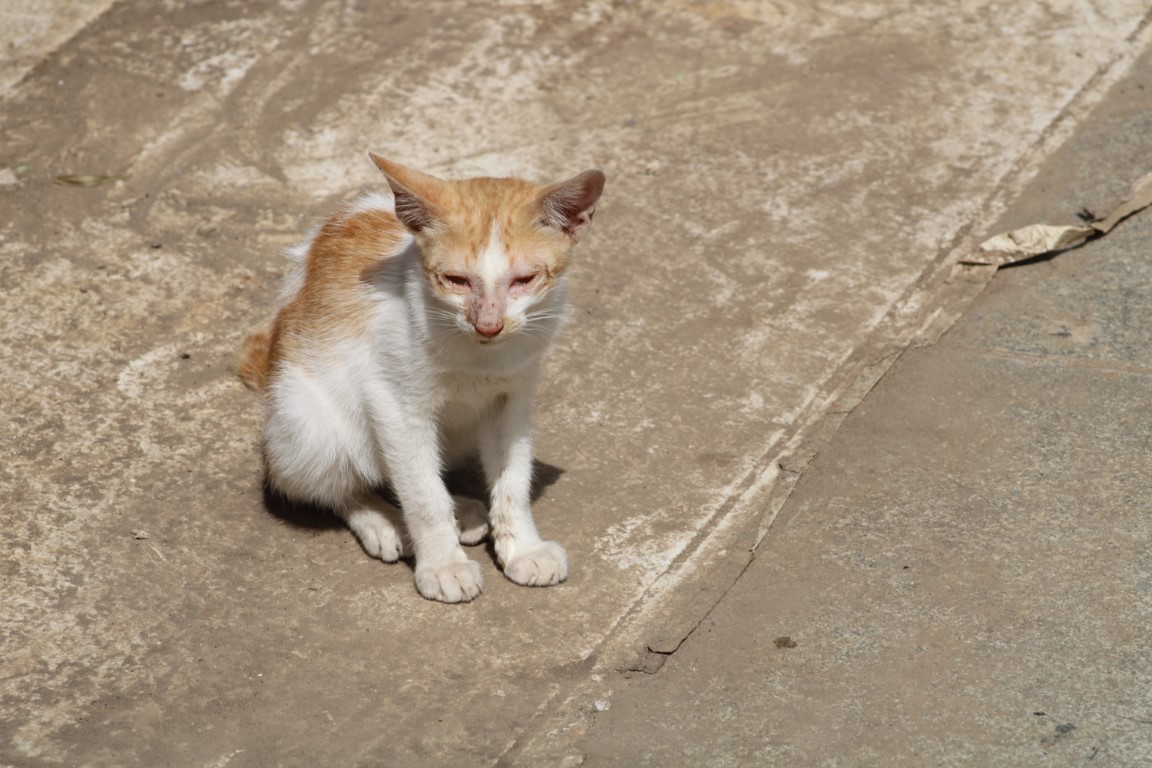
Who would win in an interspecies death match? That’s a tough one. Dogs obviously have size and pack-fighting coordination, but cats are duplicitous, excel at the sneak attack, and are not constrained by moral conventions. (They’ll push things off the counter just to see them fall.) So, I doubt we’ll ever know.

Innercity Magpie [Haiku]

sidewalk amblers
pass within inches
of unruffled magpie.

“The Lion” by Hilaire Belloc [w/ Audio]

The Lion, the Lion, he dwells in the Waste,
He has a big head and a very small waist;
But his shoulders are stark, and his jaws they are grim,
And a good little child will not play with him.

The Common Hoopoe [Lyric Poem]

Let me introduce the Common Hoopoe:
It can raise its crown when it wants to.
With me, it didn't (as you may have guessed;)
I suppose it was just unimpressed.

The Fire-Bellied Toad [Lyric Poem]

Let me give you a Fire-Bellied Toad fun fact:
They're party in the front, camo in the back.
With safety vest wrong side up on this toad,
You'll often find them squashed on a road.

Heron [Haiku]

a heron stalks
amid rice seedlings:
mild Summer day.

BOOK: “Seven Animal Postures” by Jeogun [Trans. by Dowon]

Seven Animal PosturesSeven Animal Postures by Jeogun
My rating: 4 of 5 stars

Publisher Information – Sunmudo Daegeumgangmun Foundation

I bought this book in the gift shop of Golgulsa Temple [i.e. Stone Buddha Temple,] in the countryside outside of Gyeongju, South Korea. Golgulsa is a fascinating place. It’s sort of the Shaolin Temple of Korea, teaching martial arts and qigong (energy work) alongside meditation and Buddhist philosophy. The Korean Buddhist martial art is called Sunmudo, and I’d never heard of it before traveling to Korea.

At any rate, this book is a 35-page guide to a set of qigong practices known as the “Seven Animal Postures” (or Yeongdongipgwan.) It’s a set of exercises that are similar to qigong practices like the Eight Pieces Brocade, and not greatly dissimilar to yogasana (i.e. yoga’s postural practices.) [FYI: The animals of these exercises are Tiger, Dragon, Deer, Monkey, Bear, Turtle, and Crane.]

The book offers a little bit of background on Sunmudo and the benefits of it, but is mostly a guide to the movement, breath, and postural details of these seven exercises. It has line drawings to help elaborate upon the text. My only gripe would be that the paper the book is printed on to make it more visually interesting has blocks of darker color that make it a little harder to read than is necessary.

If you are interested in qigong or yogic practices that are a bit more off the beaten path, you may find this one interesting.

View all my reviews