The earth expanding right hand and left
   hand,
 The picture alive, every part in its best light,
 The music falling in where it is wanted, and
   stopping where it is not wanted,
 The cheerful voice of the public road, the
   gay fresh sentiment of the road.

O highway I travel, do you say to me Do
   not leave me?
 Do you say Venture not--if you leave me
   you are lost?
 Do you say I am already prepared, I am
   well-beaten and undenied, adhere to me?

O public road, I say back I am not afraid to
   leave you, yet I love you,
 You express me better than I can express
   myself,
 You shall be more to me than my poem.

I think heroic deeds were all conceiv'd in the
   open air, and all free poems also,
 I think I could stop here myself and do
   miracles,
 I think whatever I shall meet on the road I
   shall like, and whoever beholds me shall
   like me,
 I think whoever I see must be happy.
You air that serves me with breath to speak!
 You objects that call from diffusion my
   meanings and give them shape!
 You light that wraps me and all things in
   delicate equable showers!
 You paths worn in the irregular hollows by
   the roadsides!
 I believe you are latent with unseen
   existences, you are so dear to me.

You flagg'd walks of the cities! you strong
   curbs at the edges!
 You ferries! you planks and posts of wharves!
   you timber-lined sides! you distant ships!

You rows of houses! you window-pierc'd
   façades! you roofs!
 You porches and entrances! you copings and
   iron guards!
 You windows whose transparent shells
   might expose so much!
 You doors and ascending steps! you arches!
 You gray stones of interminable pavements!
   you trodden crossings!
 From all that has touch'd you I believe you
   have imparted to yourselves, and now
   would impart the same secretly to me,
 From the living and the dead you have
   peopled your impassive surfaces, and the
   spirits thereof would be evident and
   amicable with me.
You road I enter upon and look around, I
   believe you are not all that is here,
 I believe that much unseen is also here.

Here the profound lesson of reception, nor
   preference nor denial,
 The black with his wooly head, the felon,
   the diseas'd, the illiterate person, are not
   denied;
 The birth, the hasting after the physician,
   the beggar's tramp, the drunkard's stagger,
   the laughing party of mechanics,
 The escaped youth, the rich person's
   carriage, the fop, the eloping couple,

The early market-man, the hearse, the
   moving of furniture into the town, the
   return back from the town,
 They pass, I also pass, any thing passes,
   none can be interdicted,
 None but are accepted, none but shall be
   dear to me.
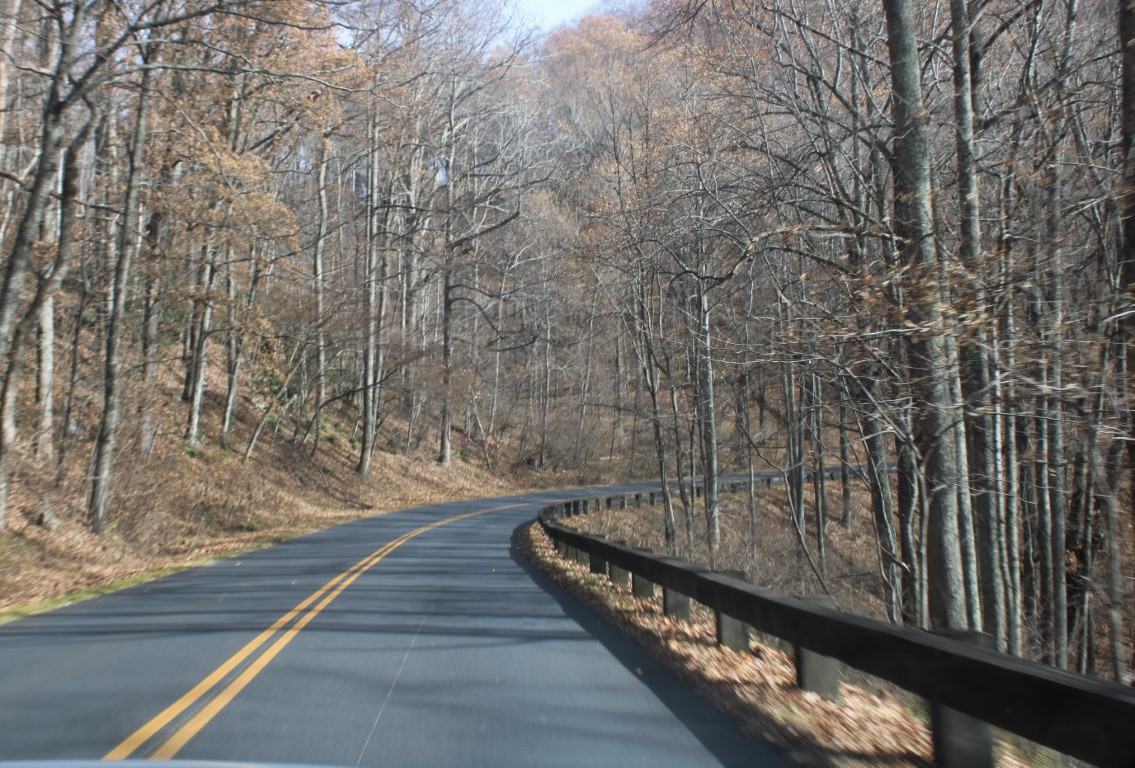
Afoot and light-hearted I take to the open
   road,
 Healthy, free, the world before me,
 The long brown path before me leading
   wherever I choose.

Henceforth I ask not good-fortune, I myself
   am good-fortune,
 Henceforth I whimper no more, postpone
   no more, need nothing,
 Done with indoor complaints, libraries,
   querulous criticisms,
 Strong and content I travel the open road.

The earth, that is sufficient,
 I do not want the constellations any nearer,
 I know they are very well where they are,
 I know they suffice for those who belong to
   them.

(Still here I carry my old delicious burdens,
 I carry them, men and women, I carry them
   with me wherever I go,
 I swear it is impossible for me to get rid of
   them,
 I am fill'd with them, and I will fill them in
   return.)
I know what my heart is like
   Since your love died:
 It is like a hollow ledge
 Holding a little pool
   Left there by the tide,
   A little tepid pool,
 Drying inward from the edge.
Available online at Project Gutenberg
As the title suggests, this is all the published poetry of Paul Laurence Dunbar. With a career pre-dating the Harlem Renaissance, during which lyric poetry ruled the roost, Dunbar may not be as well-known today as several of the African American poets who came later, but it’s not for being any less masterful.
The collection includes a wide variety of lyric forms from simple quatrains to intermediate length poems of several pages. The content and tones also vary, and there is often a sense of whimsy in the poems that goes beyond just being lyrical in form. Dunbar wrote both in dialect and in standard English. He was a big fan of James Whitcomb Riley’s dialectal work, as a poem in Riley’s honor attests. The dialect poems are easy enough to follow and are a pleasure to read. Dunbar was by no means limited to dialectal writing; he also wrote in Standard English cleverly, and the juxtaposition of his very “proper” poems and the dialectal ones shows a great range.
I’d highly recommend this collection for poetry readers, particularly those who enjoy lyric and dialectal poems.
Passage O soul to India!
 Eclaircise the myths Asiatic, the primitive
   fables.

Not you alone, proud truths of the
   world,
 Nor you alone, ye facts of modern
   science,
 But myths and fables of eld, Asia's, Africa's
   fables,
 The far-darting beams of the spirit, the
   unloos'd dreams,
 The deep diving bibles and legends,
 The daring plots of the poets, the elder
   religions;
 O you temples fairer than lilies, pour'd over
   by the rising sun!
 O you fables, spurning the known, eluding
   the hold of the known, mounting to
   heaven!
You lofty and dazzling towers, pinnacled,
   red as roses, burnish'd with gold!
 Towers of fables immortal, fashion'd from
   mortal dreams!
 You too I welcome, and fully, the same as
    the rest!
 You too with joy I sing.

Passage to India!
 Lo, soul! seest thou not God's purpose from
   the first?
 The earth to be spann'd, connected by
   network,
 The races, neighbors, to marry and be given
   in marriage,
 The oceans to be cross'd, the distant
   brought near,
 The lands to be welded together.

A worship new I sing,
 You captains, voyagers, explorers,
   yours,
 You engineers, you architects, machinists,
   yours,
 You, not for trade or transportation only,
 But in God's name, and for thy sake, O
   soul.
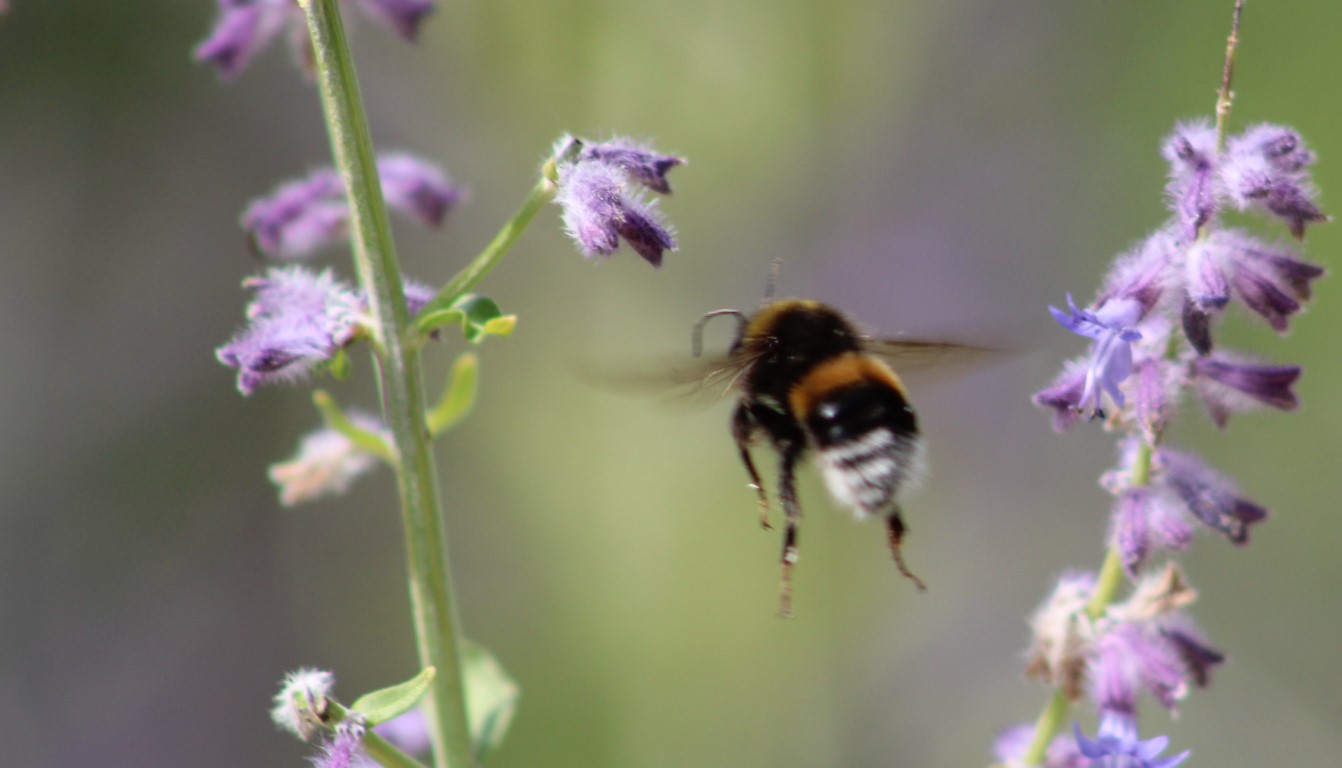
You better not fool with a Bumblebee!--
 Ef you don't think they can sting -- you'll see!
 They're lazy to look at, an' kind o' go
 Buzzin' an' bummin' aroun' so slow,
 An' ac' so slouchy an' all fagged out,
 Danglin' their legs as they drone about
 The hollyhawks 'at they can't climb in
 'Ithout ist a-tumble-un out ag'in!
 Wunst I watched one climb clean 'way
 In a jimson-blossom, I did, one day,--
 An' I ist grabbed it -- an' nen let go--
 An' "Ooh-ooh! Honey! I told ye so!"
 Says The Raggedy Man; an' he ist run
 An' pullt out the stinger, an' don't laugh none,
 An' says: "They has be'n folks, I guess,
 'At thought I wuz prejudust, more or less, --
 Yit I still muntain 'at a Bumblebee
 Wears out his welcome too quick fer me!"