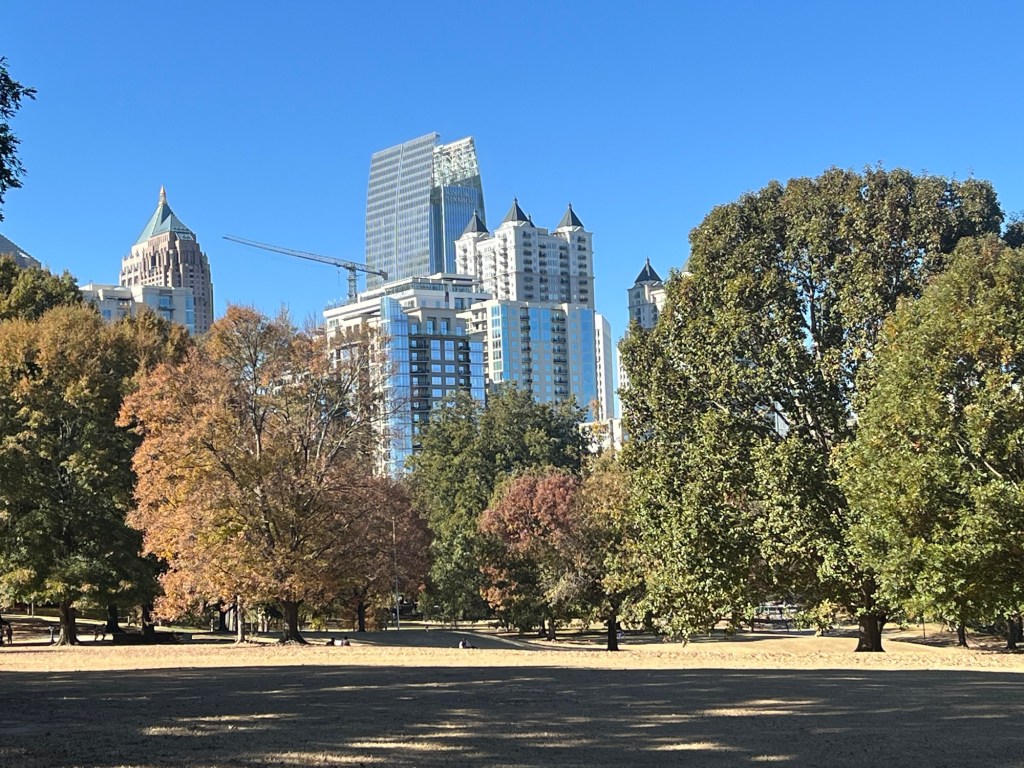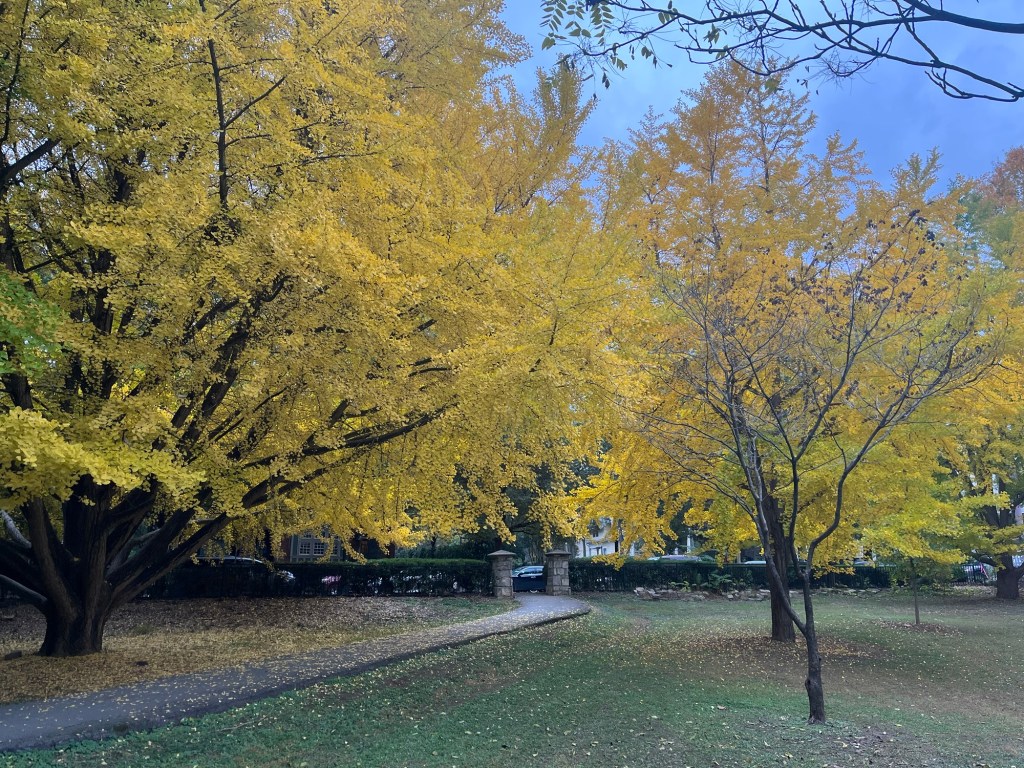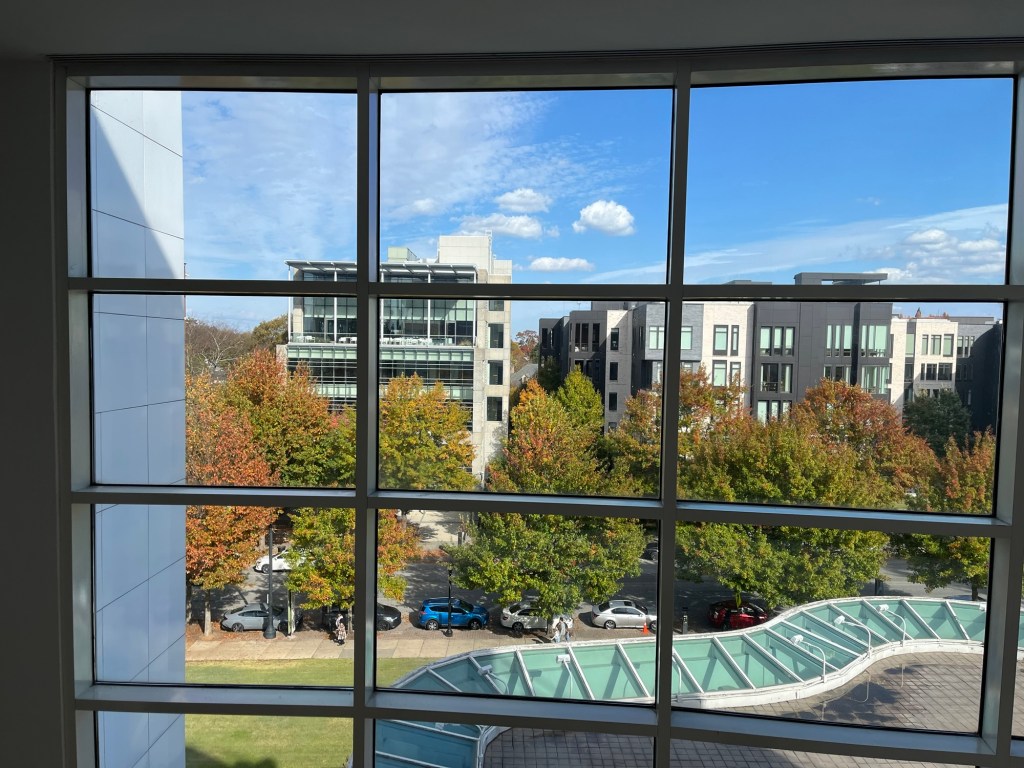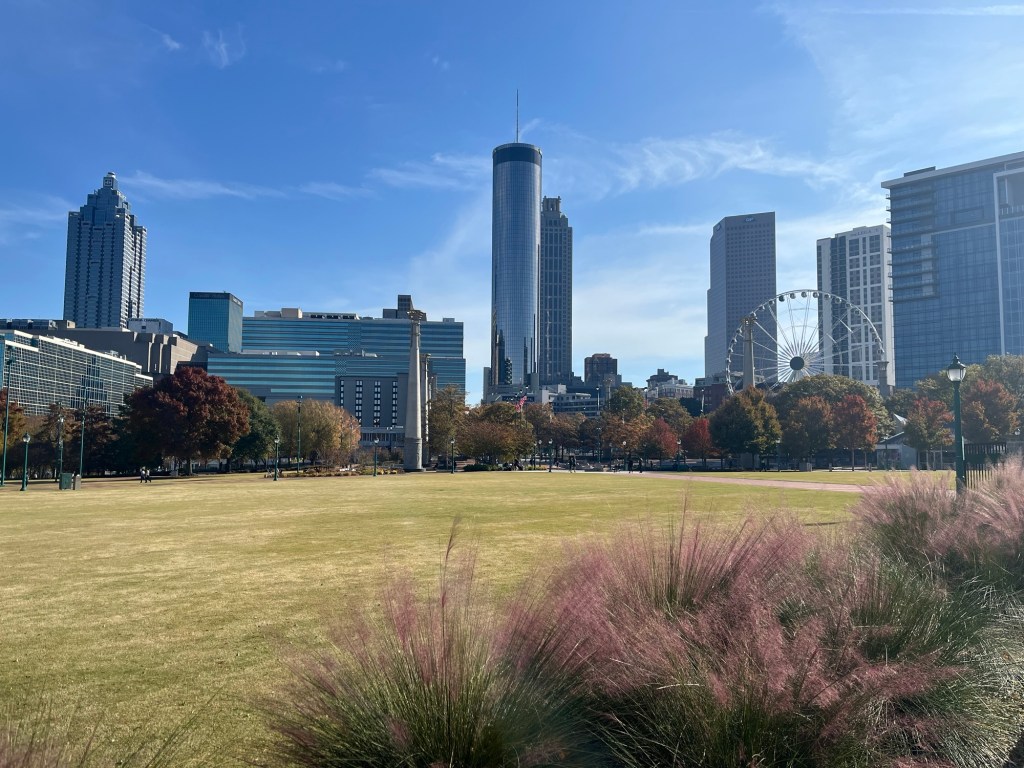
DAILY PHOTO: Evergreen & Pasture in Autumn

Image

“I Sing the Body Electric” [6 of 9] by Walt Whitman [w/ Audio]

The male is not less the soul nor more, he
too is in his place,
He too is all qualities, he is action and
power,
The flush of the known universe is in him,
Scorn becomes him well, and appetite and
defiance become him well,
The wildest largest passions, bliss that is
utmost, sorrow that is utmost become
him well, pride is for him,
The full-spread pride of man is calming and
excellent to the soul,
Knowledge becomes him, he likes it always,
he brings every thing to the test of
himself,
Whatever the survey, whatever the sea and
the sail he strikes soundings at last only
here,
(Where else does he strike soundings except
here?)

The man's body is sacred and the woman's
body is sacred,
No matter who it is, it is sacred -- is it the
meanest one in the laborers' gang?
Is it one of the dull-faced immigrants just
landed on the wharf?
Each belongs here or anywhere just as much
as the well-off, just as much as you,
Each has his or her place in the procession.

(All is a procession,
The universe is a procession with measured
and perfect motion.)

Do you know so much yourself that you call
the meanest ignorant?
Do you suppose you have a right to a good
sight, and he or she has no right to a
sight?
Do you think matter has cohered together
from its diffuse float, and the soil is on
the surface, and water runs and
vegetation sprouts,
For you only, and not for him and her?

DAILY PHOTO: Chicago River from North Wabash Bridge

DAILY PHOTO: A Few Views of Stone Mountain Lake

“Long, too long America” by Walt Whitman [w/ Audio]

Long, too long America,
Traveling roads all even and peaceful you learn'd from joys and prosperity only,
But now, ah now, to learn from crises of anguish, advancing, grappling with direst fate and recoiling not,
And now to conceive and show to the world what your children en-masse really are,
(For who except myself has yet conceiv'd what your children en-masse really are?)

DAILY PHOTO: Summer Scenes, Arabia Mountain Park

DAILY PHOTO: Chicago Mural, Two Views

DAILY PHOTO: Atlanta Midtown

DAILY PHOTO: Chicago Street Scenes

BOOKS: “Smoke and Ashes” by Amitav Ghosh

Smoke and Ashes: A Writer's Journey through Opium's Hidden HistoriesSmoke and Ashes: A Writer’s Journey through Opium’s Hidden Histories by Amitav Ghosh
My rating: 5 of 5 stars

Amazon.in Page

Release Date: February 15, 2024 [NOTE: for this edition; the book is already out in some markets in some additions.]

Ghosh has written a fascinating exploration of the profound global consequences of that pretty red flower, the opium poppy. I find the events surrounding the Opium Wars to be among the most incredible stories humanity has written. It is mind-blowing that a substance could be so utterly addictive as to spur wars and global social and economic upheavals. That substance is, of course, tea. Ah, you thought I was going to say opium (or its relative, heroin,) didn’t you? But while opium is fantastically addictive, its addicts were by-and-large in peaceful stupors in (or on) their clouds during the time in question. It is the uppity Earl Grey addict who was draining Britain’s treasury of precious metals, and — as addicts do in their impoverished desperation — turned to dealing drugs.

There have been many books written on this subject, but Ghosh carves himself a niche. First, while accounts often focus tightly upon the central adversarial relationship of Britain versus China, Ghosh examines at leisure the roles of two lesser discussed players — India (not only as a subject of Great Britain but also as an autonomous actor) and America. The importance of India’s involvement, from being a major producer and processor of opium to sourcing the sepoys who actually fought the Opium Wars, has been largely ignored, and Ghosh helps to clear up distortions in the historical record. Second, the book investigates questions around America’s opioid crisis and what history can tell us about its drivers. In particular, what does the China’s explosion of addiction tell us about what might have spurred America’s crisis?

This is a readable and compelling nonfiction exploration of the influence of opium from a writer who has produced novels (e.g. the “Sea of Poppies” trilogy) set around these historical events.

I’d highly recommend this book for individuals interested in the influence of Opium, particularly if one is curious about how history relates to the recent crises and what role Indians and Americans played in events.

View all my reviews