DAILY PHOTO: Zebra Blocks Cape Buffalo Portrait
Image
Reply
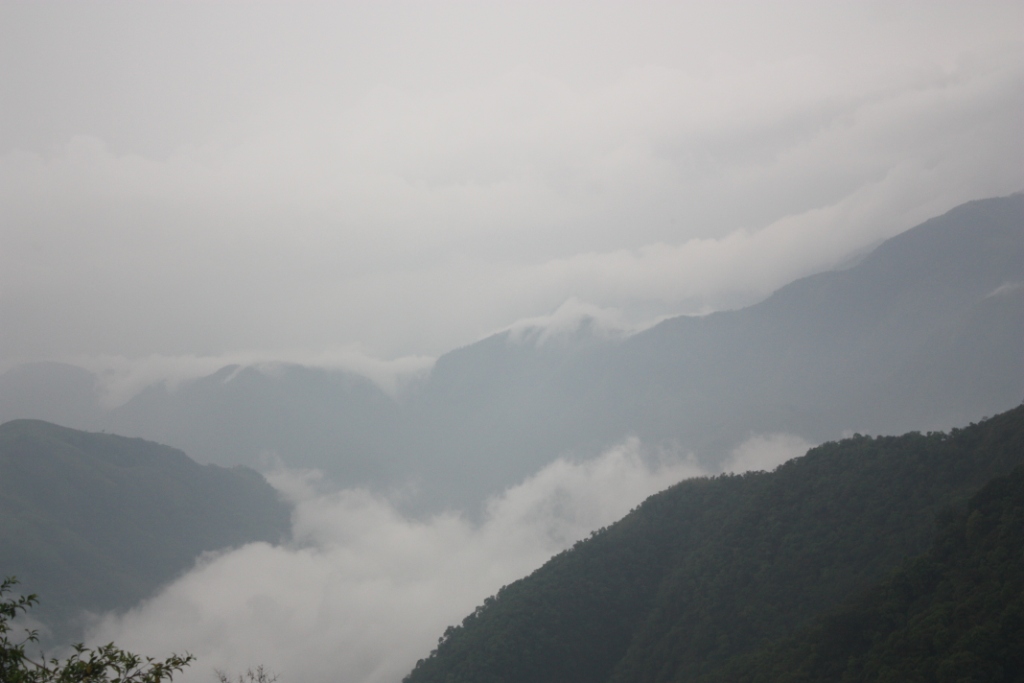
In the face of heavy morning cloud again
   And drizzling evening rain,
 Leaning on each other, rugged the hills remain.

The Gorge of Witch and lofty peaks
   Lock in the Southern Palace rosy cheeks.

In spring the halberds move in force,
   Maids in fair dress welcome heroes on horse,
 To the riverside town they go only.

I come to the wasteland a thousand miles away,
   With my shadow so lonely.

How can I become cheerful and gay?

It is said the Southern land is so high,
   It nearly scrapes the sky.
 To the capital I stretch my eye,
   I see but misty water far and nigh.

When I drank in the hall,
   My friends were talents all.

Songstresses sang with rosy face
   And dancers danced with grace,
 Drunk, they intoxicated the place.

Hearing the cuckoo's home-going song
   All the night long,
 Could I resist my yearning strong?
Translation: Xu Yuanchong [translator]. 2021. Deep, Deep the Courtyard. [庭院深深.] Cite Publishing: Kuala Lumpur, pp. 191-192.
Move playfully.

       Anyone
 can see beauty
     in the flawless.

       Artists
 can see beauty
     in the flawed.

       Sages
 can see beauty
     in chaos.

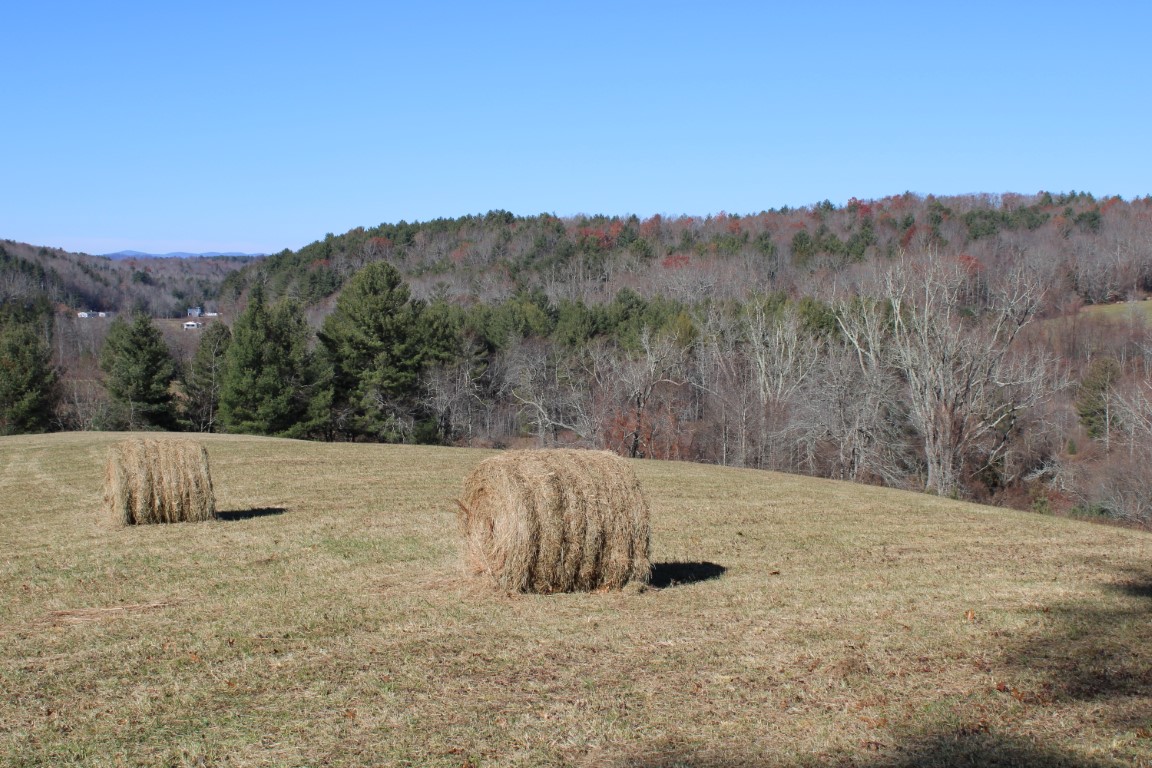
Happy the man, whose wish and care
   A few paternal acres bound,
 Content to breathe his native air,
                    In his own ground.

Whose herds with milk, whose fields with bread,
   Whose flocks supply him with attire,
 Whose trees in summer yield him shade,
                    In winter fire.

Blest, who can unconcernedly find
   Hours, days, and years slide soft away,
 In health of body, peace of mind,
                    Quiet by the day,

Sound sleep by night; study and ease,
   Together mixed; sweet recreation;
 And innocence, which most does please,
                    With meditation.

Thus let me live, unseen, unknown;
   Thus unlamented let me die;
 Steal from the world, and not a stone
                    Tell where I lie.
What tattoo do you want and where would you put it?
I have no interest in tattoos. I’m with the Buddhists on “all is impermanence” and the idea that there is some message that would be poignant for the rest of my days seems silly and unlikely.
Plus I’ve seen so many bad ones: faces that look demented, Chinese characters that make no sense (and/or are upside-down or sideways.) So, no thanks.
 One Hundred Poems of Kabir by Kabir