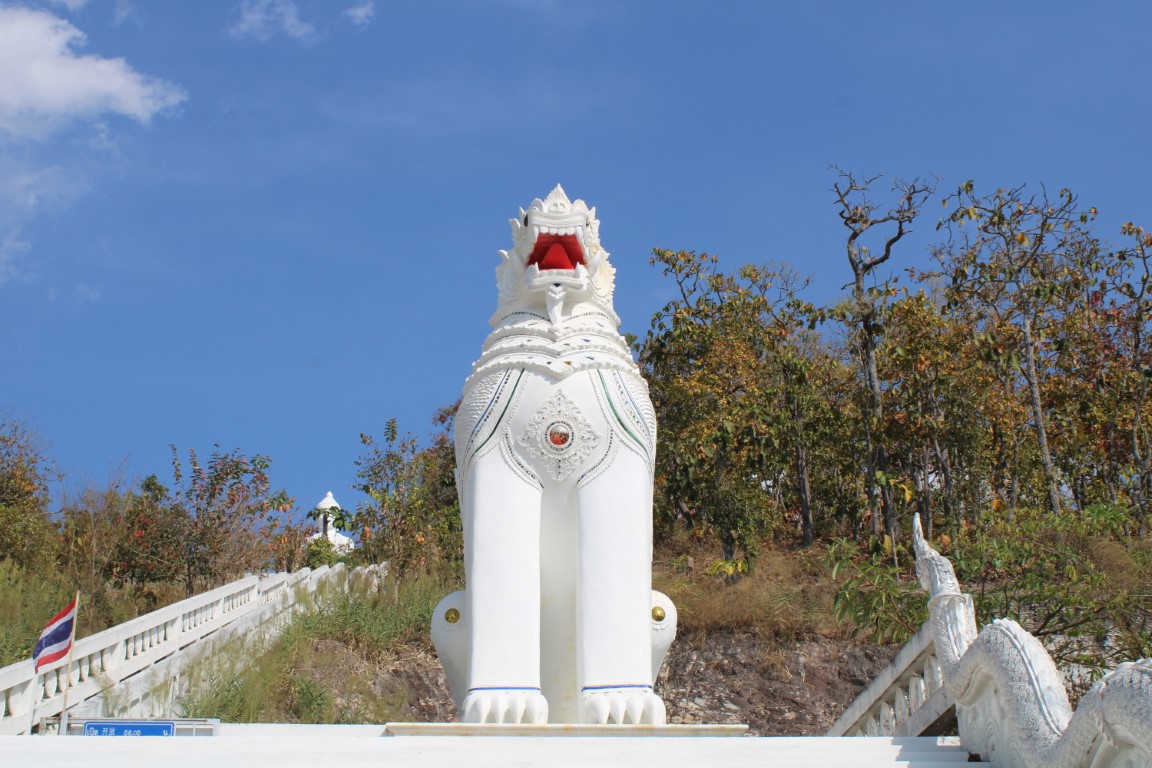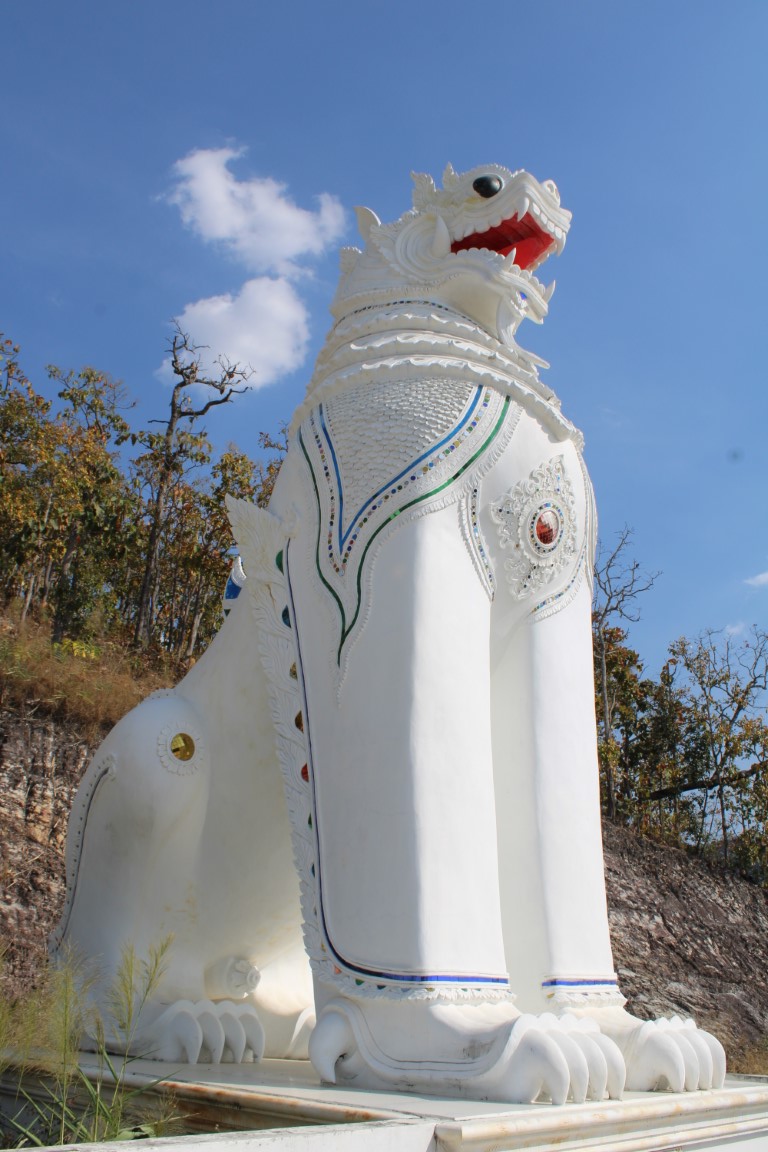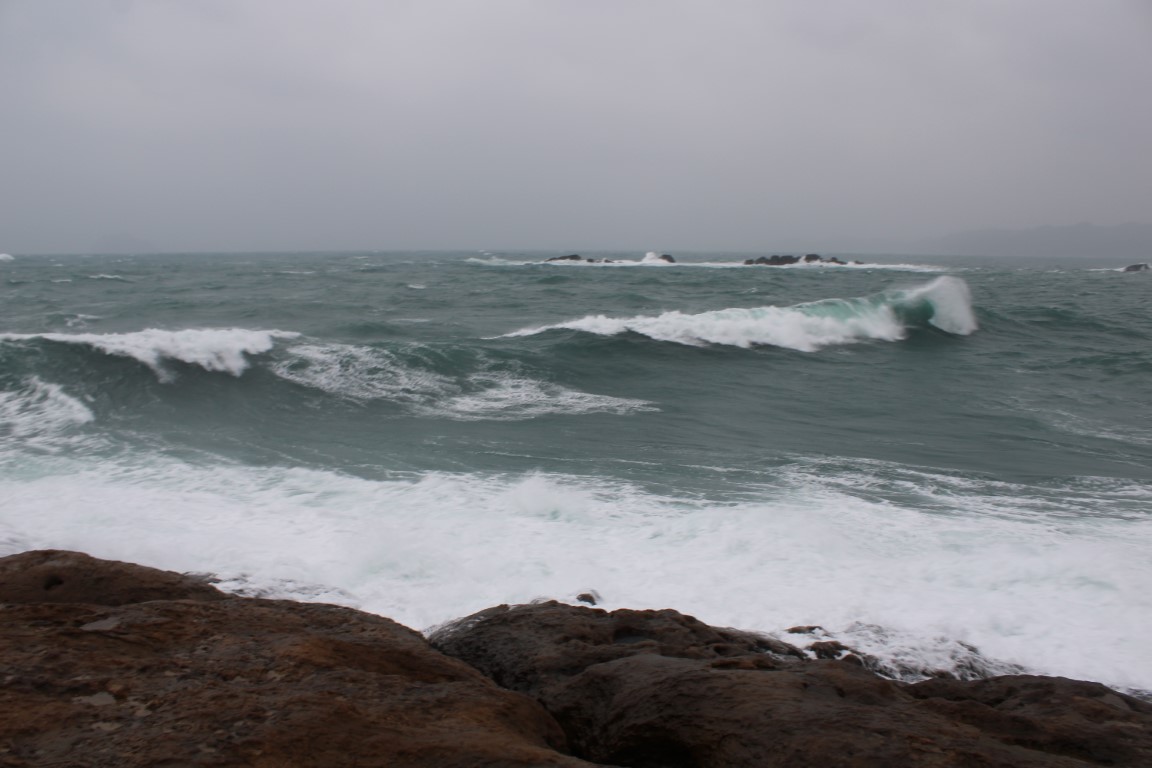
Cold Mountain [Haiku]

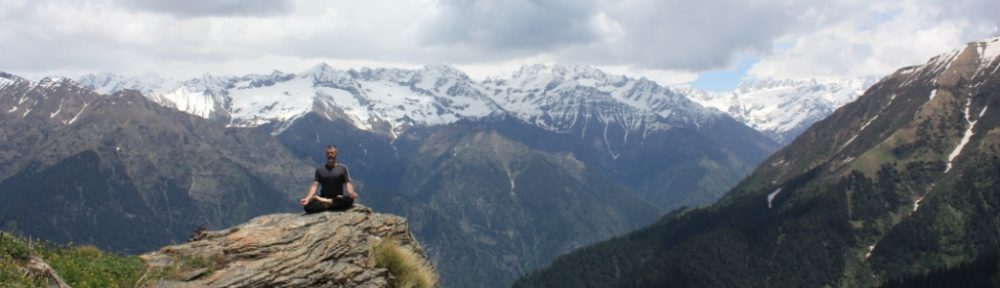
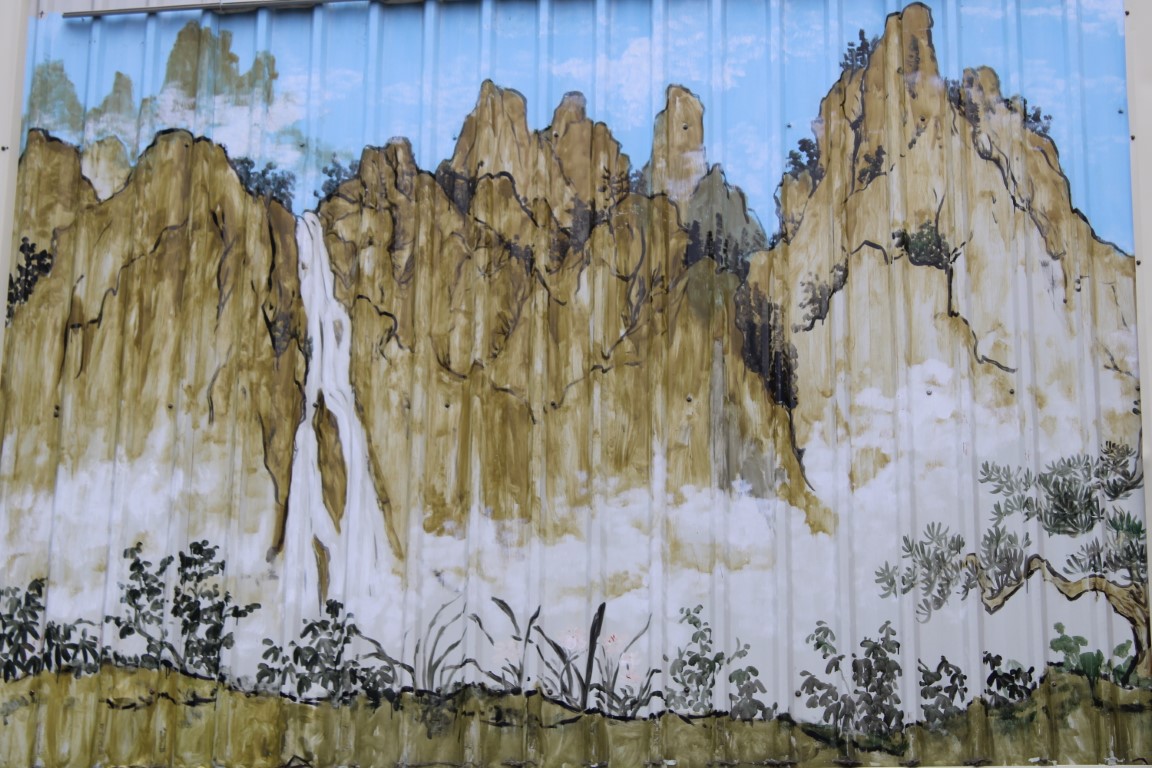
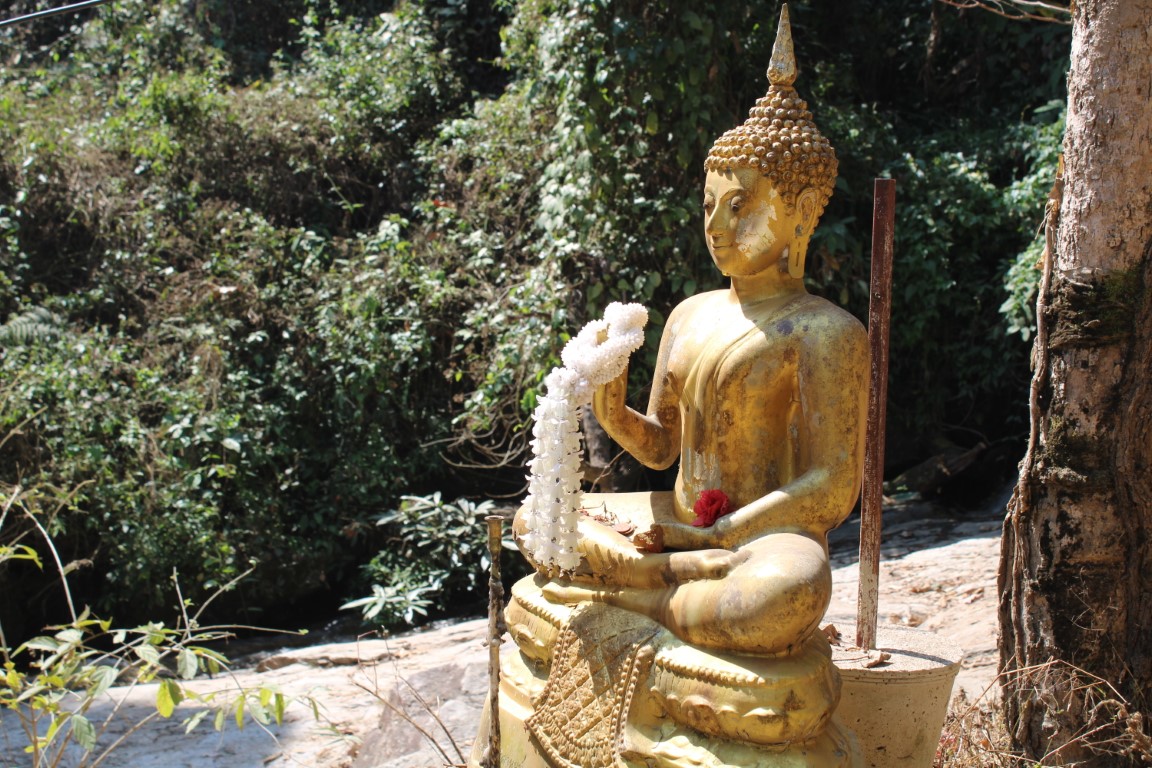
cold mountain:
sound of falling water
iced to silence.

PROMPT: One Positive Change

Daily writing prompt
Describe one positive change you have made in your life.

After transitioning from tighty-whities, through boxers, and on to the boxer-brief, I think I have finally found the path to downstairs bliss.

“Refined” [Poetry Style #6] by Sikong Tu [w/ Audio]

Buying fine jade in the springtime,
Enjoying rain song from within a cabin,
A taciturn scholar sits betwixt
Copses of tall, arching bamboo.
Sparse white clouds in a newly clear sky;
Swallows weave 'round trees in pursuit.
Light through leaf casts a green hue on all;
Sound of falling water, thin but near;
Flower petals fall without a sound.
But the man sits unyielding as a mum;
He writes what the scene dictates
To make a pithy book.

NOTE: The late Tang Dynasty poet, Sikong Tu (a.k.a. Ssŭ-k‘ung T‘u,) wrote an ars poetica entitled Twenty-Four Styles of Poetry. It presents twenty-four poems that are each in a different tone, reflecting varied concepts from Taoist philosophy and aesthetics. Above is a translation of the sixth of the twenty-four poems.

Fade to Black [Haiku]

the coral-hued lake
will soon be the inky void
between coastal lights.

BOOK: “The Perennial Philosophy Reloaded” by Dana Sawyer

The Perennial Philosophy Reloaded: A Guide for the Mystically-inclinedThe Perennial Philosophy Reloaded: A Guide for the Mystically-inclined by Dana Sawyer
My rating: 4 of 5 stars

Amazon.in Page

Release Date: July 9, 2024

The good news is that this book does a thorough, clear, and balanced job of discussing Perennial Philosophy along a number of dimensions including metaphysics, psychology, theology, and aesthetics. The bad news is that it can lead one to believe there IS NO Perennial Philosophy, just a hodge-podge of (often disparate) assumptions about the grand metaphysical questions of life, the universe, and everything, assumptions that are usually Eastern, mystical, or both and which appeal to the kind of person who likes to say, “I’m spiritual, but not religious,” but which are all over the place, intellectually speaking. We learn more about the varied metaphysical perspectives that can be lumped under rubric Perennial Philosophy, than we learn of any internally consistent set of beliefs which distinguish the Philosophy from others. Sawyer does acknowledge that there is not a unified worldview that is Perennial Philosophy and that, instead, one must think in terms of “family resemblance.” The problem is that Perennial Philosophy displays the kind of family resemblance seen in a foster home. One can believe in a god or not, believe in a soul / persistent self or not, one can hold any number of beliefs about time, causation, creation, and other aspects of metaphysics. Sawyer does solidly distinguish Perennial Philosophy from Materialism, but it’s not clear why we needed it, given we already had various permutations of Idealism.

The book does provide a lot of food-for-thought, if often frustratingly so. The most important thing it does is lay out the various questions at the fore of Perennial Philosophy, how they’ve been addressed by different thinkers, and the crux of discord.

I did find myself disturbed by the arguments on occasion. A prime example is when Sawyer writes about students who describe themselves as non-spiritual but who enjoy going hiking. Because Sawyer couches the experiences that are had on a good hike in spiritual terms, he believes the students are wrong to describe themselves as “non-spiritual.” However, it’s far from clear why they need to twist their interpretations into line with his worldview. I suspect that his “non-spiritual” students, like me, see in “spiritual” types a need to escape the surly bonds of nature, to have magic exist in their worlds, something above and beyond nature. I see “spiritual” people as having a craving like the proverbial true-believer / flood victim whose neighbors come by in a truck and a boat to rescue him (and then rescue services come by with a helicopter,) but he turns them all down because “God Will Save Me!” Then he dies and goes to heaven and berates God for letting him drown, to which God says, “I sent a truck, a boat, and a helicopter. What do you want from me?” Well, he wanted a divine golden light to levitate him not some mundane solution based in the natural world; he wanted magic, rapturous rescue.

If you are interested in the various debates between Materialism and Idealism, this book is well worth reading, and if you describe yourself as “Spiritual, but not religious,” you’ll probably really love it.

View all my reviews

DAILY PHOTO: Chobe River Scenes

Summer Sunset [Senryū]

harsh summer sun sets:
baboon troops exit the woods,
"Yeah, you'd better run!"

“To be, or not to be” [Soliloquy from HAMLET] by William Shakespeare [w/ Audio]

To be, or not to be, that is the question:
Whether 'tis nobler in the mind to suffer
The slings and arrows of outrageous fortune,
Or to take arms against a sea of troubles
And by opposing end them. To die -- to sleep,
No more; and by a sleep to say we end
The heart-ache and the thousand natural shocks
That flesh is heir to: 'tis a consummation
Devoutly to be wish'd. To die, to sleep;
To sleep, perchance to dream -- ay, there's the rub:
For in that sleep of death what dreams may come,
When we have shuffled off this mortal coil,
Must give us pause - there's the respect
That makes calamity of so long life.
For who would bear the whips and scorns of time,
Th' oppressor's wrong, the proud man contumely,
The pangs of dispriz'd love, the law's delay,
The insolence of office, and the spurns
That patient merit of th' unworthy takes,
When he himself might his quietus make
With a bare bodkin? Who would fardels bare,
To grunt and sweat under a weary life,
But that the dread of something after death,
The undiscover'd country, from whose bourn
No traveller returns, puzzles the will,
And makes us rather bear those ills we have
Than fly to others that we know not of?
Thus conscience doth make cowards of us all,
And thus the native hue of resolution
Is sicklied o'er with the pale cast of thought,
And enterprises of great pith and moment
With this regard their currents turn awry
And lose the name of action.

The Lingering Fall [Haiku]

winter wind gust...
[a pause,] a few leaves flutter
slantwise to earth.

DAILY PHOTO: Skaters Under Winter Skies