Drunken Immortal [Senryū]

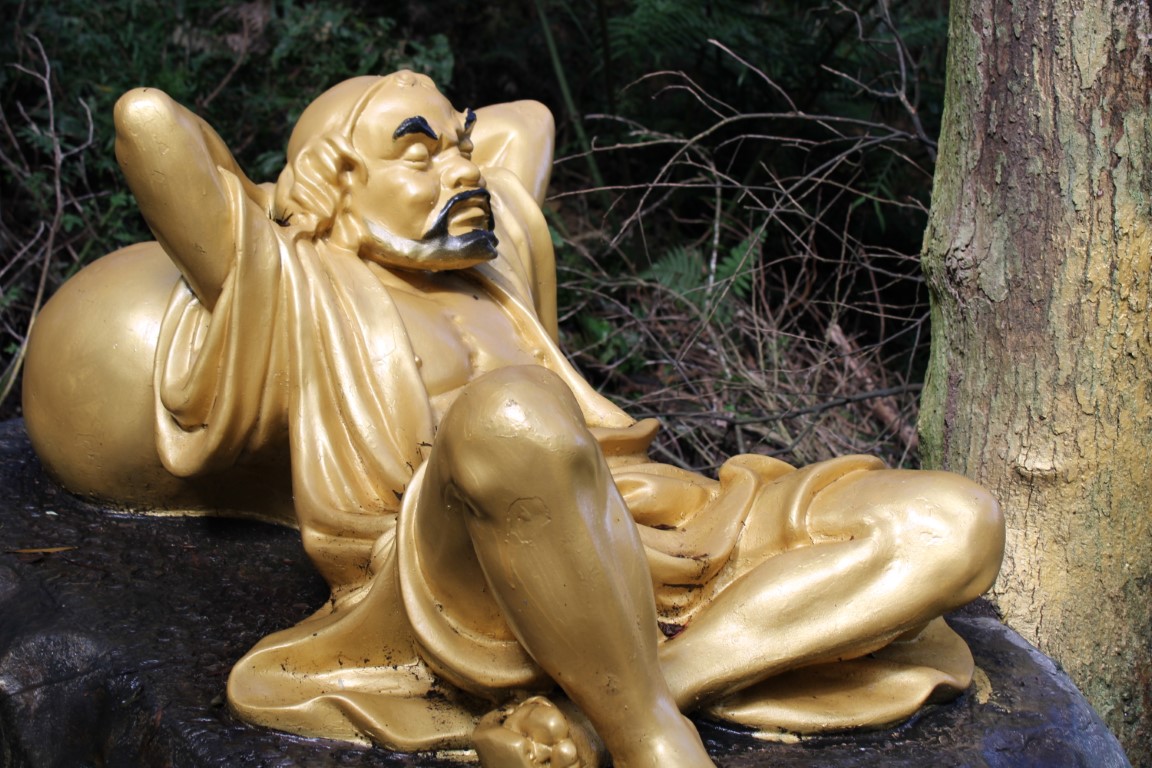
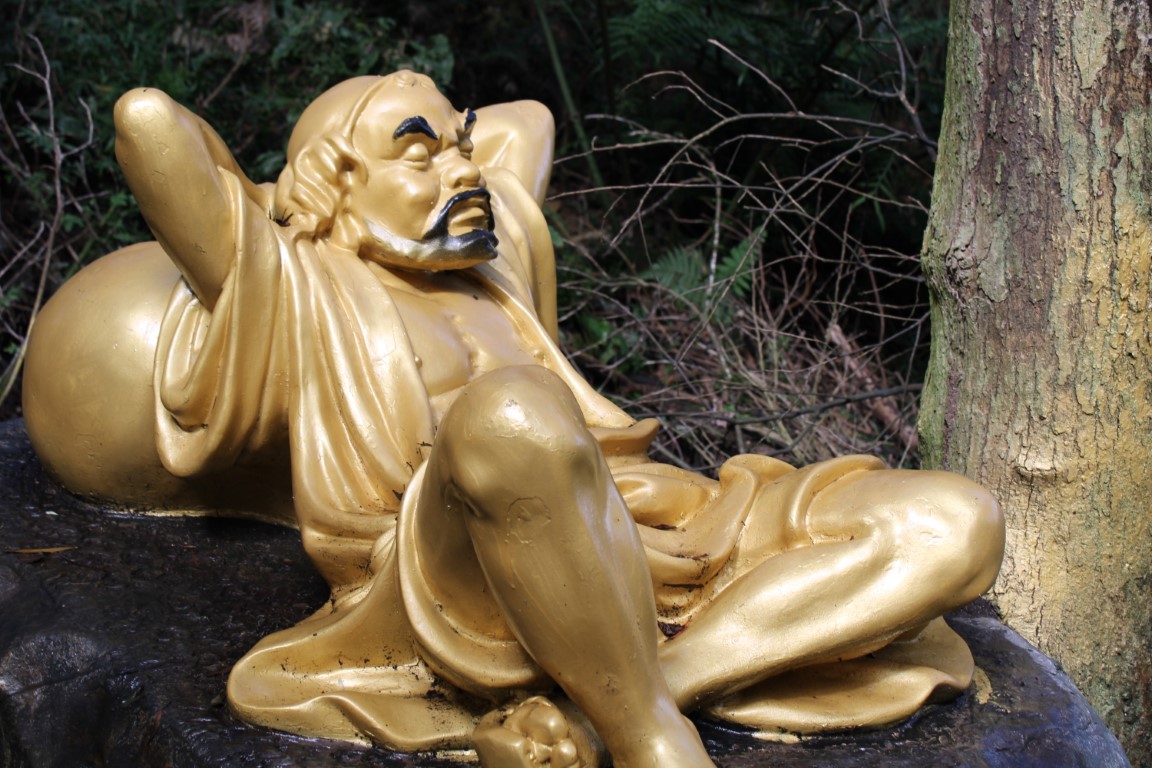
where drunken immortals
are role models, one must
 expect the odd dragon.

The Way [Haiku]

the mountain trail rounds
from shady to sunny side,
where caves line the path.

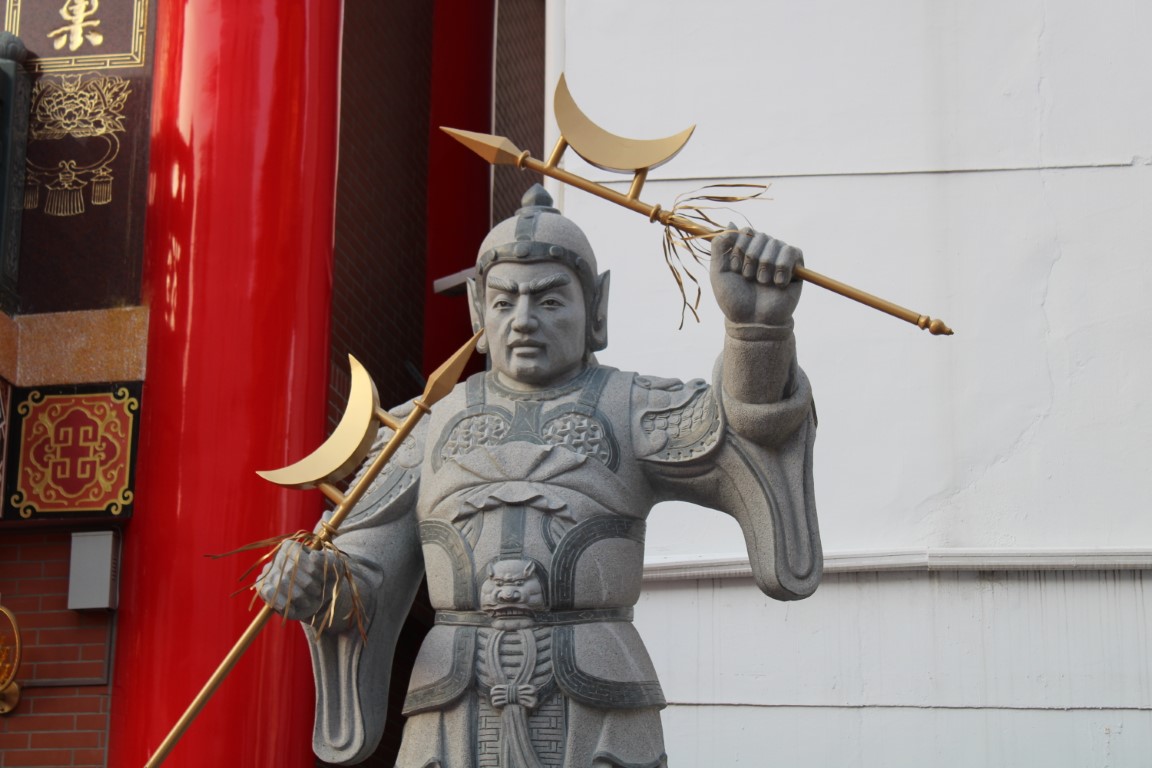
DAILY PHOTO: Xuantian Statue & Temple, Zuoying

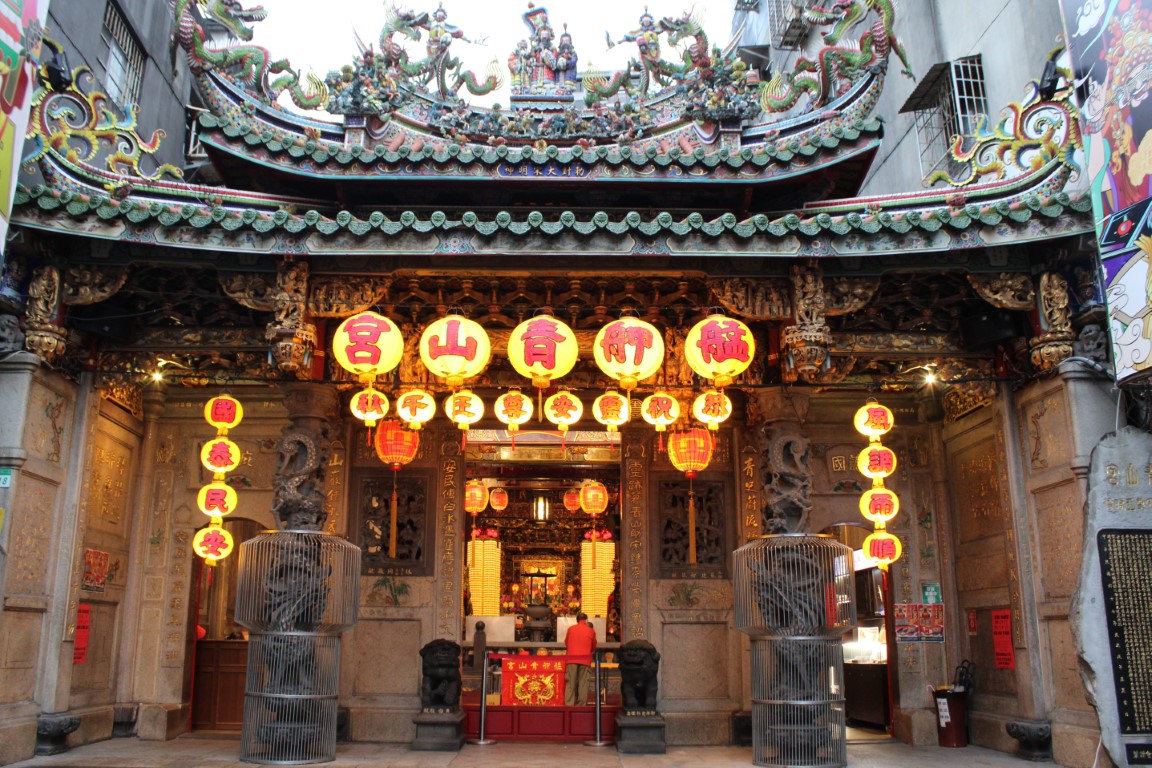
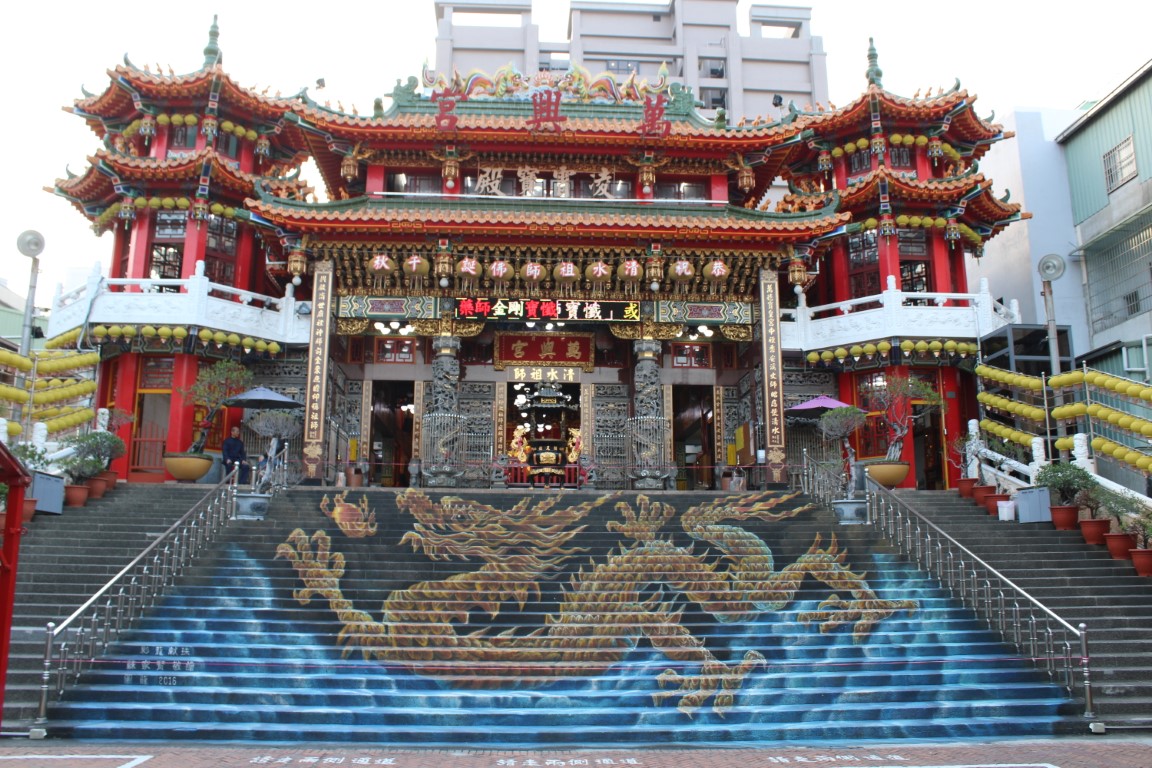
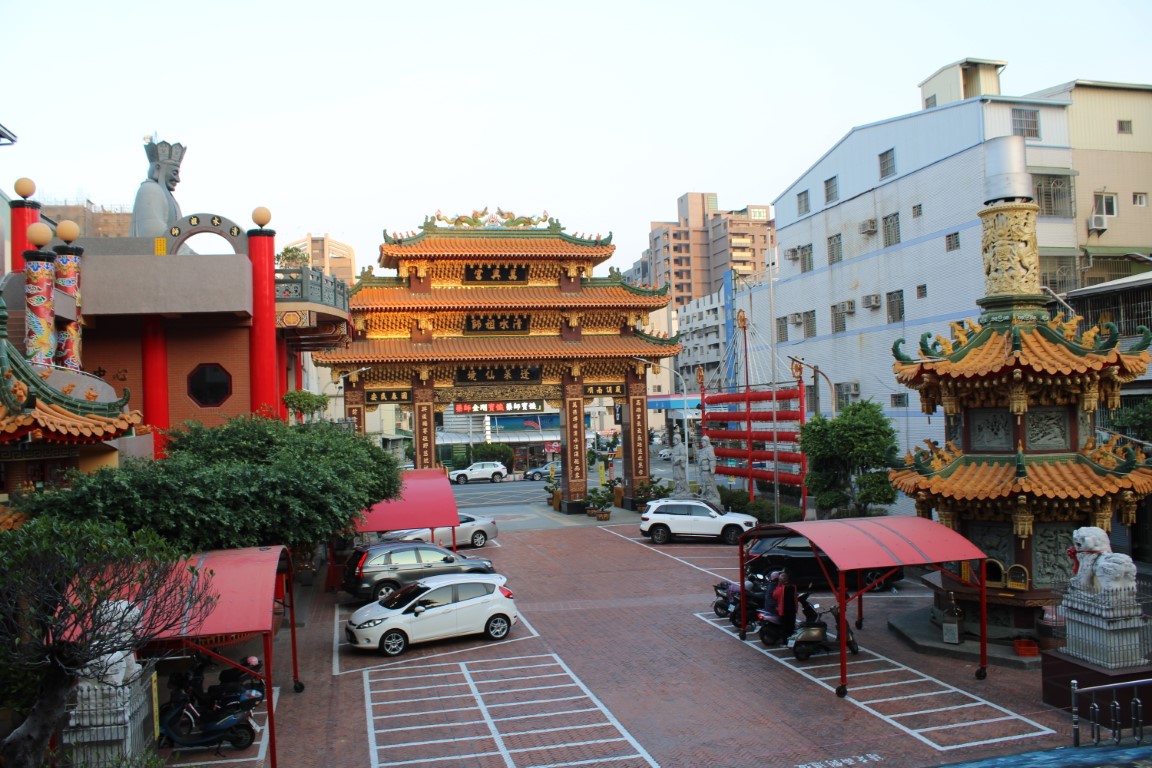
DAILY PHOTO: Gangtiangong, Hualien

Crouching Tiger [Free Verse]

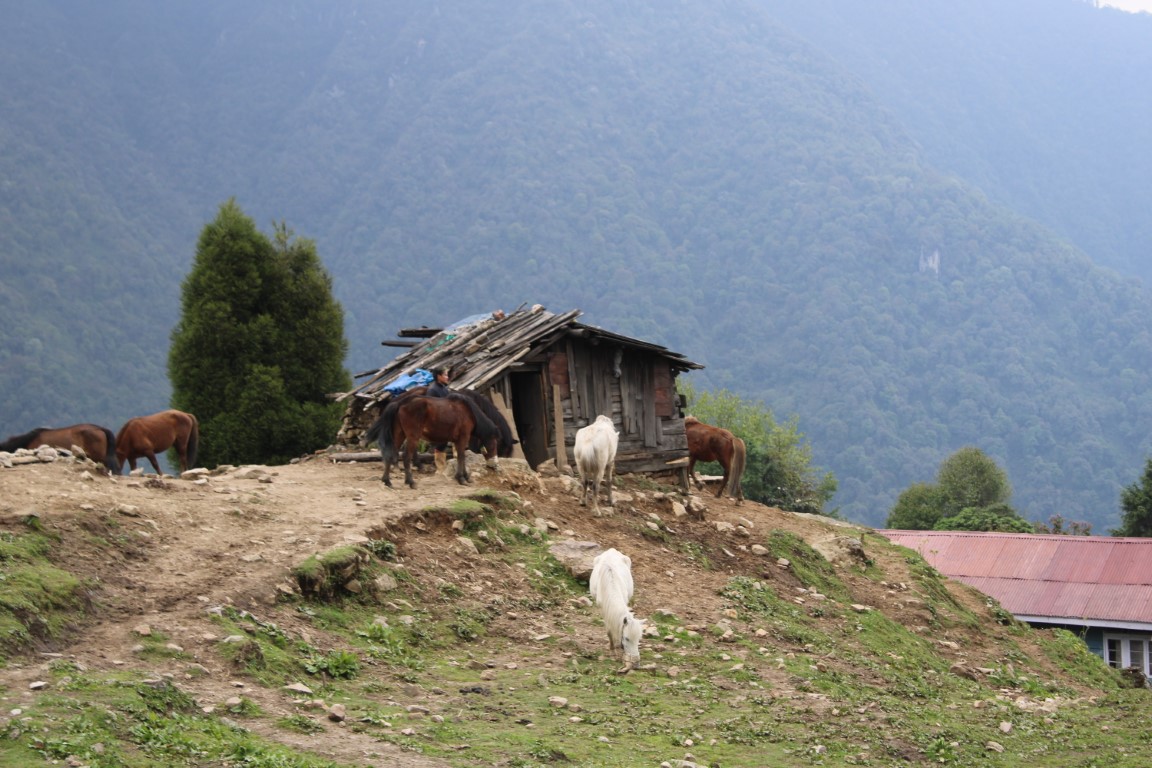
In a square hut -
beside a craggy pass -
lived a Crouching Tiger,
a man of spontaneity
who danced to no music,
staggered when sober,
rested in times of urgency,
& labored when there seemed
to be nothing in need of doing.

He was courted by Emperors,
but shunned them.
The only way the Emperor
could get him to visit was
to order his exile.

The Anchor Book of Chinese Poetry ed. Tony Barnstone & Chou Ping

The Anchor Book of Chinese Poetry: From Ancient to Contemporary, The Full 3000-Year TraditionThe Anchor Book of Chinese Poetry: From Ancient to Contemporary, The Full 3000-Year Tradition by Tony Barnstone
My rating: 5 of 5 stars

Amazon.in Page

This poetry translation anthology presents examples from some of the earliest known Chinese poetry to authors who are still alive and composing. It’s arranged by dynastic period (up until the modern era,) and, within dynasties, by poet. Most of the poets merit only a poem or two, but some of the major poets are allotted many pages of poems. Of course, how much poetry per poet is included isn’t just a function of how prolific or popular the poet was, but also how much extant poetry remains — i.e. how much survived. Each dynastic section begins with an overview of the time and poetic trends, and there is bio blurb for each poet.

There is quite a bit of variation in the book beyond that of the changing nature of Chinese poetry. The translations are also by varied translators, including not only the book’s editors but also individuals from the past, such as Arthur Waley. I wouldn’t say there is any bad translation in the book, but some translators capture the feel, e.g. the relative sparseness, of Chinese better, and others show their English poetic educations more obviously.

All in all, I enjoyed this selection of poems immensely, and learned a lot about Chinese history as well as of the country’s changing poetic tradition. I gained new insight to some of my favorites (e.g. Li Bai, Han Shan, etc.) and gained new favorites I’d never heard of before. I’d highly recommend this book for readers of poetry in translation.

View all my reviews

Taoist Limerick

Once upon a time, there was a wise, old Taoist priest
 who got the least from the most & the most from the least.
    If he offered a snack,
    you'd be bursting your slacks,
 but expect empty plates when he'd call for a feast.

Tree Taiji [Haiku]

“turn left to go right”:
branches sweep around in arcs,
is the tree moving?

Note to Self: A Sonnet

Don't fill your vaults with glowing, shiny stones.
It's invitation to all cheats and thieves. 
Don't know by mind what you don't know by bone.
Make sure you've lost before you up and grieve.

Then when you grieve, take time to fully feel.
Don't let your mind write stories so untrue
that they turn melancholy like a wheel
that gathers and grows with each turn anew. 

Be kind and true, but not so kind and true
so as to kill with gifts or a mean tongue.
Don't do what would be best that you not do,
and only sing of those heroes unsung.

Oh, every piece of wisdom has its day,
so don't hitch so tight that you're led astray.

BOOK REVIEW: Dao De Jing: A Minimalist Translation by Lao Zi [Trans. Bruce R. Linnell]

Dao De Jing: A Minimalist TranslationDao De Jing: A Minimalist Translation by Lao Zi
My rating: 5 of 5 stars

Available Free on Project Gutenberg

The Dao De Jing presents the core philosophy of Taoism, a philosophy that values simplification, non-action, naturalness, spontaneity, and recognition of opposites in [and their influence on] each other. There are numerous editions (this is the Wang Bi / “standard” ed.) and English translations of this Daoist tract, and the translation matters because the Dao De Jing is at once simply stated and arcane. I liked what Linnell did with this translation, which – as the subtitle suggests – he aimed to make simple and straightforward.

One nice feature of this translation is that each of the 81 chapters has four segments: the original Chinese text, a readable English translation, a word-for-word literal translation, and notes. Having the Chinese, a literal translation, and notes can be helpful when one has trouble deciphering the more cryptic passages. Another nice feature is an appendix in which the author discusses another scholar’s hypothesis that the chapters of the Dao De Jing were composed in layers, and Linnell re-orders the chapters as suggested by this hypothesis. Finally, the book ends with a Jefferson Bible-esque excerpt collection that takes all the places where Lao Zi wrote “Thus the sage:” and builds a single composition describing a wise person.

If you’re interested in Taoist philosophy, you may want to read this translation, whether you’re new to the Dao De Jing or you’ve read other translations or editions in the past.


View all my reviews