
There was a little girl,
   Who had a little curl,
 Right in the middle of her forehead.
   When she was good,
   She was very good indeed,
 But when she was bad she was horrid.

There was a little girl,
Who had a little curl,
Right in the middle of her forehead.
When she was good,
She was very good indeed,
But when she was bad she was horrid.
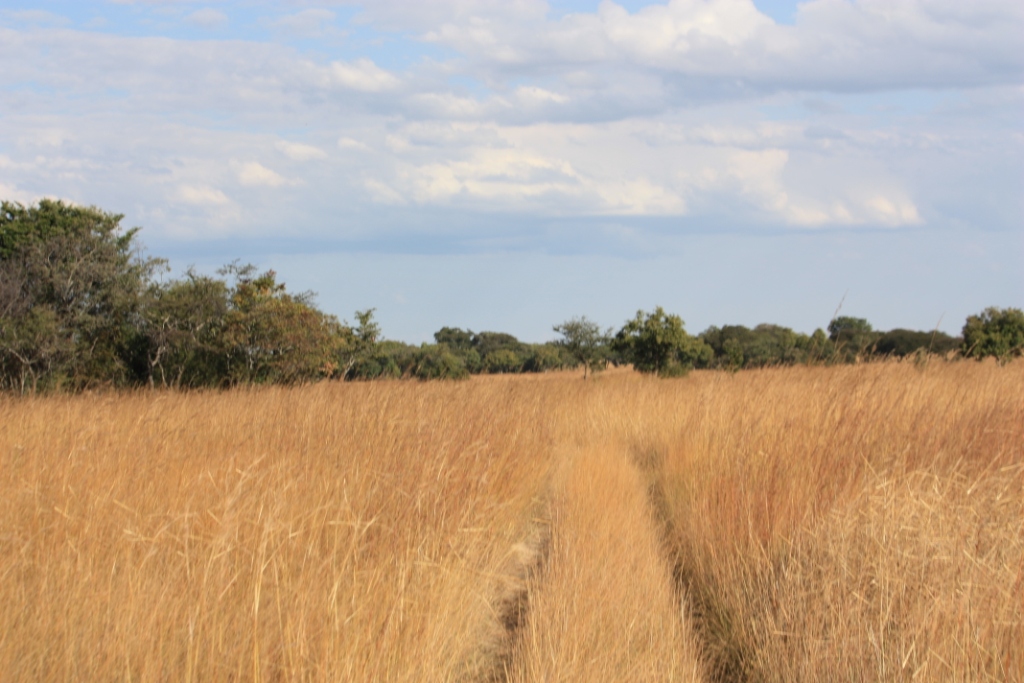
Every time the bucks went clattering
   Over Oklahoma
 A firecat bristled in the way.

Wherever they went,
   They went clattering,
   Until they swerved,
 In a swift, circular line,
   To the right,
 Because of the firecat.

Or until they swerved,
   In a swift, circular line,
   To the left,
 Because of the firecat.

The bucks clattered.
   The firecat went leaping,
   To the right, to the left,
 And
   Bristled in the way.

Later, the firecat closed his bright eyes
   And slept.

It thrives in silence and with calm --
   ephemeral and gossamer.
 It's ever-flowing harmony,
   gliding with a solitary crane,
   wisping like the gentle breezes
      that rustle and billow one's robe,
   trilling softly like a bamboo flute.
 How does one become one with it?
   A chance meeting, lucked into, but
      don't lunge forward, or it'll vanish.
 When you think it's attainable,
   it twists in your hand and is gone.
NOTE: The late Tang Dynasty poet, Sikong Tu (a.k.a. Ssŭ-k‘ung T‘u,) wrote an ars poetica entitled Twenty-Four Styles of Poetry. It presents twenty-four poems that are each in a different tone, reflecting varied concepts from Taoist philosophy and aesthetics. Above is a translation of the second of the twenty-four poems.
I
The grey sea and the long black land;
 And the yellow half-moon large and low;
 And the startled little waves that leap
 In fiery ringlets from their sleep,
 As I gain the cove with pushing prow,
 And quench its speed i' the slushy sand.

II
Then a mile of warm sea-scented beach;
 Three fields to cross till a farm appears;
 A tap at the pane, the quick sharp scratch
 And blue spurt of a lighted match,
 And a voice less loud, thro' its joys and fears,
 Than the two hearts beating each to each!

Reeds cover the tiny island.
   Shallow streams cut through the cold sand.

I see the Southern Tower for
   The first time in two decades.

How many days since I moored
   Under this willow tree?
   Mid-Autumn Festival is almost here.

On the rocks of Yellow Crane,
 Do my friends still reside?

This old place has many new sorrows.

If I bought wine and we cast off together,
 Could we be young again?

Remember me when I am gone away,
   Gone far away into the silent land;
   When you can no more hold me by the hand,
 Nor I half turn to go yet turning stay.
 Remember me when no more day by day
   You tell me of our future that you plann'd:
   Only remember me; you understand
 It will be late to counsel then or pray.
 Yet if you should forget me for a while
   And afterwards remember, do no grieve:
   For if the darkness and corruption leave
   A vestige of the thoughts that once I had,
 Better by far you should forget and smile
  Than that you should remember and be sad.

Death, be not proud, though some have called thee
 Mighty and dreadful, for thou art not so;
 For those whom thou think'st thou dost overthrow
 Die not, poor Death, nor yet canst thou kill me.
 From rest and sleep, which but thy pictures be,
 Much pleasure; then from thee much more must flow,
 And soonest our best men with thee do go,
 Rest of their bones, and soul's delivery.
 Thou art slave to fate, chance, kings, and desperate men,
 And dost with poison, war, and sickness dwell,
 And poppy or charms can make us sleep as well
 And better than thy stroke; why swell'st thou then?
   One short sleep past, we wake eternally
    And death shall be no more; Death, thou shalt die.

Mist touches cold water and moon embraces the sand.

   I’m moored for the night near a tavern on the Qinhuai.

   The singing girl doesn’t know the empire is in bitter ruin.

   Across the river I hear her singing “Blossom of the Inner Court.”
Translation: Barnstone, Tony and Ping, Chou. 2005. The Anchor Book of Chinese Poetry: From Ancient to Contemporary. New York: Anchor Books.
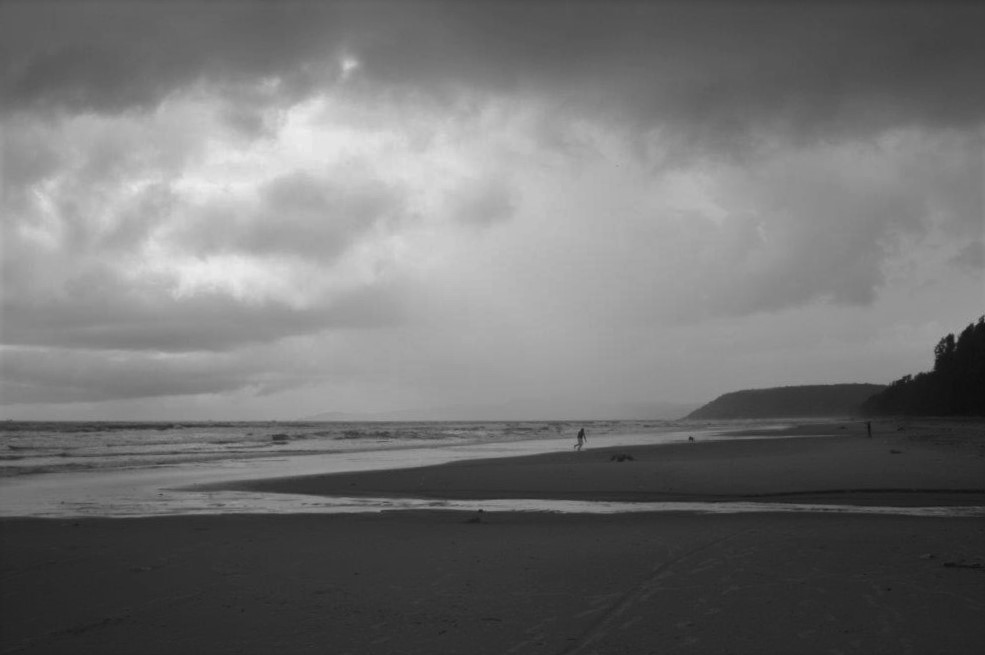
Spring
rainy days
 make the monk Ryōkan
  feel sad.
Summer
the moon in my window
 is all the thief left behind.
Autumn
an autumn wind
 chills the dangling persimmons,
  and my testicles.
Winter
little birds have
 gathered in the brushwood
  on a snowy morn.
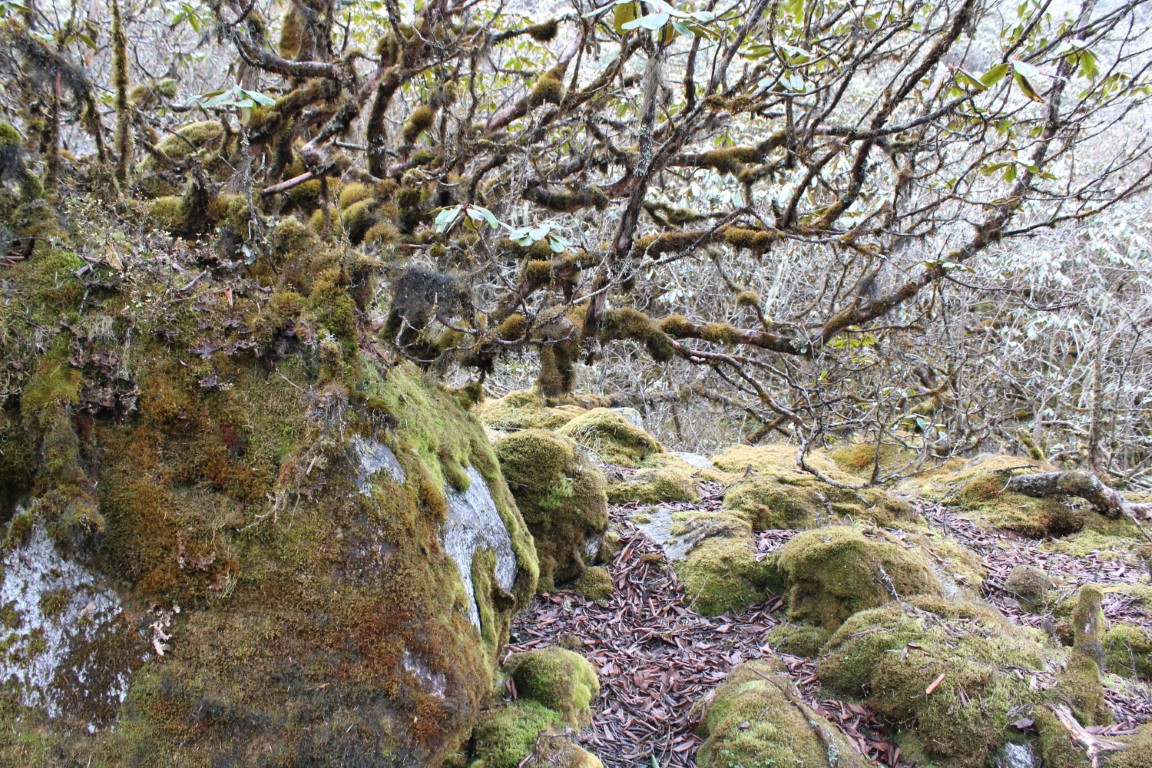
During thirty years since my birth
 I've hiked thousands of miles,
 seen green grass converging with a river
 and red dust rising at the frontiers,
 searched in vain for immortals and elixirs,
 studying books and histories.
 Today I've returned to Cold Mountain.
 I lie back in a stream, washing out my ears.
Translation: Barnstone, Tony and Ping, Chou. 2005. The Anchor Book of Chinese Poetry: From Ancient to Contemporary. New York: Anchor Books.


 Tiger Riding for Beginners