DAILY PHOTO: A Miracle in Each Leaf

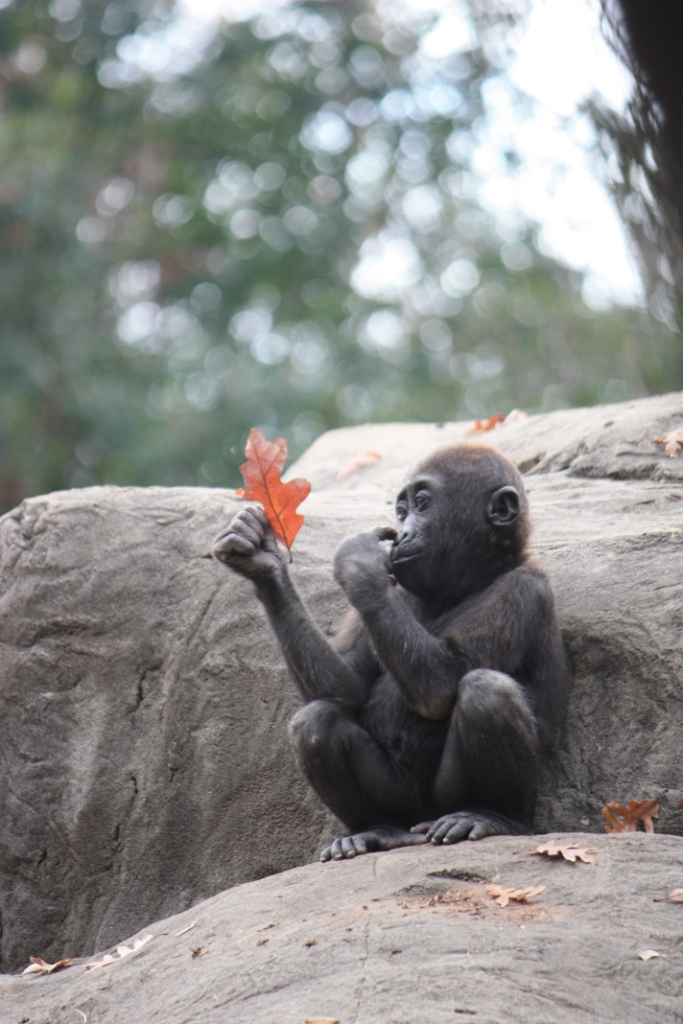
Taken in the Summer of 2012 at Zoo Atlanta

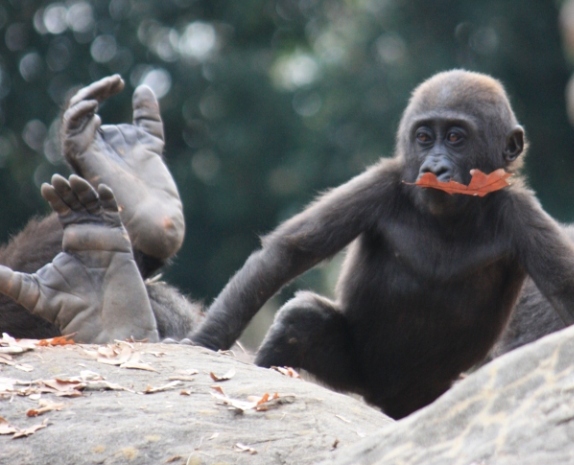
Taken in the Summer of 2012 at Zoo Atlanta

Bonus pic

Bonus pic

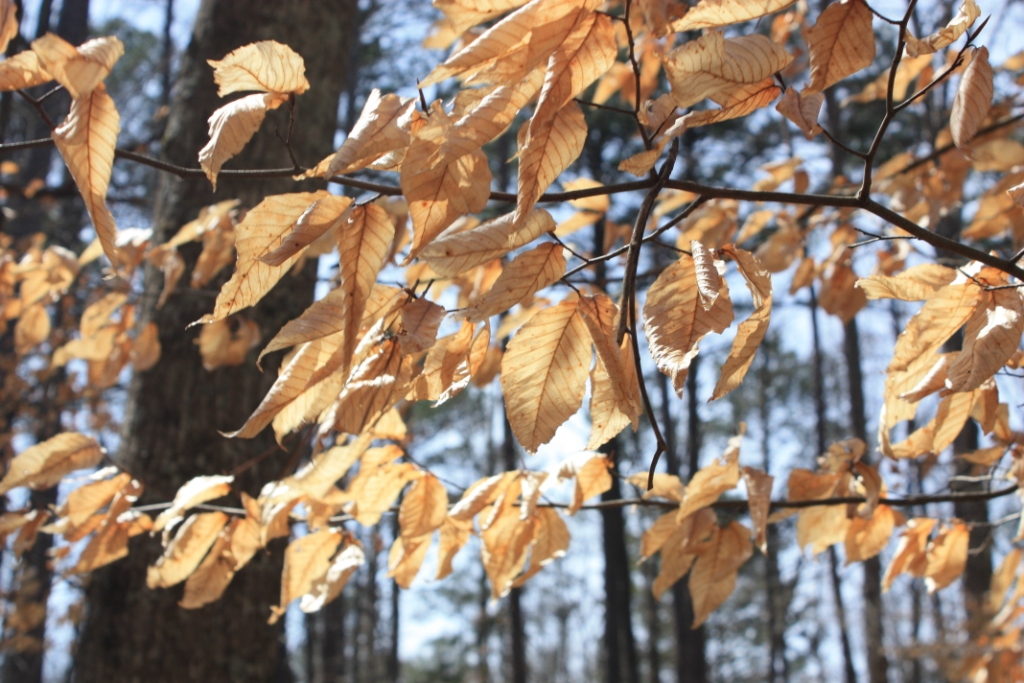
The top pic reminded me of a line of poem I once scrawled: “I see a miracle in each leaf.” The little guy seems pretty fascinated anyhow.

What is he (or she–we weren’t that well acquainted) thinking?


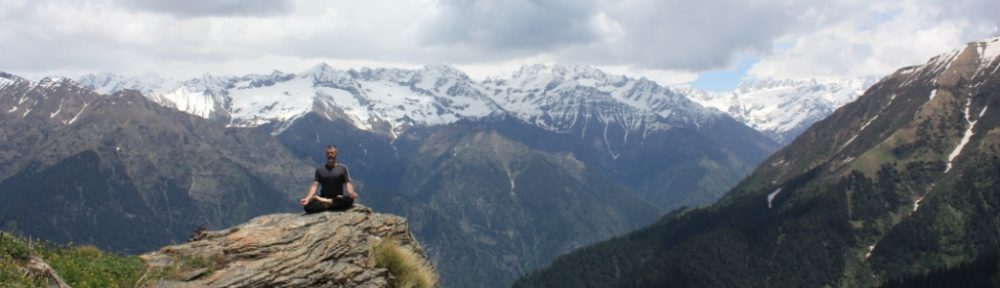
Haiku from my daily walk

Hazy hilltop morn,
a resting hiker looks like
a granite Buddha

Chicks chirp noisily
each tremor anticipates
mamma coming home

DAILY PHOTO: Between the Crosses, Row on Row

Take December of 2012 at Andersonville National Cemetary

Taken December of 2012 at Andersonville National Cemetery

At a military cemetery like this one, a poem always plays in my mind. It was the first poem I ever memorized in full (not including snippets of some  disturbing mandatory children’s poems like “Ring Around the Rosie” [said to be about the Black Death] and–in Indiana–“The Little Orphan Annie” [about an enslaved orphan threatened with goblins.])

At any rate, the poem in question is In Flanders Fields by John McCrae. Sadly, I chose to memorize this poem for a school assignment of poetry recitation because it seemed short and it rhymed. However, in many subsequent re-readings it has become a very powerful bit of verse for me. It may not be perfectly apropos for Independence Day as it was written by a Canadian and is about an entirely different war. However, in some sense it’s about all wars and one motive that drives soldiers of free nations to fight them.

In Flanders fields the poppies blow
      Between the crosses, row on row,
   That mark our place; and in the sky
   The larks, still bravely singing, fly
Scarce heard amid the guns below.

We are the Dead. Short days ago
We lived, felt dawn, saw sunset glow,
   Loved and were loved, and now we lie
         In Flanders fields.

Take up our quarrel with the foe:
To you from failing hands we throw
   The torch; be yours to hold it high.
   If ye break faith with us who die
We shall not sleep, though poppies grow
         In Flanders fields.

BOOK REVIEW: The Classic Tradition of Haiku Edited by Faubion Bowers

The Classic Tradition of Haiku: An AnthologyThe Classic Tradition of Haiku: An Anthology by Faubion Bowers

My rating: 4 of 5 stars

Amazon page

The other haiku anthology I reviewed is Classic Haiku, located here.

This is the second haiku anthology that I’ve reviewed on my site. While they’re both thin volumes of traditional haiku, each has its distinct flavor. The previous volume was organized by season. This one is organized by author. The two books share several authors (e.g. the greats Bashō, Issa, and Buson), but diverge on many of the lesser known poets.

One nice feature of this book is that it offers multiple translations of many of the haiku. Poetry is notoriously tricky to translate as literal translations can be meaningless. Multiple translations can give one a better opportunity to hone in on what the author meant to convey. This volume does give the original Japanese poem in romanized transcription (for those who enjoy the sound the author conveyed as well as meaning), but–unlike the other volume–it does not include the kanji. (This doesn’t matter for me, as I don’t read Japanese, but I’m sure the kanji is a nice feature for readers of Japanese.)

Some favorites are:

clouds occasionally
make a fellow relax
moon-viewing

Matsuo Bashō

islands
shattered into a thousand pieces
in the summer sea

Matsuo Bashō

you’re the butterfly
and I the dreaming heart
of Sōshi

Matsuo Bashō

[Note: Sōshi is the Japanese name of the Taoist thinker Chuang Tze, and this references his famous statement about having dreamt he was a butterfly.]

that dream I had
of being stabbed–was true
bitten by a flea

Takarai Kikaku

oh, won’t some orphaned sparrow
come
and play with me

Kobayashi Issa

View all my reviews

Early Spring Haiku

IMG_5325

stalwart Beech tree
still gathering sunlight
on last year’s leaf

IMG_5315

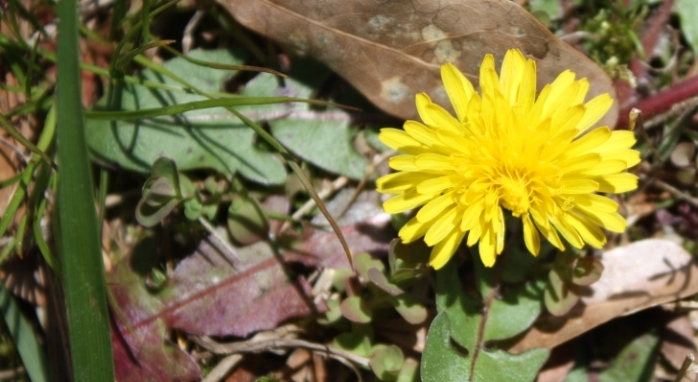
dandelion
arrives to party first
eager flower

IMG_5346

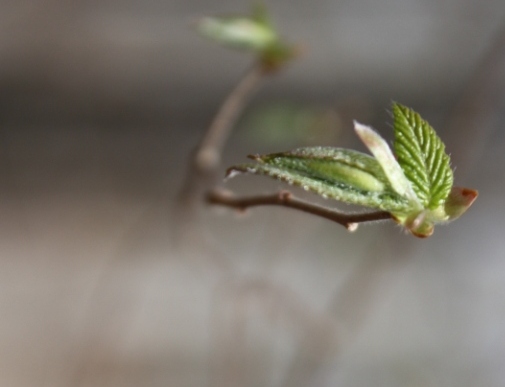
a bud breaks open
its tiny leaf waves hello
welcoming the spring

IMG_5350

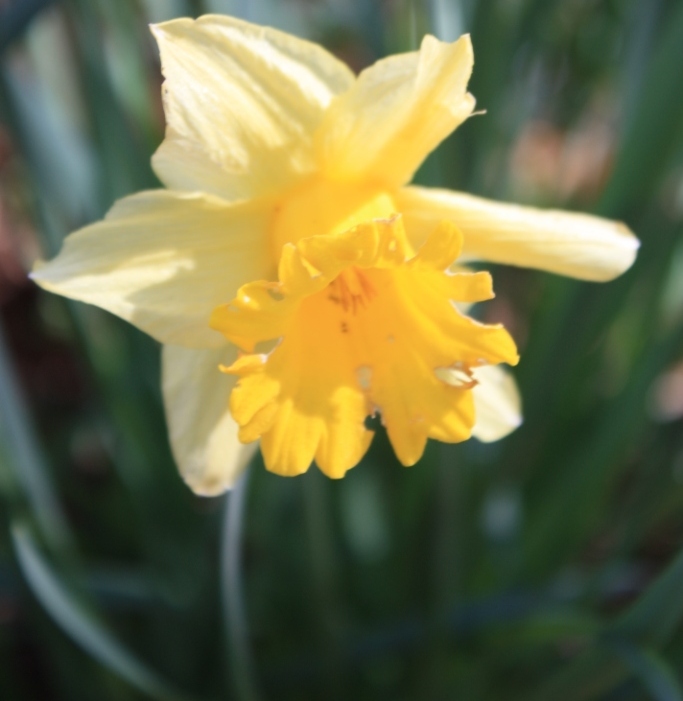
spring’s urgent leisure
flowers drop a fine pollen
to ride listless winds

POEM: Salkantay: or, Sea-level Gringo

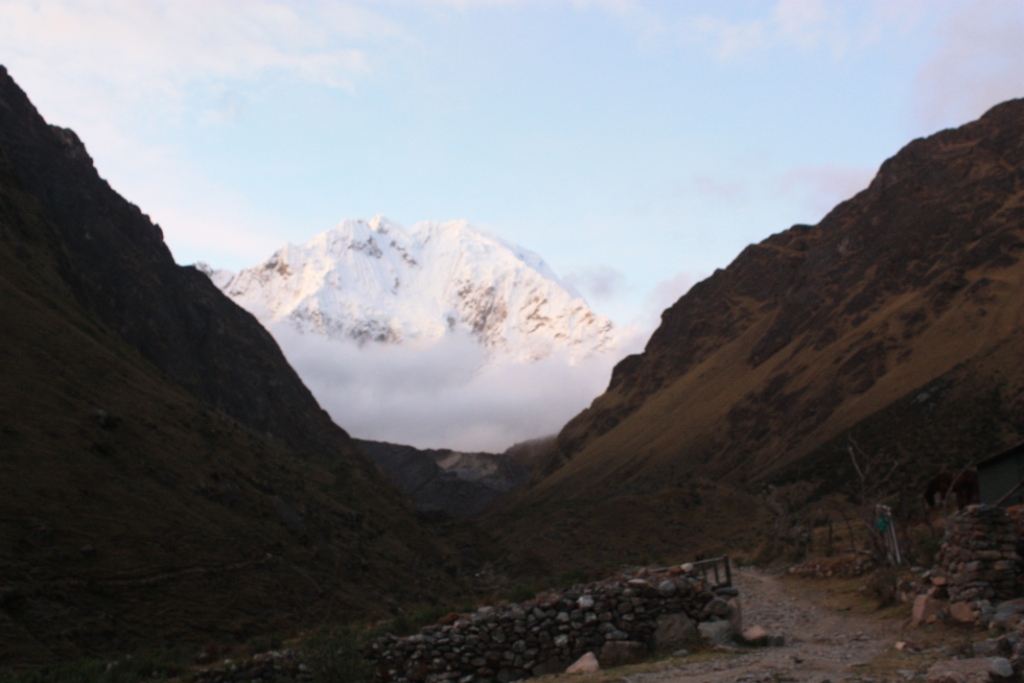
The pass begins

The pass begins

Boulders lay strewn like the dice of God,
moss-covered, on a close-cropped blanket of green.

The Pass educated me,
I’d never known I could see snow and jungle in the same day.
I never knew how thin of air would sustain me.
I still don’t know how a fish out of water
has the death throe energy to spastically flop.

I was a tortoise: plod, stop, resume plodding, repeat.
If I’d been deprived of oxygen to the same degree as that fish,
I’d have just silently fallen off the switchback into the valley below.
Into boulder scree and the carcasses of sea-level dwelling gringos past.

POEM: They Spiked My Punch

IMG_5559They spiked my punch.
I had no lunch.
I got so drunk, so very drunk.
Drunker than I thunk
that a man could ever be,
and I don’t know if I can trust what my eyes did see:

I saw: two elephants riding pogo sticks,
the Taj Mahal made  of Lego bricks,
Ned Flanders as a creepy voyeur,
A lady talking to an honest lawyer,
goats doing kung fu in the park,
a talking dog and a man who barked,
a traffic cop with a great big smile,
the line for kicks formed in single file,
two geese played a wicked ping-pong match,
I got hit by a bus–look not a scratch.

POEM: In an Ancient Village

Seven years down the road
with dirty feet and no abode
I’d wander to and fro
along the narrow streets
of an ancient village


And when the monster came for me
I did not even claim to see
his vile disfigurement
in the dim winter light
in that ancient village


For years I tried to sail away
having failed to keep the beast at bay
but my ship  always
circled back ’round
to that ancient village


Then they’d throw me in some grimy pit
with scarcely room to for me to sit
and I’d whisper curses
under my breath
about that ancient village.


Then the monster would call on me
and all the townspeople would flee
as I wreaked havoc
on the town square
of that ancient village

POEM: Do They Really Sleep?

Are these sleepy  little villages and hamlets really tucked into bed by eleven?

When my train rolls by and there is nothing on display to my bleary eye

except vacant roads, dark shadows, and the dim glow of night-lights.

Cars are still; people are absent; time is frozen but for the wind-blown hedges.

But do these villages go to sleep, or do they just turn off the lights

and do those things which should not be subjected to the light?

POEM: Perception of Self

That cat thinks she’s quite a mouser

but, truth be told, she’s just a houser.

At stalking and lurking she’s a master.

But catching? Well… they get past her.