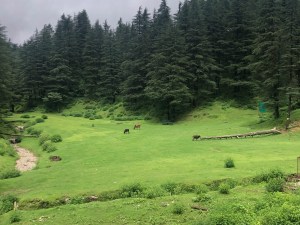
in summer sun,
 some evergreens look frosted,
  as if snow-laden.

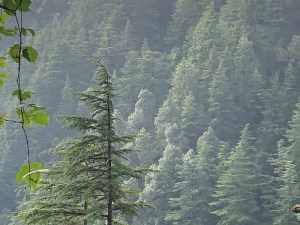
in summer sun,
some evergreens look frosted,
as if snow-laden.
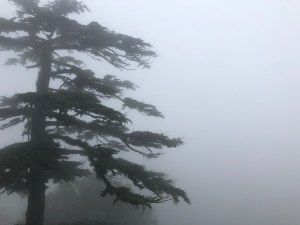
beyond the lone pine;
 there is only blank slate
  and vast potential.
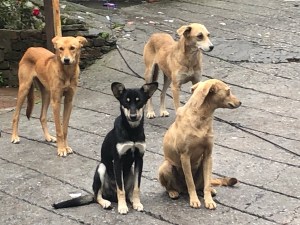
dogs have gathered
 in military formation;
  humans are nervous.
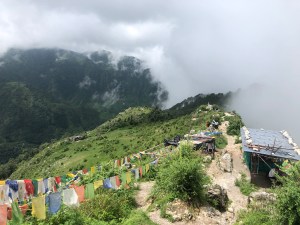
clouds cross the mountain
 only to dissipate:
  drifting to nothing.
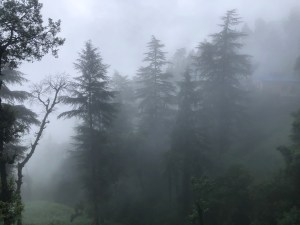
foggy mountain:
 pine rows become more ghostly,
  then vanish entirely.

clouds retreat,
 revealing a new mountain, then...
  vanish it again.
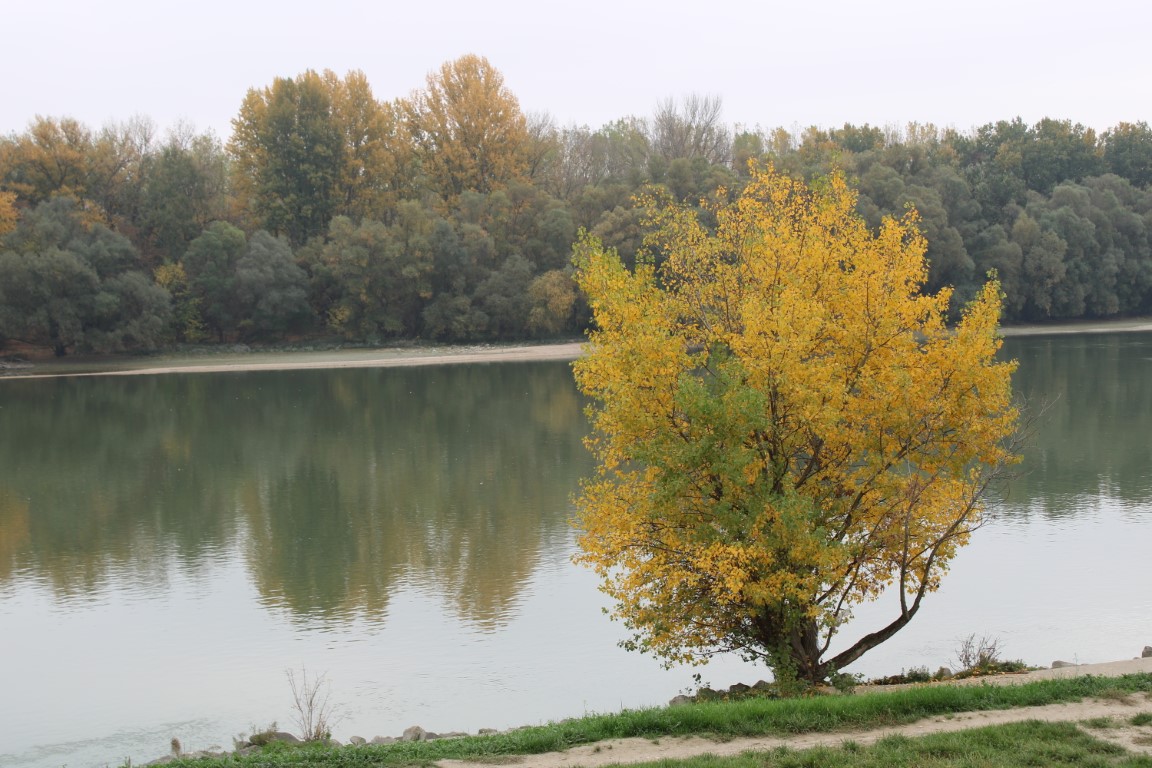
riverside tree:
 shows gold to the outside;
  its core, still green.
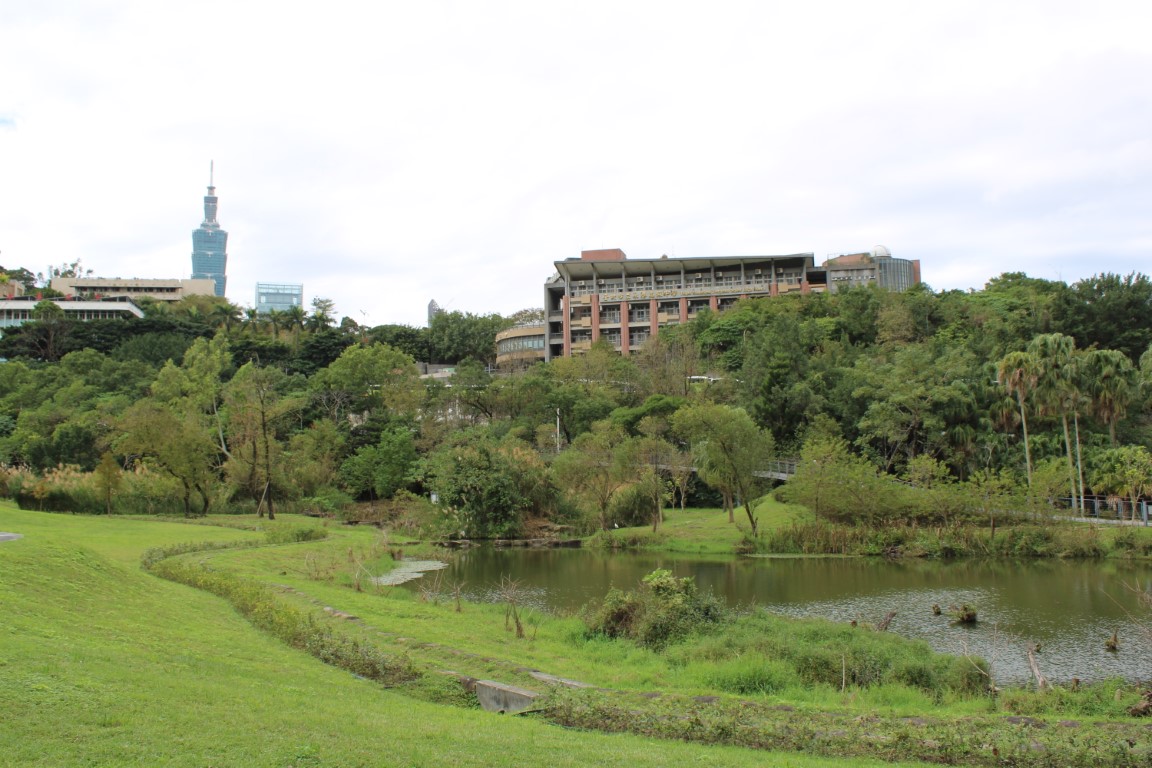
Parks and ponds are good by day;
   I do not delight
   In black acres of the night,
 Nor my unseasoned step disturbs
 The sleeps of trees or dreams of herbs.
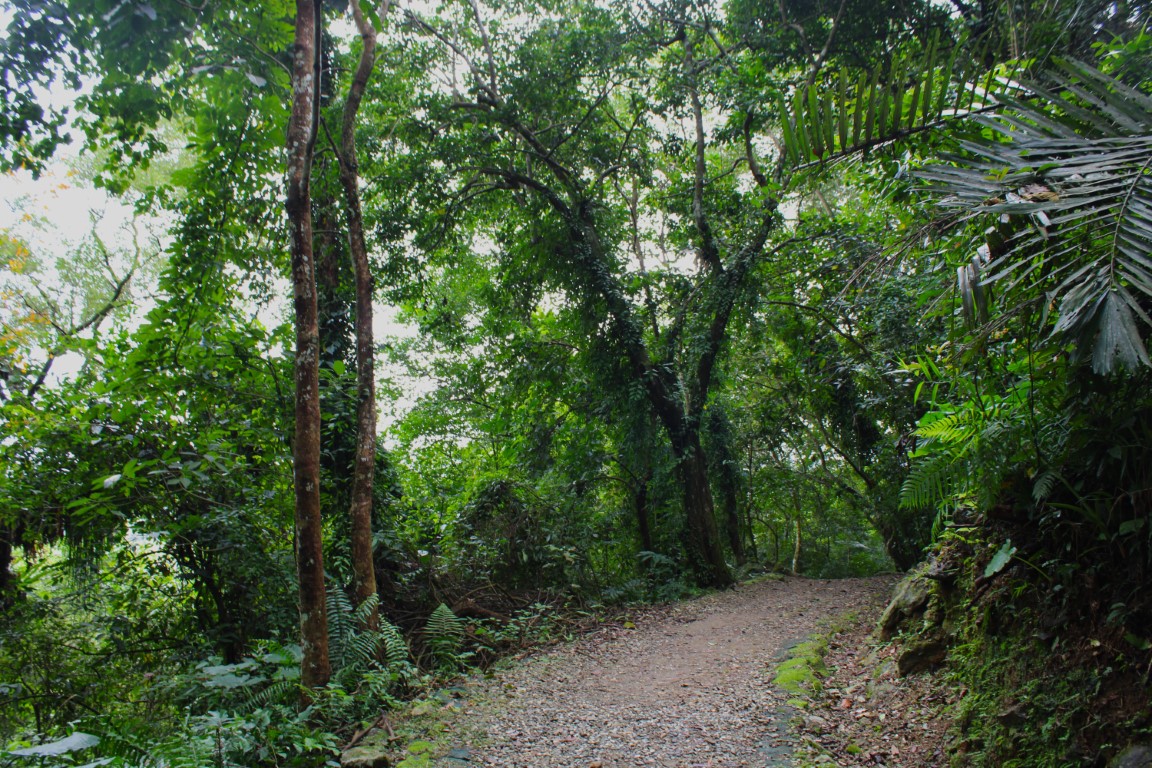
As I walk through the woods,
   I flow through something
      As it flows around & against me...

   -- Like a slipknot --

I don't know what it is.
   I just feel the slightest of drags
   As I feel the greatest of exhilarations.

The drag is subtle...

   -- Like a slipknot --

What it is in me that slips past
   Whatever it is in nature --
      I don't know.

But I know there is an interaction,
   Of sorts,
      Like a free end through a noose...

   -- Like a slipknot --