
Spring flows:
 frigid and silt gray --
  rush down the mountain.

Spring flows:
frigid and silt gray --
rush down the mountain.
 The Black Riders and Other Lines by Stephen Crane
Behold, the grave of a wicked man,
   And near it, a stern spirit.

There came a drooping maid with violets,
 But the spirit grasped her arm.
   "No flowers for him," he said.
 The maid wept:
   "Ah, I loved him."
 But the spirit, grim and frowning:
   "No flowers for him."

Now, this is it --
 If the spirit was just,
 Why did the maid weep?
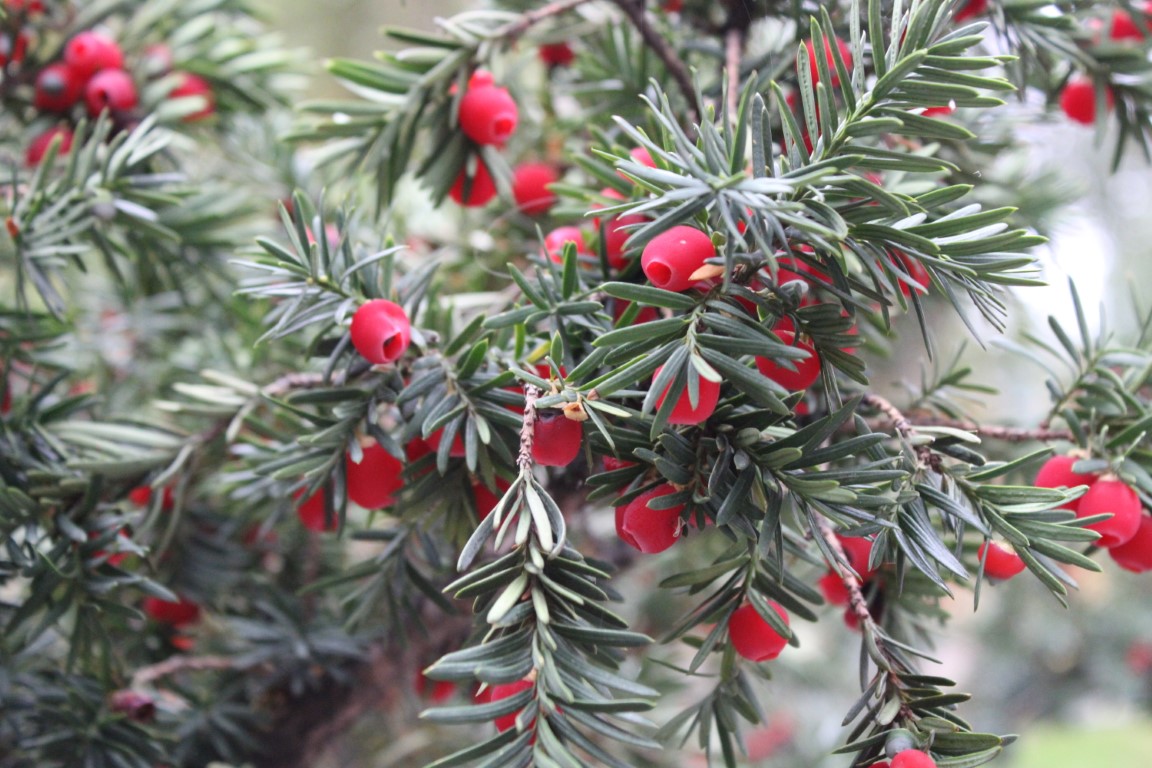
Oh, the Yew tree --
 Such a beauty!...
 But on that Yew,
 You'd best not chew:
   It'll kill you painfully.

with foliage thinned,
 the grassy undergrowth gets
  one last time to shine.

With no god, but with spirit;
   With no mass of tiny things;
   Up on high, with the white clouds --
   Borne aloft on breezy wings.
 From afar all seems in place.
   When you arrive it's not there.
   Just like acting with the Way
   Leaves customs beyond repair.
 Chaotic mountain woodlands,
   Sweet green moss in the sunshine.
   Keep reciting your mantra,
   Till it's lost among the pines.
NOTE: The late Tang Dynasty poet, Sikong Tu (a.k.a. Ssŭ-k‘ung T‘u,) wrote an ars poetica entitled Twenty-Four Styles of Poetry (二十四诗品.) It presents twenty-four poems that are each in a different tone, reflecting varied concepts from Taoist philosophy and aesthetics. Above is a crude translation of the twenty-first of the twenty-four poems. This poem’s Chinese title is 超诣 and it’s been translated as “The Transcendental” and “Super”
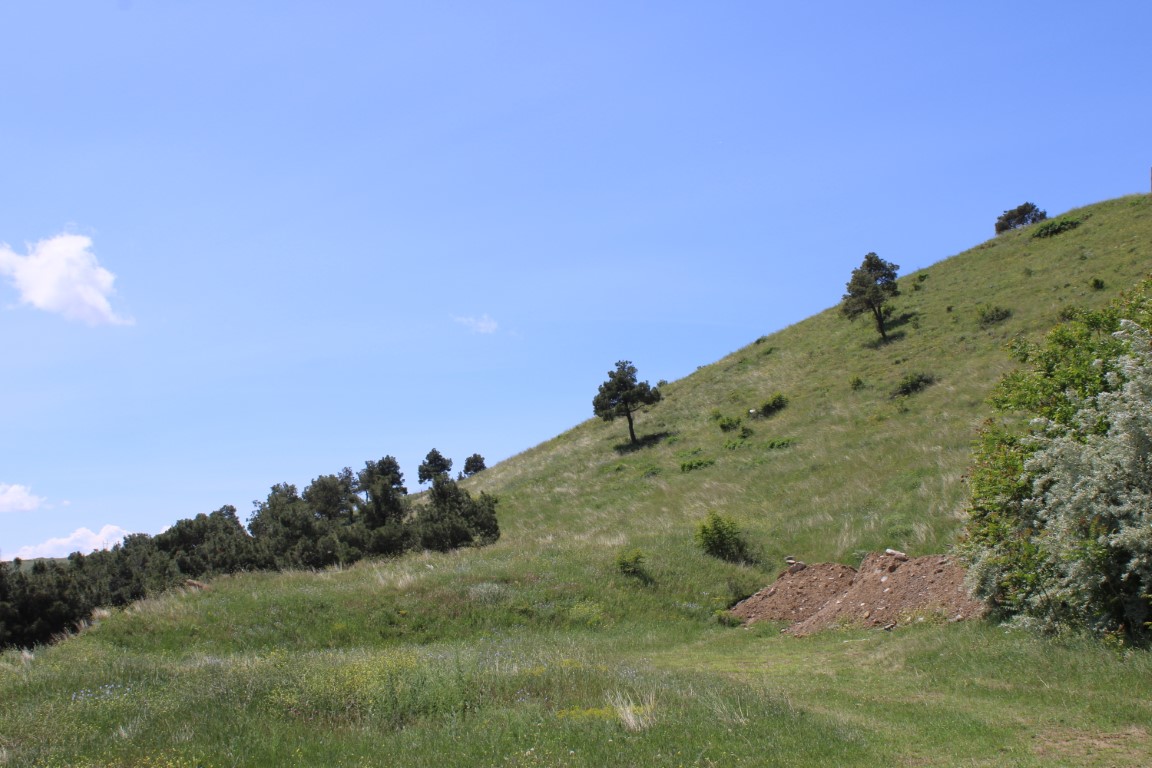
it seems trees sneak --
 in ones and twos -- up the hill,
  as the woods watch.
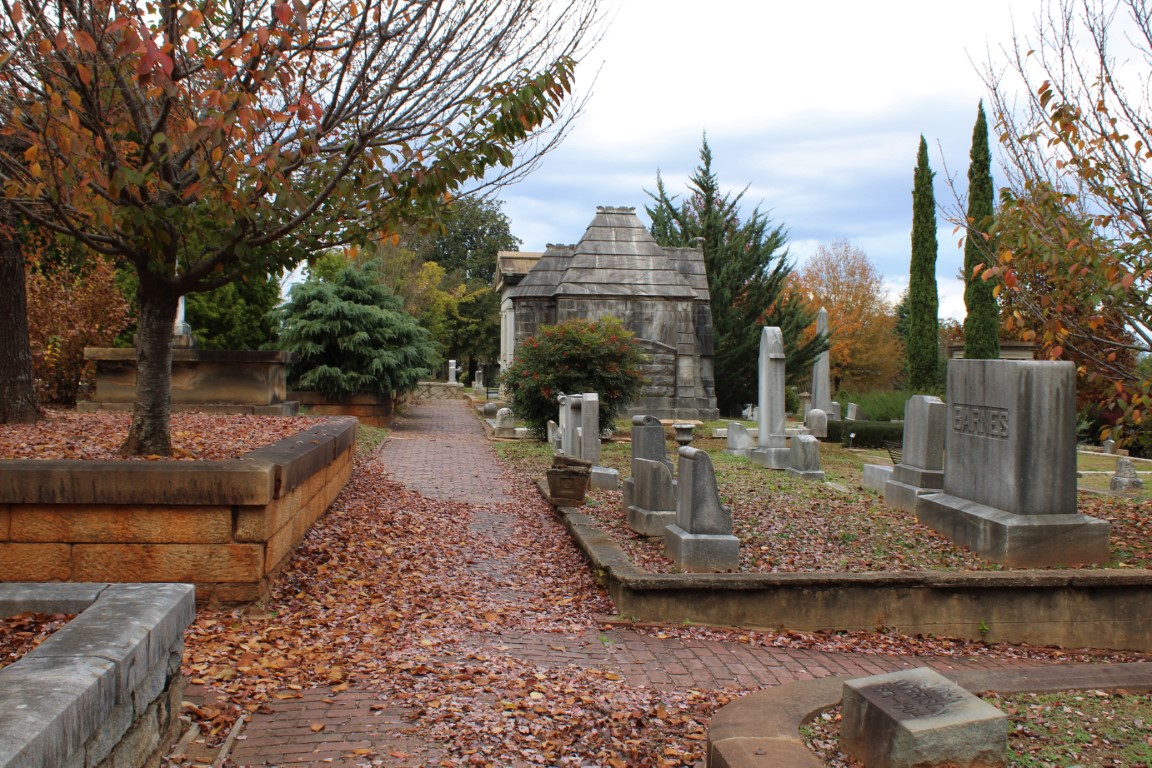
I felt a Funeral, in my Brain,
   And Mourners to and fro
 Kept treading -- treading -- till it seemed
   That Sense was breaking through --

And when they all were seated,
   A Service, like a Drum --
 Kept beating -- beating -- till I thought
   My mind was going numb --

And then I heard them lift a Box
   And creak across my Soul
 With those same Boots of Lead, again,
   Then Space -- began to toll,

As all the Heavens were a Bell,
   And Being, but an Ear,
 And I, and Silence, some strange Race,
   Wrecked, solitary, here --

And then a Plank in Reason, broke,
   And I dropped down and down --
 And hit a World, at every plunge,
   And Finished knowing -- then --




 Tiger Riding for Beginners