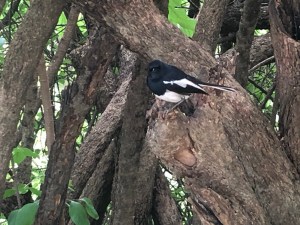
a bird in a bush:
 does it know it’s worth
  half a bird in hand?

a bird in a bush:
does it know it’s worth
half a bird in hand?
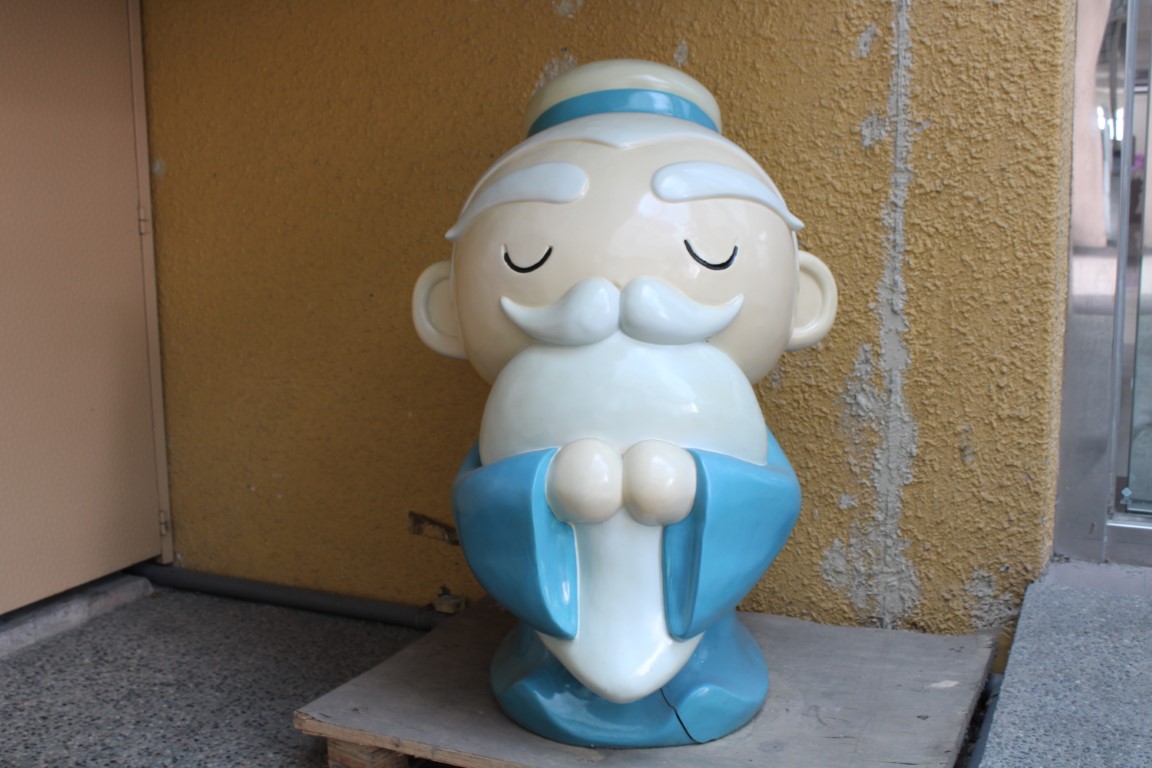
There was an Old Man with a beard,
 Who said, "It is just as I feared! --
     Two Owls and a Hen,
     Four Larks and a Wren,
 Have all built their nests in my beard!"
NOTE: This poem no. 1 of Lear’s The Book of Nonsense.
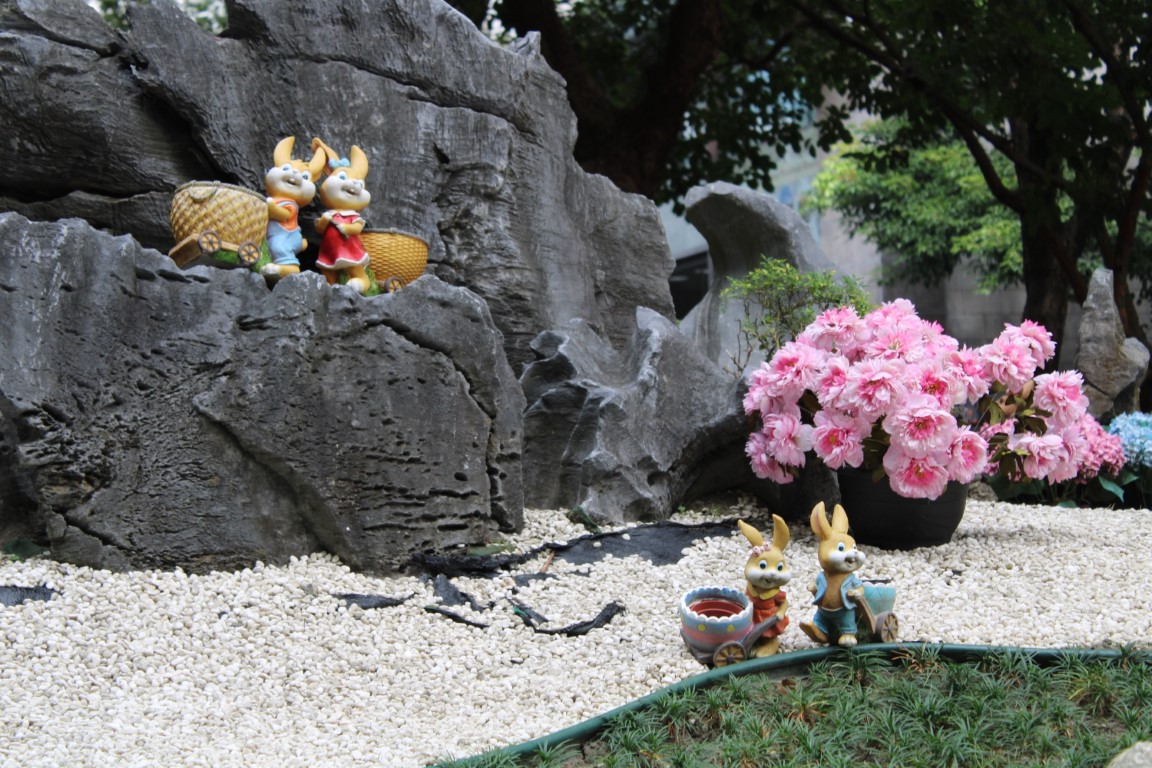
little Zen Garden
 evokes a craggy cliff
  despite scale issues.
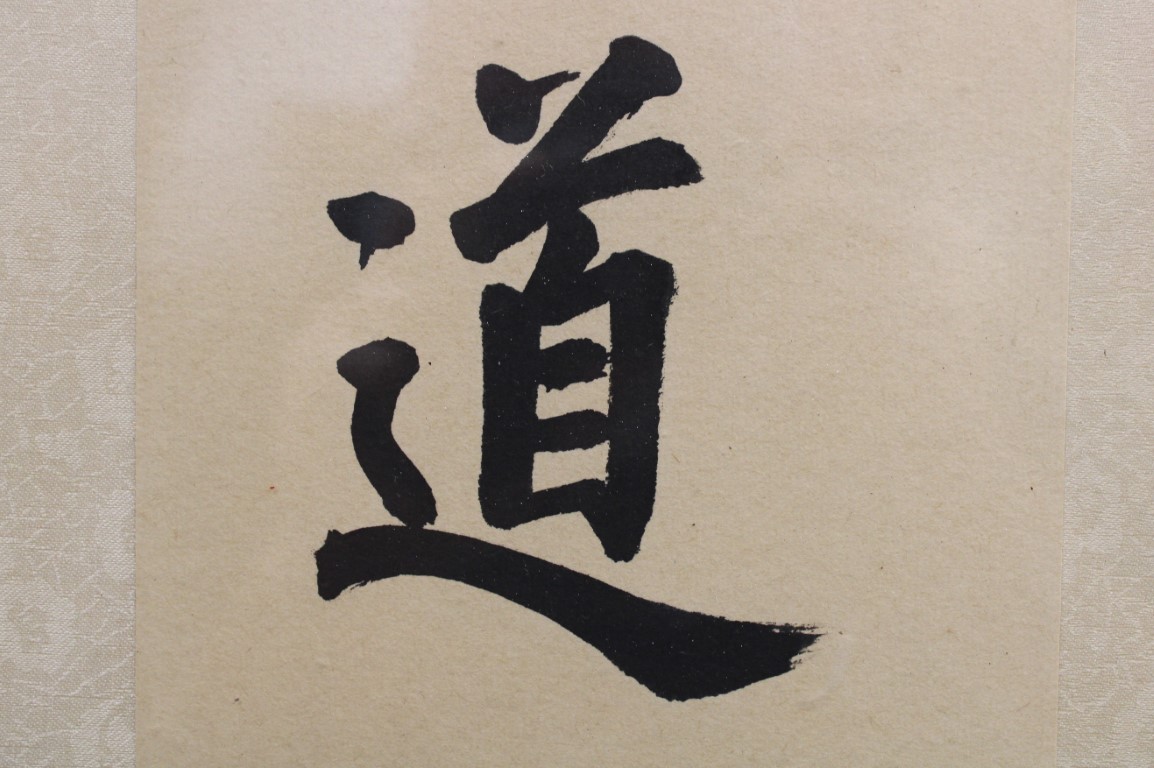
one character, Dao,
 looks like a road that rounds
  some great attraction,
 but keeps moving onward
 to undiscovered country.

one dog rose bloom
 stands out from a blurred world:
  still, as shadows twist.
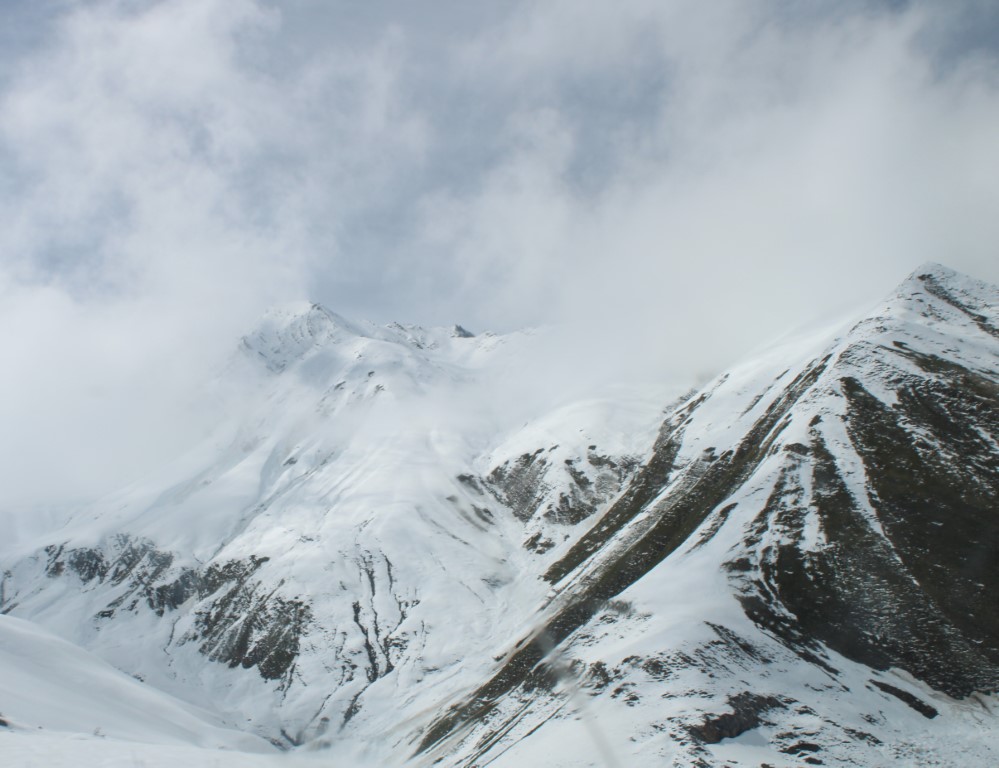
No hawk hangs over in this air:
 The urgent snow is everywhere.
 The wing adroiter than a sail
 Must lean away from such a gale,
Abandoning its straight intent,
 Or else expose tough ligament
 And tender flesh to what before
 Meant dampened feathers, nothing more.

Forceless upon our backs there fall
 Infrequent flakes hexagonal,
 Devised in many a curious style
 To charm our safety for a while,
   Where close to earth like mice we go
   Under the horizontal snow.
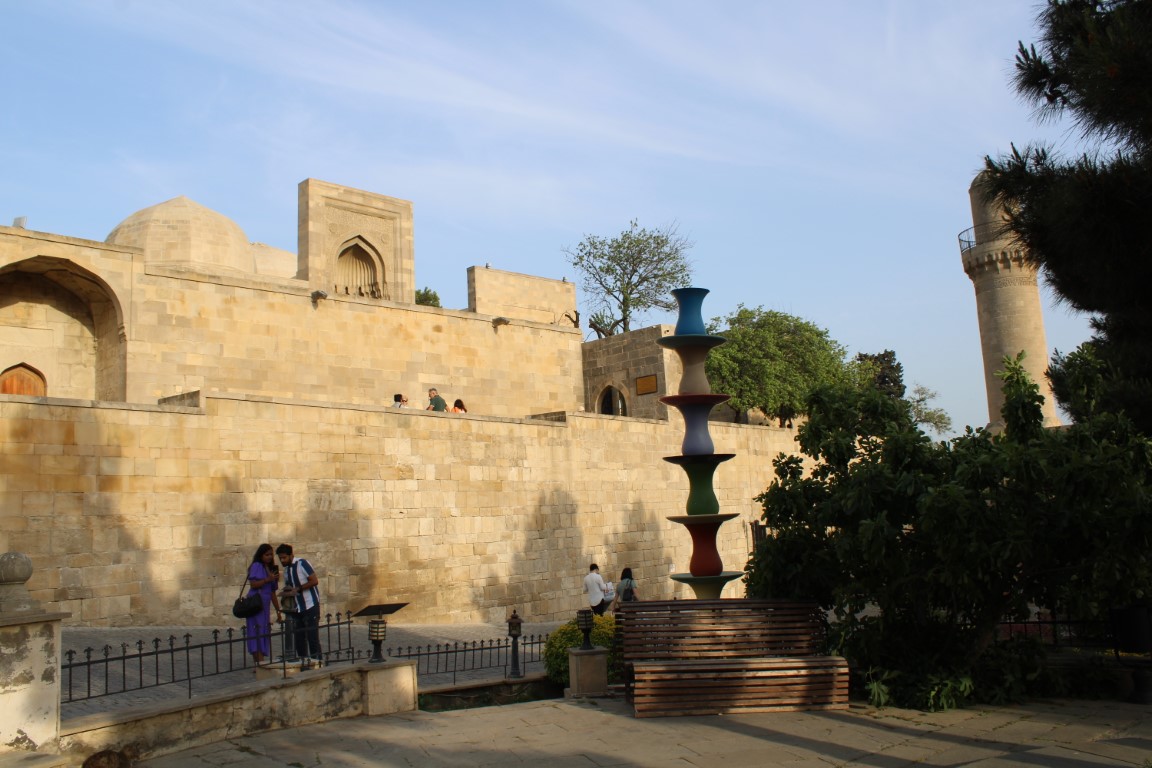
the sun's last gasp
 glows against walls and towers,
  but forms deep shadows.
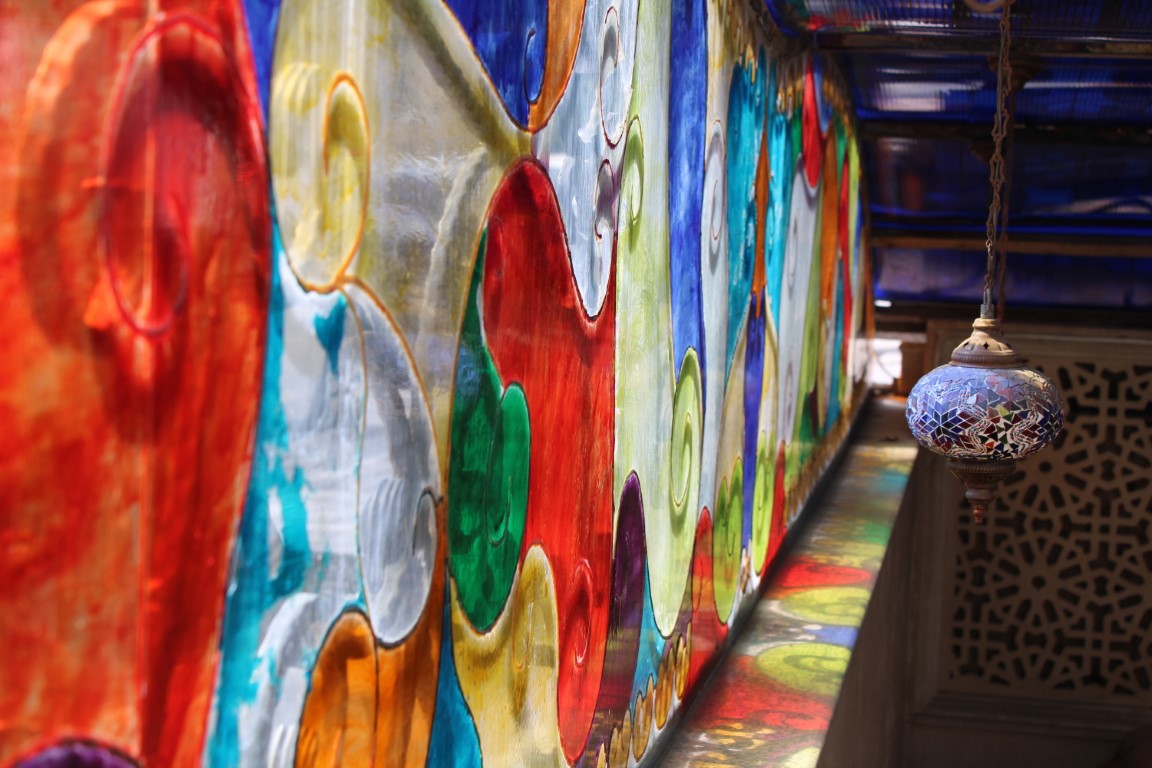
The light of a streetlamp
   Streams through the stained glass,
 And colors spread stably
   Over surfaces below.

Then car after car
   Pass by that bar,
 And the colors are
   Climbing and crawling,
   Shifting and sprawling,
 As headlamp light, briefly,
   Dances through the window --
      Kaleidoscope swirling the
      Shockingly bright colors
      In short-lived arcs.

 The window was designed
   To evoke a cathedral,
       And deny all debauchery...

Oh, how it's failed.
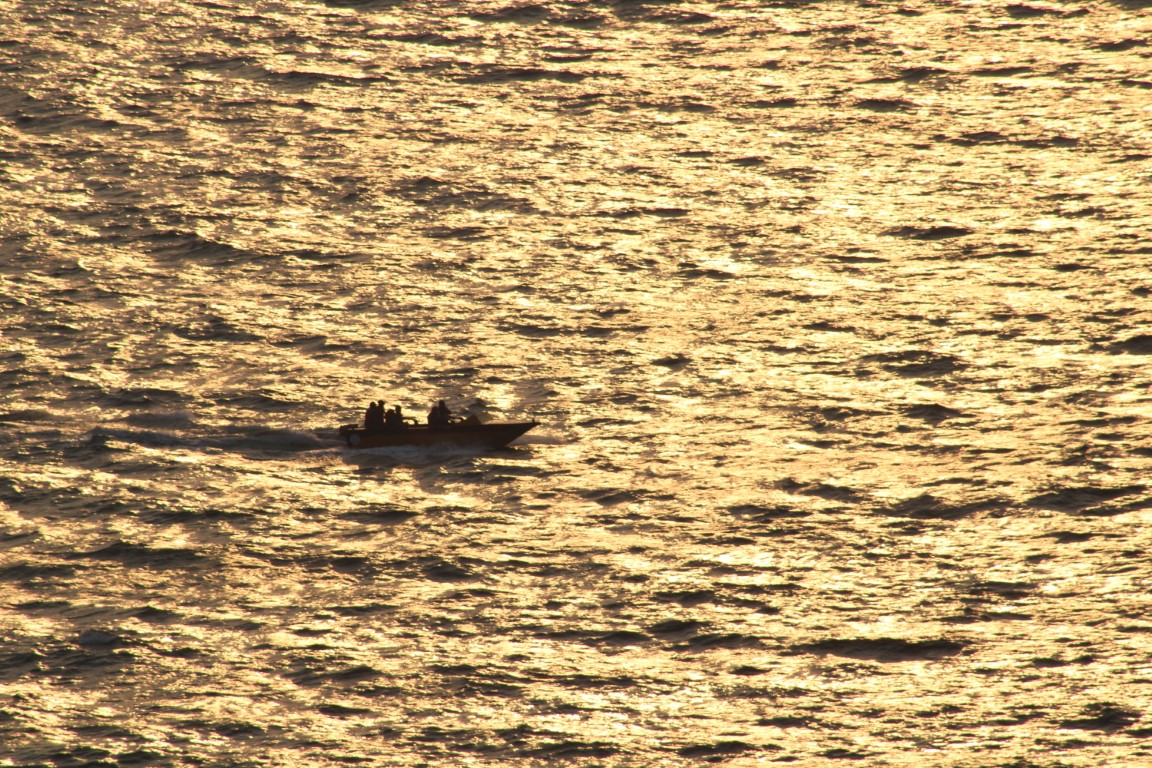
A boat beneath a sunny sky,
 Lingering onward dreamily
  In an evening of July --

Children three that nestle near,
 Eager eye and willing ear,
  Pleased a simple tale to hear --

Long has paled that sunny sky:
 Echoes fade and memories die:
  Autumn frosts have slain July.

Still she haunts me, phantomwise,
 Alice moving under skies
  Never seen by waking eyes.

Children yet, the tale to hear,
 Eager eye and willing ear,
  Lovingly shall nestle near.

In a Wonderland they lie,
 Dreaming as the days go by,
  Dreaming as the summers die:

Ever drifting down the stream --
 Lingering in the golden gleam --
  Life, what is it but a dream?