“Refined” [Poetry Style #6] by Sikong Tu [w/ Audio]

Buying fine jade in the springtime,
Enjoying rain song from within a cabin,
A taciturn scholar sits betwixt
Copses of tall, arching bamboo.
Sparse white clouds in a newly clear sky;
Swallows weave 'round trees in pursuit.
Light through leaf casts a green hue on all;
Sound of falling water, thin but near;
Flower petals fall without a sound.
But the man sits unyielding as a mum;
He writes what the scene dictates
To make a pithy book.

NOTE: The late Tang Dynasty poet, Sikong Tu (a.k.a. Ssŭ-k‘ung T‘u,) wrote an ars poetica entitled Twenty-Four Styles of Poetry. It presents twenty-four poems that are each in a different tone, reflecting varied concepts from Taoist philosophy and aesthetics. Above is a translation of the sixth of the twenty-four poems.


Fade to Black [Haiku]

the coral-hued lake
will soon be the inky void
between coastal lights.

Summer Sunset [Senryū]

harsh summer sun sets:
baboon troops exit the woods,
"Yeah, you'd better run!"

“To be, or not to be” [Soliloquy from HAMLET] by William Shakespeare [w/ Audio]

To be, or not to be, that is the question:
Whether 'tis nobler in the mind to suffer
The slings and arrows of outrageous fortune,
Or to take arms against a sea of troubles
And by opposing end them. To die -- to sleep,
No more; and by a sleep to say we end
The heart-ache and the thousand natural shocks
That flesh is heir to: 'tis a consummation
Devoutly to be wish'd. To die, to sleep;
To sleep, perchance to dream -- ay, there's the rub:
For in that sleep of death what dreams may come,
When we have shuffled off this mortal coil,
Must give us pause - there's the respect
That makes calamity of so long life.
For who would bear the whips and scorns of time,
Th' oppressor's wrong, the proud man contumely,
The pangs of dispriz'd love, the law's delay,
The insolence of office, and the spurns
That patient merit of th' unworthy takes,
When he himself might his quietus make
With a bare bodkin? Who would fardels bare,
To grunt and sweat under a weary life,
But that the dread of something after death,
The undiscover'd country, from whose bourn
No traveller returns, puzzles the will,
And makes us rather bear those ills we have
Than fly to others that we know not of?
Thus conscience doth make cowards of us all,
And thus the native hue of resolution
Is sicklied o'er with the pale cast of thought,
And enterprises of great pith and moment
With this regard their currents turn awry
And lose the name of action.

The Lingering Fall [Haiku]

winter wind gust...
[a pause,] a few leaves flutter
slantwise to earth.

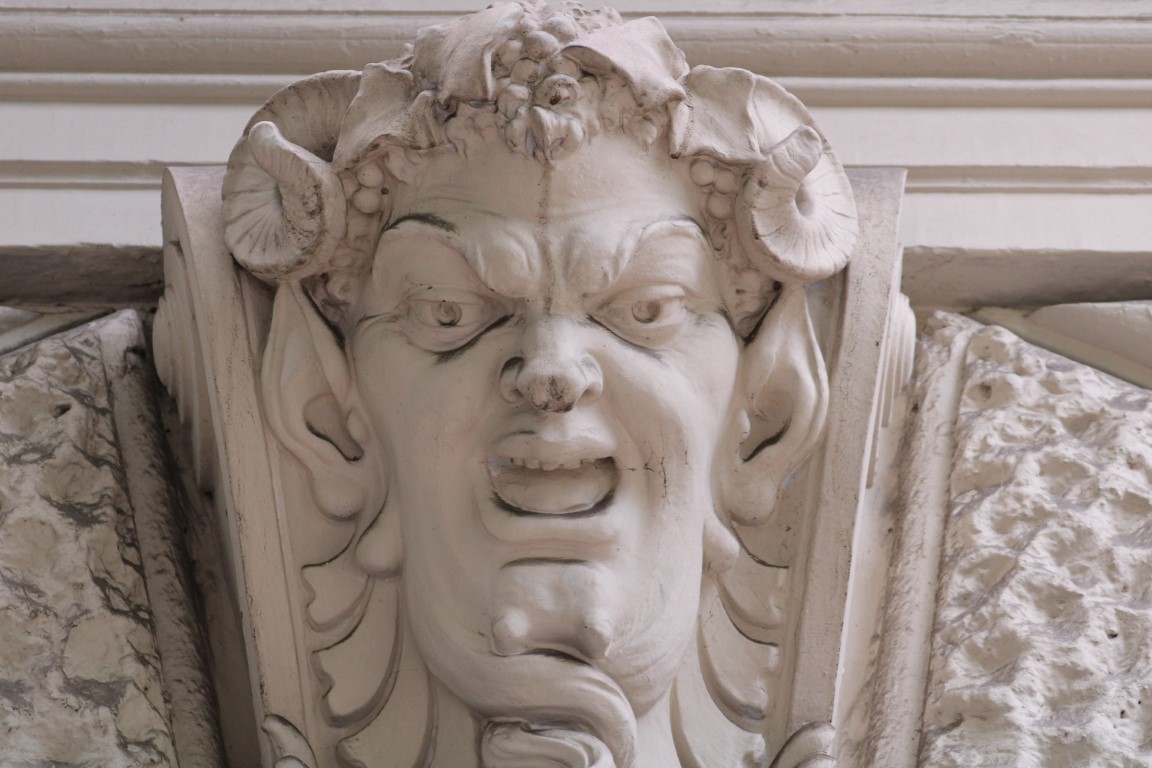
The Satyric Satirist’s Limerick

There once was a master of the satiric
Who was known for being quite satyric.
What a difference "y" makes:
Handshakes to heartaches.
He was cancelled as his words won panegyrics.

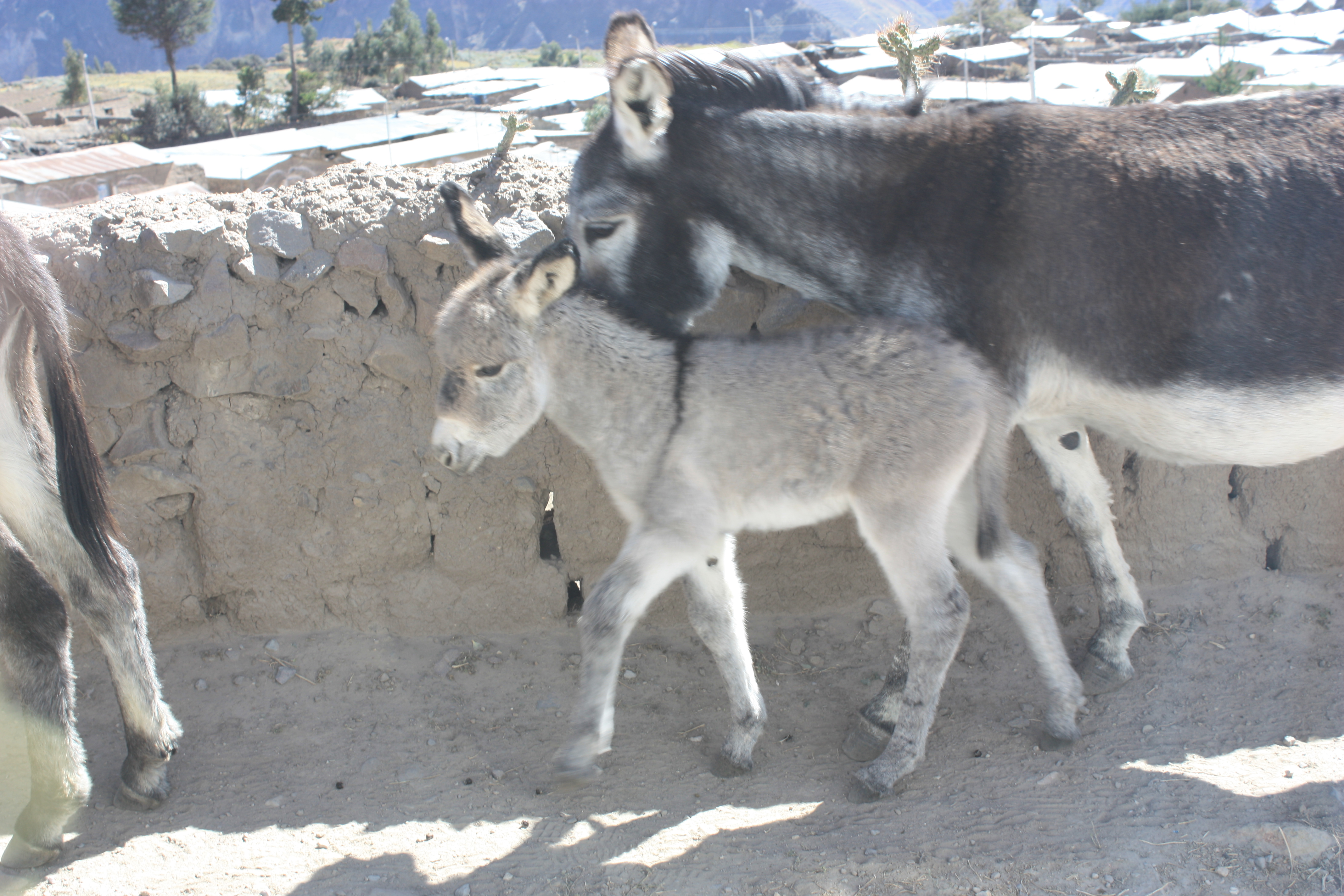
“The Donkey” by G.K. Chesterton [w/ Audio]

When fishes flew and forests walked
And figs grew upon thorn,
Some moment when the moon was blood
Then surely I was born.

With monstrous head and sickening cry
And ears like errant wings,
The devil's walking parody
On all four-footed things.

The tattered outlaw of the earth,
Of ancient crooked will;
Starve, scourge, deride me: I am dumb,
I keep my secret still.

Fools! For I also had my hour;
One far fierce hour and sweet:
There was a shout about my ears,
And palms before my feet.

Bee and Butterfly [Haiku]

bee & butterfly,
drawn to the same fragrant bloom,
work in harmony.

Yellow Field [Haiku]

a yellow field 
stands warm & bright, even
under rain clouds.

“He Wishes for the Cloths of Heaven” by William Butler Yeats [w/ Audio]

Had I the heavens' embroidered cloths,
Enwrought with the golden and silver light,
The blue and the dim and the dark cloths
Of night and light and the half-light,
I would spread the cloths under your feet:
But I, being poor, have only my dreams;
I have spread my dreams under your feet;
Tread softly because you tread on my dreams.

NOTE: This poem is also sometimes entitled, “Aedh Wishes for the Cloths of Heaven.”