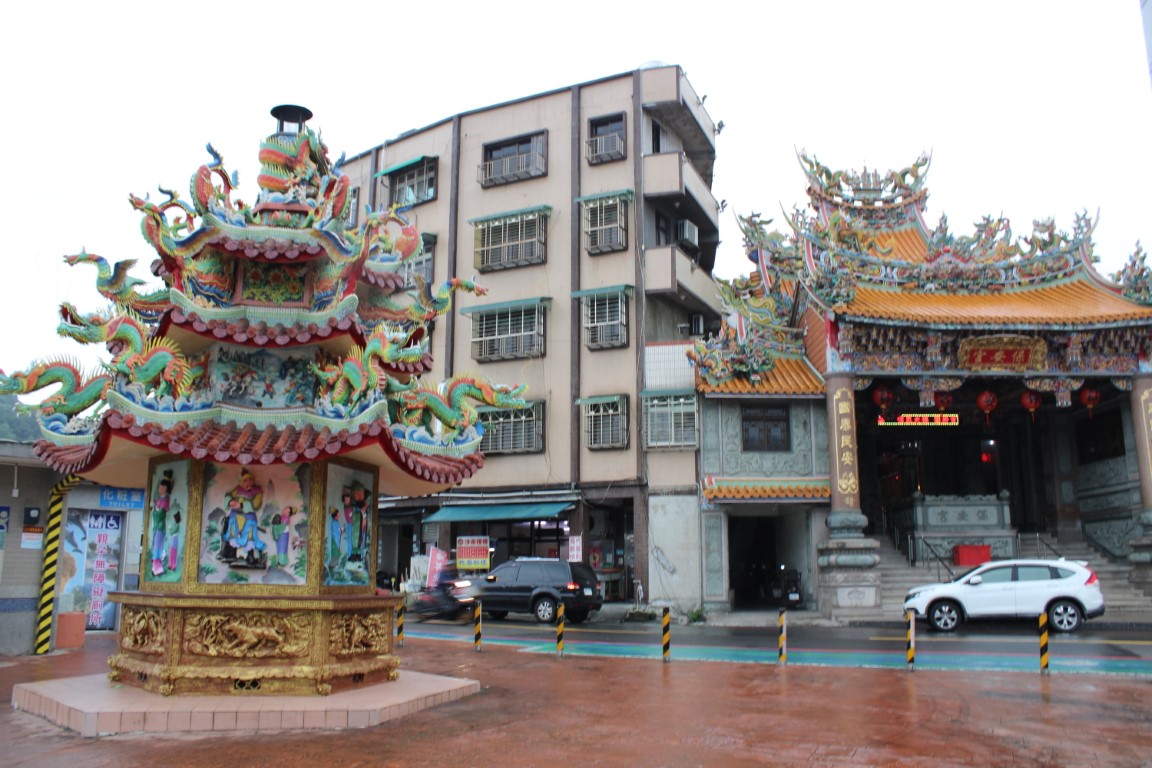
Dawn rain has washed the city of its dust;
  The refreshed hotel willows tremble in a gust.
 My friendly advice, you dry up another glass,
  You have no acquaintance beyond The Jade Gate Pass.

Dawn rain has washed the city of its dust;
The refreshed hotel willows tremble in a gust.
My friendly advice, you dry up another glass,
You have no acquaintance beyond The Jade Gate Pass.
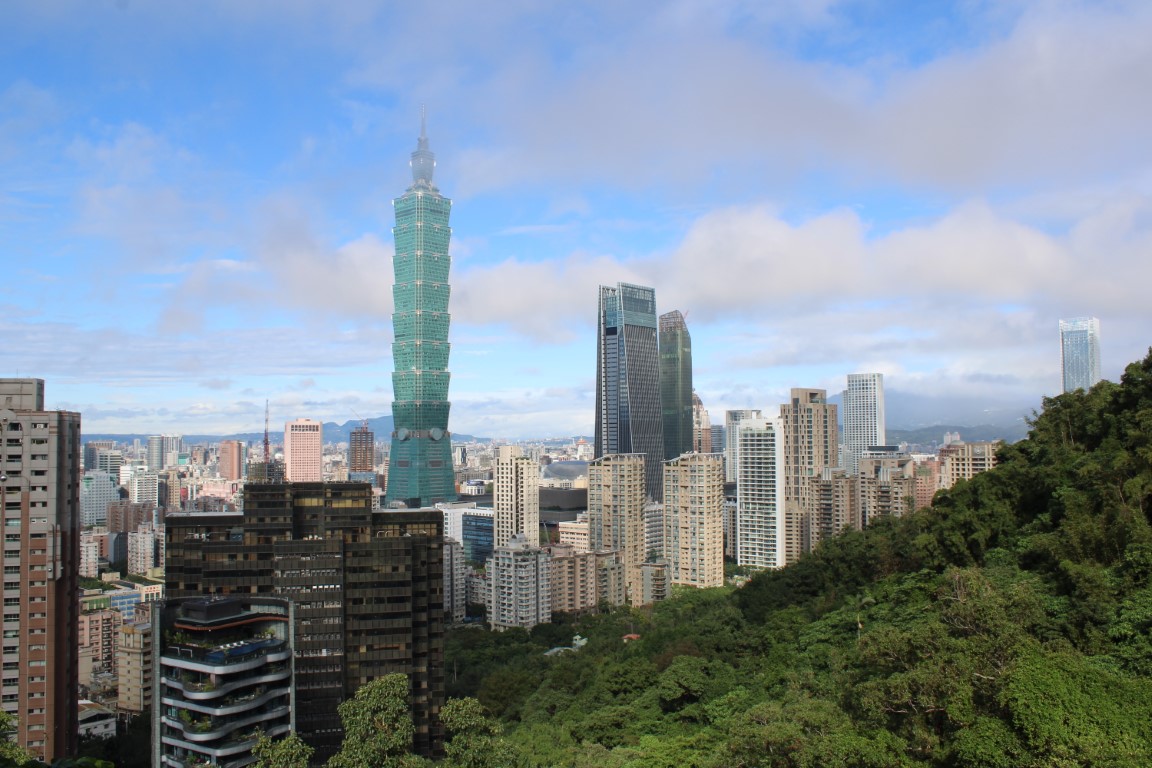
Men say they know many things;
 But lo! they have taken wings, --
 The arts and sciences,
 And a thousand appliances;
   The wind that blows
   Is all that any body knows.
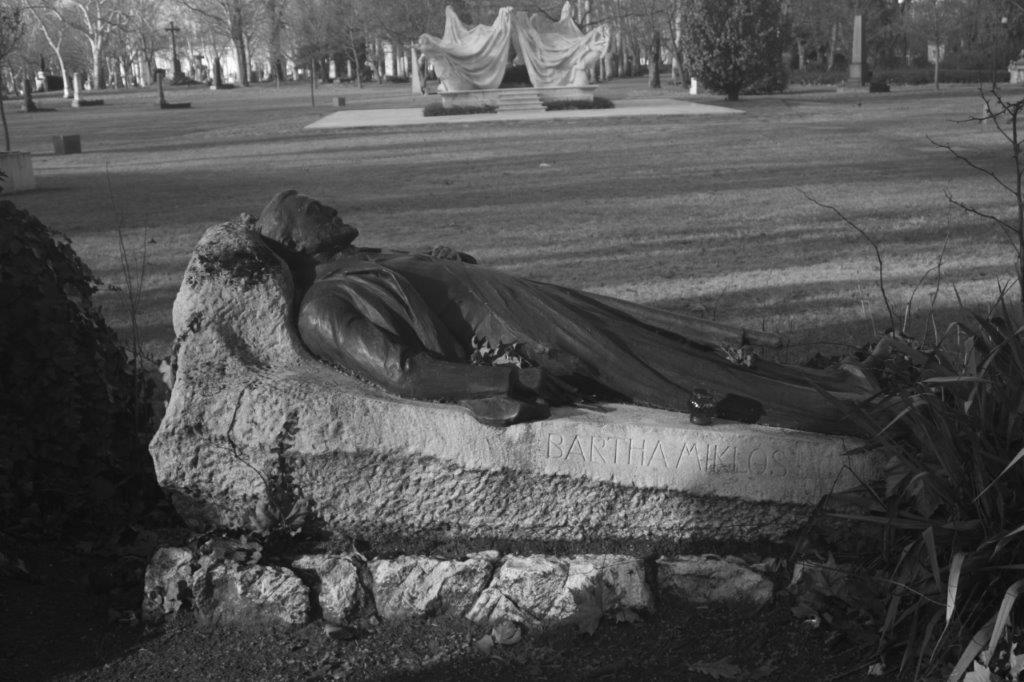
A slumber did my spirit seal;
   I had no human fears:
 She seemed a thing that could not feel
   The touch of earthly years.

No motion has she now, no force;
   She neither hears nor sees;
 Rolled round in earth's diurnal course,
   With rocks, and stones, and trees.
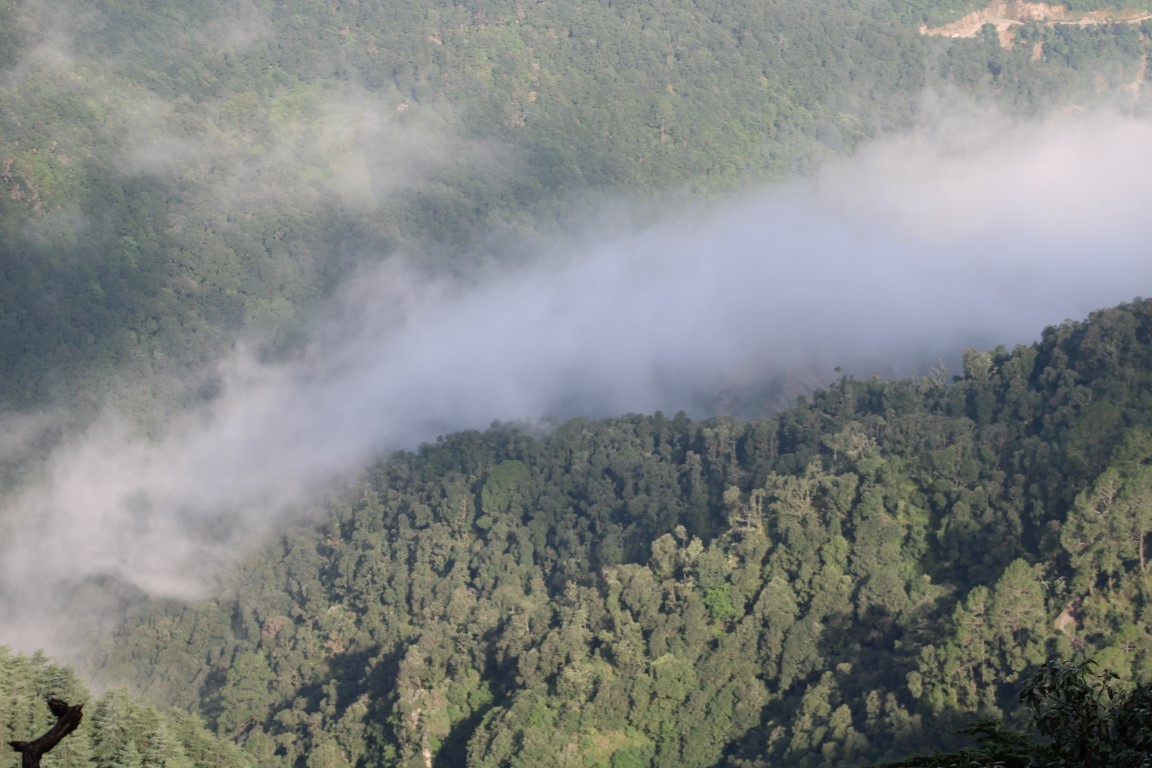
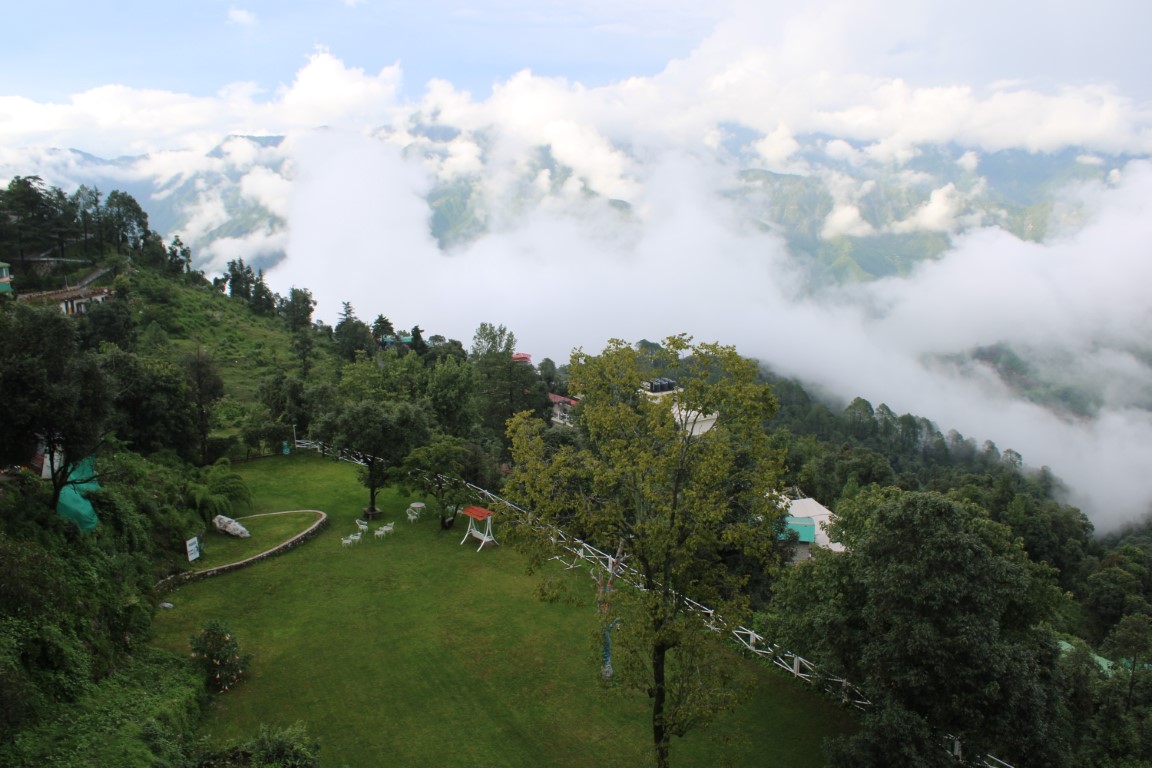
A thick cloud nestled into the
   valley down below,
 I wonder if the forager
   in that streambed knows
   that it's sunny above.
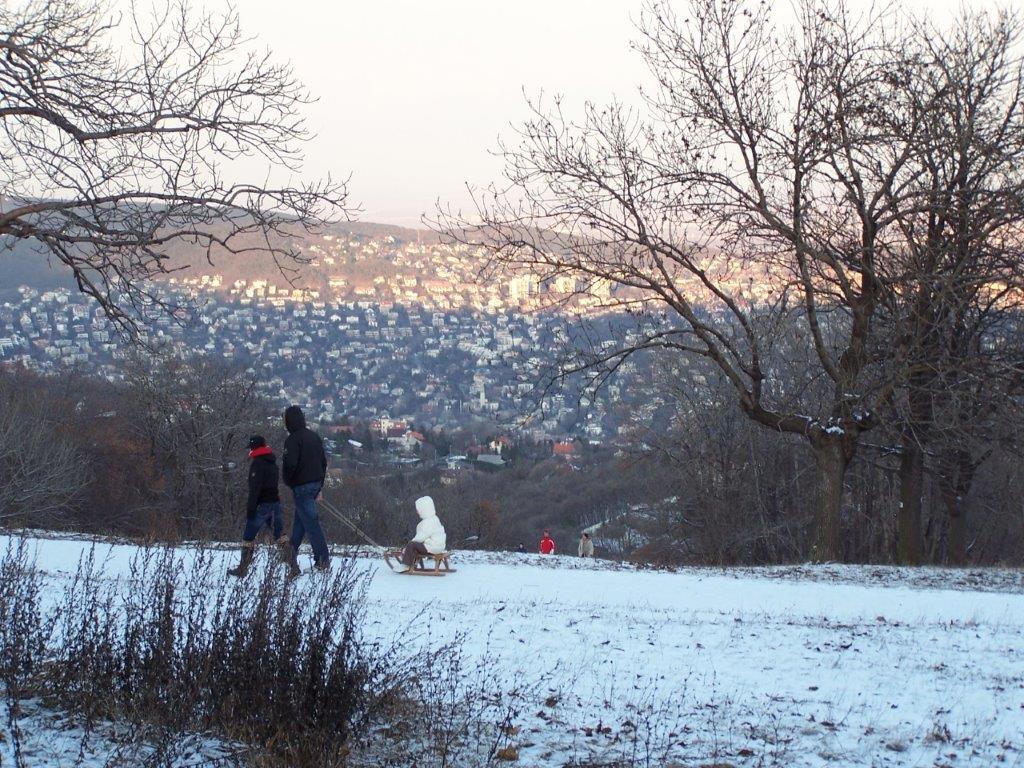
I will be the gladdest thing
   Under the sun!
 I will touch a hundred flowers
   And not pick one.

I will look at cliffs and clouds
   With quiet eyes,
 Watch the wind bow down the grass,
    And the grass rise.

And when lights begin to show
   Up from the town,
 I will mark which must be mine,
   And then start down!
I counted till they danced so
   Their slippers leaped the town --
 And then I took a pencil
   To note the rebels down --
 And then they grew so jolly
   I did resign the prig --
 And ten of my once stately toes
   Are marshalled for a jig!
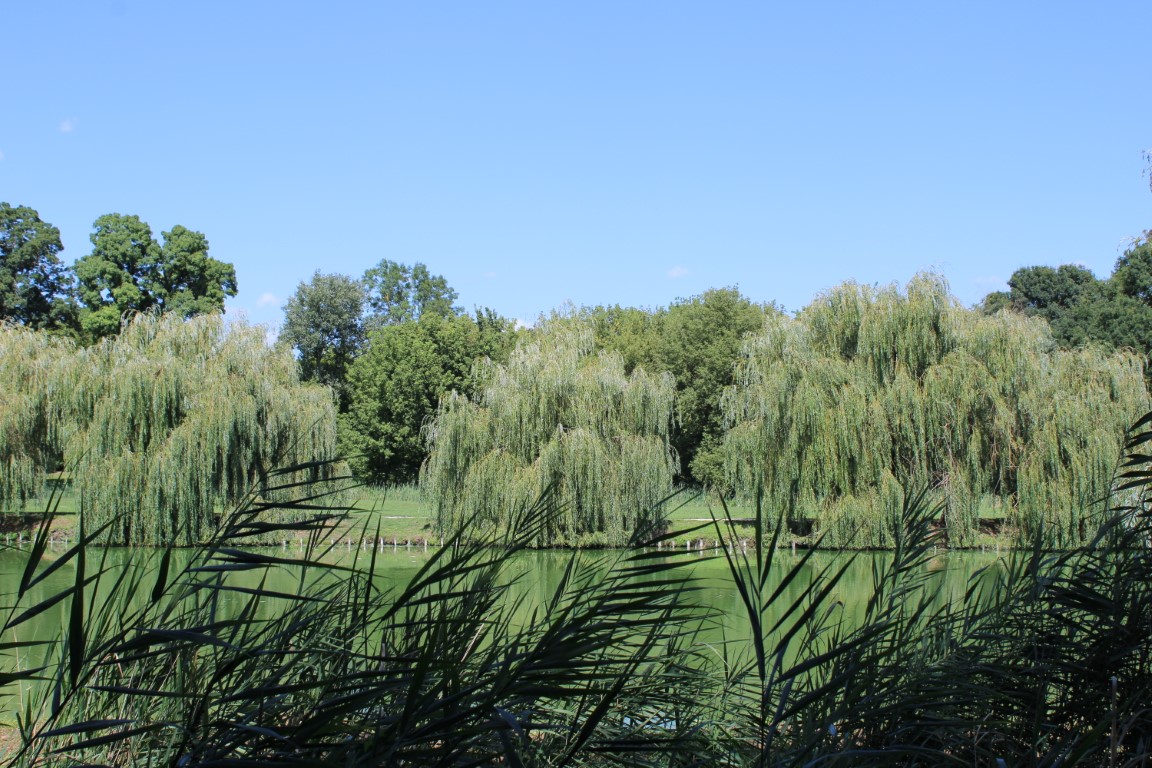
All wish to return,
   Hoping others will come:
 A clear water ride
 Where strange flowers bud,
   And lime-green parrots fly
   The willows, to and from --
 The mountain folk arrive
   Deep bowls fill with wine...
 To take a life beyond
   And not end in ash,
   But still be of nature;
 Who's up to that task?
NOTE: The late Tang Dynasty poet, Sikong Tu (a.k.a. Ssŭ-k‘ung T‘u,) wrote an ars poetica entitled Twenty-Four Styles of Poetry. It presents twenty-four poems that are each in a different tone, reflecting varied concepts from Taoist philosophy and aesthetics. Above is a crude translation of the thirteenth of the twenty-four poems. This poem’s Chinese title is 精神, and it has been translated as: “Essential,” “Animal Spirits,” and “Spirit.”
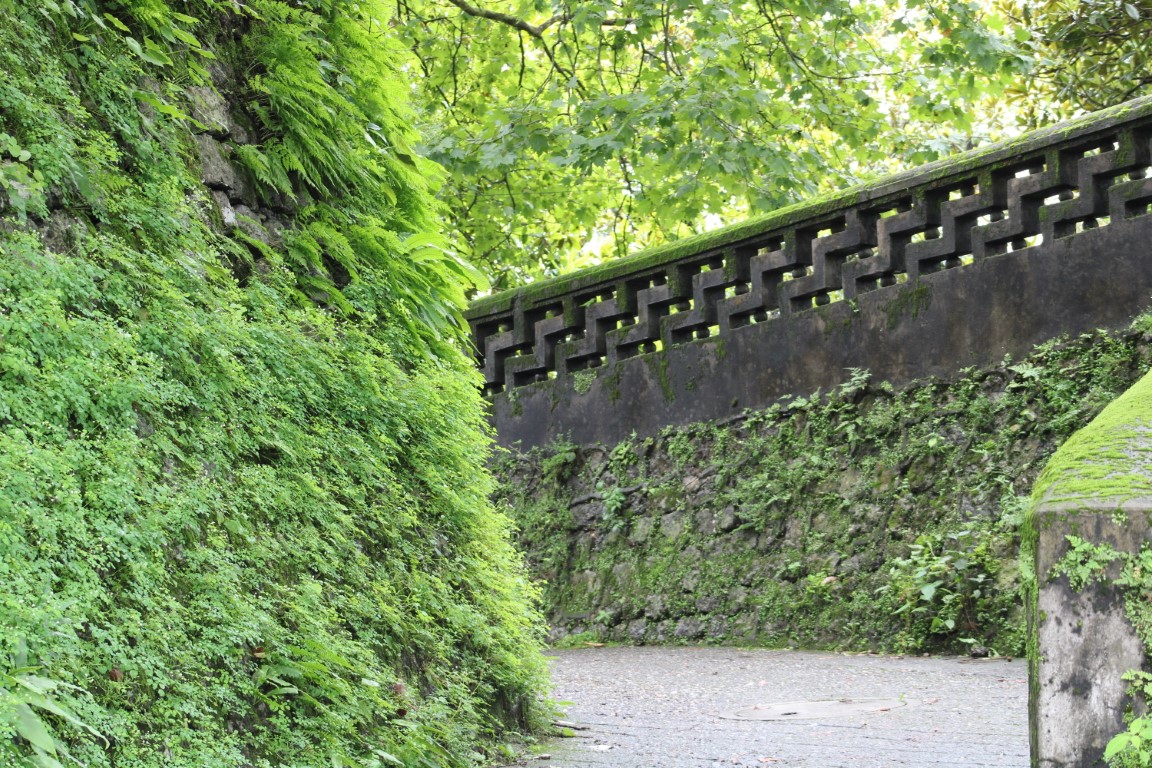
All it takes is one thin crack, and
   A fine flurry of blowing seed.
 And nature takes back all that land --
   Wall-to-wall with growing weeds.
 Color by Countee Cullen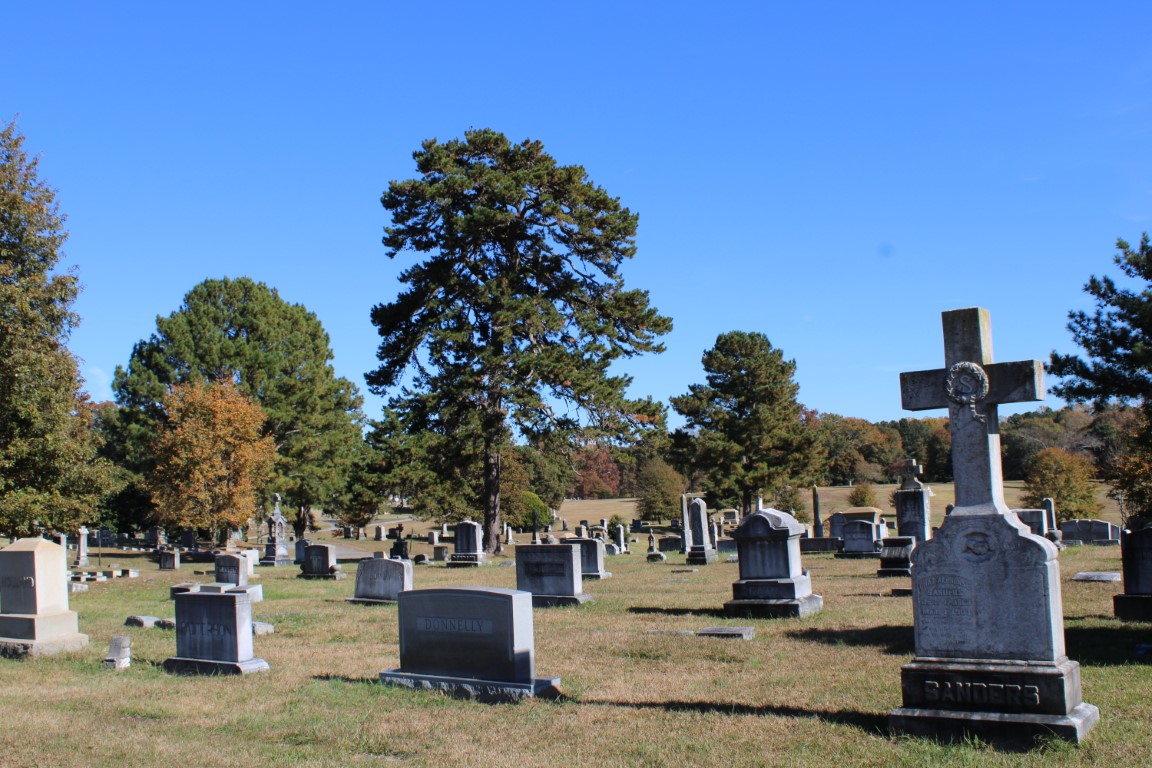
(For Alain Loch)
Dead men are wisest, for they know
 How far the roots of flowers go,
 How long a seed must rot to grow.

Dead men alone bear frost and rain
 On throbless heart and heatless brain,
 And feel no stir of joy or pain.

Dead men alone are satiate;
 They sleep and dream and have no weight,
 To curb their rest, of love or hate.

Strange, men should flee their company,
 Or think me strange who long to be
 Wrapped in their cool immunity.


 Tiger Riding for Beginners