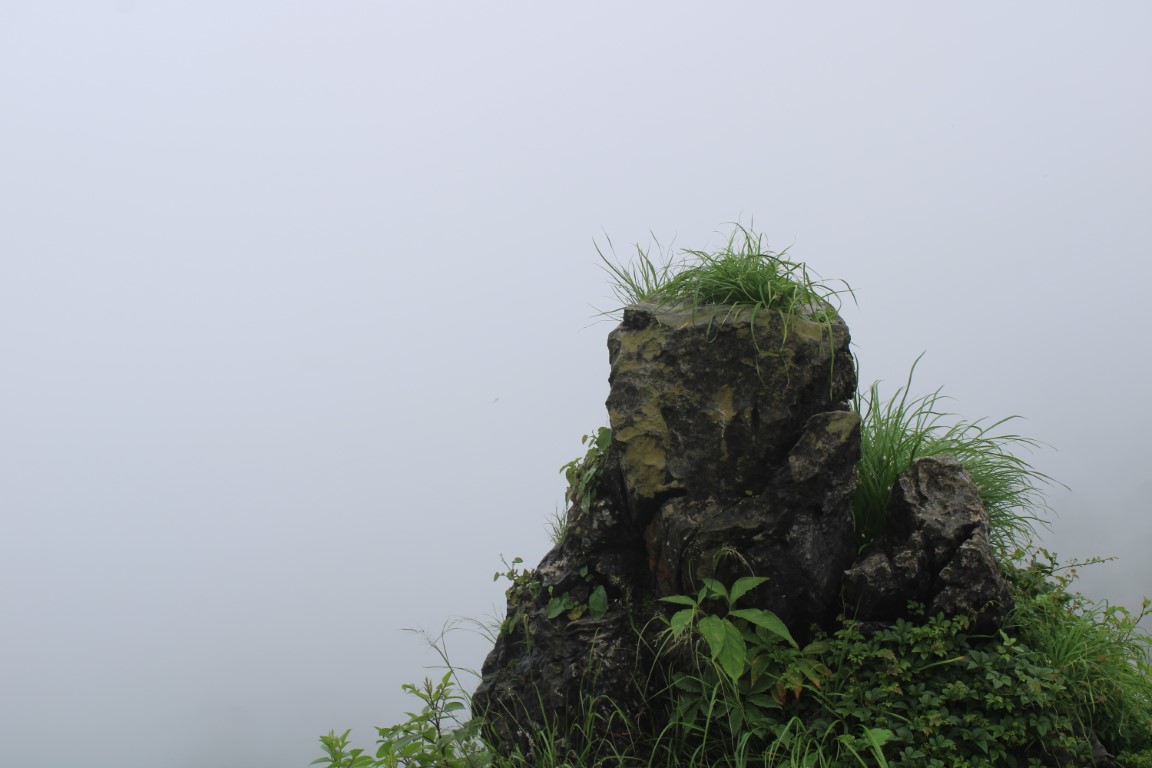
I read the space
   Around the poem.
 It has no meaning,
   But says so much.
 It betrays a little secret
   That no reader ever learned
      Who was too concerned
        With what was written,
      While wholly inattentive
         To
         What
         Was
         Not.
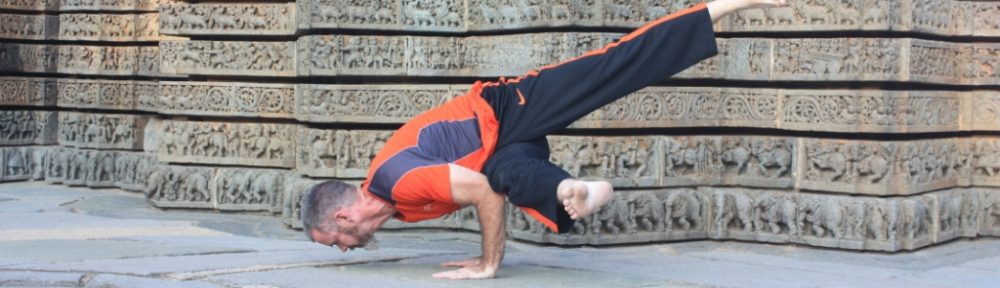
I read the space
Around the poem.
It has no meaning,
But says so much.
It betrays a little secret
That no reader ever learned
Who was too concerned
With what was written,
While wholly inattentive
To
What
Was
Not.
You came to my door in the dawn and sang;
   it angered me to be awakened from sleep,
      and you went away unheeded.
You came in the noon and asked for water;
   it vexed me in my work,
      and you were sent away with reproaches.
 You came in the evening with your flaming torches.
 You seemed to me like a terror and I shut my door.
 Now in the midnight I sit alone in my lampless room
   and call you back whom I turned away in insult.
 Startlement: New and Selected Poems by Ada Limon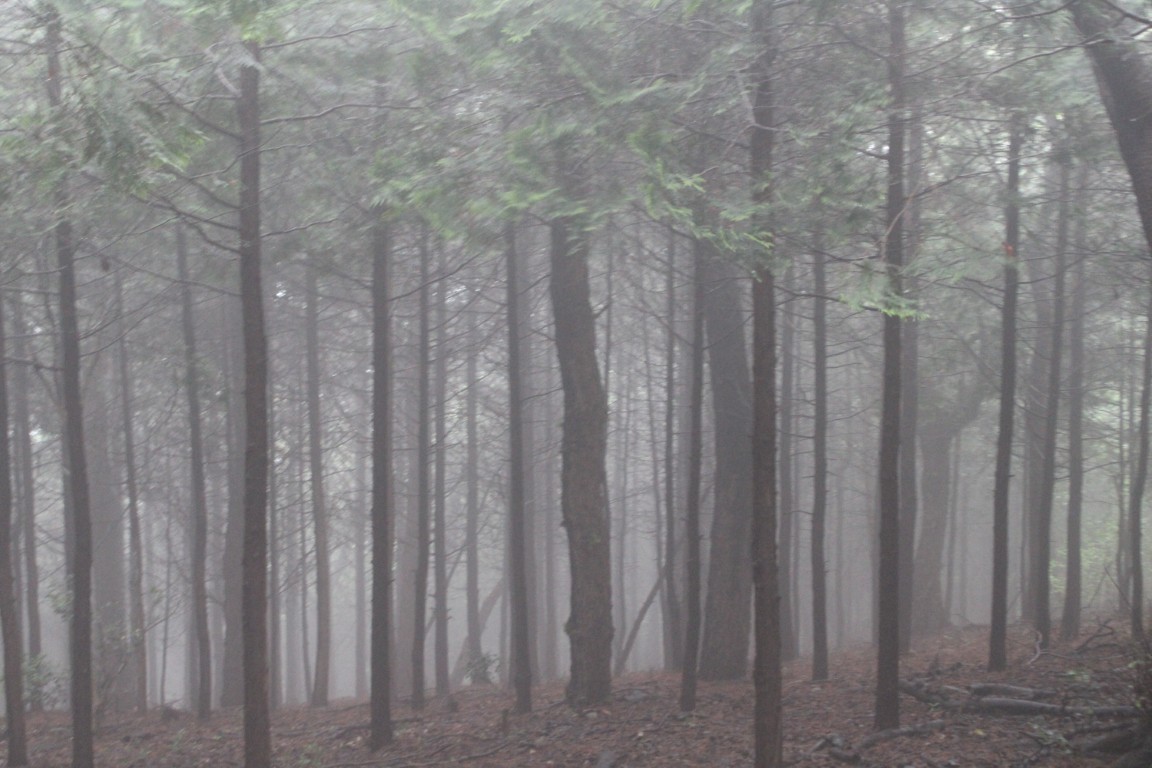
Lost
      in a foggy wood.

   all the trees alike,
   no long view,
   no hint of the sun's position...
       (or existence.)

just the vertical stripes of
   straight pinetree trunks --
       like the bars
       of the cell
       of a giant --
   laid against a fluffy white
       backdrop.

I can scurry between
   the bars, like a mouse,
       but am still lost
       and still caged.
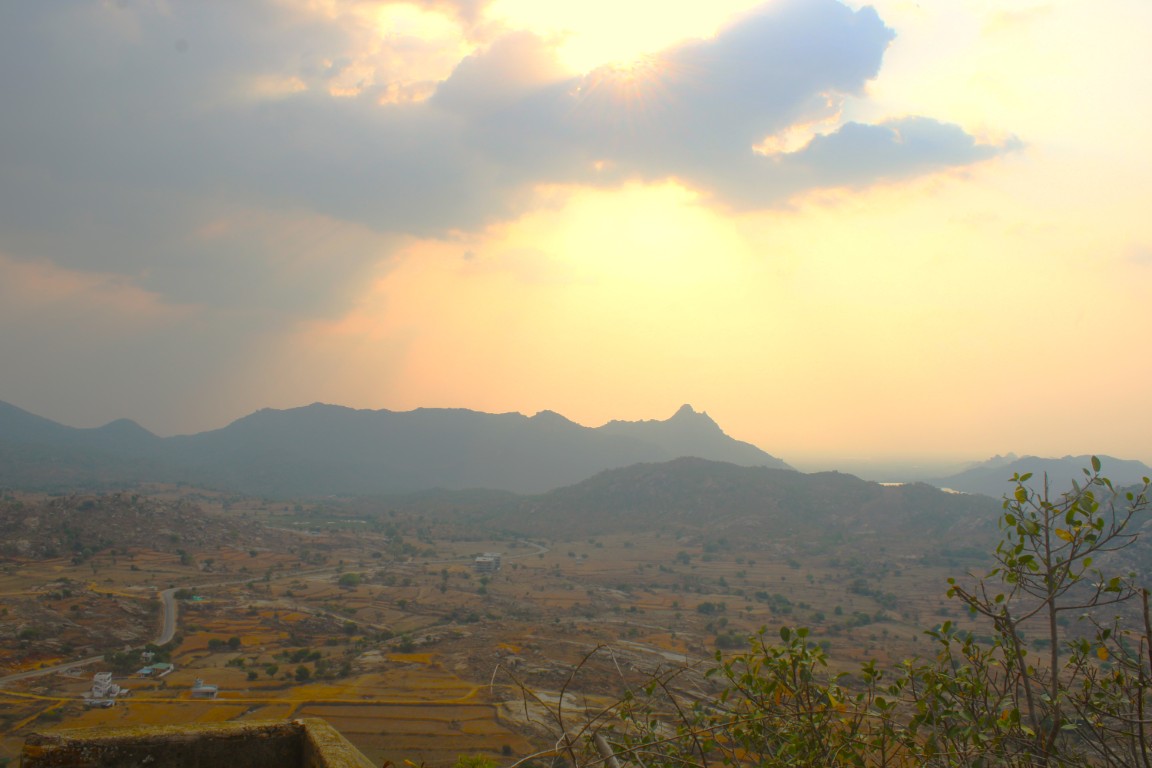
That strange flower, the sun,
  Is just what you say.
  Have it your way.

 The world is ugly,
  And the people are sad.

 That tuft of jungle feathers,
  That animal eye,
  Is just what you say.

 That savage of fire,
  That seed,
  Have it your way.

 The world is ugly,
  And the people are sad.

Humans have been hunters,
   gatherers,
   farmers,
   machines,
   thinkers,
   and creators,

And have no idea what we'll next be.

I think that people will next be
      -- simply --
   Human Beings,
      Full-time Human Beings --
      More Human,
      More Being...

And many will fail spectacularly.
Moving through the Great Spontaneous,
   Blender blades barely missing --
      In fact, sometimes nicking.

   The accumulation of those nicks
      Is aging.
   It takes an ever-defter dance to keep
       The damage buildup to a constant pace --
   Not letting it blitz one,
       Or pull one into the turbine:
           Like a goose through
           The turbofans of a 787.
       A goose may kill a plane,
            But becomes dust in the process.
        When one surrenders to the choppers
            One will not have the satisfaction
             Of killing the vehicle,
             Of bringing it all down.
  The Universe will go on,
      And one's molecules will become
            Something new.

Centre of equal daughters, equal sons,
 All, all alike endear’d, grown, ungrown, young or old,
 Strong, ample, fair, enduring, capable, rich,
 Perennial with the Earth, with Freedom, Law and Love,
 A grand, sane, towering, seated Mother,
 Chair’d in the adamant of Time.
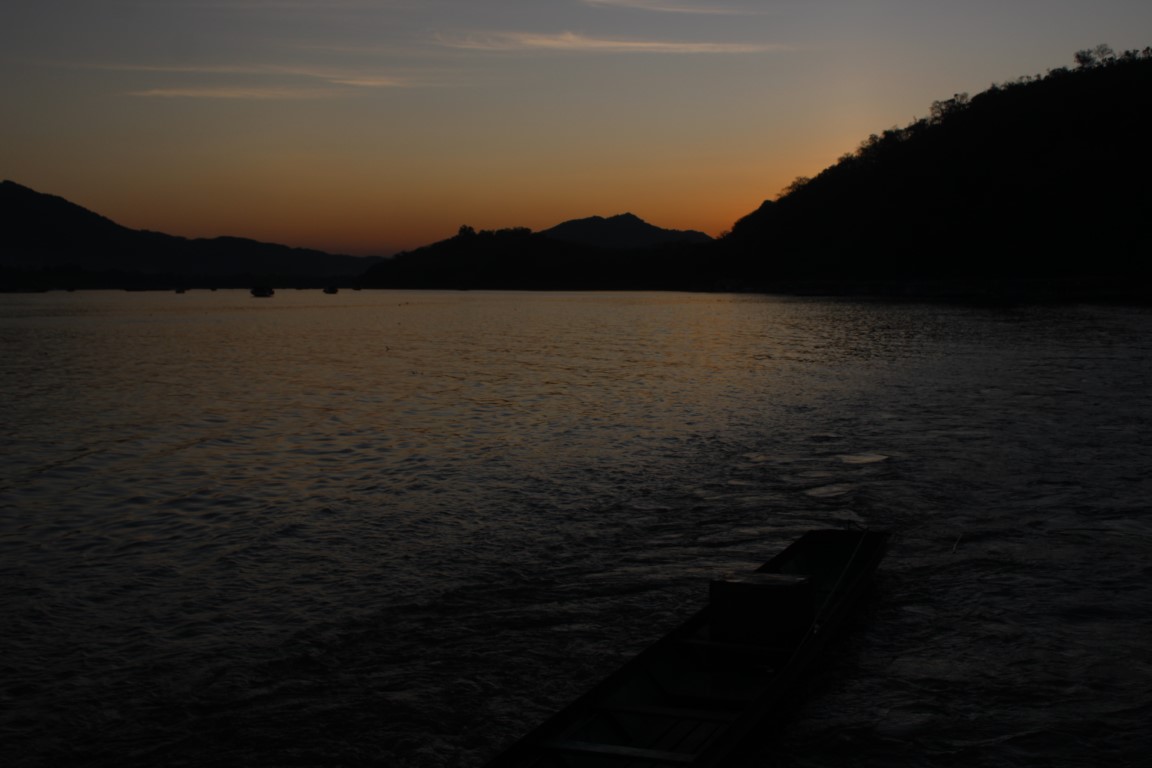
Brighter than fireflies upon the Uji River
   Are your words in the dark, Beloved.
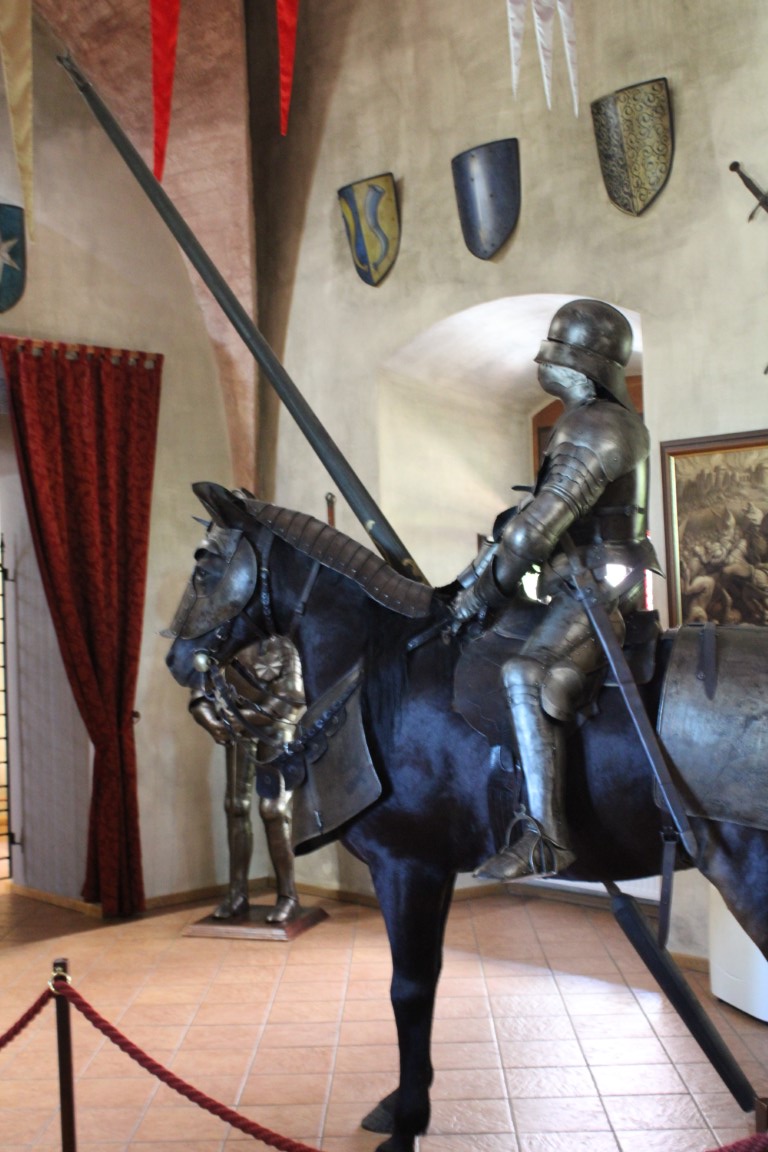
Fast rode the knight
 With spurs, hot and reeking,
 Ever waving an eager sword,
 "To save my lady!"
 Fast rode the knight,
 And leaped from saddle to war.
 Men of steel flickered and gleamed
 Like riot of silver lights,
 And the gold of the knight's good banner
 Still waved on a castle wall.
. . . . . . . . . . . .
A horse,
 Blowing, staggering, bloody thing,
 Forgotten at foot of castle wall.
 A horse
 Dead at foot of castle wall.


