During thirty years since my birth
 I've hiked thousands of miles,
 seen green grass converging with a river
 and red dust rising at the frontiers,
 searched in vain for immortals and elixirs,
 studying books and histories.
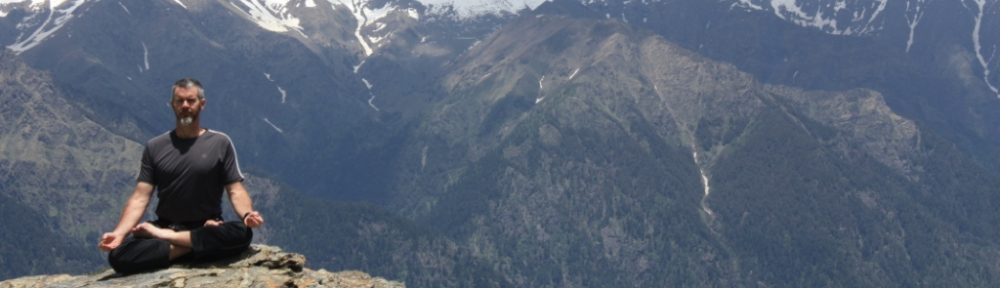
 Today I've returned to Cold Mountain.
 I lie back in a stream, washing out my ears.
Translation: Barnstone, Tony and Ping, Chou. 2005. The Anchor Book of Chinese Poetry: From Ancient to Contemporary. New York: Anchor Books.
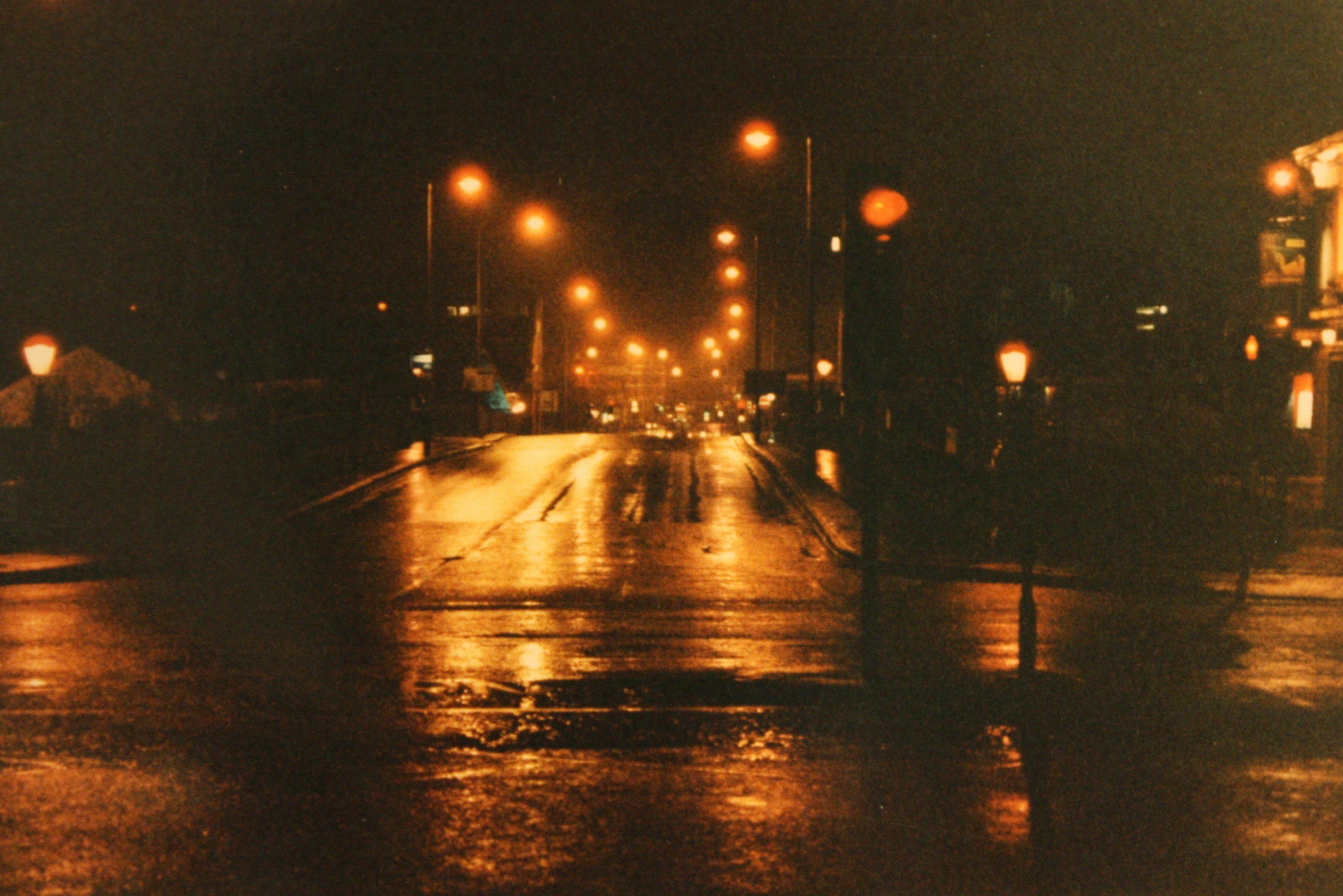
They have watered the street,
 It shines in the glare of lamps,
 Cold, white lamps,
 And lies
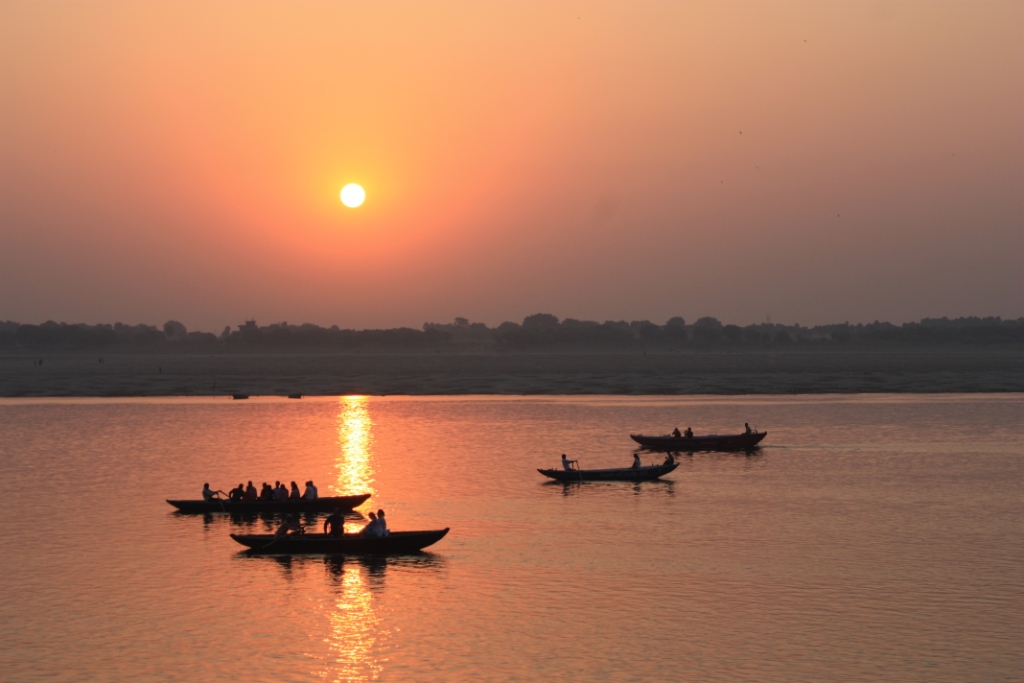
 Like a slow-moving river,
 Barred with silver and black.
 Cabs go down it,
 One,
 And then another.
 Between them I hear the shuffling of feet.
 Tramps doze on the window-ledges,
 Night-walkers pass along the sidewalks.
 The city is squalid and sinister,
 With the silver-barred street in the midst,
 Slow-moving,
 A river leading nowhere.

Opposite my window,
 The moon cuts,
 Clear and round,
 Through the plum-colored night.
 She cannot light the city;
 It is too bright.
 It has white lamps,
 And glitters coldly.

I stand in the window and watch the moon.
 She is thin and lustreless,
 But I love her.
 I know the moon,
 And this is an alien city.
Amazon.in Page
I read the 1909 Cyril Scott translation of Baudelaire’s poetry collection. It consists of 54 poems, including “Condemned Women” but not including others of the six poems that were banned in early editions and which only came to be included in later editions. (I did look up and read a couple translations each for the six poems — because censorship can’t be allowed to prevail. Not surprisingly, they are calm by today’s standards. It should be noted that Baudelaire played in symbolism, and so his poems – while ahead of their time in subject matter – didn’t tend toward explicit vulgarity in the first place.)
The Scott translation is all in rhymed verse, the largest share of it presented as sonnets — though there are some longer pieces (longer, but not long. It’s a quick read.) “The Broken Bell” and “Spleen” were highlights for me, but the whole collection is intriguing, evocative, and readable.
I enjoyed this collection tremendously, even with such an old translation. The hedonism, eroticism, and macabre of Baudelaire’s work creates an intense tone.
I’d highly recommend this collection for all poetry readers.
Where the mind is without fear and the head is held high;
 Where knowledge is free;
 Where the world has not been broken up into fragments by narrow domestic walls;
 Where words come out from the depth of truth;
 Where tireless striving stretches its arms towards perfection;
 Where the clear stream of reason has not lost its way into the dreary desert sand of dead habit;
 Where the mind is led forward by thee into ever-widening thought and action
  Into that heave of freedom, my Father, let my country awake.
NOTE: This poem is often entitled “Let My Country Awake,” particularly when it is anthologized independently of the larger Gitanjali poem.
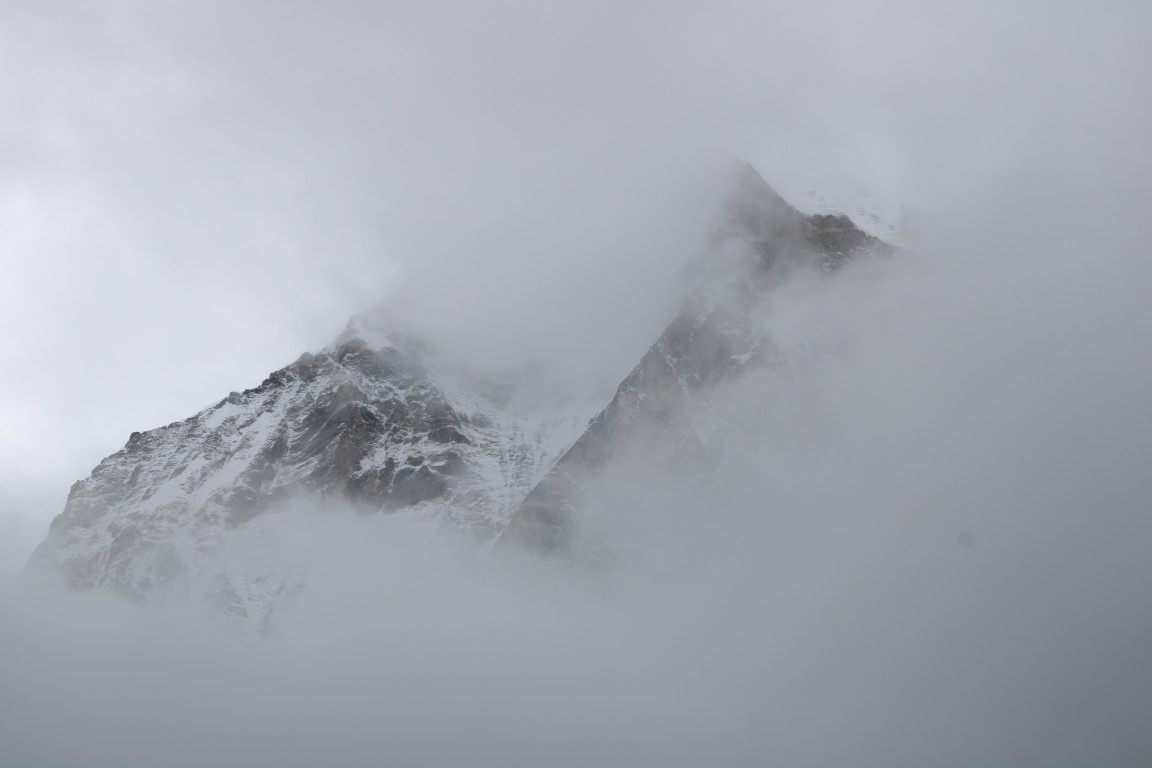
I question a local boy under a pine.
 He says, "Teacher is gathering herbs
          right here on the mountain...
 But who can say where?
 The mountain is thick with clouds."
I knew a simple soldier boy
 Who grinned at life in empty joy,
 Slept soundly through the lonesome dark,
 And whistled early with the lark.

In winter trenches, cowed and glum,
 With crumps and lice and lack of rum,
 He put a bullet through his brain.
 No one spoke of him again.

You smug-faced crowds with kindling eye
 Who cheer when soldier lads march by,
 Sneak home and pray you'll never know
 The hell where youth and laughter go.
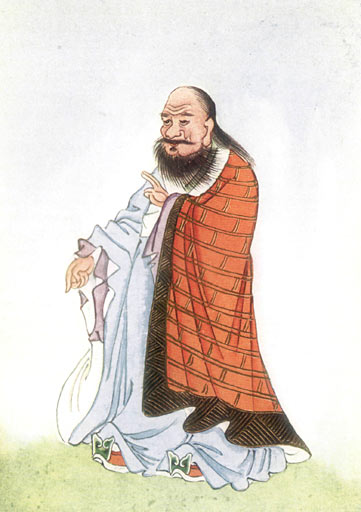
"The ignorant speak, while the wise keep silent."
 I read the words of Laozi.
 But if Laozi knew the Way,
 Why did he write those five thousand characters?











 Tiger Riding for Beginners