BOOK: “Understanding Eastern Philosophy” by Ray Billington

Understanding Eastern PhilosophyUnderstanding Eastern Philosophy by Ray Billington
My rating: 4 of 5 stars

Publisher Site — Taylor & Francis

This book does a solid job for one that bites off so much in a single go. Eastern Philosophy is a large subject, and to try to outline the major premises of its varied systems and also compare them to Western / Abrahamic notions (when Western schools are sometimes no more different from Eastern schools than each side is within,) and to do so in under two-hundred pages is a daunting undertaking.

For the most part, I felt the book did a fine job of meeting its objective. A fair amount of selection and simplification is required. I will say the part describing karmic doctrine didn’t seem consistent with what I was taught and seems more in line with the early Western scholars who started writing about Eastern Philosophy but could not help but couch the subject in a Western / Abrahamic frame because it was what they knew and was invisible to them. I say this as one who is no big fan of Karmic philosophy, though for another reason (one which is also mentioned in this book.) I’ve always been told that the central idea is to do selfless acts in order to escape the karmic cycle. Billington, like others before him, states it as do “good deeds” and then he puts forth the critique that this won’t help because doing good for one’s own benefit is fraught with peril. My understanding from Sanskrit scholars is: first, Hindu philosophers were aware of this paradox from the beginning and that’s why the emphasis has always been on “selfless” acts; second, the Abrahamic bifurcation of all actions into good and evil is not so much a thing in Hindu thinking (most actions are inherently neither.) I should point out that there is a lot of internal conflict within these philosophies (e.g. differences between Buddhist and Hindu thoughts on Karma) and that Billington does elsewhere reflect on the differences between Eastern and Western thinking about good and evil.

The first two-thirds of the book is organized by schools of thought (beginning with the Indian ones and working toward Chinese / East Asian schools) and the last third deals with a series of fundamental philosophical questions.

If you want a quick outline of Eastern philosophical ideas, this book gives a good look at them, particularly if one is interested in a comparison to Western ideas. The book also spends a fair amount of time in discussion of what a religion is and how one differs from a philosophy.

View all my reviews

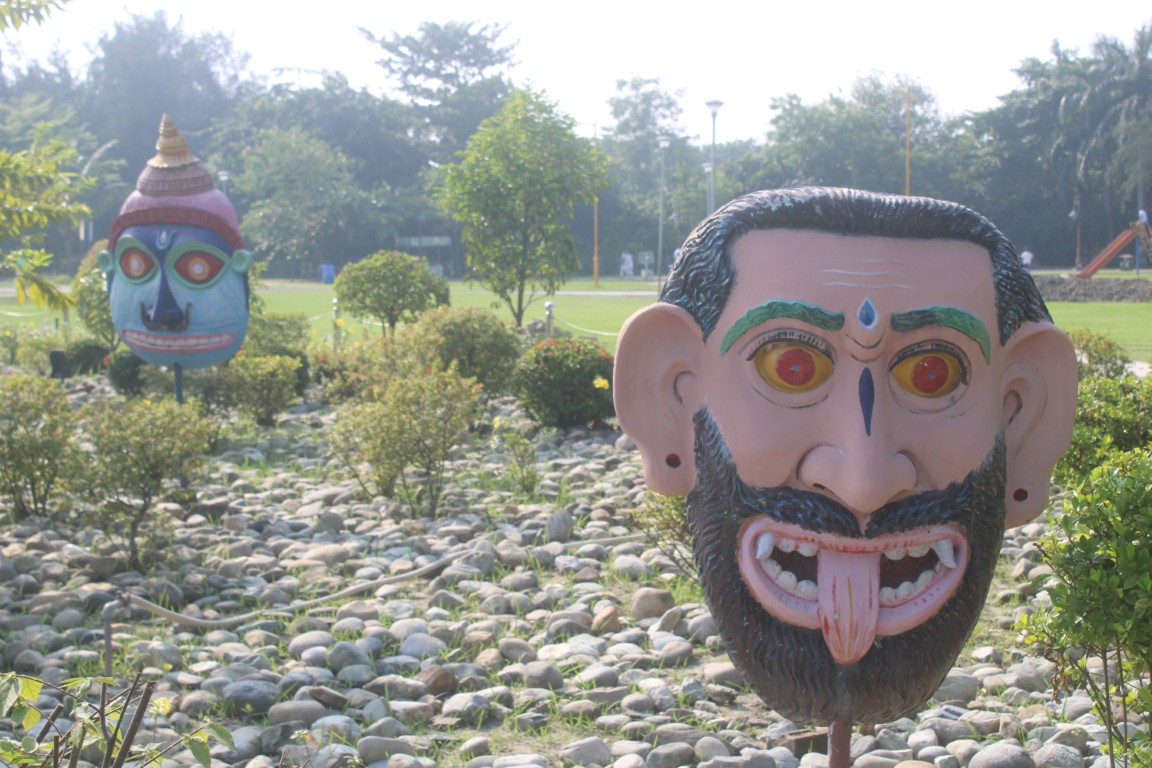
DAILY PHOTO: Mask Garden of Eco Park, Kolkata

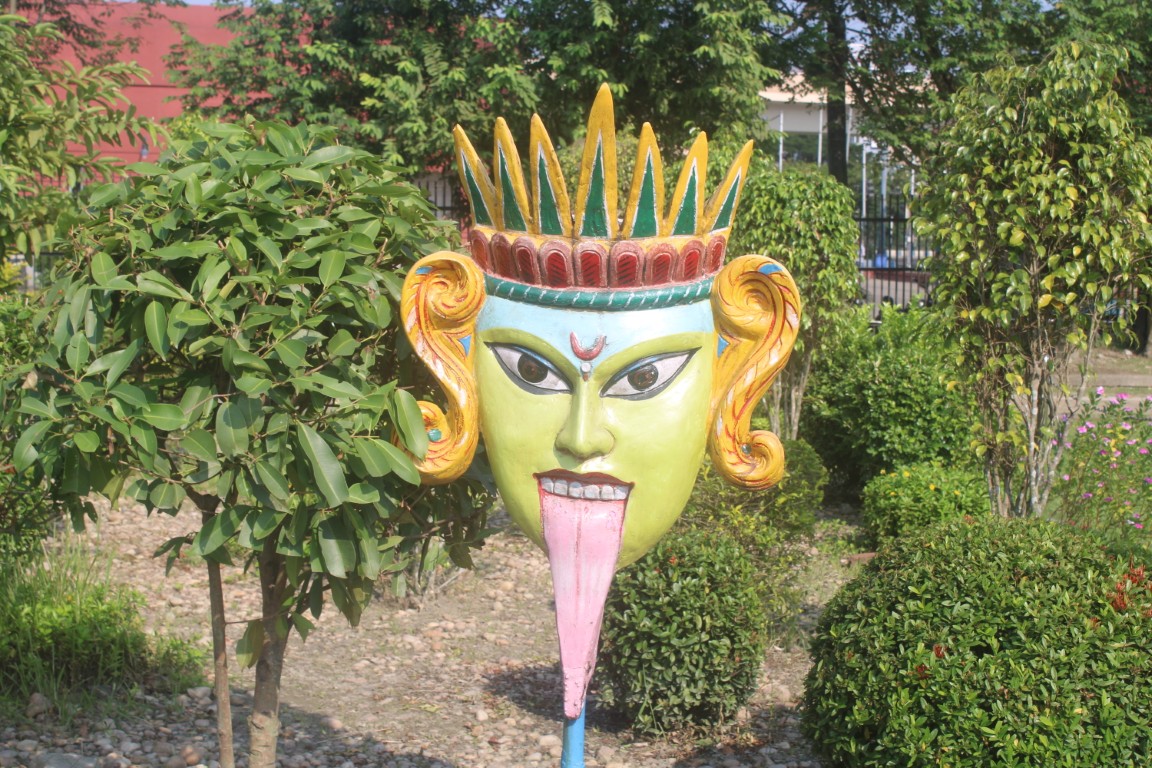
Mask of Kali (or a stylized version thereof) in the Mask Garden of Kolkata's Eco Park.
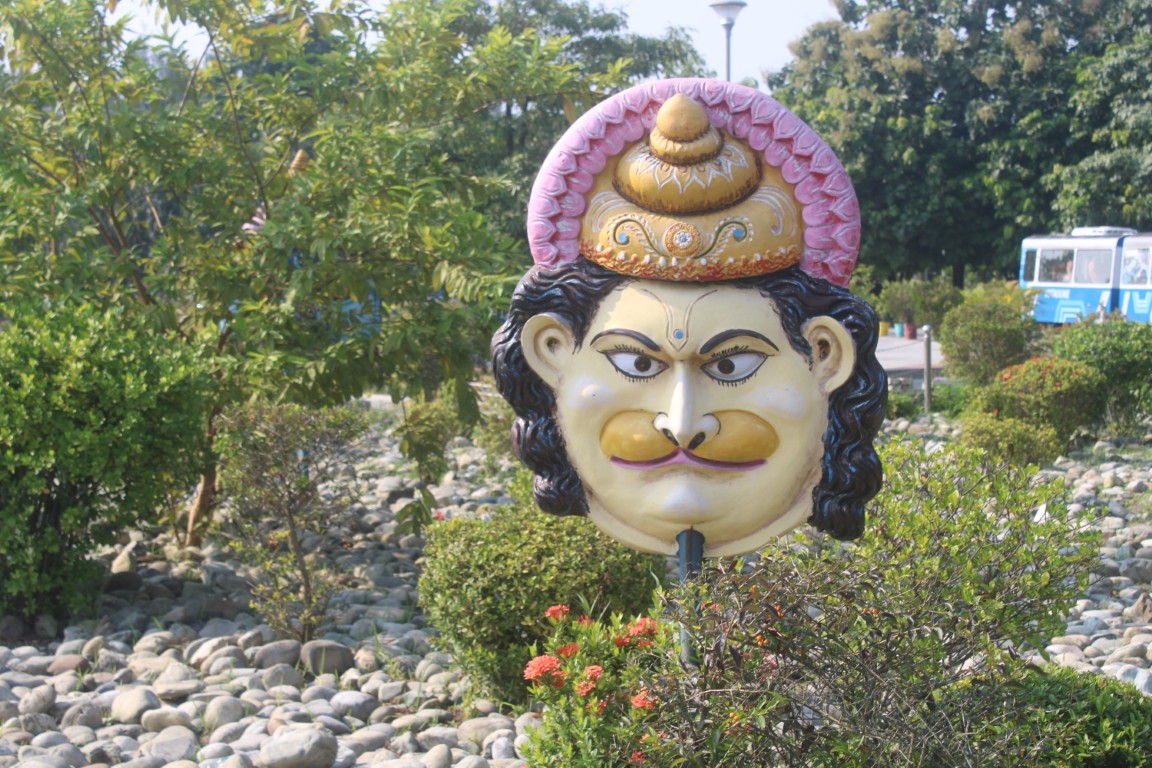
Hanuman Mask in the Mask Garden of Eco Park in Kolkata, India.
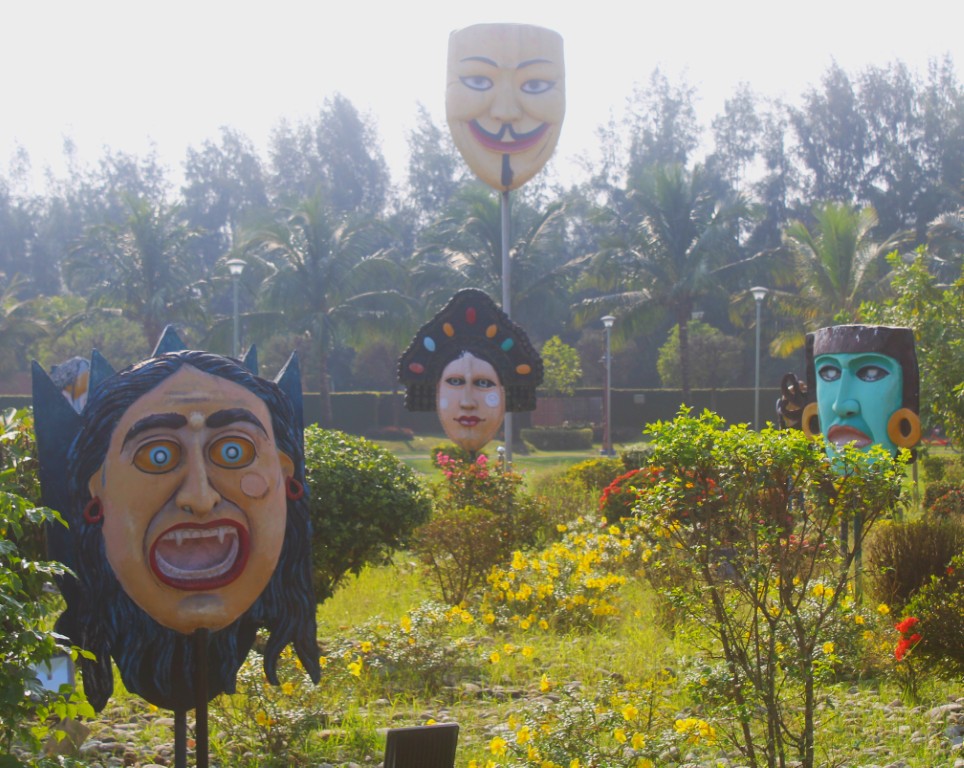
An assortment of masks, including Guy Fawkes and Dracula, in the Mask Garden of Kolkata's Eco Park.
Mahākāla mask in the Mask Garden of the Eco Park in Kolkata.

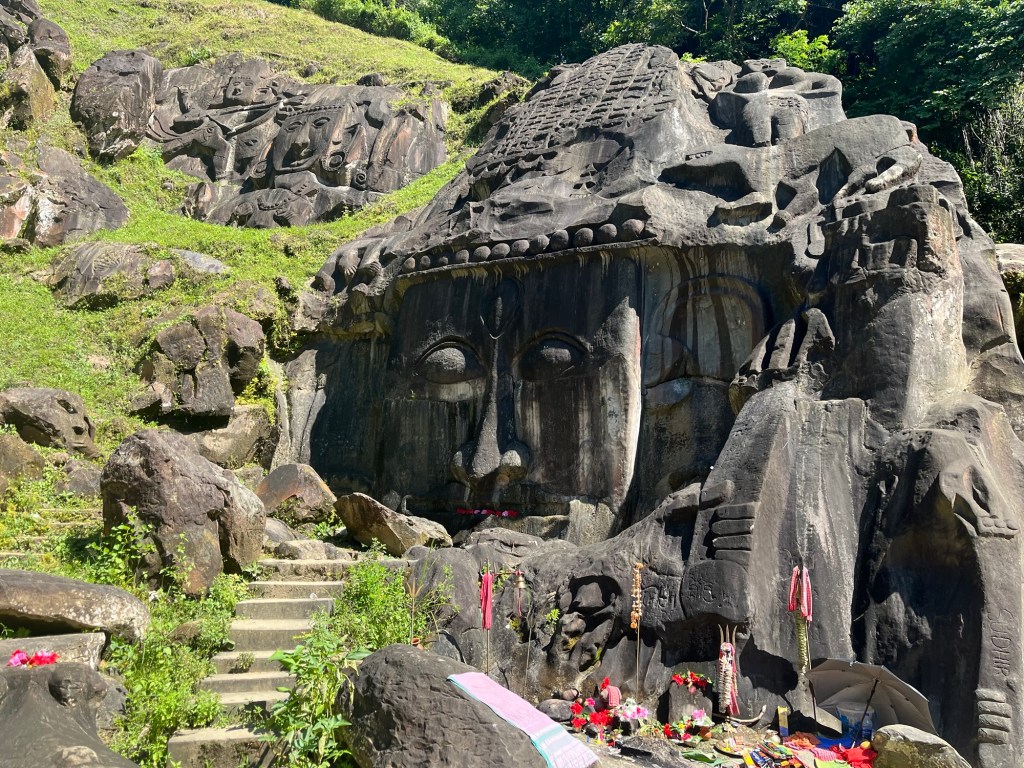
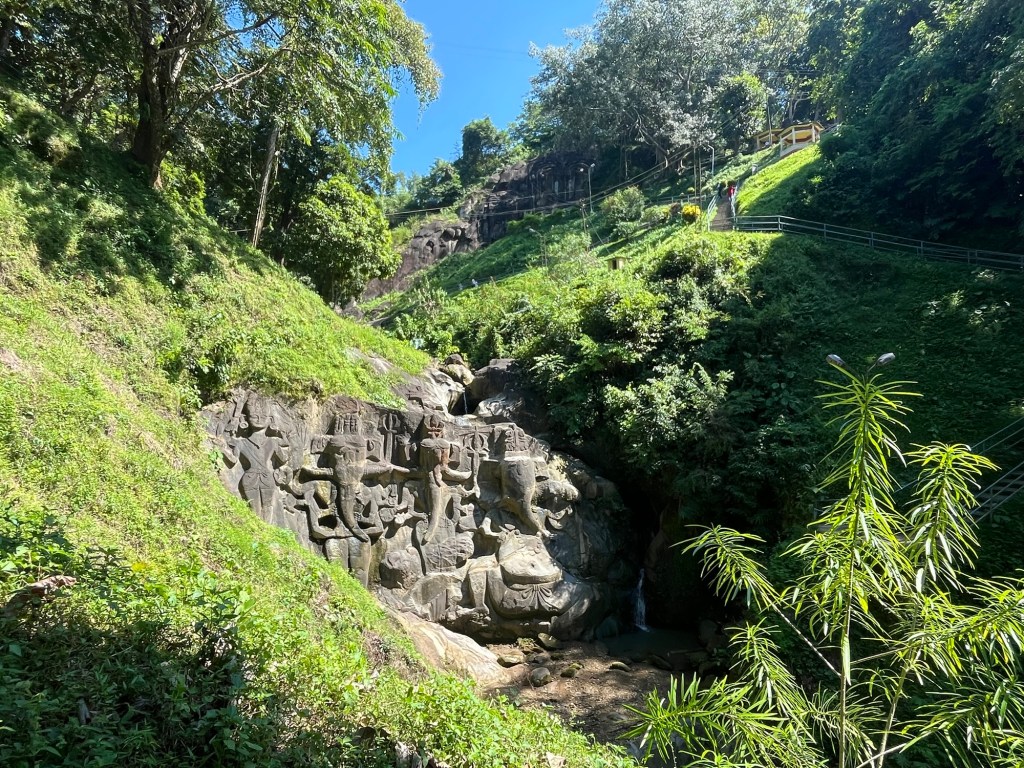
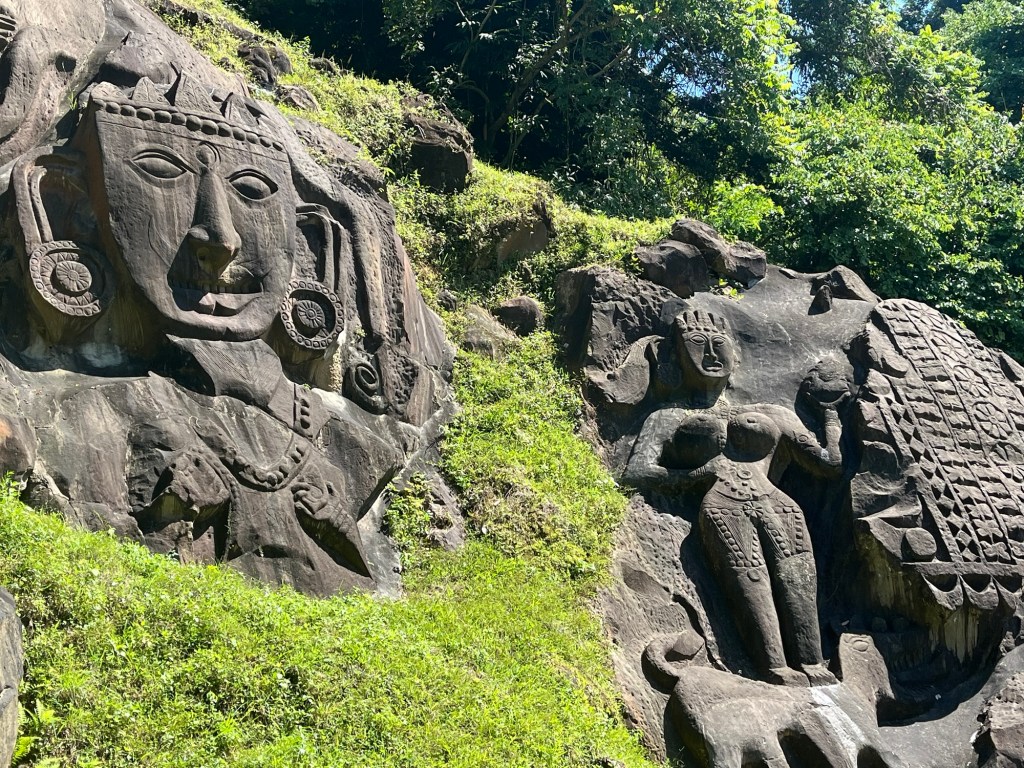
DAILY PHOTO: Unakoti Rock Carvings

DAILY PHOTO: Chausath Yogini Temple of Morena

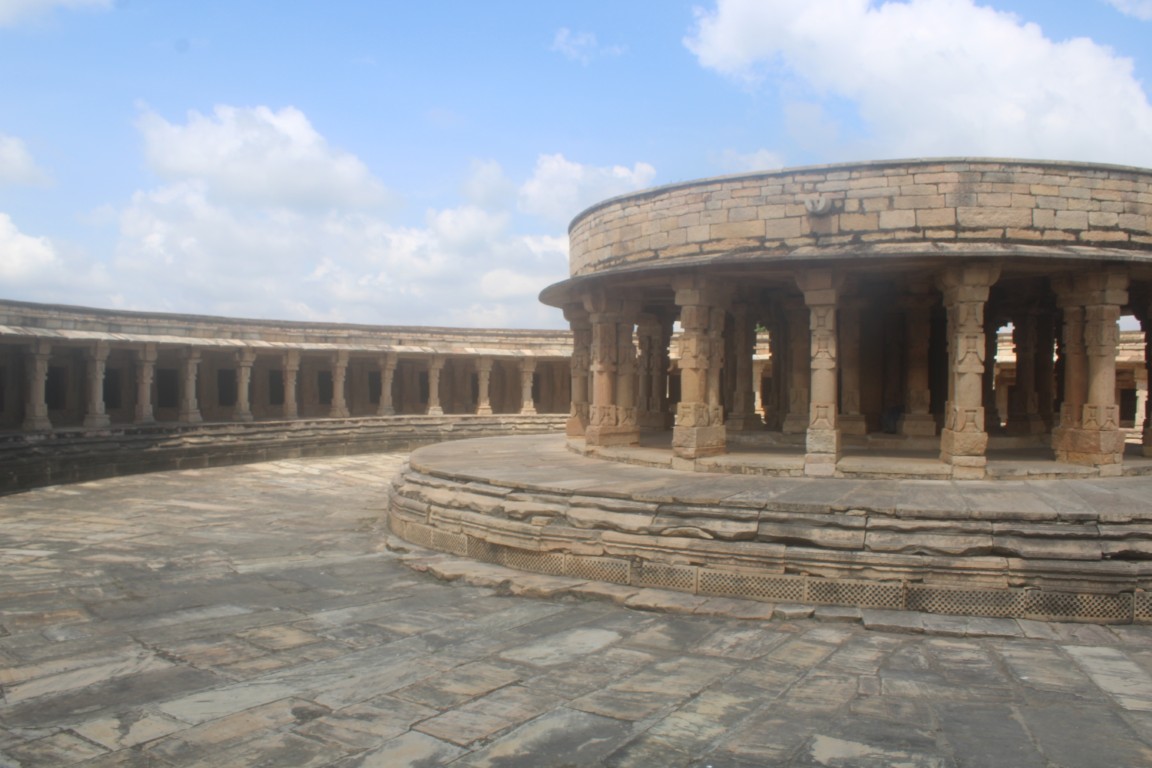
Yogini Temple: Ekattarso Mahadev Mandir (a.k.a. Chausath Yogini Temple); Morena; north of Gwalior in Madhya Pradesh, India. Oblique shot of the inner sanctum.
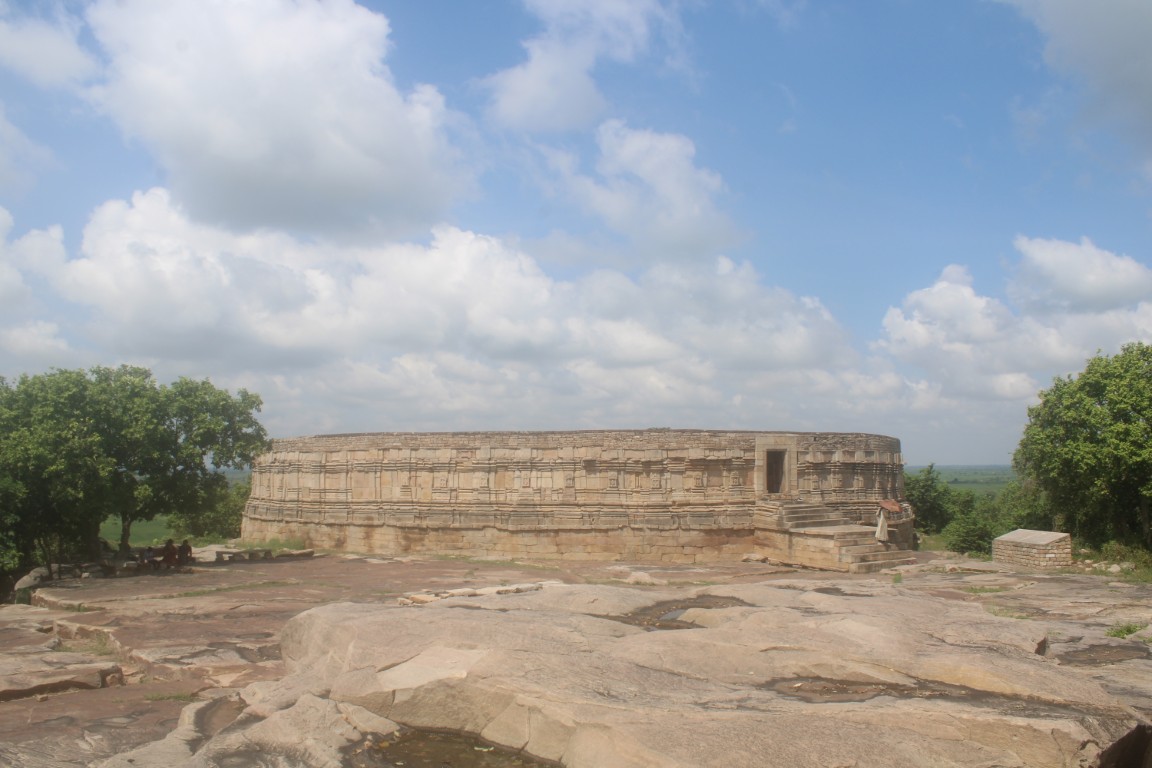
Ekattarso Mahadev Mandir (a.k.a. Chausath Yogini Temple); Morena; north of Gwalior in Madhya Pradesh, India. From across the hilltop.
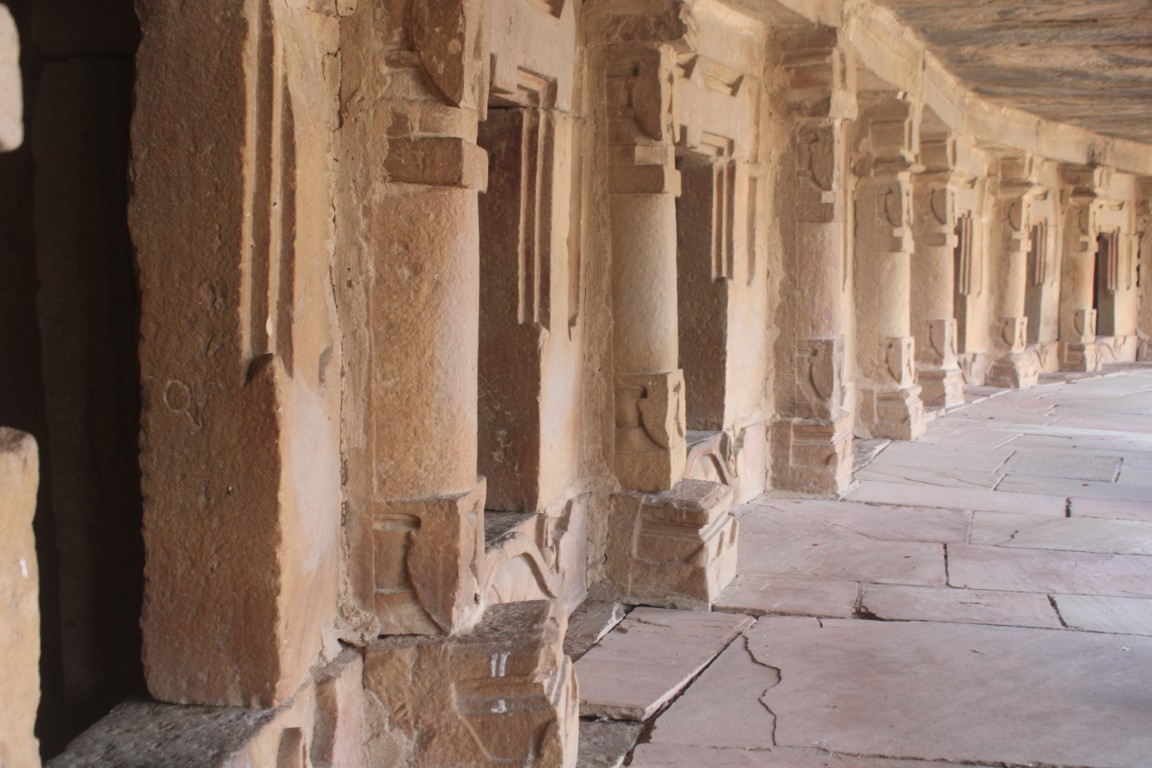
Ekattarso Mahadev Mandir (a.k.a. Chausath Yogini Temple); Morena; north of Gwalior in Madhya Pradesh, India. Ring of meditation cells inside the temple.
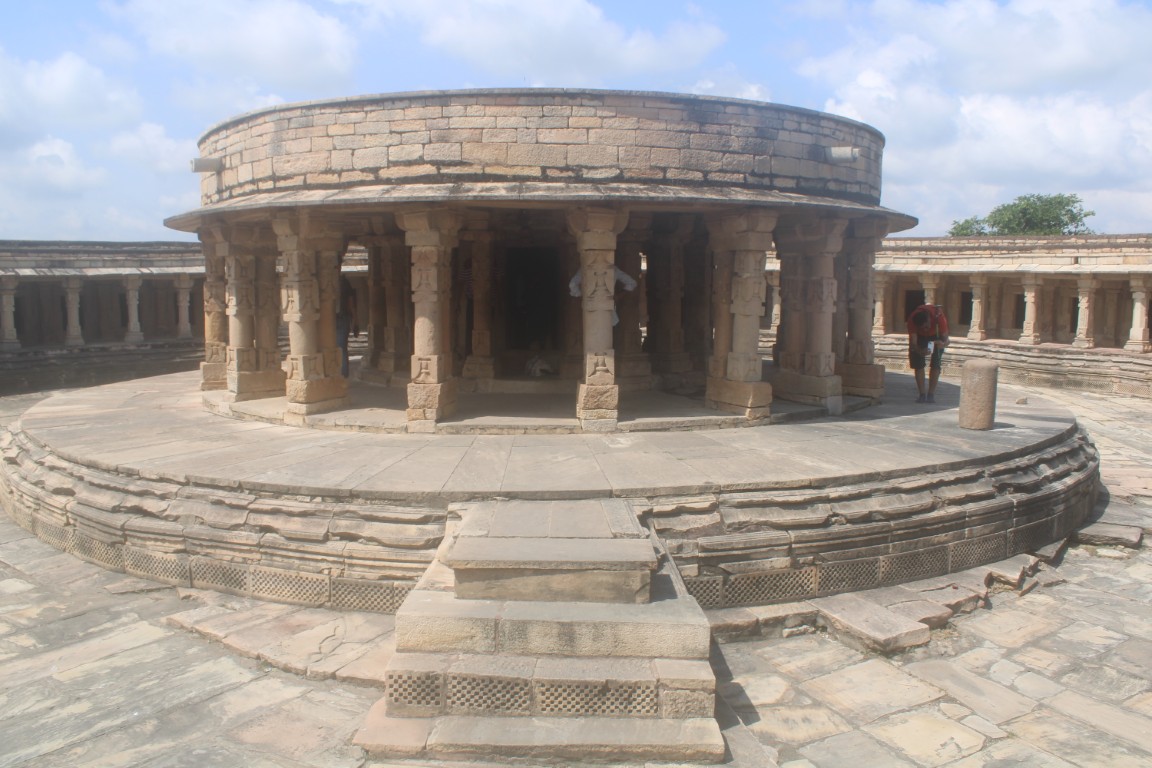
Ekattarso Mahadev Mandir (a.k.a. Chausath Yogini Temple); Morena; north of Gwalior in Madhya Pradesh, India. Inner sanctum from the entry.

DAILY PHOTO: Bateshwar Temple Group, Morena

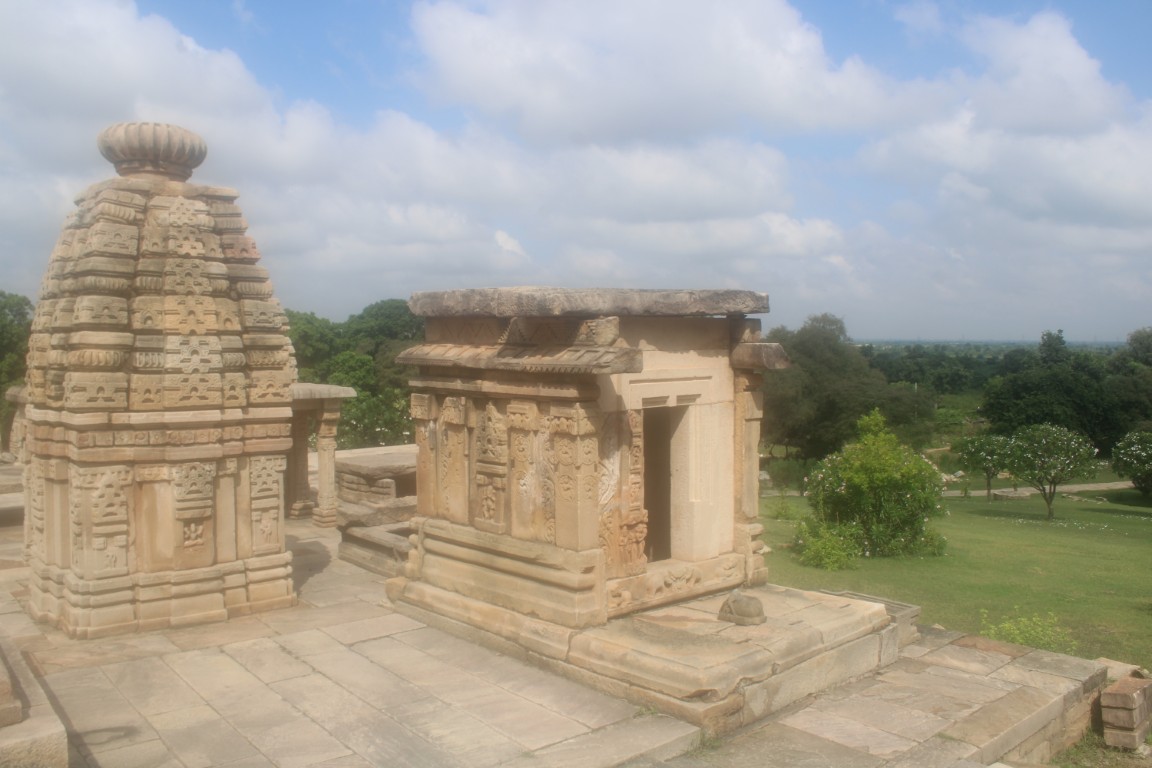
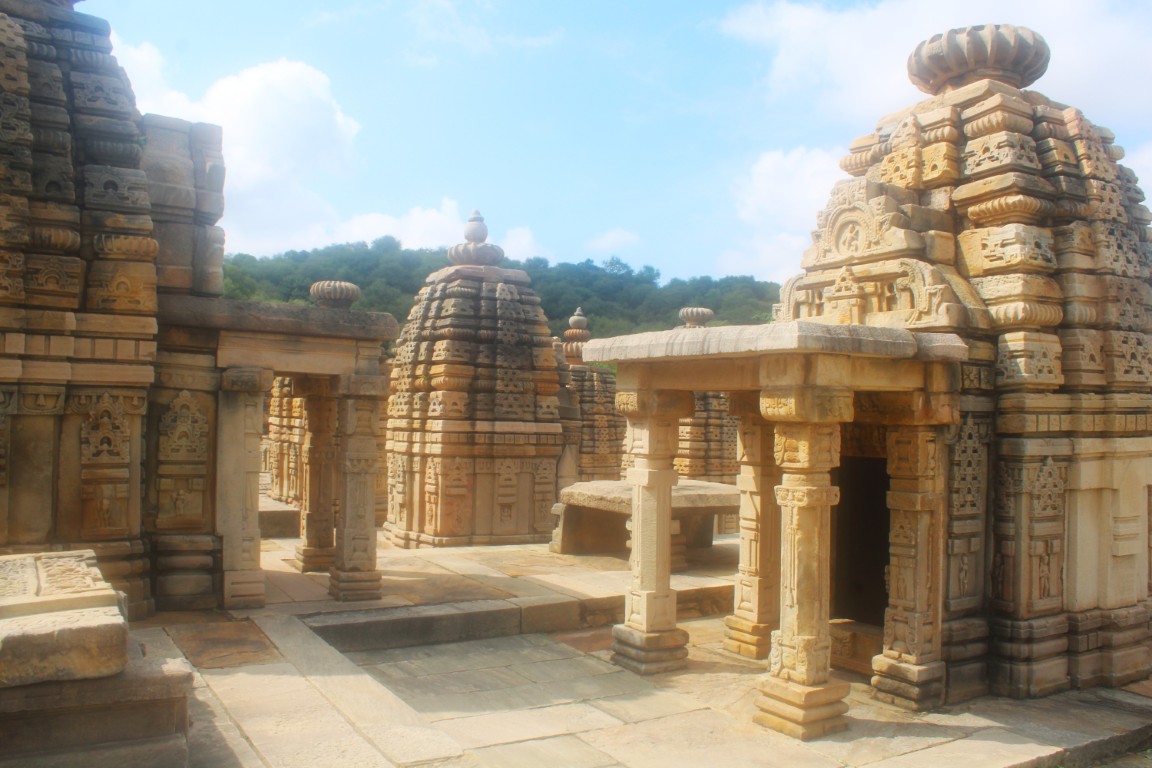
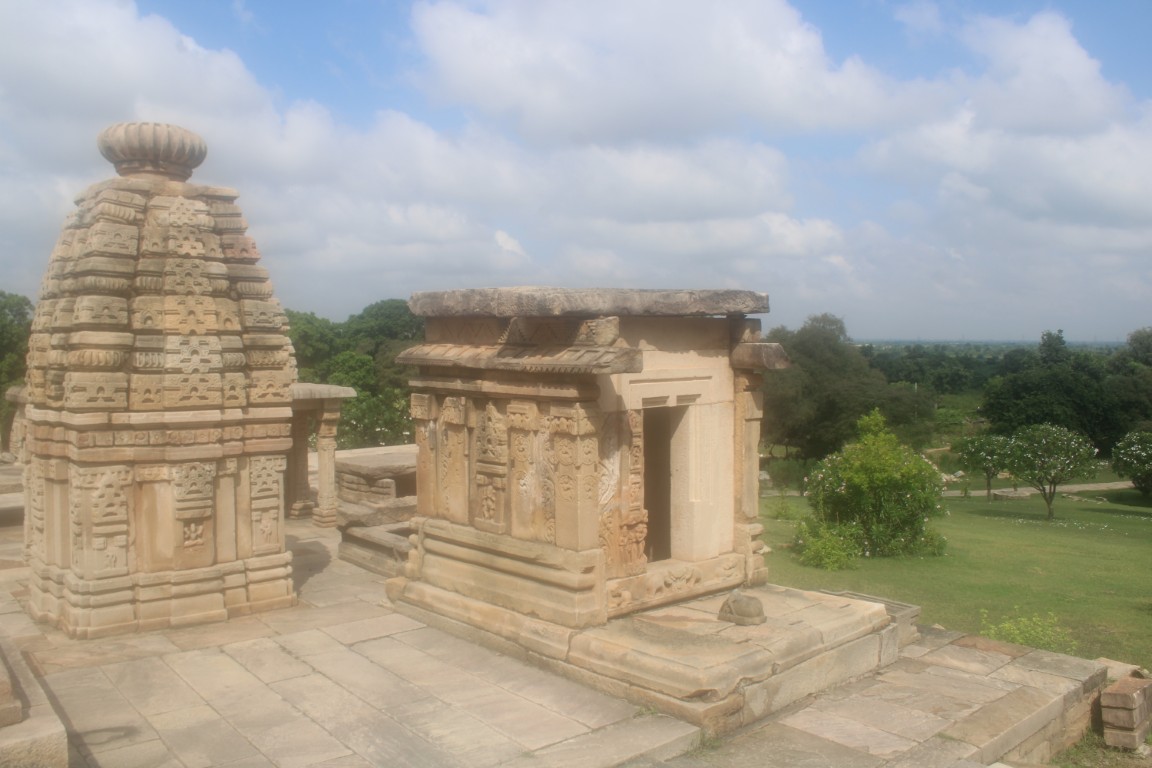
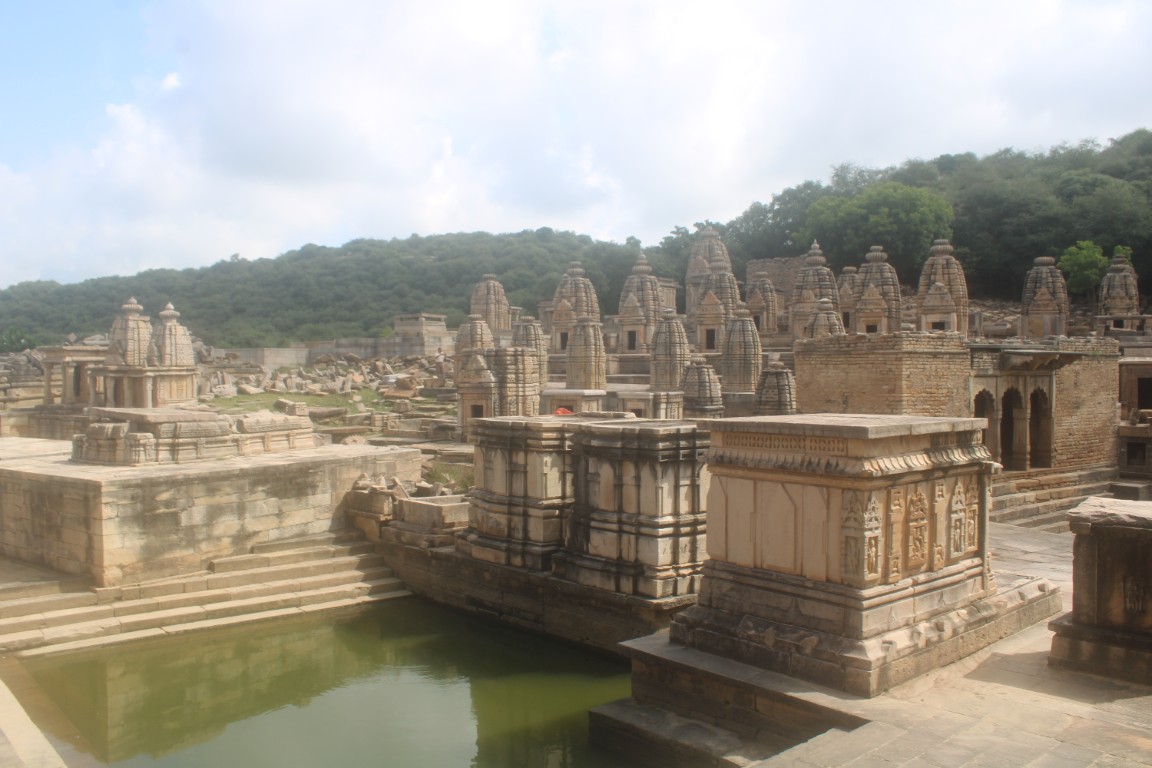
Bateshwar Temple Group, Morena, Madhya Pradesh, India (North of Gwalior) Reconstructed Hindu Temples
Bateshwar Temple Group, Morena, Madhya Pradesh, India, (North of Gwalior); Reconstructed Hindu Temples.
Bateshwar Temple Group, Morena, Madhya Pradesh, India (north of Gwalior)

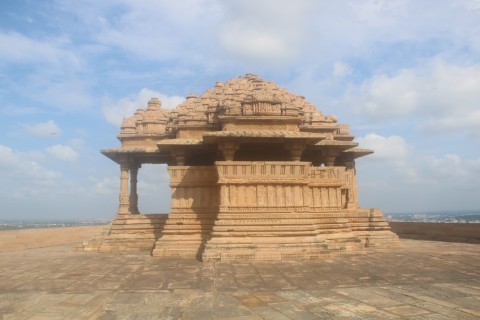
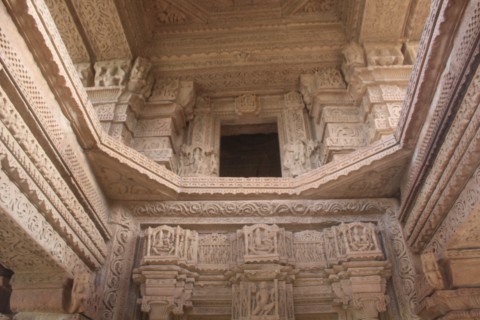
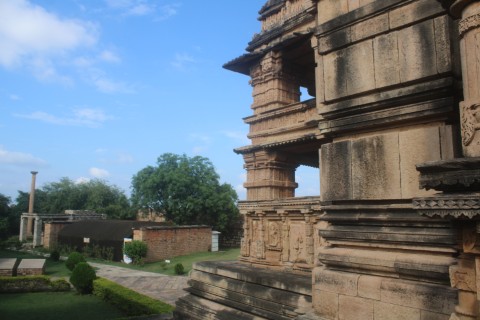
DAILY PHOTO: Sas-Bahu Twin Temples, Gwalior

“King Trisanku” by Henry Wadsworth Longfellow [w/ Audio]

Viswamitra the Magician,
By his spells and incantations,
Up to Indra's realms elysian
Raised Trisanku, king of nations.

Indra and the gods offended
Hurled him downward, and descending
In the air he hung suspended,
With these equal powers contending.

Thus by aspirations lifted,
By misgivings downward driven,
Human hearts are tossed and drifted
Midway between earth and heaven.

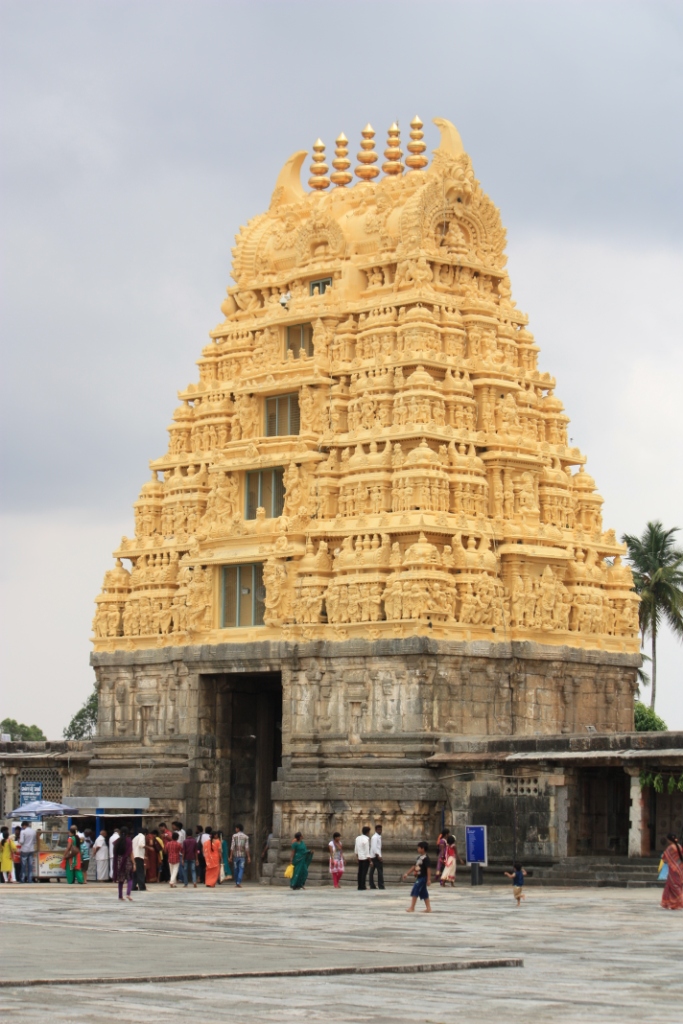
DAILY PHOTO: Belur Gopura [Chennakeshava Temple]

BOOKS: “Jñāna-Yoga: The Way of Knowledge” by Ramakrishna Puligandla

Jnana-Yoga--The Way of KnowledgeJnana-Yoga–The Way of Knowledge by Ramakrishna Puligandla
My rating: 5 of 5 stars

Google Books Page

This is one of the most useful books I’ve read on the topic of Jñāna-yoga — the approach to yogic philosophy employed by the studious / inquisitive (in contrast to Bhakti-Yoga [the yoga of those for whom faith and devotion works] and Karma-Yoga [the yoga for those for whom a course of self-less action appeals.]) There are Jñāna-yogic Hindu sects and Buddhism — in general — can be thought of as a school of Jñāna-yoga. The author draws from the teachings of both, principally Sankara for Hindu thinking and Nagarjuna for the Buddhist approach.

A word of warning, the author is a scholarly philosopher, and so — while not as unreadable as many works of academic philosophy — it will be a slog for those who are not used to reading scholarly writing.

That said, Puligandla does a fine job of laying out what he views as the central tenets of Jñāna-yoga in a concise fashion and reviewing them at the end. This is not to say I would agree with all that he proposes, herein. In particular, his Chapter 3 conclusions about consciousness are insufficiently justified to be considered core principles of Jñāna-yoga (in my view.) Of course, the beauty of Jñāna-yoga is that it not only doesn’t insist upon coming to the same conclusions, it generates explanations as to how it’s perfectly possible / reasonable to come to different conclusions (see “The Principle of Superimposition,” herein.) Furthermore, since the author is reporting the ideas of Sankara and Nagarjuna, I can’t really hold these ideas against him.

If you’re interested in Jñāna-yoga, and can handle scholarly prose, I’d highly recommend this book.

View all my reviews

DAILY PHOTO: Hindu Parade Floats