Which relationship has taught you the most about yourself?
View all responses
My relationship to sensation.

Which relationship has taught you the most about yourself?
View all responses
My relationship to sensation.
What are some life hacks that you practice?
View all responses
As far as I’ve seen of so-called “life hacks” they seem to mostly be inelegant solutions for problems that either: a.) already have more reliable and tested solutions, or b.) are needlessly complicated / exaggerated to suggest they need a solution when they really don’t. The whole “life hack” industry seems to be people sitting around trying to figure out how to go viral by creating the illusion of cleverness. It is not Wú Wéi.
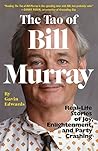 The Tao of Bill Murray: Real-Life Stories of Joy, Enlightenment, and Party Crashing by Gavin Edwards
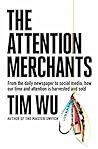 The Attention Merchants: The Epic Scramble to Get Inside Our Heads by Tim Wu
I think cell phones will be replaced by cheap cyborg implants that fulfill the same myriad functions and more. Just as we were convinced that we were being given a great benefit with social media, when — in fact — we were just handing over our attention and data on the cheap. This time we’ll be signing away a great deal more — we’ll be meat puppets for the billionaires, carrying out consumption function programming as ignorantly blissful as Cypher from The Matrix. Welcome to the Cyber-Sheep economy. BAHaaaaah.
Proviso: People (me included) are shite at forecasting. We call broken clocks “genius” based on those two times a day they are right, but forecasting genius is just selection bias plus Mrs. Cleo pseudo-psychic tactics (be vague, sound specific.) Also, remember we are always one nuclear winter away from flint knapping being the prevailing mode of technology.
I have meme-blindness. It’s like ad-blindness (which I also have) and is probably caused by the same state of mind. If you want my attention, pony up some dough or produce something worthwhile — vaguely clever regurgitation of pop culture references and cliched slang ain’t gonna cut it.


