Unknown's avatar

About B Gourley

Bernie Gourley is a writer living in Bangalore, India. His poetry collection, Poems of the Introverted Yogi is now available on Amazon. He teaches yoga, with a specialization in pranayama, and holds a RYT500 certification. For most of his adult life, he practiced martial arts, including: Kobudo, Muay Thai, Kalaripayattu, and Taiji. He is a world traveler, having visited more than 40 countries around the globe.

BOOK REVIEW: An Introduction to Indian Philosophy Chatterjee & Datta

An Introduction to Indian PhilosophyAn Introduction to Indian Philosophy by Satischandra Chatterjee
My rating: 4 of 5 stars

Amazon page


India has spawned a number of philosophical systems over the centuries. Chatterjee and Datta provide an overview of Indian philosophy by comparing and contrasting nine major schools of Indian philosophy—the six orthodox schools plus three well-known heterodox schools. The dividing line between orthodox and unorthodox hinges upon whether a philosophy accepts the Vedas as sources of authority.

After an introductory chapter that lays out the concepts that will be needed throughout the remainder of the book as well as providing brief sketches of nine philosophical schools, the remainder of the book is a one chapter per school examination of metaphysics, ethics, theology, epistemology, etc. The authors first consider the heterodox schools: i.e. Carvaka (a materialist /atheist approach), Jain (one of the major Indian religions), and Buddhist. After examining the heterodox approaches, Chatterjee and Datta take on the orthodox schools in the following order: Nyaya, Vaisesika, Sankhya, Yoga (which you may not have realized was a philosophical system), Mimamsa, and Vedanta.

There are a number of questions that recur as the authors compare these schools to each other. A major point of consideration is presence or absence of belief in a god, and—for those systems that believe in a God or gods—what is the role of said deity. It might seem that all the orthodox systems would be theistic, but this isn’t the case (e.g. Sankhya.) Another key question is how one can know something, i.e. what is acceptable authority—can one only trust one’s own senses or can one trust everything but one’s own senses? Then there is the matter of ethics and how each system regards ethical behavior. Of course, there are some elements that are unique to a given system, and so it’s not entirely a matter of comparison and contrast.

There are no graphics in the book and the ancillary material is limited to footnotes, a select bibliography, and prefaces to the various editions of the book. Note: I read the 2007 / 7th Edition of the book.

I won’t say this book isn’t dry. It’s a philosophy textbook, after all. However, it does provide a solid overview of the topic and seems to take great efforts to be unbiased (to the extent of sometimes not challenging philosophical ideas that are patently unsound in favor of reporting what advocates of the tradition propose.)

I’d recommend this book for anyone who’s looking for an overview of Indian philosophy.

View all my reviews

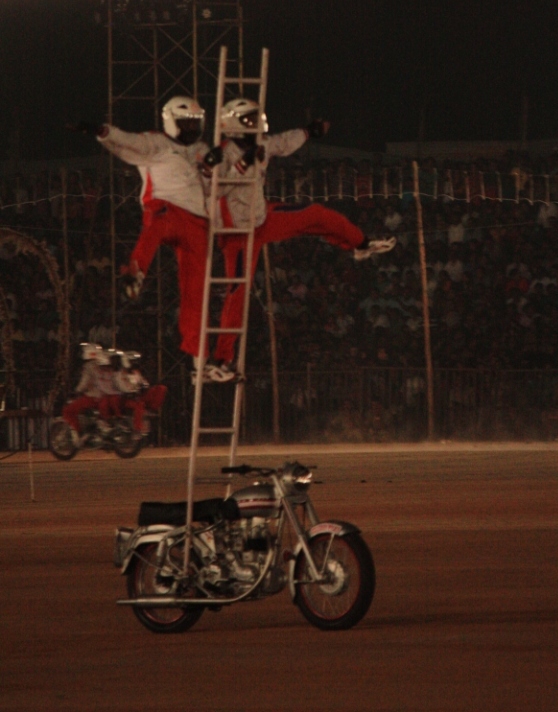
DAILY PHOTO: Indian Military Police Stunt Riding Team


Taken in October of 2014 in Mysore

POEM: Under the Rug

a vessel cracked

an act of ransack

a pile of shards

one can’t discard

but swept aside

never to be eyed

under the rug

like Kafka’s bug

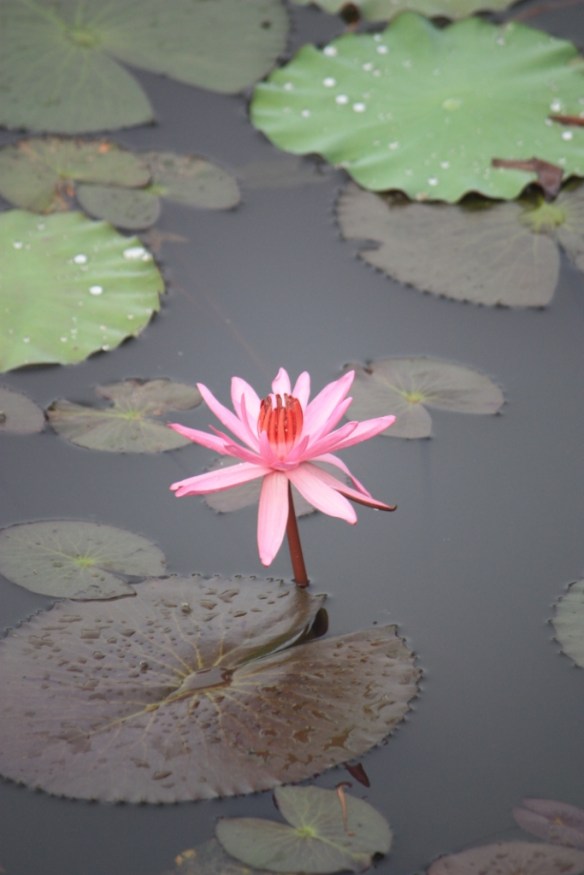
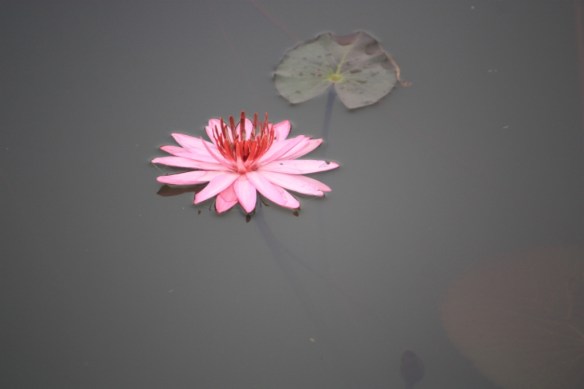
DAILY PHOTO: Pink Lotus


Taken in May of 2017 in Assam

DAILY PHOTO: Heroes’ Square in Monochrome

Taken in December of 2016 in Budapest

DAILY PHOTO: Khonoma Homestead

Taken in May of 2017 in Khonoma

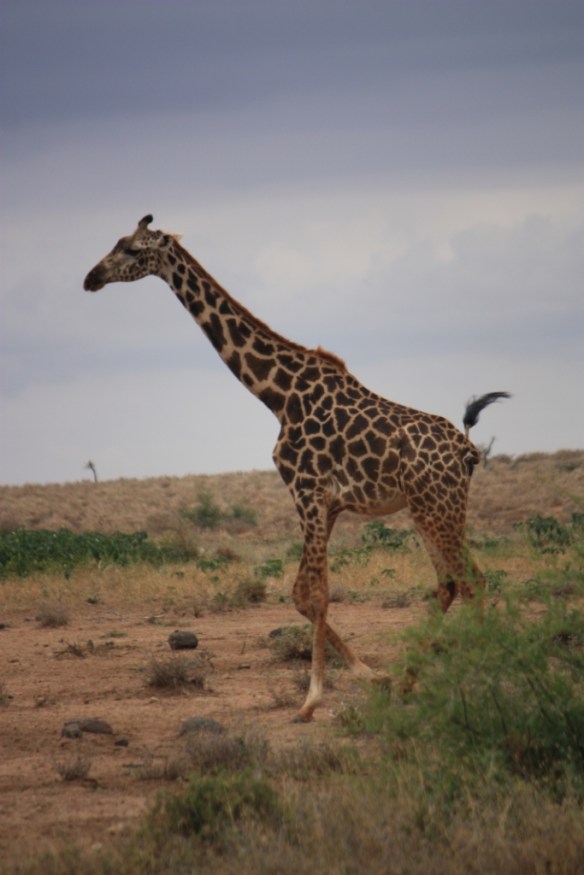
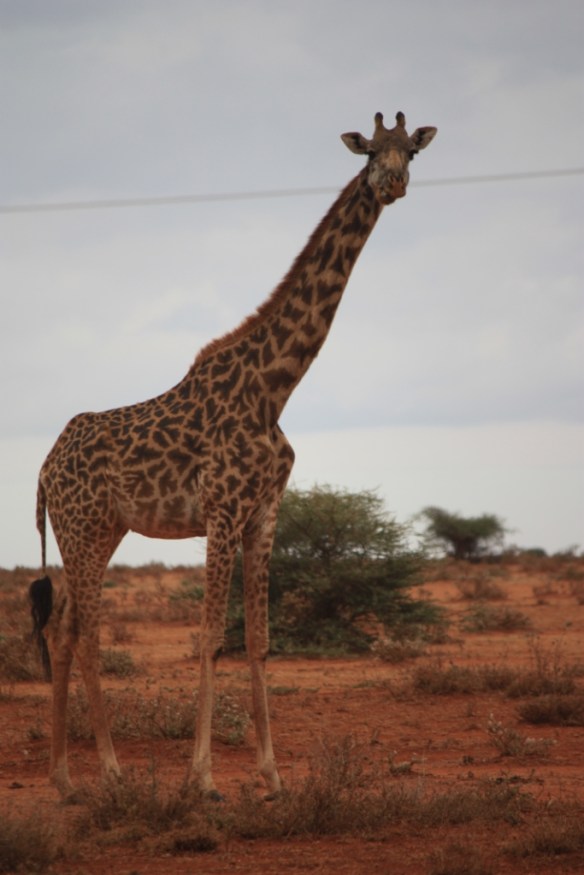
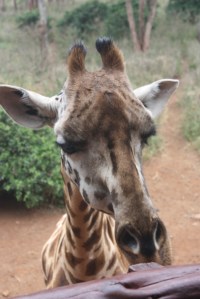
DAILY PHOTO: Masai Giraffe

Taken in June of 2017 near Amboseli National Park


5 Exercises to Wed Your Yoga and Calisthenic Practices

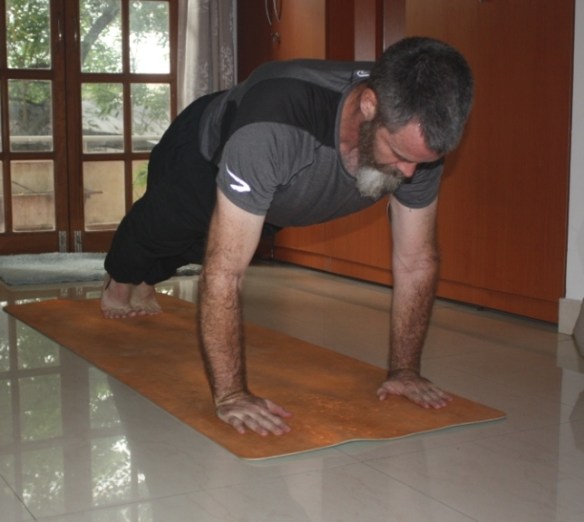
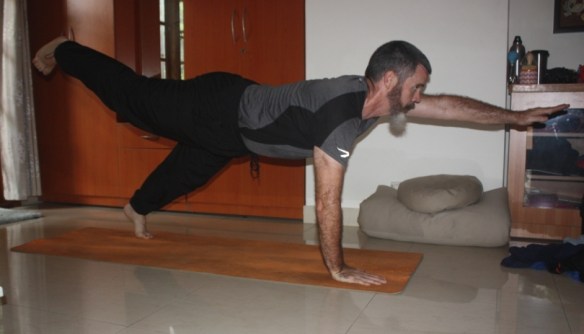
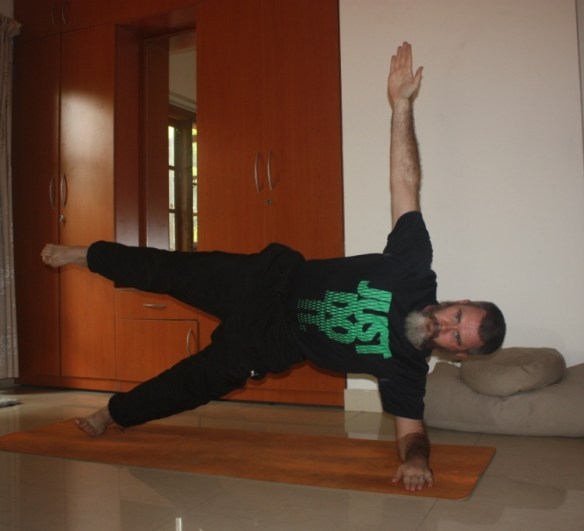
5.) Anything plank (a.k.a. adho mukha dandasana / santolanasana): Who knows how long planks have been a feature of yoga? Plank postures are a fixture in Hatha Yoga, playing a role in most versions of Surya Namaskara (sun salutations), and being used to both to build core strength and to prepare for arm balances.

Planks have also gained immense popularity with calisthenic practitioners. In my gym class days, sit-ups and crunches were the go to ab exercises. No more. Now many bodyweight fitness practitioners are ditching sit-ups and crunches altogether for a number of exercises deemed more effective–include many variations on the plank.

High plank (adho mukha dandasana)


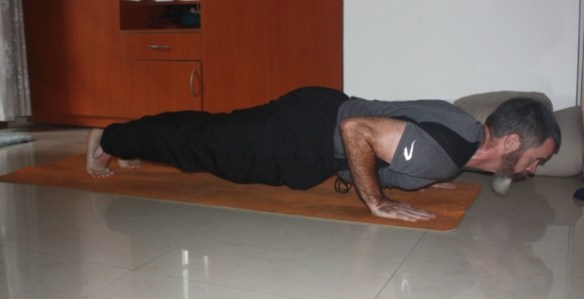
Low plank (chaturanga dandasana)


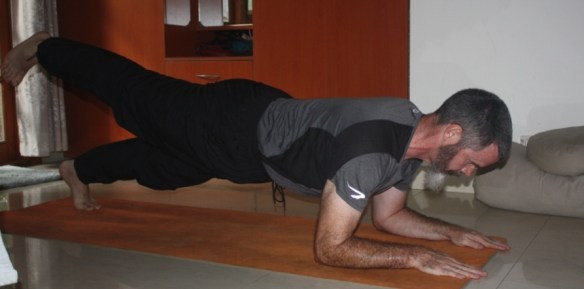
Forearm plank variation with leg up


High plank variation with alternating limbs extended


Side plank (vasisthasana)


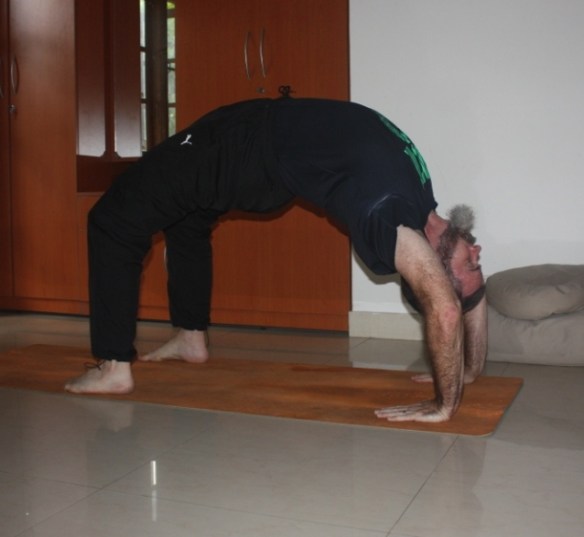
4.) Back bridge (a.k.a. Chakrasana): This is another yoga classic that’s being brought into calisthenics training in a big way. You may note a recurring theme in my selections for this post, exercises and postures (asana) that help to build shoulder joints that are strong, stable, and yet sufficiently flexible. This is a big challenge for bodyweight workout practitioners. One can get stability by bulking the muscles up, but if you don’t have the range of motion to achieve proper alignment, it’s not going to do one a lot of good.

The back bridge (chakrasana, or “wheel pose”)


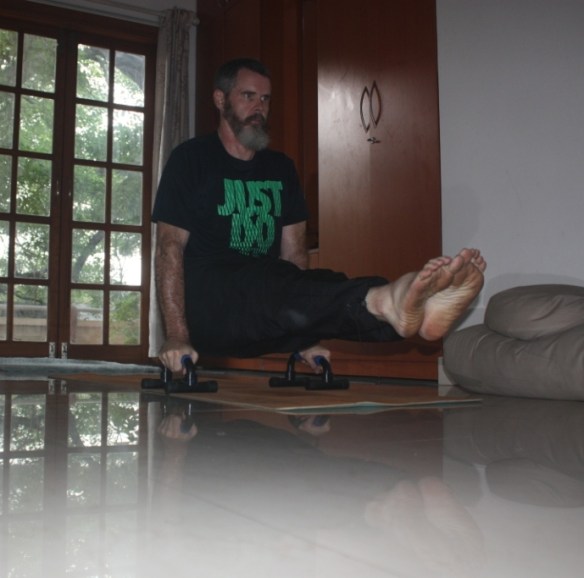
3.) L-sit (a.k.a. Bramcharyasana): Of course, the other recurring theme (besides building shoulder stability) is core strength. This exercise is both a yoga classic and is probably as old as gymnastics itself. Its Sanskrit name, Brahcharyasana, means celibate’s pose–but as far as I’m concerned that’s purely optional.

L-sit (Bramcharyasana)


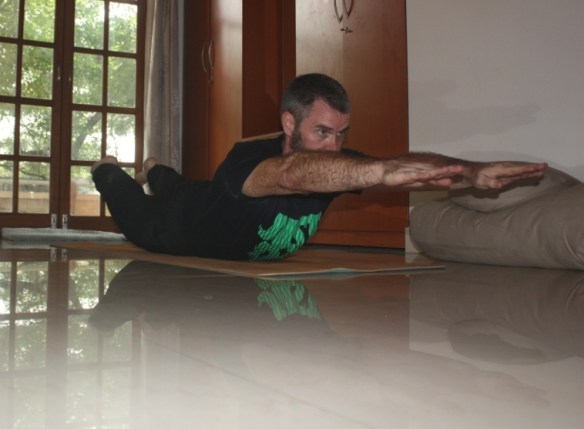
2.) “Supermans” (a.k.a. shalabasana [locust pose]): Another core exercise, but one that strengthens the back muscles.

“Supermans” (shalabasana)


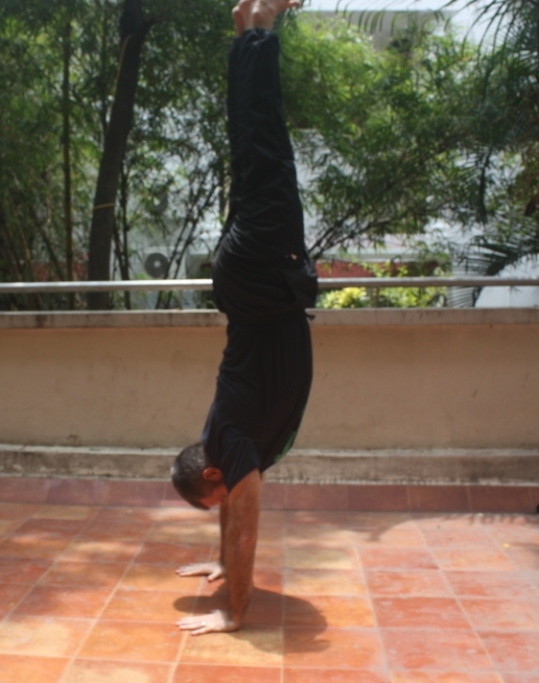
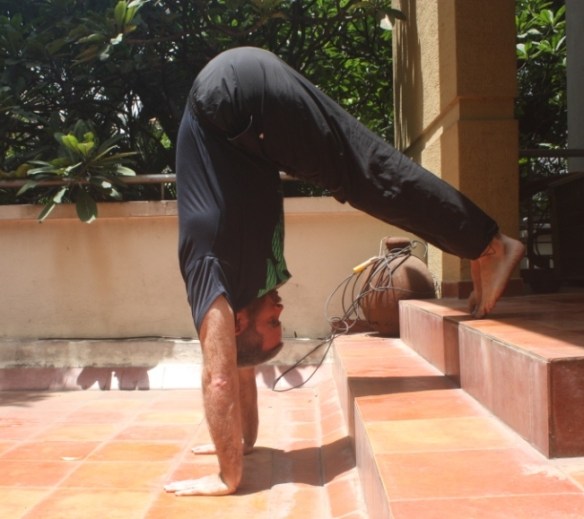
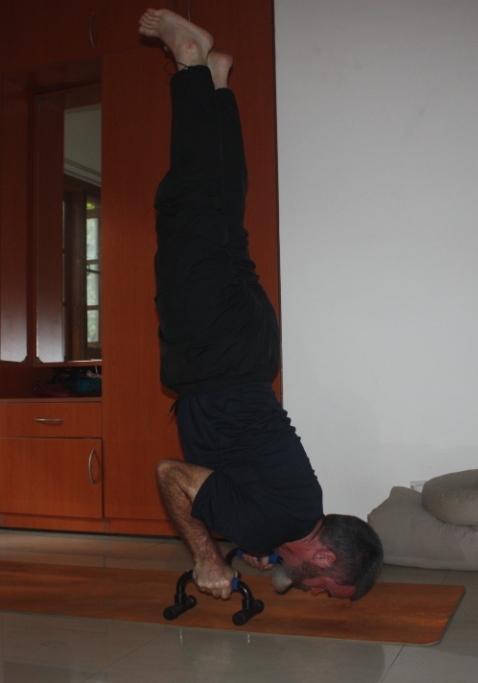
1.) Handstands and Handstand Preppers (a.k.a. adho mukha vrksasana): This practice isn’t just about looking impressive. As mentioned above, it’s hard to build shoulder joints that allow enough stability and range of motion to have the command of one’s body that one would like. Our shoulders are optimized to maximum mobility. That helped our ancestors to be awesome throwers of spears and rocks, but it makes it tough to support our weight in an inverted position. The handstand is a good way to build stability in the shoulders.

Handstand (adho mukha vrksasana)


If it’s too hard, use your legs to stabilize you (but still try to get that straight up-and-down arm position)


If it’s too easy, start doing push-ups

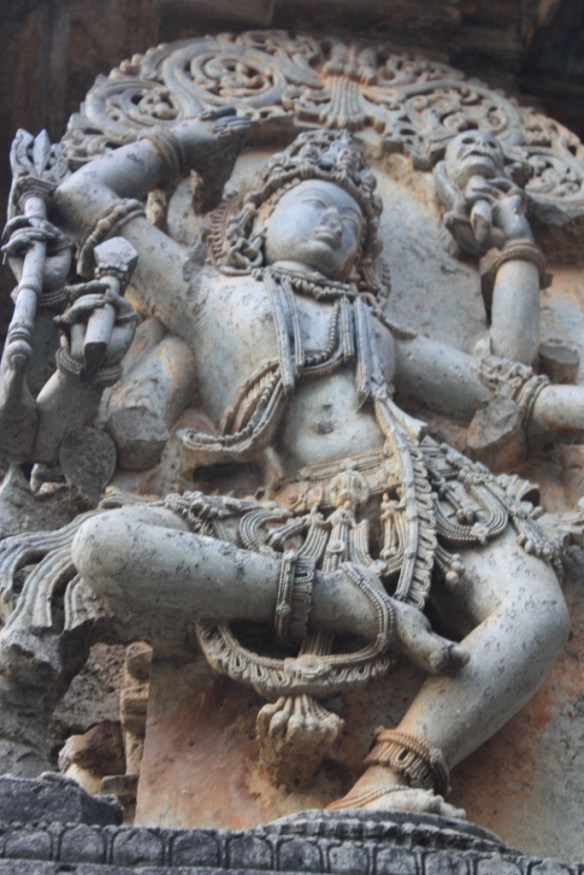
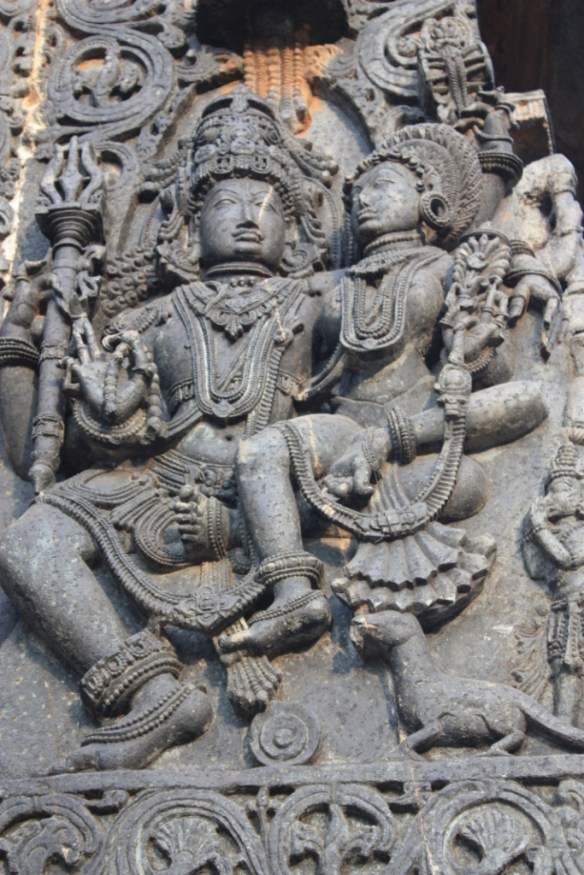
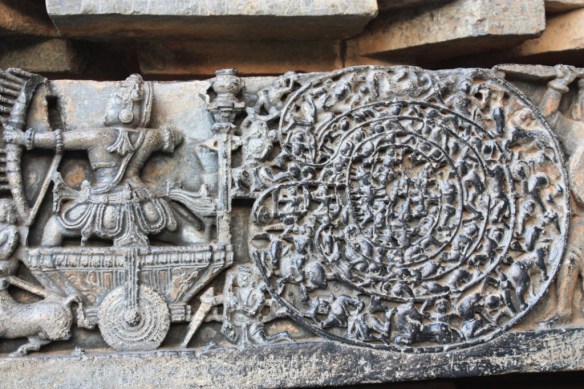
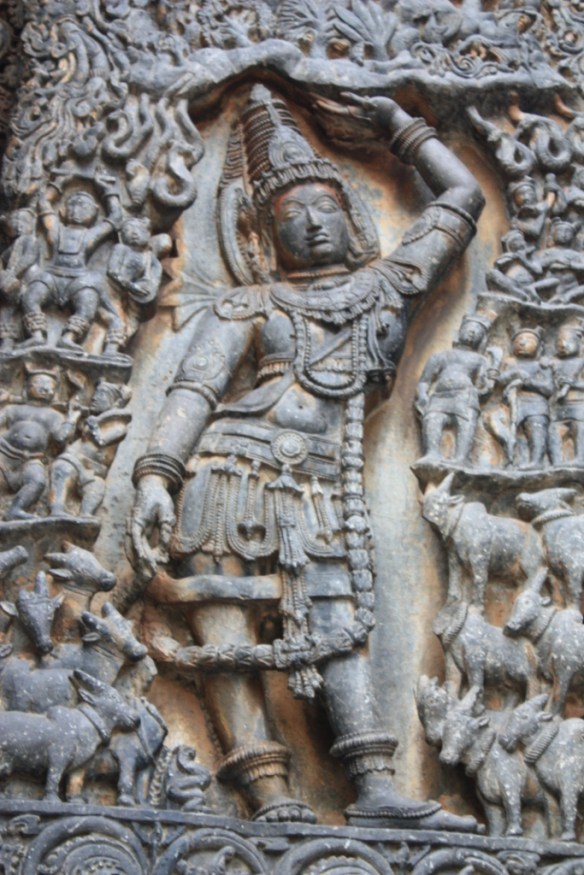
DAILY PHOTO: Elaborate Carvings of Hoysaleshwara Temple


Taken in November of 2013 at Hoysaleshwara Temple in Halebidu

POEM: The Humorless Giraffe

So now, tell me, Mister Giraffe:

How come I never hear you laugh?

Are you too tall to hear the joke,

or are you just an uptight bloke?

Human humor is elation

vis-a-vis

circumvented expectation.

Since I never do misconstrue,

I never need let them know I knew.