Unknown's avatar

About B Gourley

Bernie Gourley is a writer living in Bangalore, India. His poetry collection, Poems of the Introverted Yogi is now available on Amazon. He teaches yoga, with a specialization in pranayama, and holds a RYT500 certification. For most of his adult life, he practiced martial arts, including: Kobudo, Muay Thai, Kalaripayattu, and Taiji. He is a world traveler, having visited more than 40 countries around the globe.

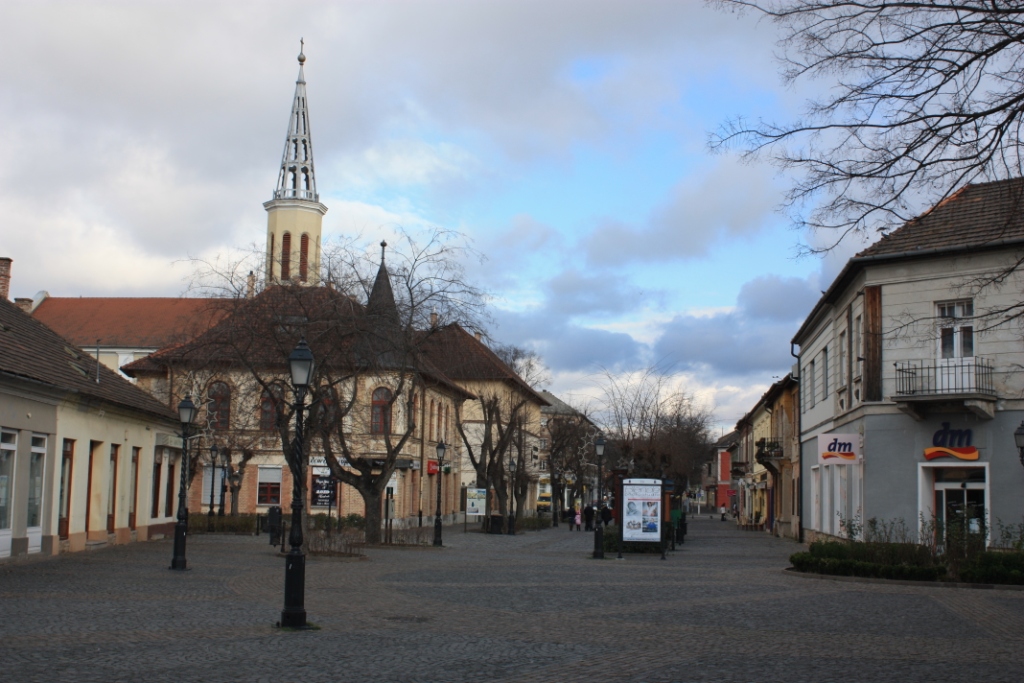
DAILY PHOTO: Near March 15th Square [i.e. Március 15 tér]

Taken in December of 2014 in Vác, Hungary.

Taken in December of 2014 in Vác, Hungary

The church with the unusual, metallic spire is Evangelical Lutheran.

The story I read on the internet–so it has to be true–is that the congregation couldn’t afford to complete the steeple in the usual style. However, they received a donation of scrap iron, from which they constructed an interesting–if unconventional–spire.

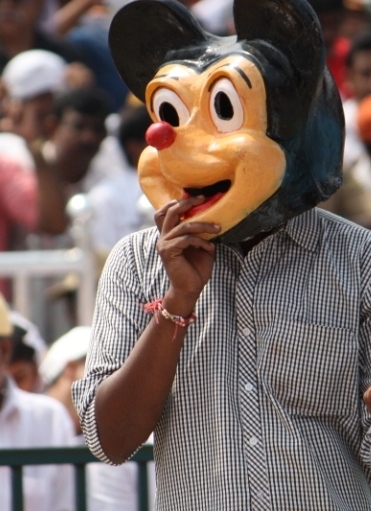
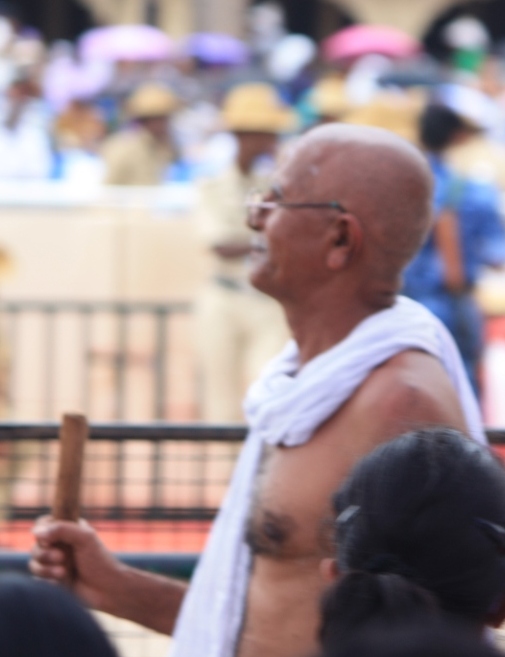
DAILY PHOTO: People You See At Jamboo Savari

Taken in October of 2014 in Mysore

Taken in October of 2014 in Mysore

IMG_3341 IMG_1667 IMG_2988 IMG_2989 IMG_3008

9 Lessons Learned During Children’s Yoga Teacher Training

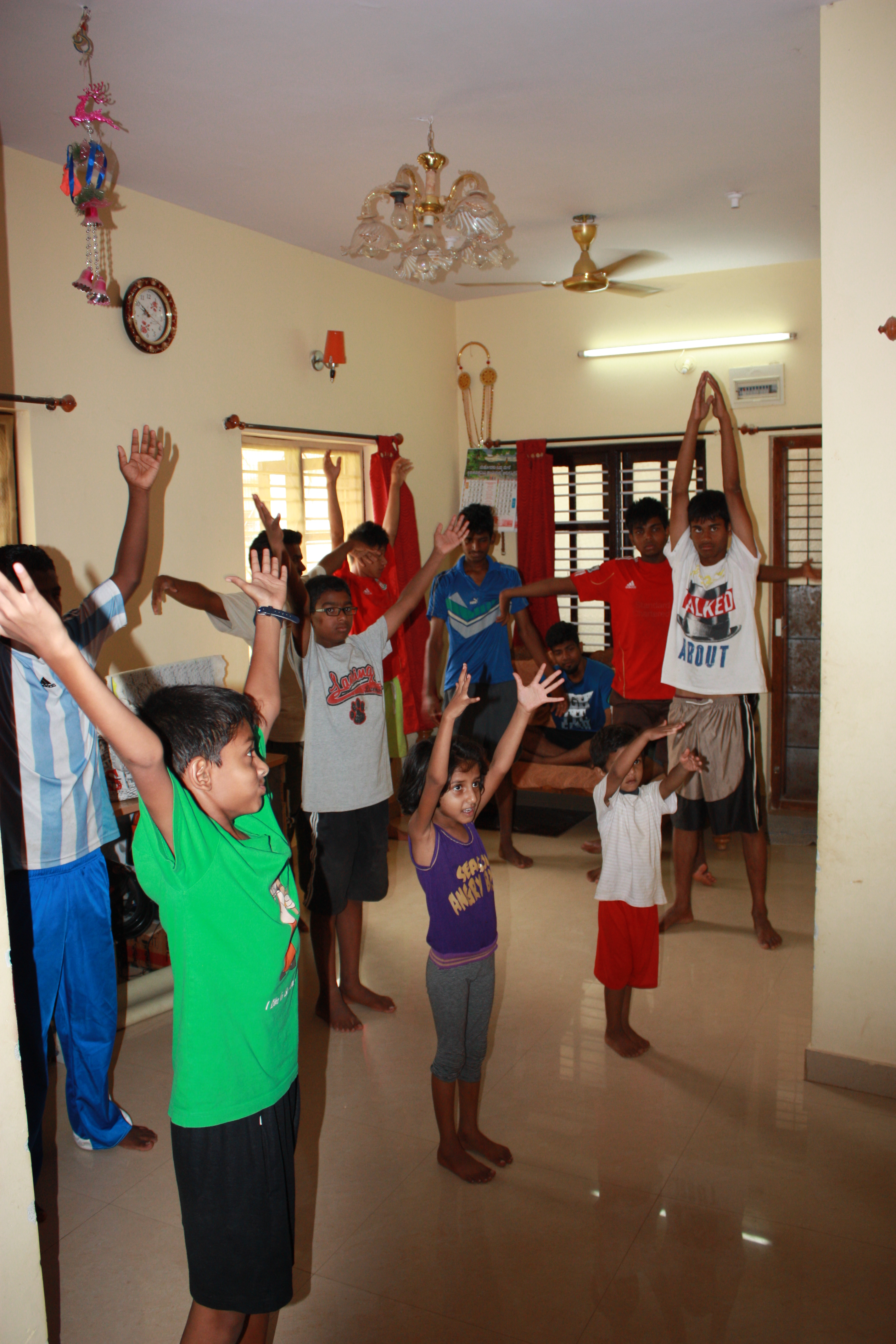
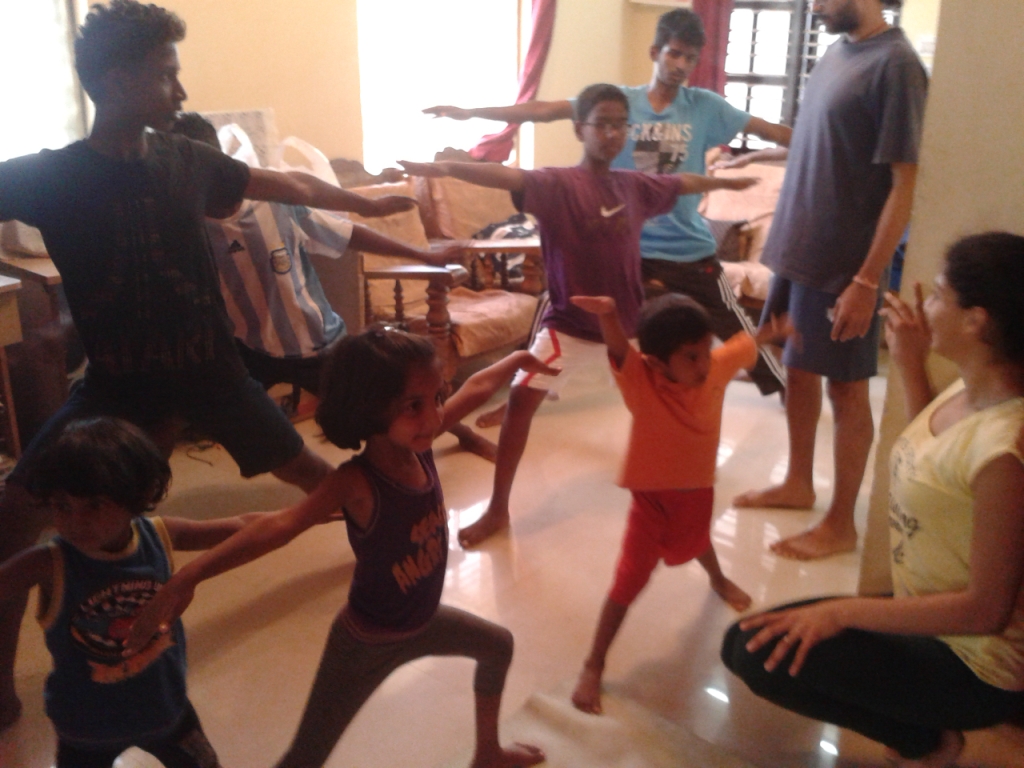
I recently finished the course requirements for Registered Children’s Yoga Teacher (RCYT) training at a1000 Yoga in Bangalore. (As of this writing, I still have a kid-specific teaching requirement to meet before I can add this to my Yoga Alliance certification portfolio.)  When I did my seva (charitable teaching) requirement for RYT-200 at an orphanage, I discovered that teaching kids was a different monster. That’s what led me to take up this specialization, and I thought I’d share some of what I learned.


IMG_1580

1. Eight is [soon] enough:  The traditional age for introducing children to a practice of yoga is eight. This doesn’t mean that kids aren’t taught postures (asana) or other yogic techniques earlier, but for younger kids it’s typically done as play. Traditionally, surya namaskara (sun salutation), nadi shodhana (alternate nostril breathing), and Gayatri mantra (a particular chant) serve as the core of the child’s practice.

Why eight? It has to do with a number of physical and mental development factors including lung development, the state of the pineal gland, and the arrival of abstract reasoning capacity.

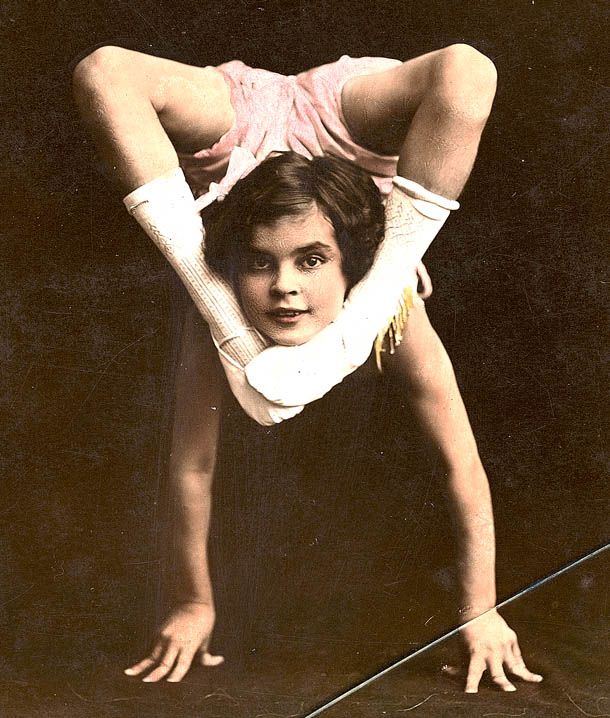
Kids_contortionism2.) There are no youth-related contraindicated postures: I expected to spend a fair amount of the course learning what postures one shouldn’t teach children and why. However, instead we were told that kids could be exposed to any Hatha yoga postures.

Of course, this is predicated on: a.) the fact that one is dealing with a child eight and up; b.) one recognizes that the strengths and weaknesses of children will need to be taken into account and modifications or capacity building may be necessary in some cases. (For example, the flexibility of kids may allow them to achieve postures that few adults can, but at the same time their lack of strength and balance may be limiting factors for some postures.); c.) obviously, one needs to take into account that kids may have contraindicated conditions that aren’t age-related but are due to their particular physical condition.

It should also be noted that children are typically not taught breath retention (khumbaka) as part of their (breath exercise) practice. So it’s not true to say that there are no contraindicated practices.

3.) In stillness, your results may vary: One of the nice things about a yoga practice for kids is that it acknowledges that most kids, by nature, don’t want to be still. As opposed to mainstream education, which attempts to force stillness upon them, yoga offers a mixture of activity and stillness. However, it was interesting to see the range of abilities to remain motionless during yoganidra (“yoga sleep,” i.e. a hypnogogic state) practice. There is, of course, an age component to this. That is, young kids have a harder time staying still than older kids. However, that isn’t all there is to it. A few of the older kids couldn’t stay still in savasana (corpse pose) for five seconds, but a few of the young seemed able to be still for as long as required–not necessarily awake, but still.

the exception

the exception

4.) Balance isn’t in a child’s wheelhouse:  I knew that strength was ill-developed in prepubescent children, but I didn’t realize how challenging kids would find even simple balance postures. They’re a little like drunks in this regard.

Obviously, kids tend to be freakishly bendy, and so it’s not a surprise that most of them could learn to do chakrasana (wheel pose, i.e. a full back bridge) from a standing position in short order. In fact, the challenge for those who had one was more likely to be confidence with not falling on one’s head than with a lack of back-bending flexibility.

The moral of the story is that one must recognize that children are a little like senior citizens in this one domain. That is, consideration must be given to the risk that they will fall down during balancing poses. Unlike seniors, they don’t have too far to fall, and they’ll heal lickety-split if they do, but–still–they’ll fall like a drunken sailor.

5.) Teaching kids’ partner yoga requires a different approach:  The usual advice is that one should teach kids from “inside the circle.” That is, one shouldn’t set oneself off at the head of a class like one would usually do with an adult class. One sits with with the kids and does the class with them. (You probably won’t be doing 6 classes a day that way.)

I had the opportunity to teach a pairs yoga class and found that an entirely different approach was needed. First let me say that pairs (partner) yoga is a great approach for teaching kids. Many kids will enjoy the interaction, and they can learn about teamwork and (in some cases) take advantage of the stabilization of additional limbs / grounded surface area. However, because it requires so much attention to be focused on the partner, it’s best not to teach it from inside the circle. One won’t necessarily be able to see what one’s students are doing, and that can be dangerous.

6.) There’s a yoga for special needs children: Among our guest speakers, we had a yoga teacher from Prafull Oorja, which is an organization that teaches special needs children using yoga, dance, and various other methods. These approaches are used to increase bodily awareness, which is a common problem across many different afflictions. We learned about the range of challenges faced by such children and how the usual approach is varied to adapt to their needs.


The course included information about several non-yogic methods that could be used to complement yoga practice to achieve the objectives of a yoga course. I write this by way of explanation as to why the last few lessons seem to have little to do with yoga.


7.) Stories must be physical, animated, and repetitive for small kids:  These features serve to help adjust to the child’s limited vocabulary, while helping them to build vocabulary. We had a speaker from Kathalaya (House of Stories) who offered a great deal of insight into story-telling for kids.

Lest one think that story-telling is just filler in the yoga context, I’ve been learning a great deal about how our minds need stories, and am inclined to believe that one’s insight into the mind will be limited if one doesn’t understand story and why stories appeal to our minds. I recommend the book Wired for Story by Lisa Cron.

8.) Games used in theater can go hand-in-hand with yoga practice:  I was completely new to the idea of theater games before this course, but we had someone teach us a number of these games, and the logic behind building our own. Games which aren’t too cerebral can go help build some of the same skills that are sought in a course of yoga. Such games include practices that help develop one’s voice and physical expressiveness. These games can also help bring some kids out of their shells so that they are more ready to actively participate in a yoga class.

9.) We need mental hygiene as much as dental hygiene: This actually comes from a quote by Sir Bat Khalsa, a Harvard Neurologist who studies the effects of yoga. When I was doing research for my final presentation, I ran across said quote, which goes:

“There’s no preventive maintenance. We know how to prevent cavities. But we don’t teach children how to be resilient, how to cope with stress on a daily basis… We’ve done dental hygiene but not mental hygiene.”

IMG_1582

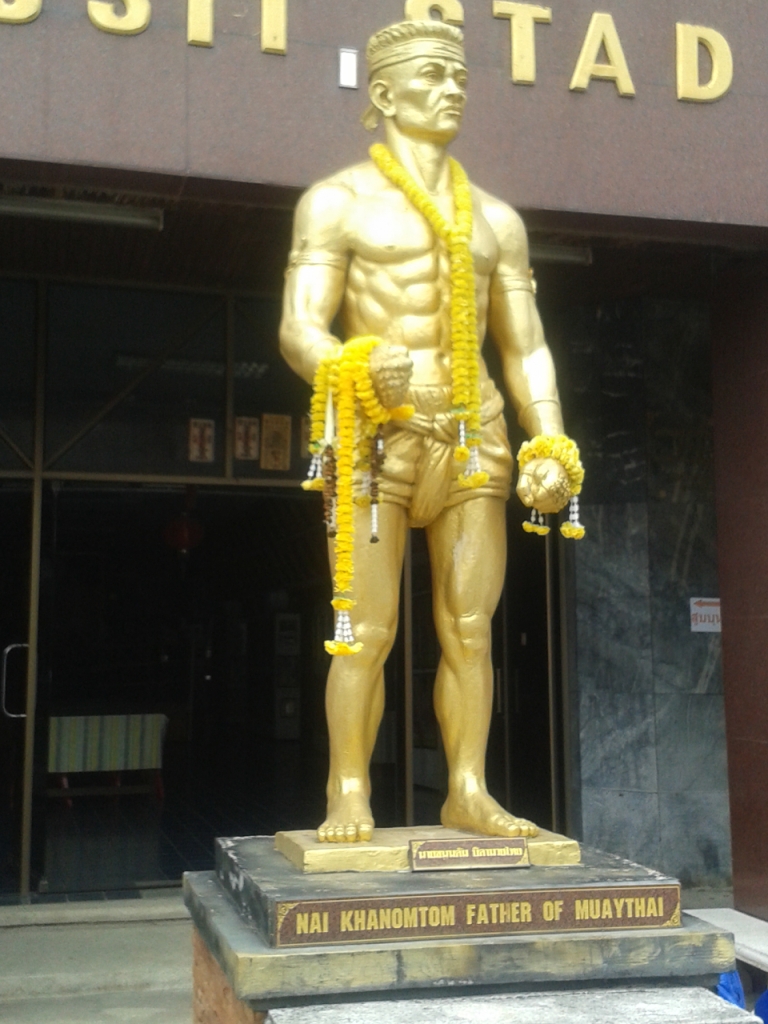
DAILY PHOTO: Golden Nai Khanomtom

Taken in August of 2014 at the Muay Thai Institute in Rangsit, Thailand.

Taken in August of 2014 at the Muay Thai Institute in Rangsit, Thailand.

As the placard states, Nai Khanomtom is considered the father of muaythai (Thai boxing.) He lived during the 18th century, and is most famous for his defeat of between 9 and 12 Burmese Lethwei (or Let Whay, the Burmese style of boxing) fighters–depending upon the retelling of the story.


One account states that the Burmese king had Nai Khanomtom kidnapped after watching from afar as the Thai legend devastated one Burmese soldier after another in close quarters combat. Other accounts hold Nai Khanomtom was one of many Thai prisoners captured. By all accounts, Nai Khanomtom was pitted against multiple Burmese opponents–some of the best the country had to offer–in a boxing match and defeated them one after another without [significant] rest periods.

I probably should have posted this on March 17th, which is Thailand’s “Boxer’s Day” (not to be confused with the post-Christmas Boxing Day recognized in much of the Western world.)

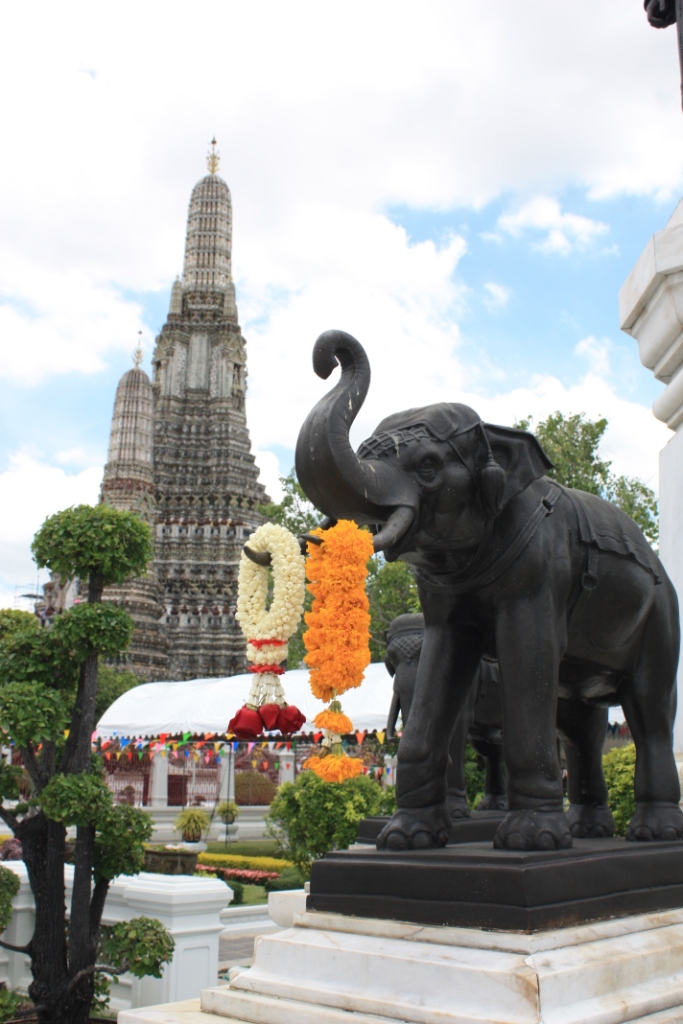
DAILY PHOTO: Elephant Garlands

Taken at Wat Arun in September of 2014

Taken at Wat Arun in September of 2014

Tsukahara Bokuden Defeats a Braggart

[Note: There are many versions of this story, and these events have even been attributed to other warriors. The tale was likely passed around orally before it was written down myriad times in myriad different ways (most famously in the Kōyō Gunkan.) The details of the story aren’t important; it’s the overall moral of the story and that remains the same from one version to the next.]
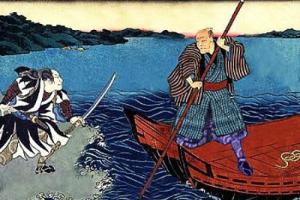
Bokuden Boat

Tsukahara Bokuden listened to the braggart nauseating the ferry passengers with graphic details of his “exploits.” Bokuden would have happily ignored the young samurai, but the cocky youth seemed eager to take offense at the lack of interest in his tales of hacking people to bits and was looking for a fight. The other passengers on the boat were all commoners: an elderly man who was probably a craftsman or a small business merchant, and a mother with her young child.

“Do you doubt me? Do you have the audacity to call me a liar,” The young man said, having not received a suitably enthusiastic response to his stories. And he stood, one hand on his scabbard and the other brushing his sword’s hilt.

Tsukahara Bokuden said, “Easy, young man. No one is calling you a liar. These good people are just not used to such bloody stories.”

The young samurai turned to eye Bokuden, who had appeared to be napping in the back earlier. The braggart asked, “And who are you to challenge me?”

“I didn’t challenge you. I merely explained these people’s lack of enthusiasm for your yarns. But if you must know, I am Tsukahara Bokuden,” he replied, hoping his name might give the bragging samurai pause. Bokuden was well-known, having traversed Japan in musha shugyō (sometimes related to the European “knights errantry,”musha shugyō was a time in a samurai’s life–particularly in times of relative peace–when he traveled the land engaging in matches with individuals from other schools to increase his skill and notoriety–i.e. if he didn’t get killed, which was not uncommon, even when the fight was with wooden swords.)

“I’ve never heard of you. What’s your style?” the cocky samurai asked.

“Mine is the School of No-Sword,” replied Bokuden.

“I’ve never heard of that school, but it sounds weak,” the braggart said.

“I assure you, the technique is quite powerful,” Bokuden said.

“Are you suggesting that you could defeat me with this so-called ‘no sword’ technique?” the braggart said, his hand tightening on his scabbard.

“I said nothing of the sort. I would just like to enjoy the remainder of the ferry ride in peace,” said Bokuden.

“Are you scared to have a match to see who’s style is better?” the cocky youth asked.

“Not in the least, but I see no benefit in it either,” Bokuden replied.

“I’ve had enough of your lip, old man, prepare to defend yourself,” said the young samurai.

Bokuden sighed, “If you insist upon a match, let us at least do so where these good people’s lives will not be in peril. Surely you’ll agree that it would do no great honor to the samurai class if we were to injure or kill innocent bystanders.”

At this the braggart just harrumphed, “Who cares, but I’ll take you on wherever you wish.”

Tsukahara Bokuden said to the oarsman, “Sorry to trouble you, but would you mind diverting to drop us on that outcrop so that we can spare these people the swinging blades.”

The oarsman was readily agreeable. He didn’t want two samurai fighting on his ferryboat any more than Bokuden did.

He rowed them to a stony outcrop that jutted up out of the water. The uneven rocky ground wasn’t ideal for a match, but it would spare the other passengers and would provide a challenge.

When the boat’s bow ground up against the rock, the young samurai jumped out, twisting around in air, and landed on the rock. The braggart held his scabbard and hilt at the ready for a swift draw. The young man was eager to do battle, and it was clear that he was annoyed with Tsukahara Bokuden’s slow movement. The older swordsman took out both of his swords and asked one of the passengers to hold the swords. The oarsman and the passengers were surprised by this disarming behavior, but they’d heard him call his school the “school of no-sword.”

Tsukahara Bokuden then moved up to the boat’s bow as if preparing to move ashore.

“Might I borrow your oar, young man?” Bokuden said to the oarsman. The oarsman nodded and handed Bokuden the long oar with two hands, and with his head bowed. The general assumption was that the older samurai wanted to stabilize the boat against the rock so he could pass ashore smoothly.

Taking the oar, Bokuden drove one end into the outcrop, and grabbed the other pushing the boat away from the rock. The boat glided out from the rock in an accelerating fashion.

Lunging toward the water’s edge, the perplexed braggart called out, “What on earth are you doing, old man?”

To which Bokuden replied, “I’m defeating you with the school of no sword.”

By the time the young samurai could remove his swords and tug away his outer garment, Bokuden had rowed out to deep waters and returned the oar to the oarsman.


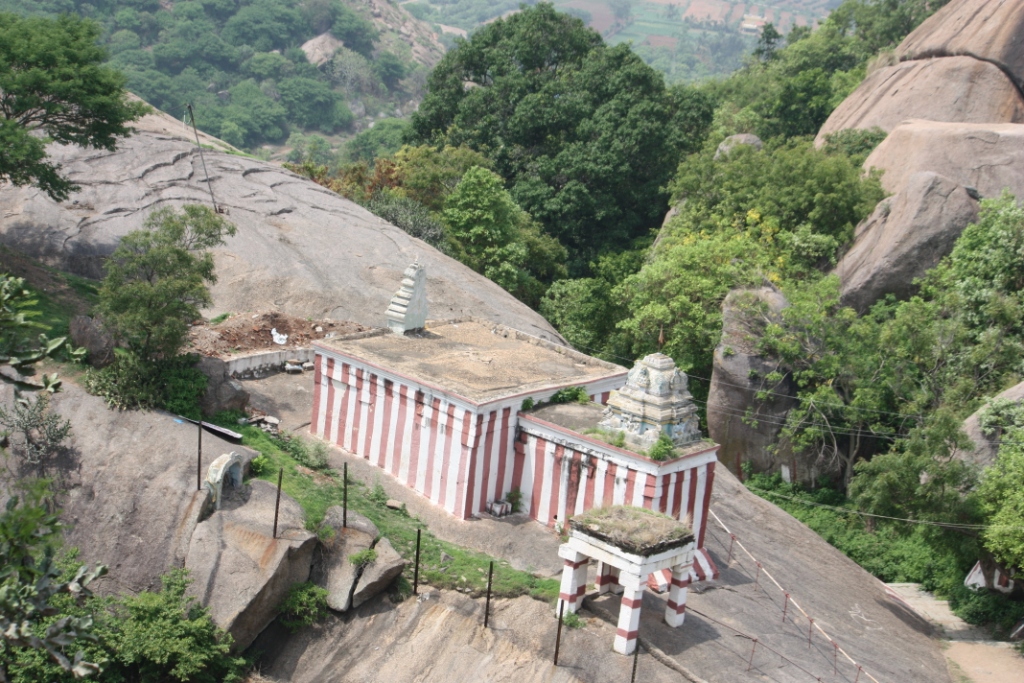
DAILY PHOTO: Stairway to Ram Temple

Taken on May 9, 2015 at Ramanagara

Taken on May 9, 2015 at Ramanagara

IMG_2133 IMG_2073

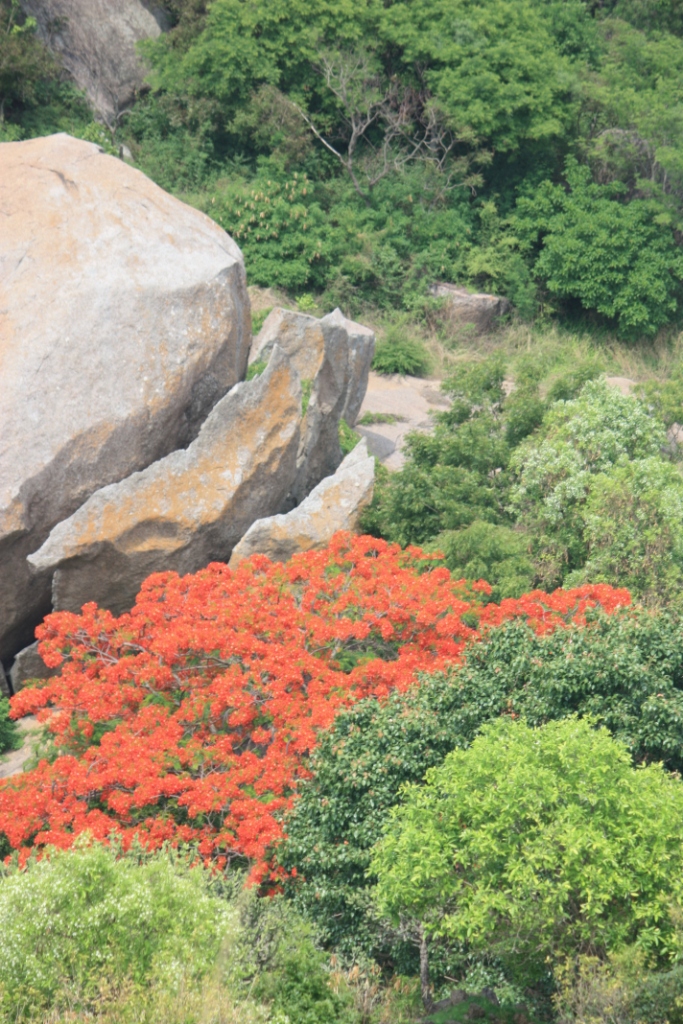
DAILY PHOTO: A Splash of Orange

Taken at Ramanagara on May 9, 2015

Taken at Ramanagara on May 9, 2015

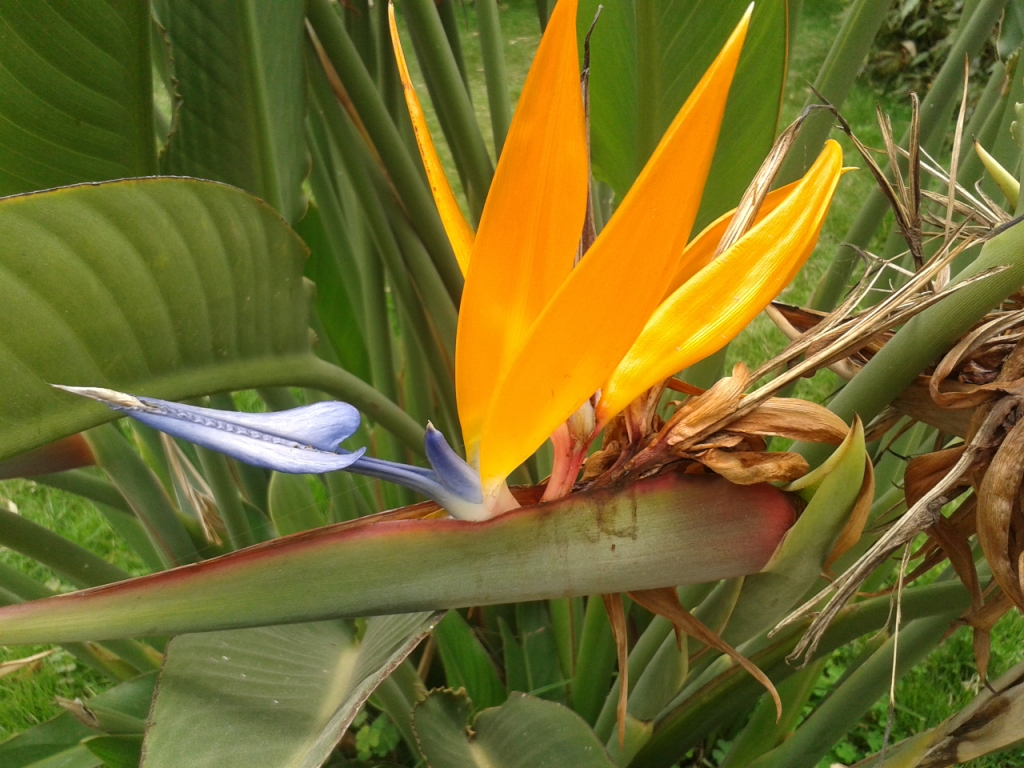
DAILY PHOTO: Bird of Paradise

Taken in May of 2015 in Bangalore.

Taken in May of 2015 in Bangalore.

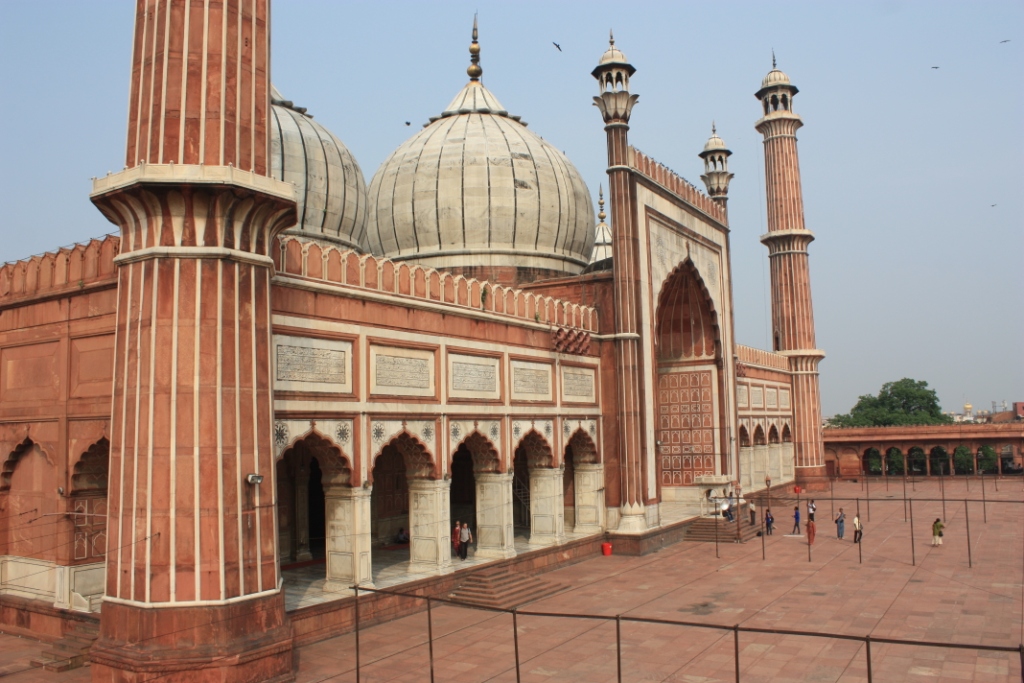
DAILY PHOTO: Jama Masjid Facade

Taken in November of 2013 in Delhi

Taken in November of 2013 in Delhi