In the wee hours,
 The city becomes a blur
   Of color and motion,
     But the moon
         Is the moon
             Is the moon.

In the wee hours,
The city becomes a blur
Of color and motion,
But the moon
Is the moon
Is the moon.
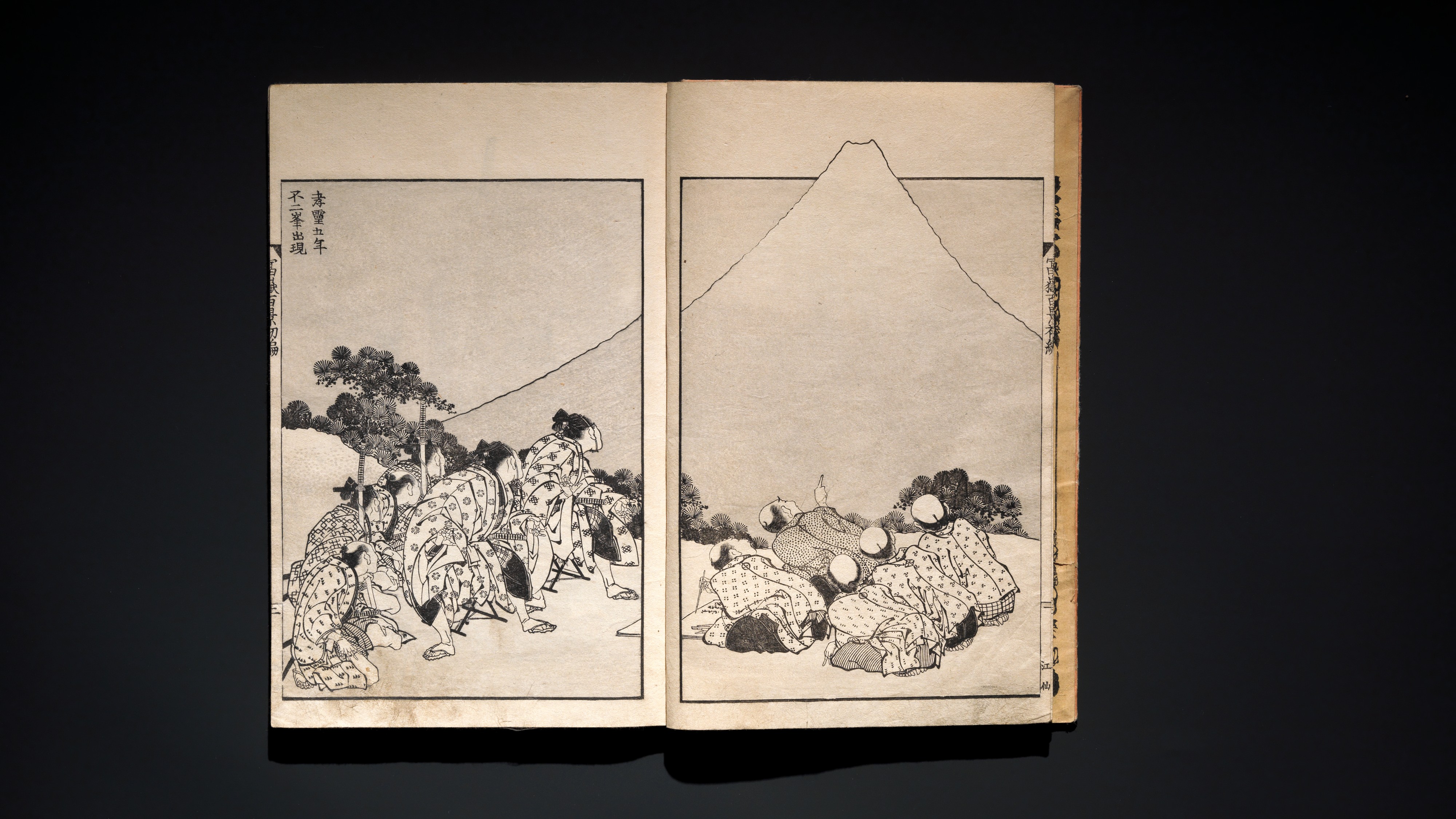
     Being thirsty,
I filled a cup with water,
 And, behold! -- Fuji-yama lay upon the water,
 Like a dropped leaf!
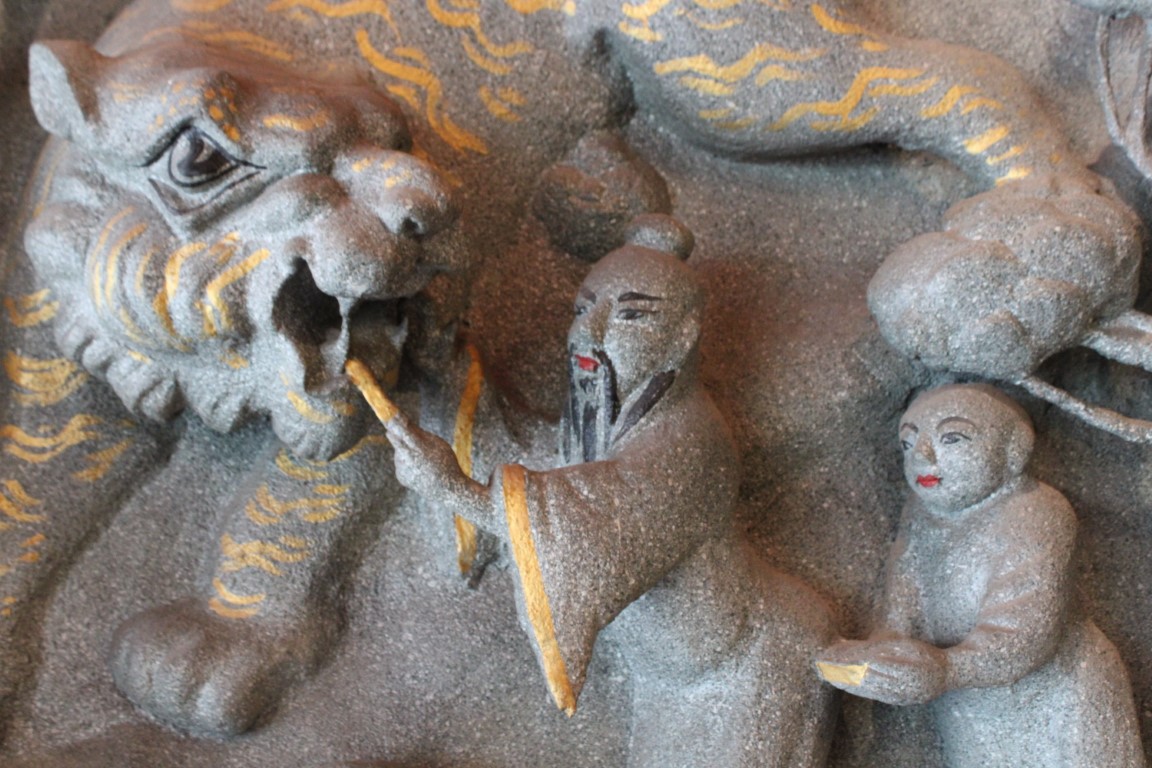
That's what misery is,
 Nothing to have at heart.
 It is to have or nothing.

It is a thing to have,
 A lion, an ox in his breast,
 To feel it breathing there.

Corazón, stout dog,
 Young ox, bow-legged bear,
 He tastes its blood, not spit.

He is like a man
 In the body of a violent beast.
 Its muscles are his own. . .

The lion sleeps in the sun.
 Its nose is on its paws.
 It can kill a man.
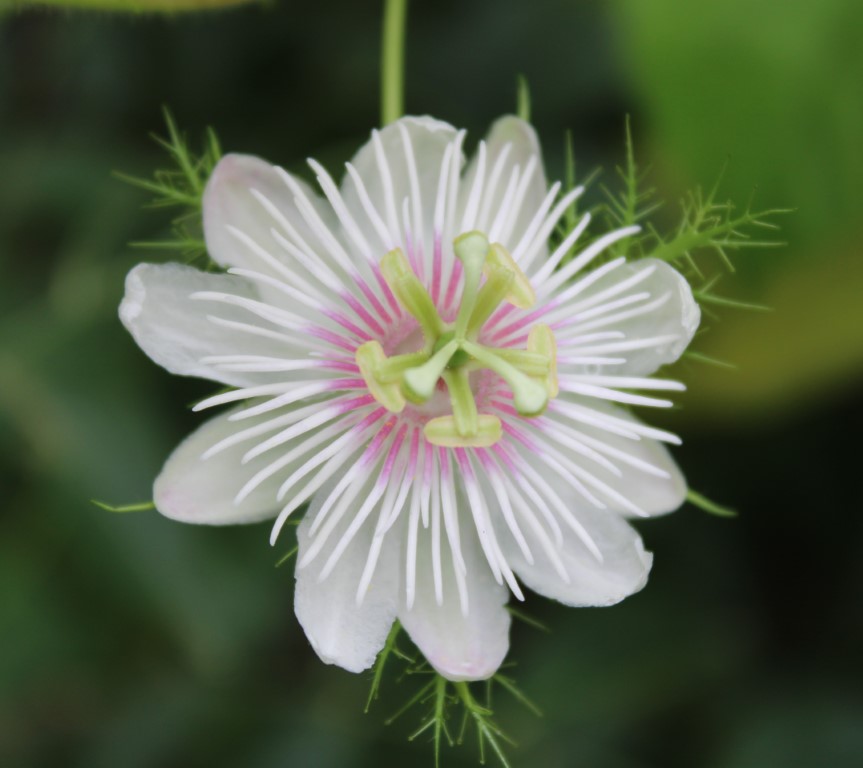
Passiflora looks like
 space-age technology.

it seems like it should
  pick up signals from
  the far reaches of space...

but I doubt it does.
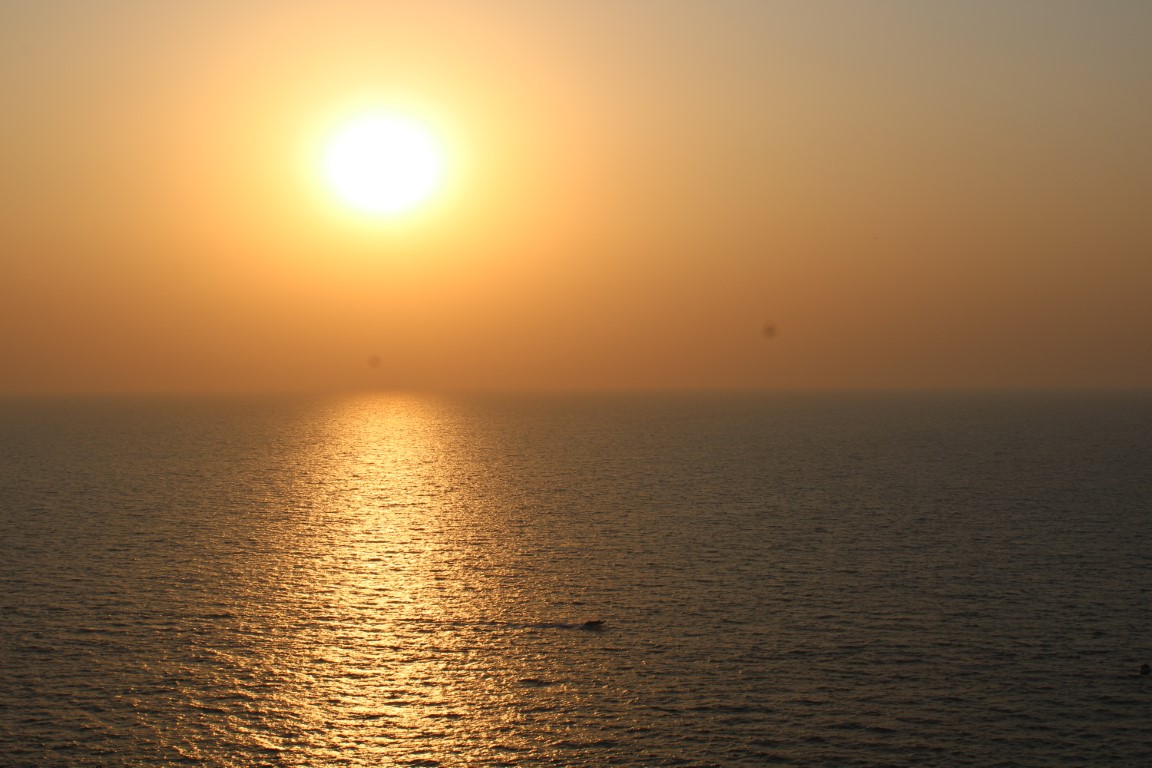
What's this world?

It's energy playing a game,

  a game whose goal is to be rid
    of an intense burning sensation,

  a burning sensation caused by
     low-entropy energy sitting
     around with nothing else to do
     but burn brightly.

  We, the wasters of energy, are
     a soothing lotion to the universe,

     expediting the making high-entropy,
          soothing, tepid energy from
          all those stars --
          i.e. the universe's poison ivy.
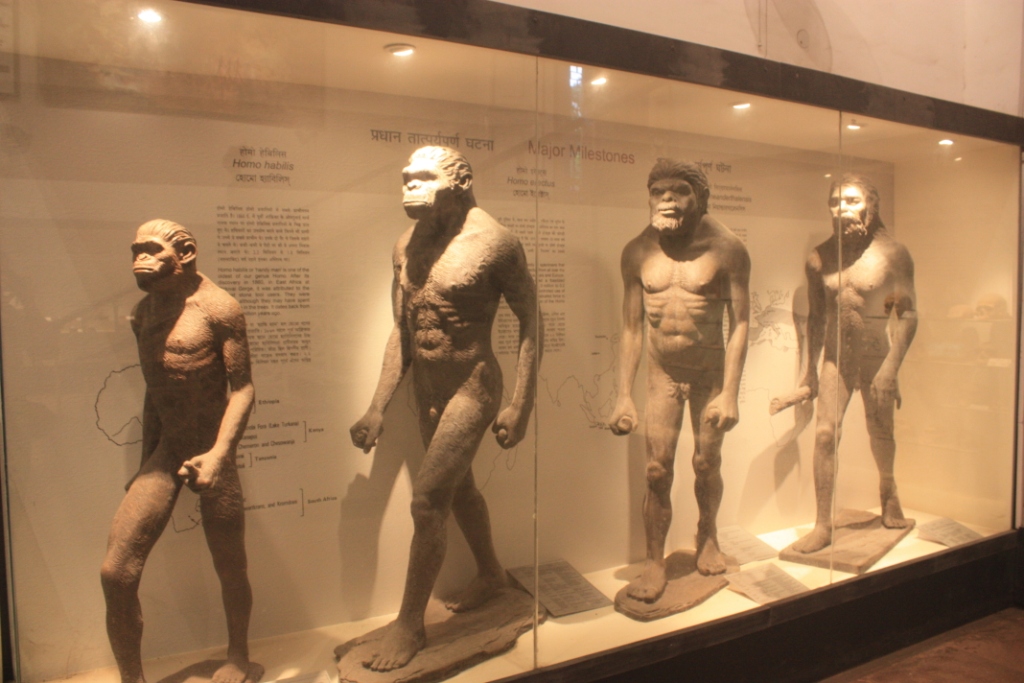
We laud our rational side

- The Thinking Man -

But we're emotional beasts
to the core.

To use that old
[and disparately applied]
chestnut:

Of emotions,
better master
than servant.

Poetry is a conduit
to emotional savvy.

That's part of the reason
Plato urged poetic restraint;

he found the emotional
inferior to the rational,
and thought most youngsters
couldn't behave responsibly
in the face of poetry's
emotional power.

It's also where Aristotle
found virtue in poetry,
its ability to induce
catharsis.

Could they both
be right?
 As I wade through tall grass,
it seems to be a hodge-podge of random heights,
randomly spaced,
and drooping in random directions,
but when I look out at a distance,
that tall grass smooths the world
into soft rounded shapes.
I guess a lot of things are like that.
Imperfections and differences seen near at hand
vanish into grace and beauty at a distance.


 Tiger Riding for Beginners