“Impromptu Lines Written on a Spring Day” [春日偶成] by Cheng Hao [程颢]

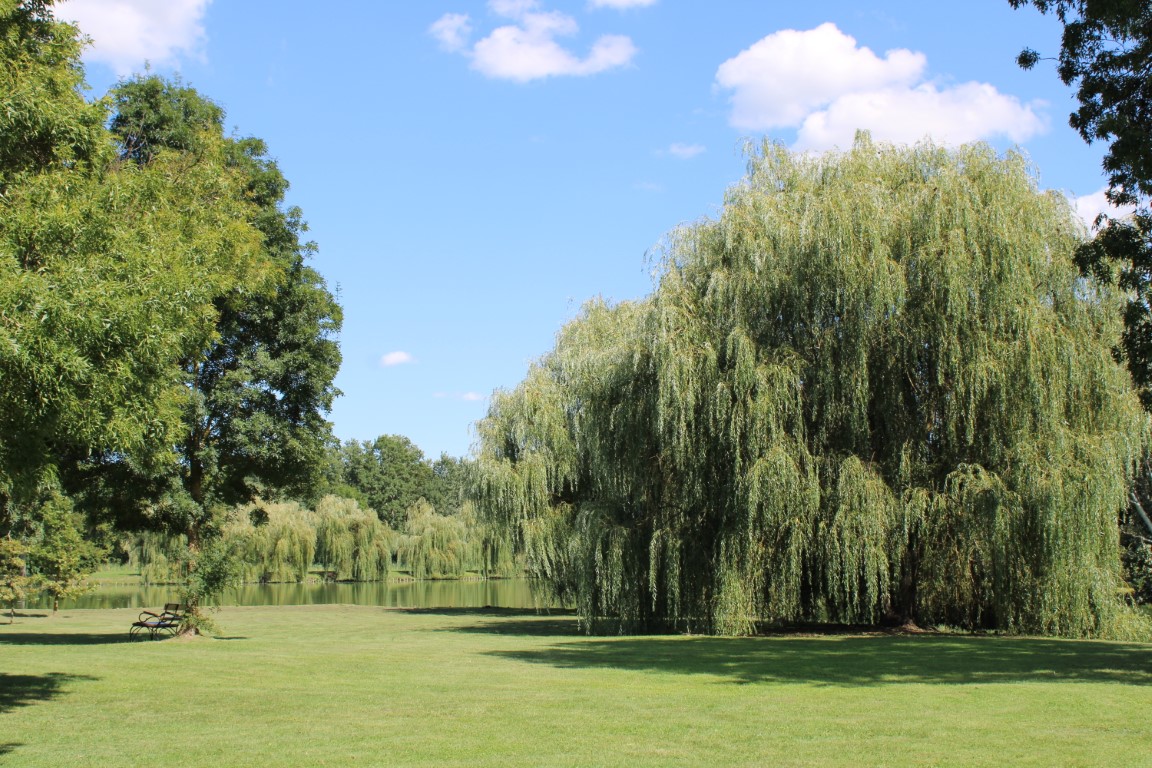
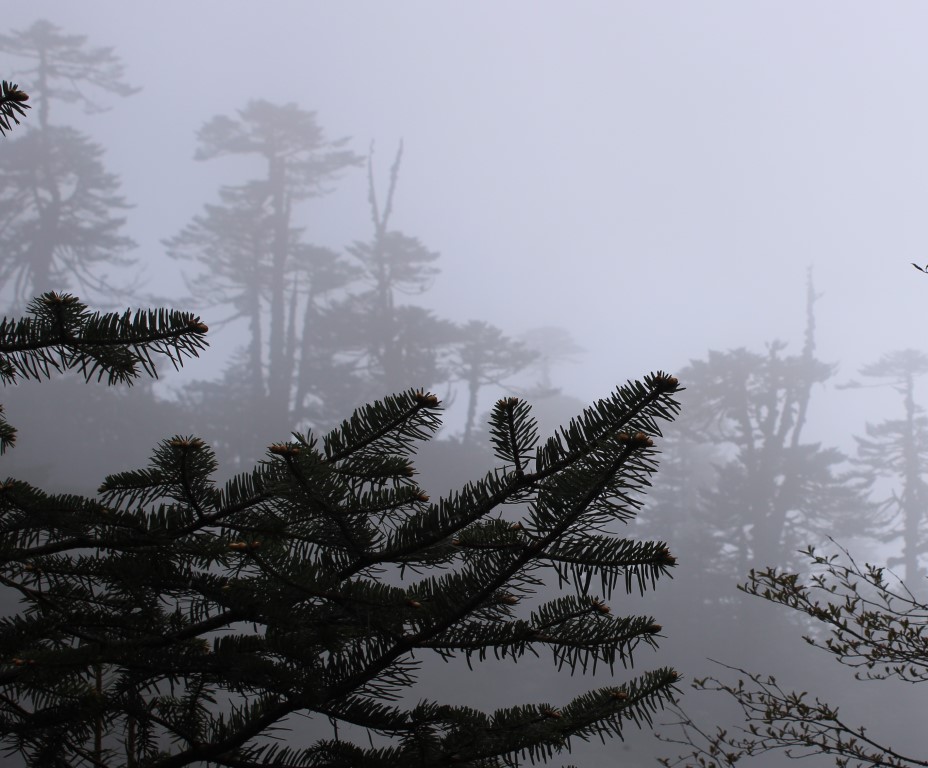
Towards noon fleecy clouds waft in the gentle breeze;
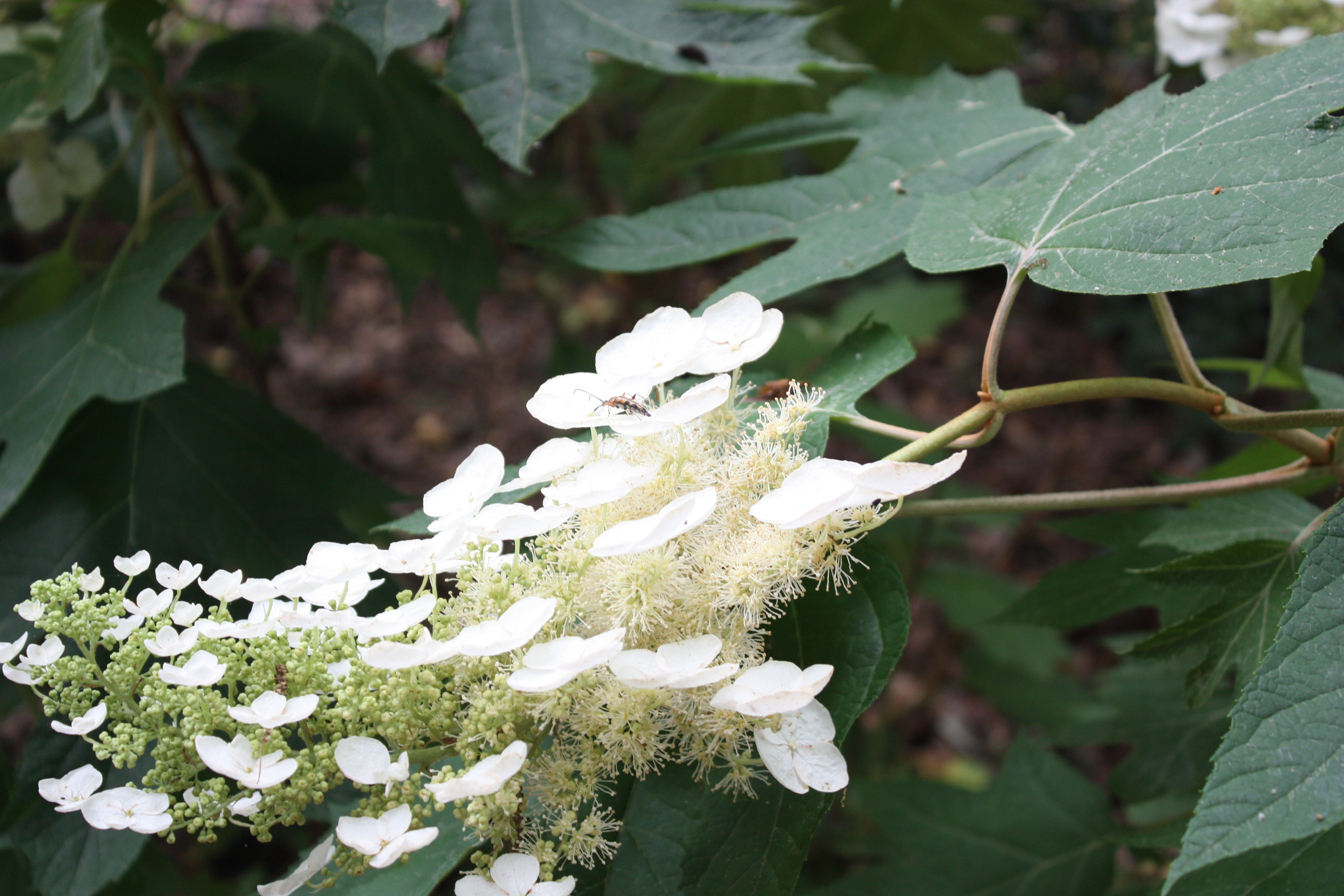
I cross the stream amid flowers and willow trees.
What do the worldlings know about my hearty pleasure?
They'd only take me for a truant fond of leisure.

Note: This is the joint translation of Xu Yuanchong and Xu Ming found in the edition of Golden Treasury of Quatrains and Octaves on which they collaborated (i.e. China Publishing Group: Beijing (2008.))

BOOK REVIEW: “New Story of the Stone” by Jianren Wu [Trans. by Liz Evans Weber]

New Story of the Stone: An Early Chinese Science Fiction NovelNew Story of the Stone: An Early Chinese Science Fiction Novel by Jianren Wu
My rating: 5 of 5 stars

Publisher Site – Columbia University Press

This book is presented as a sequel to the Chinese literary classic (alternatively) known as Dream of the Red Chamber or Story of the Stone. The central character is a scholarly traveler by the name of Baoyu. The first part of the book is set in China around the time of the Boxer Rebellion, an event that features in the story. Throughout this portion, the book reads like historical fiction. However, Baoyu’s travels eventually bring him to a hidden realm, a technologically advanced utopia within China. It is here where Baoyu’s adventures get fantastical and otherworldly, and the book ventures into the domain of Science Fiction.

The setting of the book reminds me a little of Marvel’s Wakanda from Black Panther. Perhaps both instances of worldbuilding were motivated by the humiliated colonists’ fantasy of being more advanced than those who pull the strings for once, or of showing their (respective) lands to be places of “crouching tigers and hidden dragons” (i.e. where great talents exist but remain unseen.) (Note: While China wasn’t on-the-whole colonized by a Western country, its interaction with England and other Western nations left it forced to accept terms unfavorable and undesirable to China (not to mention the outright colonized enclaves such as Hong Kong and Macau.) While the publisher has emphasized the science fiction aspect of this work, it is an anticolonial work through and through. The book can come across as xenophobic and nationalistic in places, but this only reminds the reader of how such positions might be arrived at under the boot of foreign influence.

The book is readable though philosophical and is well worth reading for those interested in developing a deeper insight into Chinese perspectives.

View all my reviews

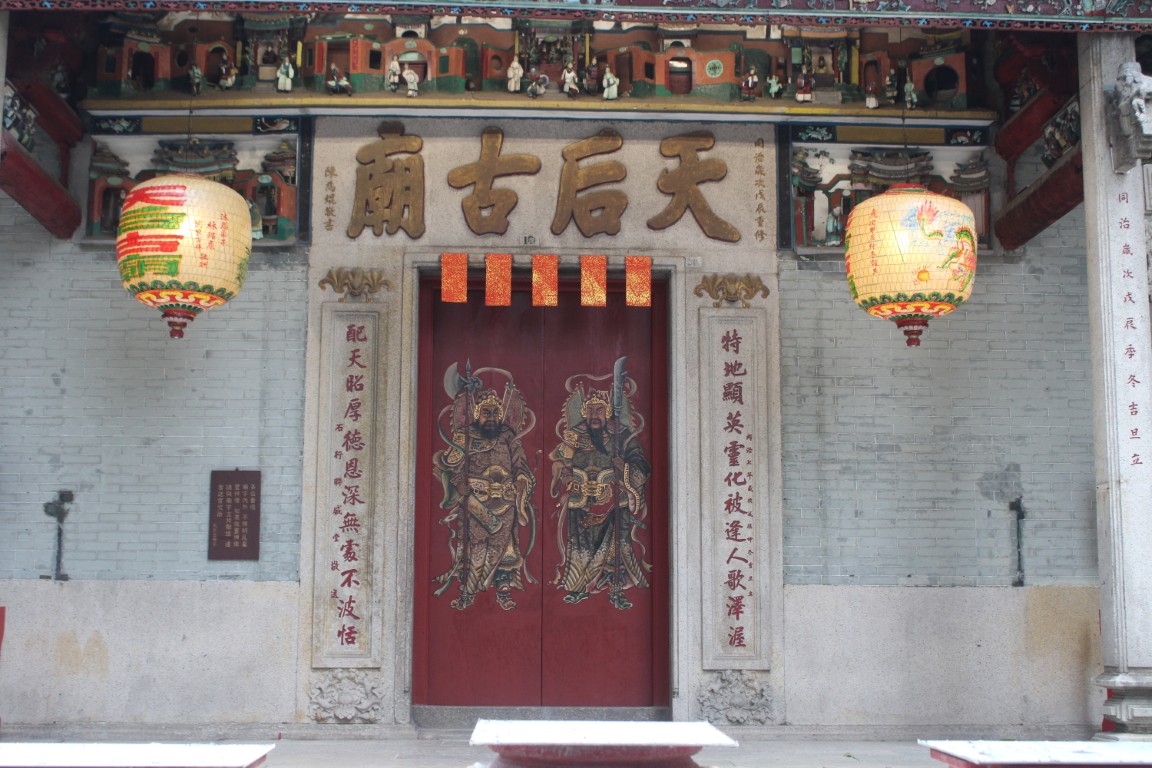
“The Taoist Temple Revisited” [再游玄都观] by Liu Yuxi [刘禹锡]

In half of the wide courtyard only mosses grow;
Peach blossoms all fallen, only rape flowers blow.
Where is the Taoist planting peach trees in this place?
Only I come again after my new disgrace.

Note: This is the joint translation of Xu Yuanchong and Xu Ming found in the edition of <em>Golden Treasury of Quatrains and Octaves</em> on which they collaborated (i.e. China Publishing Group: Beijing (2008.))

The “new disgrace” referenced was Liu Yuxi’s second exile.

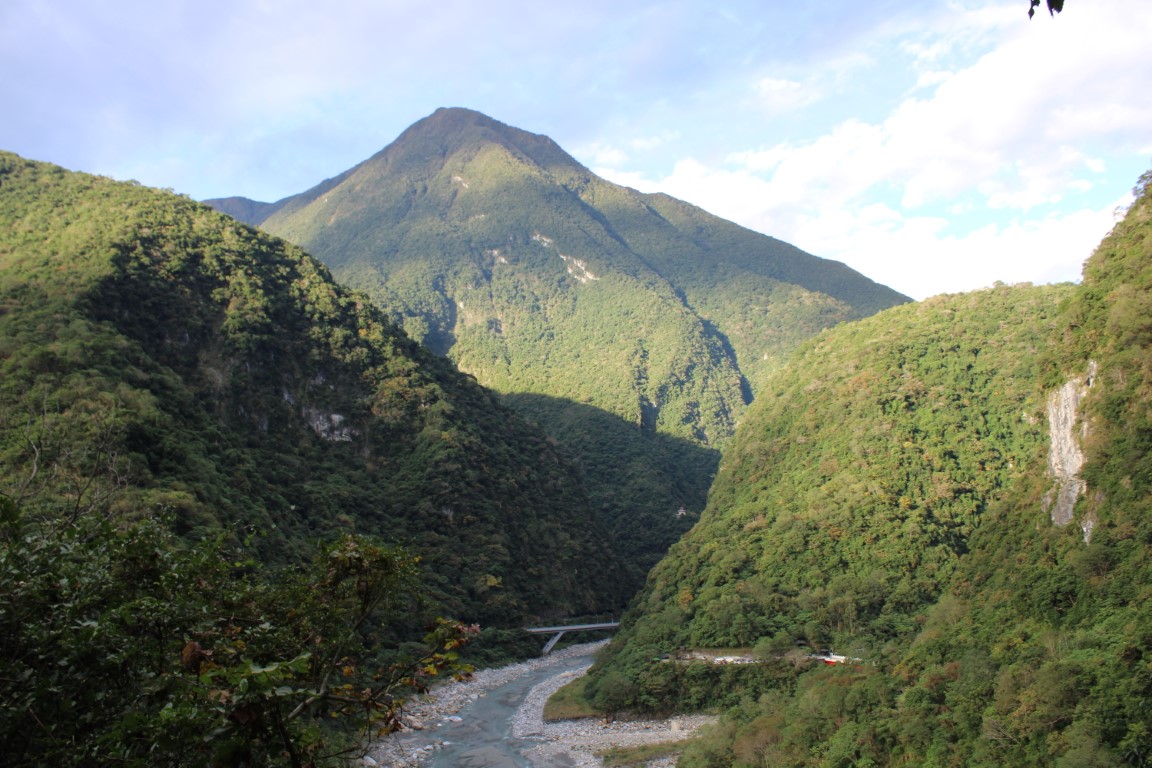
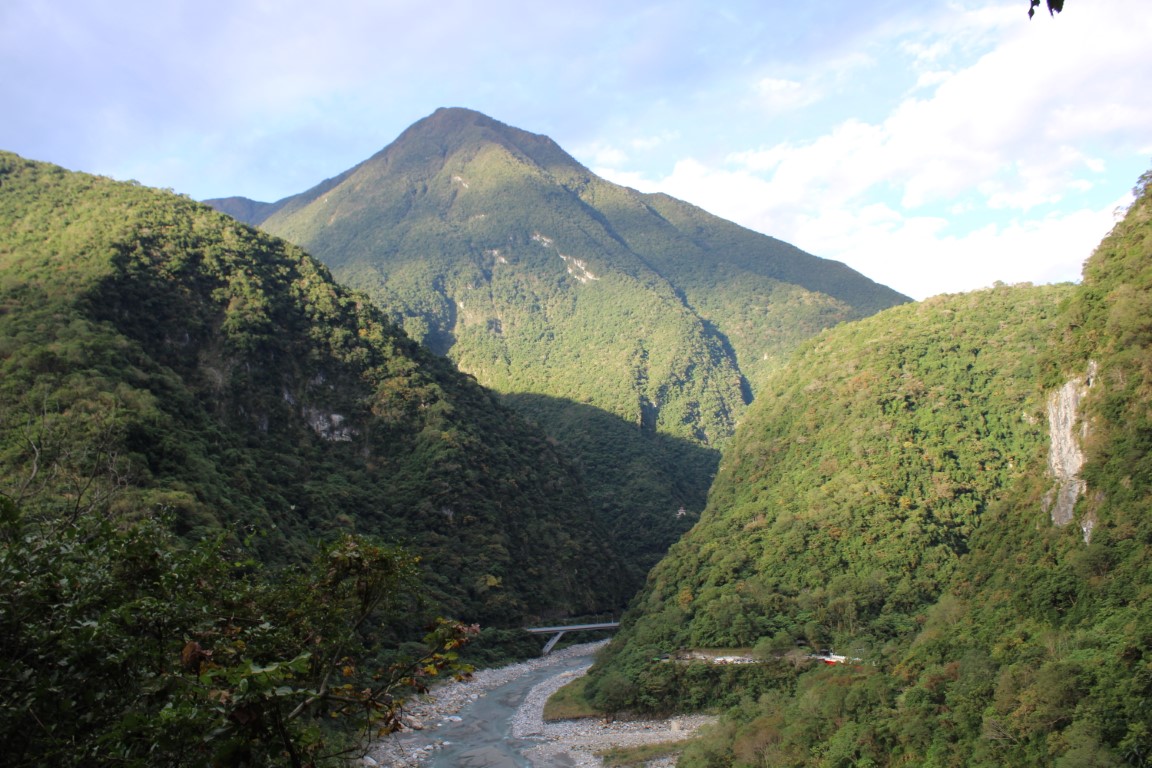
Mount Zhongnan [终南山] by Wang Wei [王维] [w/ Audio]

Taiyi stretches toward heaven;
Linked mountains reach into the sea.
Looking back, white clouds coalesce;
In the mist, the mist can't be seen.
A ridge is a boundary of worlds:
Cloudy or clear; with - or sans - tree.
In need of lodging for the night,
I ask the woodsman cross river from me.

This is poem #118 of the 300 Tang Poems [唐诗三百首.] The original in Simplified Chinese is:

太乙近天都, 连山接海隅。
白云回望合, 青霭入看无。
分野中峰变, 阴晴众壑殊。
欲投人处宿, 隔水问樵夫。

BOOK: “Kim Jiyoung, Born 1982” by Cho Nam-Joo

Kim Jiyoung, Born 1982Kim Jiyoung, Born 1982 by Cho Nam-Joo
My rating: 4 of 5 stars

Publisher Site – Simon & Schuster / Scribner

This fictitious biography explores the tribulations of being a woman in modern-day South Korea. It tells the tale of the titular lead from birth through a middle-aged motherhood. It discusses issues ranging from disappointment at having girl children to feelings of anxiety in a world laden with horny boys to the subtle sexism of the modern workplace.


The book blurb calls this book “riveting, original, and uncompromising.” I’ll give it “uncompromising,” and I have insufficient experience with the book’s “peers” to challenge the “original” claim, but I do have to call BS on the “riveting” bit. In fairness, the point of the book seems to be to offer a brutally typical life experience — not the novel-shaped extremes of a rollercoaster existence. The fact that the book is not riveting doesn’t make it unimportant or unworthy of reading. However, this is not the book one should pick up expecting to read on the edge of one’s seat. It’s well-crafted literary fiction with an important message, but “compelling” is not an appropriate descriptor. The book suffers from a progressive increase in drag as one reads onward.

Still, I’d recommend it for readers of literary fiction interested in varied cultural experiences. It’s a quick read with fine character development.

View all my reviews

Lament 4 [感遇四] by Zhang Jiuling [张九龄] [w/ Audio]

South of Yangtze, stands of red tangerine
Can endure winter while remaining green.
Is it that the weather there is so warm?
No. Their nature 's to bear a winter storm.
What might well serve the joyful traveler
Will be loathsome peril to passengers.
Fate factors in chance and situation --
Not playing around in cyclic rotation.
You may cultivate crops however you please,
But should heed shade thrown by mountains & trees.

This is the fourth poem in 300 Tang Poems [唐诗三百首] and the final poem of a quartet that opens that collection. The original in Simplified Chinese is:

江南有丹橘, 经冬犹绿林;
岂伊地气暖? 自有岁寒心。
可以荐嘉客, 奈何阻重深!
运命惟所遇, 循环不可寻。
徒言树桃李, 此木岂无阴?

Wen Fu 9 [文赋九] “The Whip” by Lu Ji [陆机] [w/ Audio]

Language can be complex, reason may sprawl,
And words don't always seem to point the way.
Extremes aren't always clear and distinct.
Overhauls are not always an upgrade.
The gist may dwell in a key phrase or two --
Those words the whip that make it race or stay.
Though multitudinous words are in place
They must do more than roar, hiss, or bray.
Overuse of the whip exhausts the horse --
Keep the impulse to whip too much at bay.

The original lines in Simplified Chinese are:

或文繁理富,    而意不指适。
极无两致, 尽不可益。
立片言而居要,乃一篇之警策。
虽众辞之有条,必待兹而效绩。
亮功多而累寡,故取足而不易。

Lament 3 [感遇三] by Zhang Jiuling [张九龄] [w/ Audio]

Alone, the hermit returns home to sleep.
He's cleansed of cares by way of solitude.
He gives thanks and praise to the geese on high
For lifting feelings to grand altitude.
Day or night, his mind holds no intentions,
Who can sense his energy, so subdued?
His flight and submergence self-limited,
Where can he find calm, and still be renewed?

This is the third poem in 300 Tang Poems [唐诗三百首] as well as the third of a quartet of poems entitled Gǎn Yù [感遇] that open the collection. The original in Simplified Chinese is:

幽人归独卧, 滞虑洗孤清。
持此谢高鸟, 因之传远情。
日夕怀空意, 人谁感至精?
飞沉理自隔, 何所慰吾诚?

“Lament 2” [感遇二] by Zhang Jiuling [张九龄]

Verdant orchid leaves of Spring;
Cassia blooms bright in Autumn;
Thriving plants, top to bottom.
Festivals planned by their timings.
Who knows the forest recluse --
Pleased with winds and winds with he.
Plants have stems, branches, and roots
Why beg a belle to pluck their fruits.

This is poem #2 of the 300 Tang Poems [唐诗三百首,] and is the second in a quartet of poems called 感遇 [Gan Yu.] The original poem in Simplified Chinese goes:

兰叶春葳蕤, 桂华秋皎洁; 
欣欣此生意, 自尔为佳节。
谁知林栖者, 闻风坐相悦。
草木有本心, 何求美人折?

Wen Fu 8 [文赋 八] “Edits” by Lu Ji [陆机] [w/ Audio]

Maybe the first lines constrain the last;
Maybe ends insist on openings;
Maybe some truths escape all words;
Maybe dulcet lines tell no truths.
One may need to keep separated --
Beauty and truth -- to avoid wounds.
Inspect and haggle over each word --
Distinctions maybe finer than a hair;
Weigh each edit upon a scale;
Ensure each cut serves its purpose.

Original poem in Simplified Chinese:

或仰逼于先条,或俯侵于后章。
或辞害而理比,或言顺而义妨。
离之则双美, 合之则两伤。
考殿最于锱铢,定去留于毫芒。
苟铨衡之所裁,固应绳其必当。