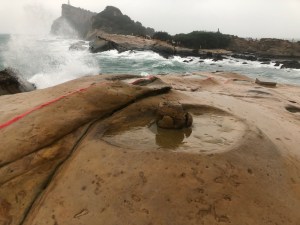
Rainy December day
 blows in - not long to stay.
   From season to season,
   without any reason,
 sometimes we feel the fray.

Rainy December day
blows in - not long to stay.
From season to season,
without any reason,
sometimes we feel the fray.
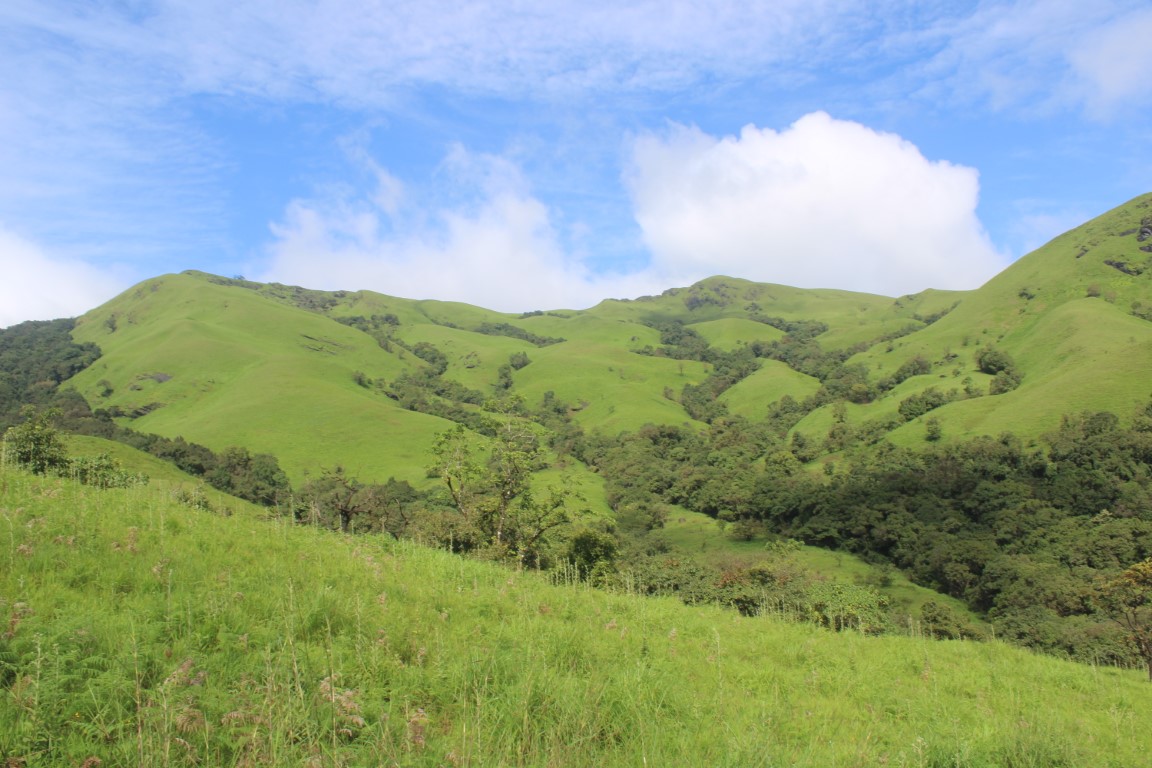
Yan grass shimmers like silken jade.
 Qin mulberry trees' green leaves droop.
 Your homecoming is now at hand
 As heartbreak has me thin and stooped.
 Spring Winds and I are strangers --
 Why, past my curtains, the inward swoop?
Chinese Title: 春思; Original poem in Simplified Chinese:
燕草如碧丝, 秦桑低绿枝;
当君怀归日, 是妾断肠时。
春风不相识, 何事入罗帏?
Note: this is poem #7 in “300 Tang Poems” [唐诗三百首]
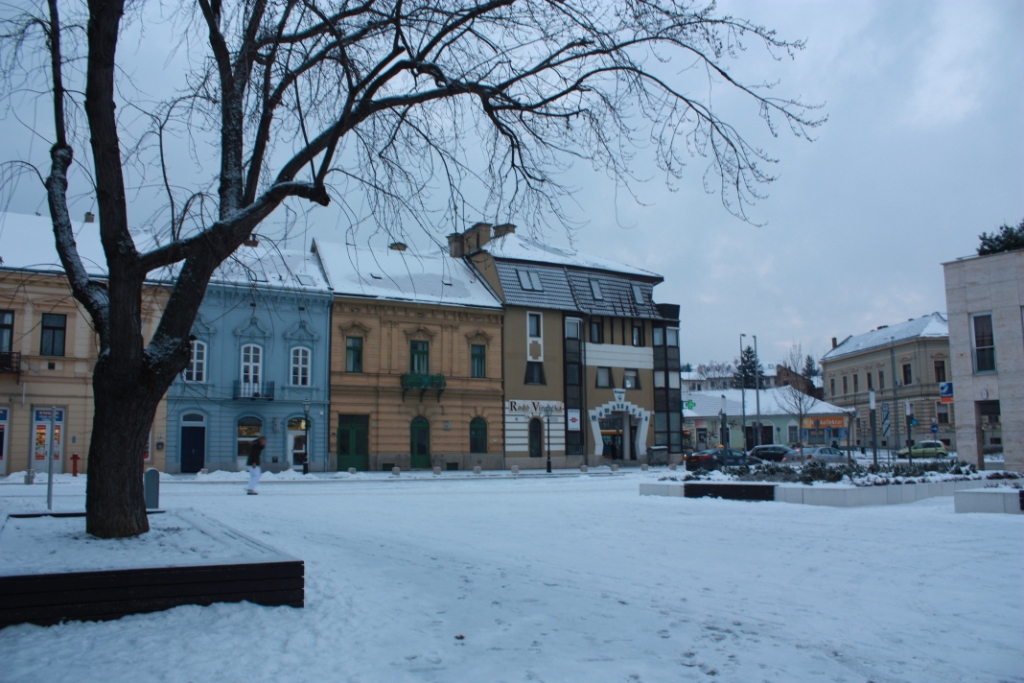
Sorrow like a ceaseless rain
   Beats upon my heart.
 People twist and scream in pain, --
   Dawn will find them still again;
 This has neither wax nor wane,
   Neither stop nor start.

People dress and go to town;
   I sit in my chair.
 All my thoughts are slow and brown:
   Standing up or sitting down
   Little matters, or what gown
      Or what shoes I wear.

The crescent moon hangs on a barren tree.
  The water clock has stopped and all is still.
  Who sees the sad man pace the shore alone?
  His shadow slants and curls into a swan.

The startled man stiffens and turns to look;
  His grief remains unseen by anyone.
  He passes on a seat of fallen log,
  And plops down on the wet and cold sandbank.
NOTE: The original title is: 卜算子.
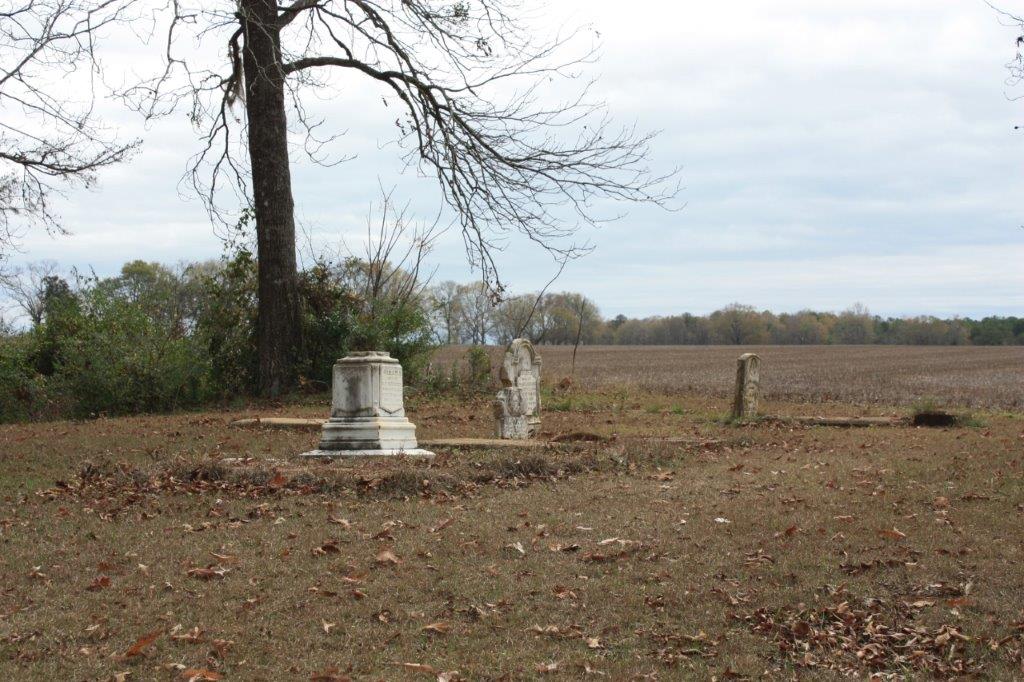
Strong winds ripple water;
  Forest trees are laid low...
  A bitter urge to die --
  One can't come; one can't go.
 Ten decades flow, stream-like;
  Riches are cold, gray ash.
 Life 's a death procession --
  Unless you're adept and brash,
  And can take up the sword
  To hasten the anguish...
 No rustling dry leaves, or
 Leaky roof as you languish.
NOTE: The late Tang Dynasty poet, Sikong Tu (a.k.a. Ssŭ-k‘ung T‘u,) wrote an ars poetica entitled Twenty-Four Styles of Poetry. It presents twenty-four poems that are each in a different tone, reflecting varied concepts from Taoist philosophy and aesthetics. Above is a crude translation of the nineteenth of the twenty-four poems. This poem’s Chinese title is 悲慨, and it has been translated as: “Despondent,” and “Sorrowful.”
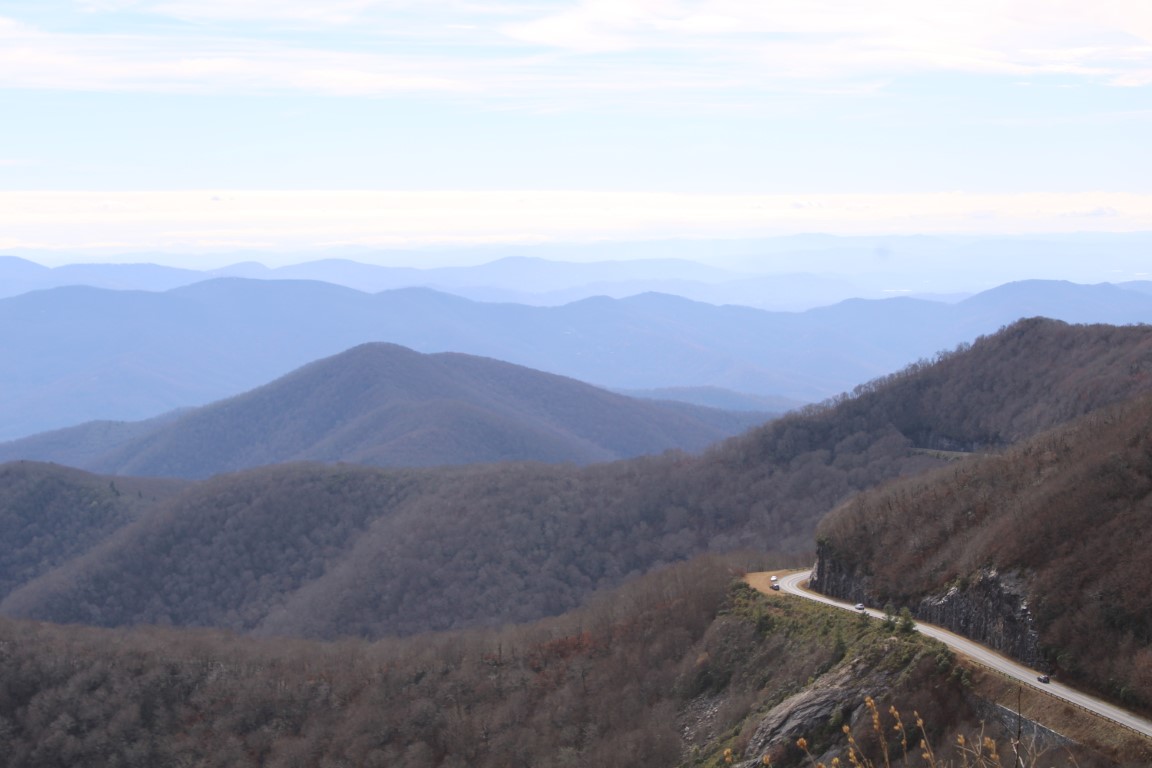
The maples have grown old;
 Orchards have begun to wither.
 The reds and greens have faded.
 Climbing the heights, I
   Feel the chill of late Autumn.
 A ceaseless pounding sound
   Drowns out the setting sun.
 Remembered sorrows flock
   To mind, making new sorrows.
 We are separated
    By a thousand miles;
 From our two distant places
   We can't even meet in dreams.
 The rain stops, and the sky clears;
   One can see the twelve green peaks.
 Speechless, who could understand
   My angst, as I stand cliffside.
 I can write of my grief, but
   Will the clouds bring a reply?

the pond 's drying up.
 the fish look sad,
  and I feel sad.
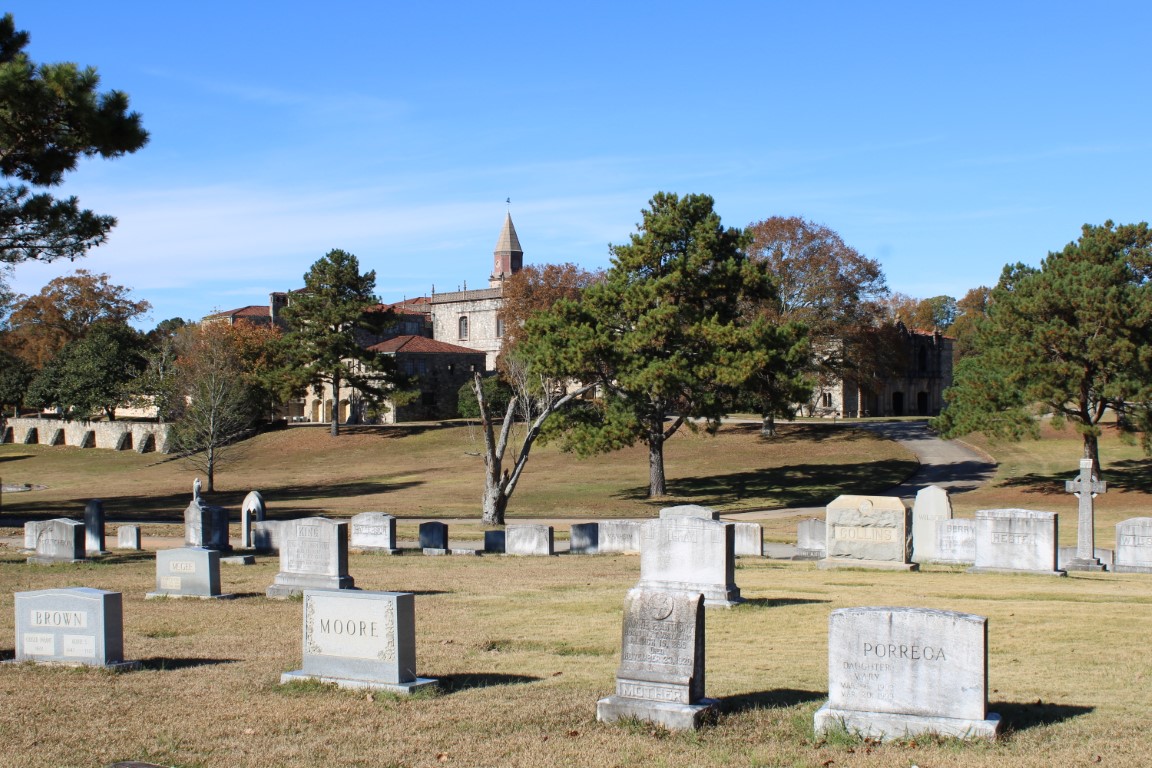
And in the end,
the dead are still
and the graveyard's quiet
is not so bad.

The monuments weather;
in due time,
letters become less crisp
&
dates become debatable.

A clean read means
there maybe someone
left to mourn.

And fresh flowers mean that someone
has tracked their melancholy
through the place,
and the air feels heavier,
and my mind feels heavier.

And I read names:
familiar & not,
popular & not.

I read names to distract me
from thoughts of my own dead --
to avoid tracking my own melancholy
through the place.

For, you see,
I've brought no flowers.
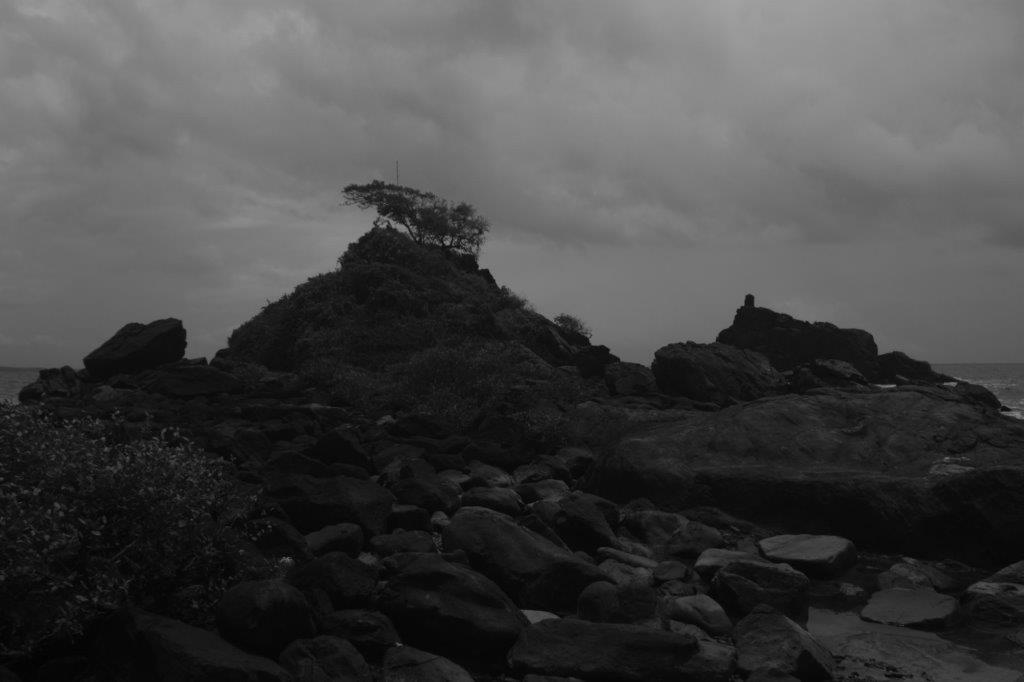
Sitting on cold, volcanic rock
upon a stormy shore,
Watching waves crash, hearing naught but
wind, and crying for more
in a scream that cannot be heard
over nature's harsh din
as I feel the snap of gusty
wind, through cloth so thin
that it can't hold back nature's force
to draw the heat from bone,
and, feeling under this black sky,
I am now all alone.


 Tiger Riding for Beginners