Chinatown [Senryū]

through the paifang*,
you leave your city,
but you're not in China.

*A paifang (牌坊) is the gate over a street or road that denotes the bounds of a Chinatown.

Something Moves [Haiku]

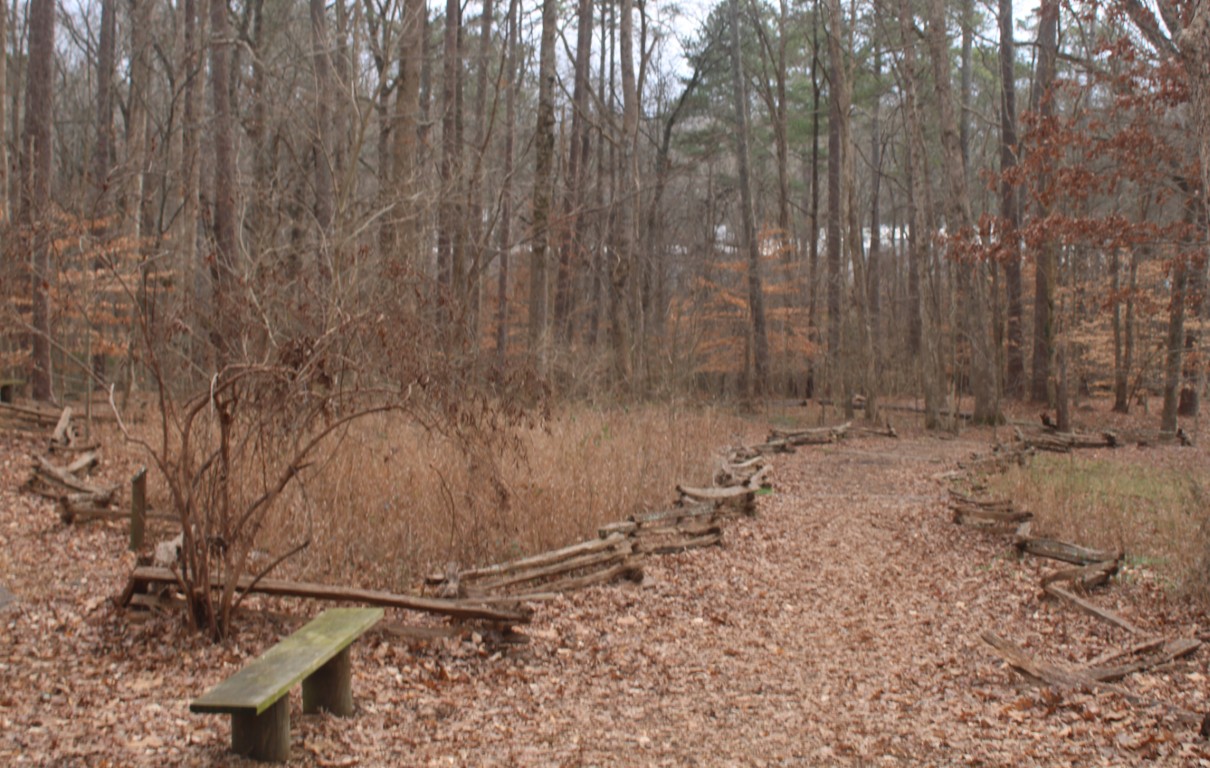
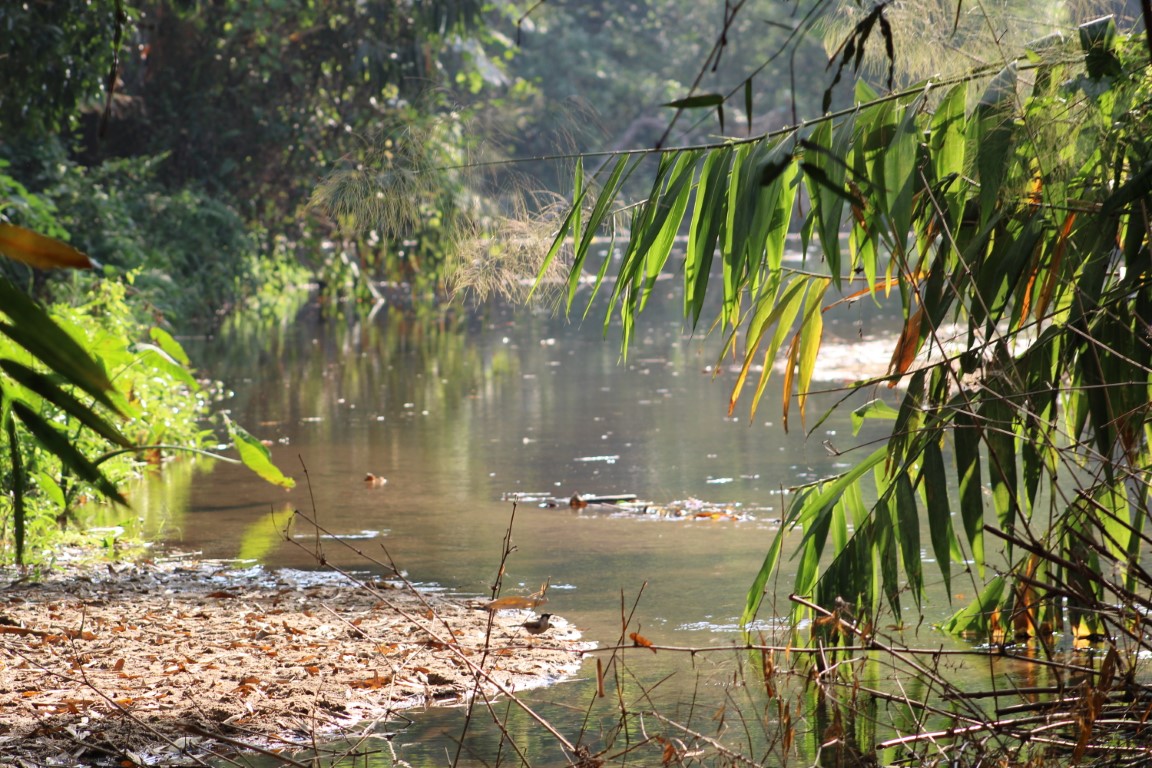
something moves
through autumn grass
at water’s edge.

Blue [Haiku]

with sun down,
the sky lingers in blue,
then fades to black.

Light Fringed [Haiku]

Setting sun over Rudrasagar Lake in Melaghar at the Neermahal Palace fringes clouds with sunlight.
light-fringed clouds
rob a stately palace
of its splendor.

SOUTH KOREA LIMERICK

There was a young man from South Korea
who was prone to verbal diarrhea.
“But better that kind
than from the behind,”

Said that fast-talking lad from Korea.

Duck Raft [Haiku]

A "raft" (a.k.a. flock) of ducks float on Rudrasagar (Twijilikma) Lake in Tripura, India.
a raft of ducks
glides as a dense pack --
then one goes solo.

Sunrise Fisher [Haiku]

A fisherman paddling a canoe on the Rudrasagar Lake (a.k.a. Twijilikma) in Melaghar, Tripura, India.
weary fisherman 
paddles sunrise-tinged lake
to cast nets.

Hermit’s Face [Haiku]

hermit's face forms
amid river ripples:
fades like dream remnant.

AUSTRIA LIMERICK

There once was a man from Austria
prone to coffee house nausea.
“Our cafés are held dear,
but I can’t go near…”
said that lonely, skinny man of Austria.

BOOK: “Golden Treasury of Quatrains and Octaves” [i.e. 千家诗] Trans. by Xu Yuanchong and Xu Ming

Golden Treasury of Quatrains & OctavesGolden Treasury of Quatrains & Octaves by Xu. Yuanchong (translator)
My rating: 5 of 5 stars

Publisher Site — China Translation Corp

This is the bilingual (Chinese-English) edition of an anthology of Tang and Song Dynasty poems commonly known in Chinese as 千家诗 (it has a much longer formal title,) which was jointly translated by Xu Yuanchong and Xu Ming (no relation.) The book is organized into four parts by the form of poem: 7-character line quatrains, 7-character line octaves, 5-character line quatrains, and 5-character line octaves. The anthology includes poems by Li Bai, Du Fu, Wang Wei, Meng Haoran, Jia Dao, Ouyang Xiu, Yang Wanli, Su Shi, and many other important Tang and Song poets — from Emperors to Hermits. That said, while the aforementioned Chinese title suggests there are works of a thousand poets involved, that’s an exaggeration. (And that’s probably all the better. While this was the golden age of Chinese poetry, going that wide into surviving poetry might involve hitting the dregs.)

Each entry has a title, byline, the poem in Simplified Chinese script and pinyin (Romanized phonetic script,) an English language translation, notes in Chinese, and a line or two of commentary in English. All but the seven-character line octaves take up just one page per poem. (Seven-character line octaves take two pages per poem.)

This is a great anthology. There’s an introduction to give insight into what approach the translators took. They stuck to rhyming verse to emulate the originals in form, but more can be learned from the introduction.

I’d highly recommend this anthology for poetry readers.

View all my reviews