
Spring has arrived!
 the view from glade to glade
  through woods, is no more.

Spring has arrived!
the view from glade to glade
through woods, is no more.

There once was a forensic psychologist
 Who came across as quite the apologist:
   "The arsonist, you see,
   Simply yearns to be free --
 Hence, burning all the walls - if you get my gist."
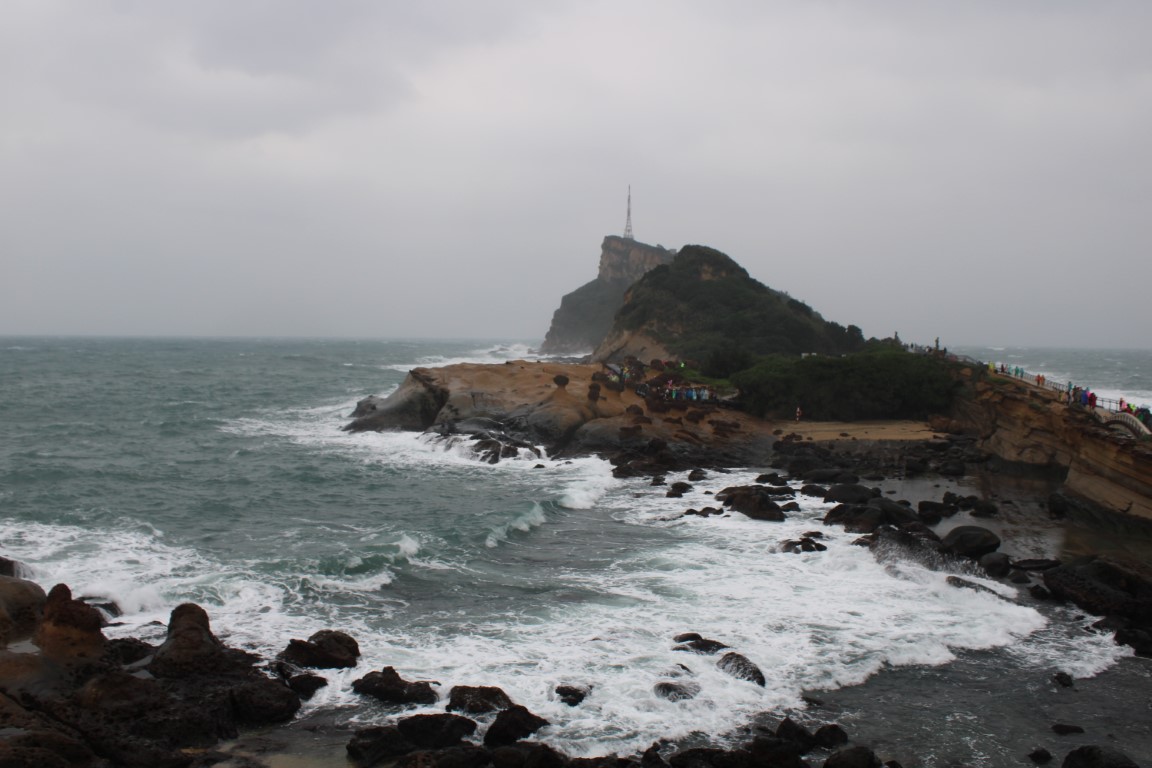
Without a word,
   The gist is grasped.
 With no wails or soft sobs,
   Sadness spreads heart-to-heart.
 There is an enigmatic Prime Mover
   With whom each of us either sinks or floats.
 Dregs of rustic wine in a fine strainer.
 Buds on the cusp of bloom turned back by cold.
 Dust motes spreading by Brownian motion.
 Sea spume floating and tumbling onto shore.
    Shallow, deep, cohering, or scattering.
 Of ten thousand, any sample will do.
NOTE: The late Tang Dynasty poet, Sikong Tu (a.k.a. Ssŭ-k‘ung T‘u,) wrote an ars poetica entitled Twenty-Four Styles of Poetry. It presents twenty-four poems that are each in a different tone, reflecting varied concepts from Taoist philosophy and aesthetics. Above is a translation of the twelfth of the twenty-four poems. Translated titles vary: Herbert Giles entitled this one “Conservation,” whereas Tony Barnstone and Chou Ping called it “The Implicit Style.”

over the mountains,
 the sun is setting
  like a bad secret.
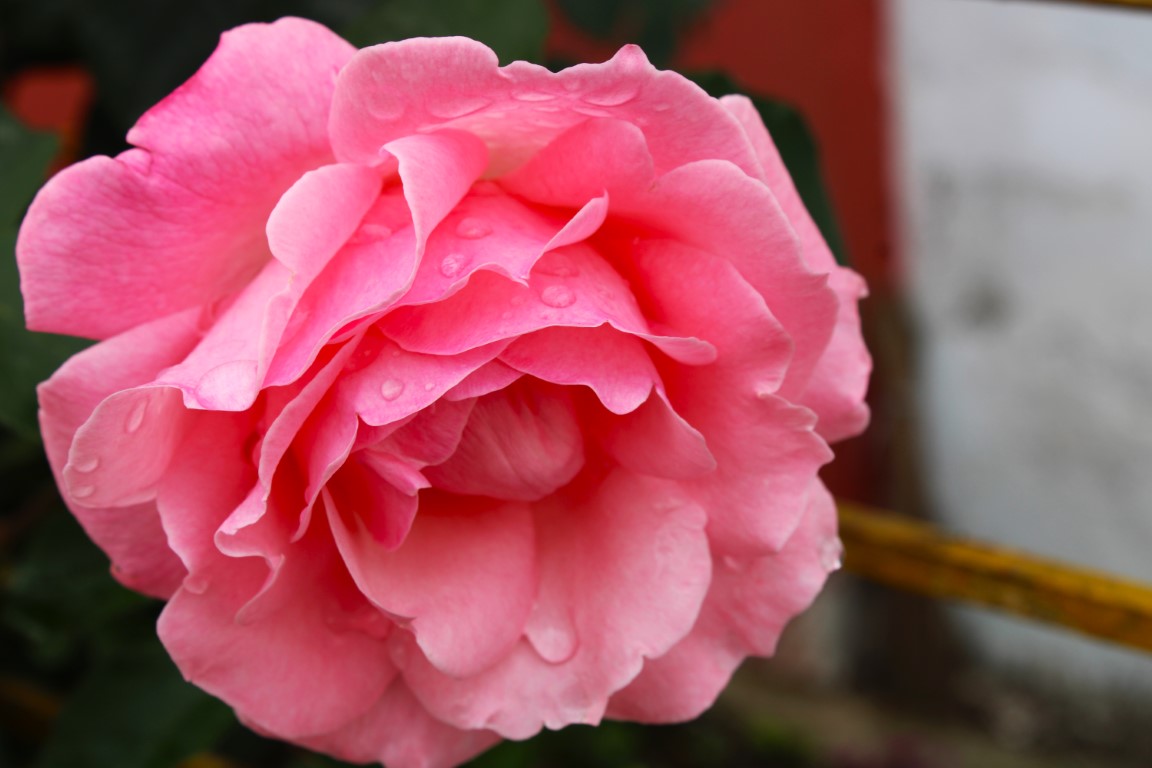
O Rose thou art sick.
 The invisible worm
 That flies in the night
 In the howling storm,

Has found out thy bed
 Of crimson joy:
 And his dark secret love
 Does thy life destroy.
a night heron,
 up & about at sunrise,
  like diehard revellers.
Be not afeard: the isle is full of noises,
 Sound and sweet airs, that give delight, and hurt not.
 Sometimes a thousand twangling instruments
 Will hum about mine ears; and sometimes voices,
 That, if I then had wak'd after long sleep,
 Will make me sleep again: and then, in dreaming,
 The clouds methought would open and show riches
 Ready to drop upon me; that, when I wak'd
 I cried to dream again.
NOTE: In The Tempest, Act III: Scene 2, Caliban speaks these words to Stephano and Trinculo.
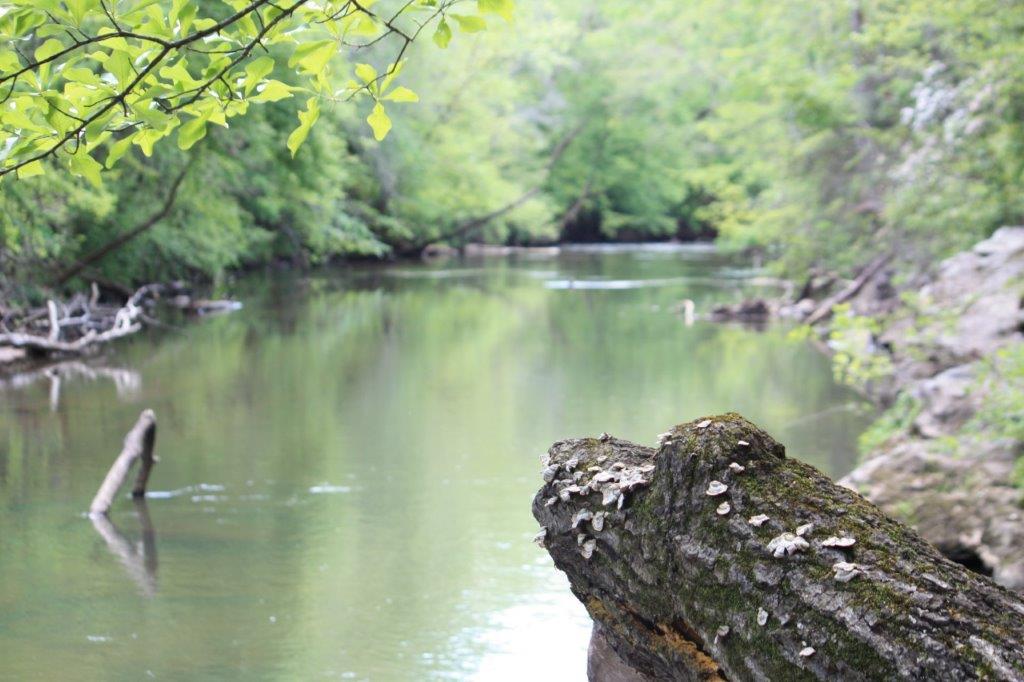
the leaves that hang
 out over the river are
  Early Spring green.
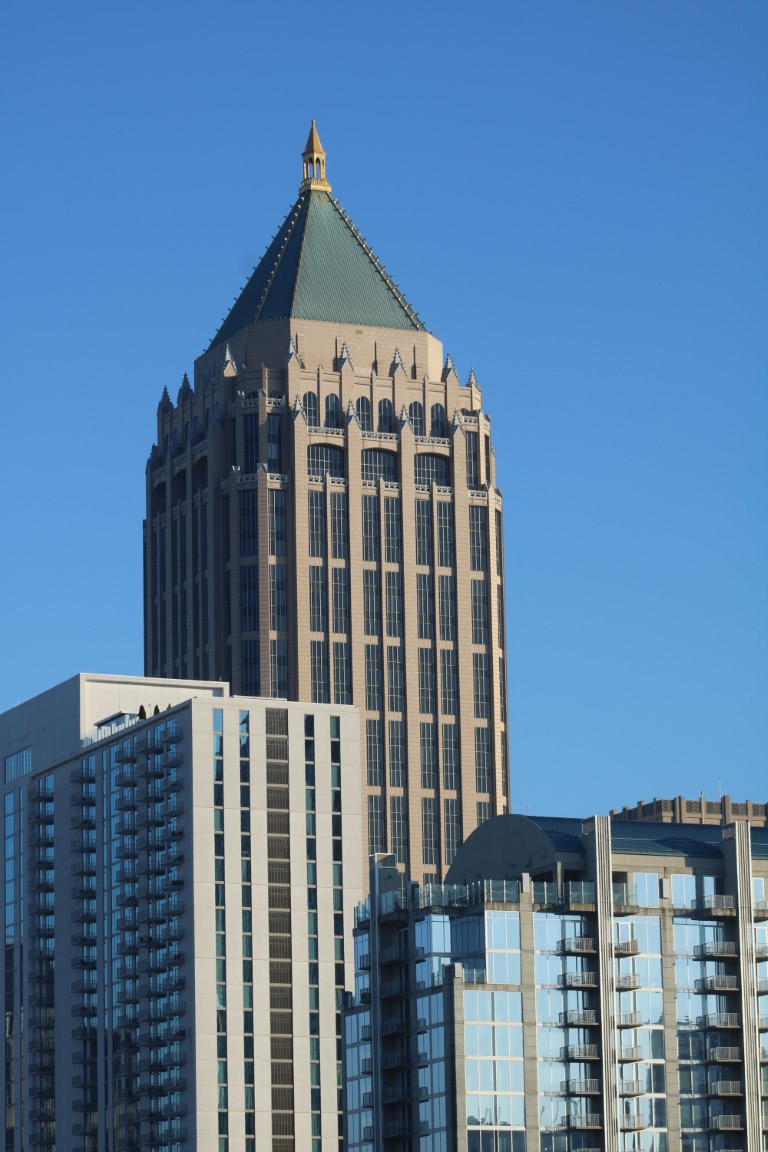
There once was a profiteering banker
 Who inspired only feelings of rancor.
   When making rates for loans,
   He stressed all the unknowns.
 "Your yoghurt shop might be hit by an oil tanker!"
The night is clear, even pristine --
   A nightscape in silver moonlight.
 "Yes, please! Pour me a bowl of wine.
   Don't skimp! take it up to the brim."
 And why should I chase wealth and fame
   When it is sure to end in vain?
 Events pass like a horse's sigh,
   A spark on stone, or dream travel.
 I can put out my ideas,
   But who'll accept them as the truth?
 Why shouldn't I just live happily
   And innocently, like a child?
 I could go back to carefree days
   When life's trifles weren't torturesome.
 Just me, my lute, a pot of wine,
   And the stories drawn by the clouds.
NOTES: Song Dynasty Poet, Su Shi, was also known as Su Dongpo. The translated title of this poem also varies. In Deep, Deep the Courtyard, translated by Xu Yuanchong, it is entitled, “Song of Pilgrimage.”


