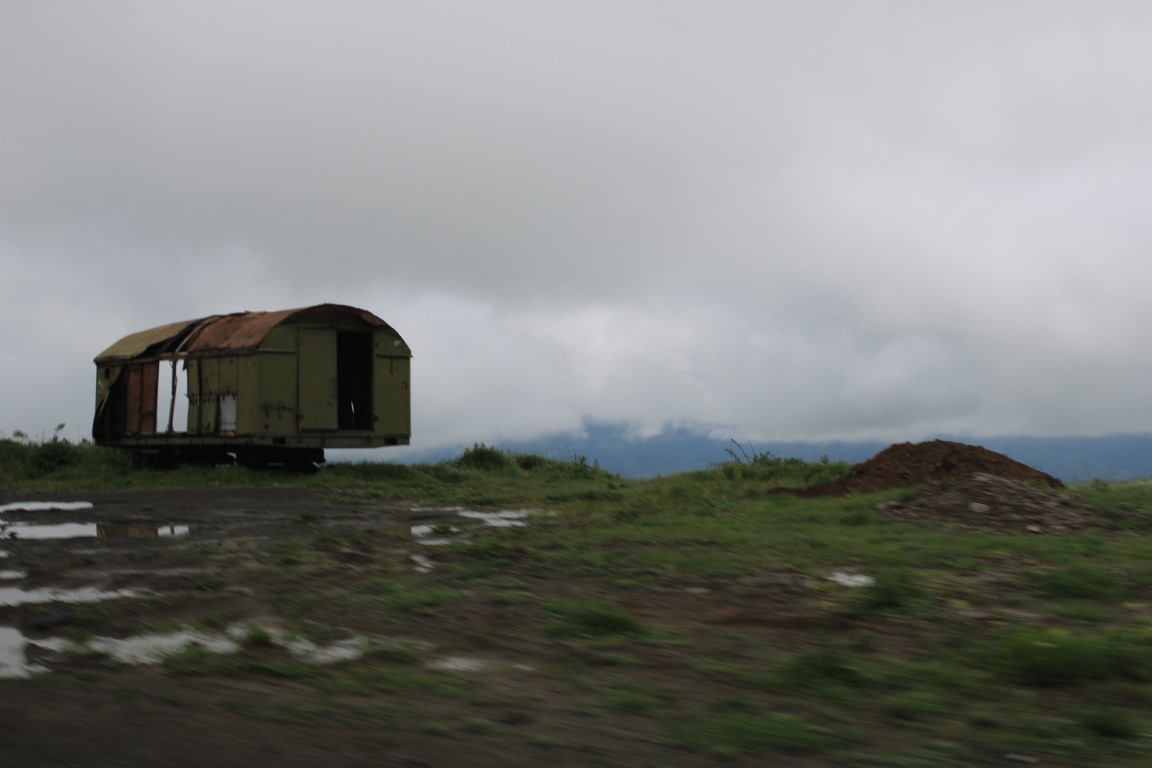
A road lined with burnt out junkers,
   And garbage fires 'round which hunker
 Cold souls sitting in drizzling rain --
   That rain, that rain, their eternal bane.

Blue skies are a distant memory --
   Except for in every reverie
 That denies claustrophobic skies
   The main villain role - e'er reprised.

Where's our long-lost hero, the sun?
   Have stout clouds got him on the run?
 Or maybe our hero 's bleeding out;
    Its feeble showing leaves room for doubt.
When my love swears that she is made of truth,
 I do believe her, though I know she lies,
 That she might think me some untutored youth,
 Unlearned in the world's false subtleties.
Thus vainly thinking that she thinks me young,
 Although she knows my days are past the best,
 Simply I credit her false-speaking tongue:
 On both sides thus is simple truth suppressed.
But wherefore says she not she is unjust?
 And wherefore say not I that I am old?
 Oh, love's best habit is in seeming trust,
 And age in love loves not to have years told.
   Therefore I lie with her and she with me,
   And in our faults by lies we flattered be.
Out of the bosom of the Air,
   Out of the cloud-folds of her garments shaken,
 Over the woodlands brown and bare,
   Over the harvest-fields forsaken,
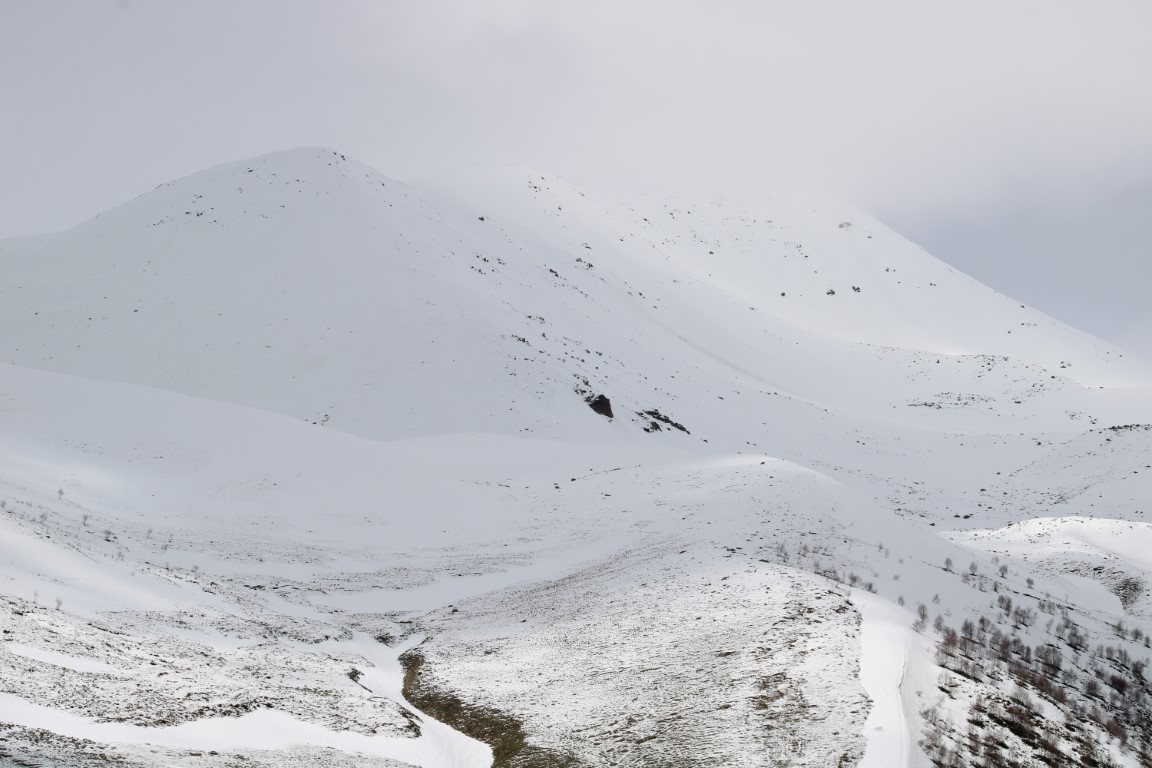
      Silent, and soft, and slow
      Descends the snow.

Even as our cloudy fancies take
   Suddenly shape in some divine expression,
 Even as the troubled heart doth make
   In the white countenance confession,
      The troubled sky reveals
      The grief it feels.

This is the poem of the air,
   Slowly in silent syllables recorded;
 This is the secret of despair,
   Long in its cloudy bosom hoarded,
      Now whispered and revealed
      To wood and field.
Much Madness is divinest Sense --
   To a discerning Eye --
 Much Sense -- the starkest Madness --
   'Tis the Majority
 In this, as all, prevail --
 Assent -- and you are sane --
 Demur -- you're straightway dangerous --
   And handled with a Chain --