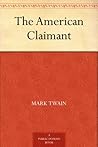
BOOK: “The American Claimant” by Mark Twain

The American ClaimantThe American Claimant by Mark Twain
My rating: 5 of 5 stars

Free at Project Gutenberg

This is one of Twain’s lesser-known books, but it’s not for lack of Twain’s signature humor and cleverness. Like “A Connecticut Yankee in King Arthur’s Court” it shines a light (often satirically) on what it means to be American via a fish-out-of-water storyline. In this case, there is no “magic teleportation” of a character to an alternate world. Here, a progressive British aristocrat ends up in working class America, while a flighty American who dabbles in get-rich-quick schemes — Mulberry Sellers (the titular “American Claimant”) — ends up playing at being an aristocrat, but in America.

As the book highlights the difference between class-conscious Britain and egalitarian America, it shows that deep down America isn’t always as egalitarian as it projects to be. This insight is largely conveyed through the experience of “Howard Tracy” (the pseudonym of Viscount Berkeley, the progressive aristocrat who gives up his title to assume an identity in blue-collar America, only to find that it is not the utopia of equality he’d come to believe it to be.)

If you enjoy humorous stories, I’d highly recommend this book. It may take a moment to get into the story, but — ultimately — it’s an enjoyable read.

View all my reviews

BOOK: “How to be an Alien” by George Mikes

How to Be an Alien: A Handbook for Beginners and Advanced PupilsHow to Be an Alien: A Handbook for Beginners and Advanced Pupils by George Mikes
My rating: 5 of 5 stars

Publisher Site – Penguin

This book is hilarious… unless you’re British — in which case it probably reads like a swift kick in the crotch. Well, if you’re from continental Europe, many of the comparisons with Britian are no more favorable to Europe and are just as comically searing. But if you’re American, it’s a laugh riot. Well, except for when it delivers reminders of the absurdity of xenophobia, triggering realizations that one’s own country is in the midst of a crisis of that malady. However, the book is not primarily a rebuke of xenophobia, but rather an accounting of what immigrants to Britain find strange and unwieldy about their new country.

George Mikes, born Mikes György, was a journalist and humorist of Hungarian birth who lived most of his life in England, and it’s this experience that the author draws upon to describe of what immigrants to Britain must accustom themselves.

Among Mikes’ prolific body of writings, there are a number that take this form — humor disguised as a how-to guide. The first one that I read was How to Be God, which was his last such book. The book under review was his first and continues to be the most popular.

I’d highly recommend this book for humor readers… unless you’re British… or European… or are experiencing dread over the Pheonix-like rebirth of xenophobia in the world. If there’s any one left after that who reads in English, this is the book for you.

View all my reviews

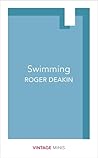
BOOKS: “Swimming” by Roger Deakin

Swimming: Vintage MinisSwimming: Vintage Minis by Roger Deakin
My rating: 5 of 5 stars

Publisher Site – Vintage Minis

This book contains a collection of excerpts from the book Waterlog by Roger Deakin. It’s one volume from a series of short books that contain essays, stories, poems, or book excerpts that is put out by Penguin under the imprint “Vintage Minis.” The book describes the author’s experiences of wild swimming throughout Britain. The description of nature and of the exhilarating experience of wild swimming are beautifully composed, and it’s an all-around pleasant read.

If you’re interested in wild swimming, I’d recommend this book.

View all my reviews

BOOKS: “Smoke and Ashes” by Amitav Ghosh

Smoke and Ashes: A Writer's Journey through Opium's Hidden HistoriesSmoke and Ashes: A Writer’s Journey through Opium’s Hidden Histories by Amitav Ghosh
My rating: 5 of 5 stars

Amazon.in Page

Release Date: February 15, 2024 [NOTE: for this edition; the book is already out in some markets in some additions.]

Ghosh has written a fascinating exploration of the profound global consequences of that pretty red flower, the opium poppy. I find the events surrounding the Opium Wars to be among the most incredible stories humanity has written. It is mind-blowing that a substance could be so utterly addictive as to spur wars and global social and economic upheavals. That substance is, of course, tea. Ah, you thought I was going to say opium (or its relative, heroin,) didn’t you? But while opium is fantastically addictive, its addicts were by-and-large in peaceful stupors in (or on) their clouds during the time in question. It is the uppity Earl Grey addict who was draining Britain’s treasury of precious metals, and — as addicts do in their impoverished desperation — turned to dealing drugs.

There have been many books written on this subject, but Ghosh carves himself a niche. First, while accounts often focus tightly upon the central adversarial relationship of Britain versus China, Ghosh examines at leisure the roles of two lesser discussed players — India (not only as a subject of Great Britain but also as an autonomous actor) and America. The importance of India’s involvement, from being a major producer and processor of opium to sourcing the sepoys who actually fought the Opium Wars, has been largely ignored, and Ghosh helps to clear up distortions in the historical record. Second, the book investigates questions around America’s opioid crisis and what history can tell us about its drivers. In particular, what does the China’s explosion of addiction tell us about what might have spurred America’s crisis?

This is a readable and compelling nonfiction exploration of the influence of opium from a writer who has produced novels (e.g. the “Sea of Poppies” trilogy) set around these historical events.

I’d highly recommend this book for individuals interested in the influence of Opium, particularly if one is curious about how history relates to the recent crises and what role Indians and Americans played in events.

View all my reviews

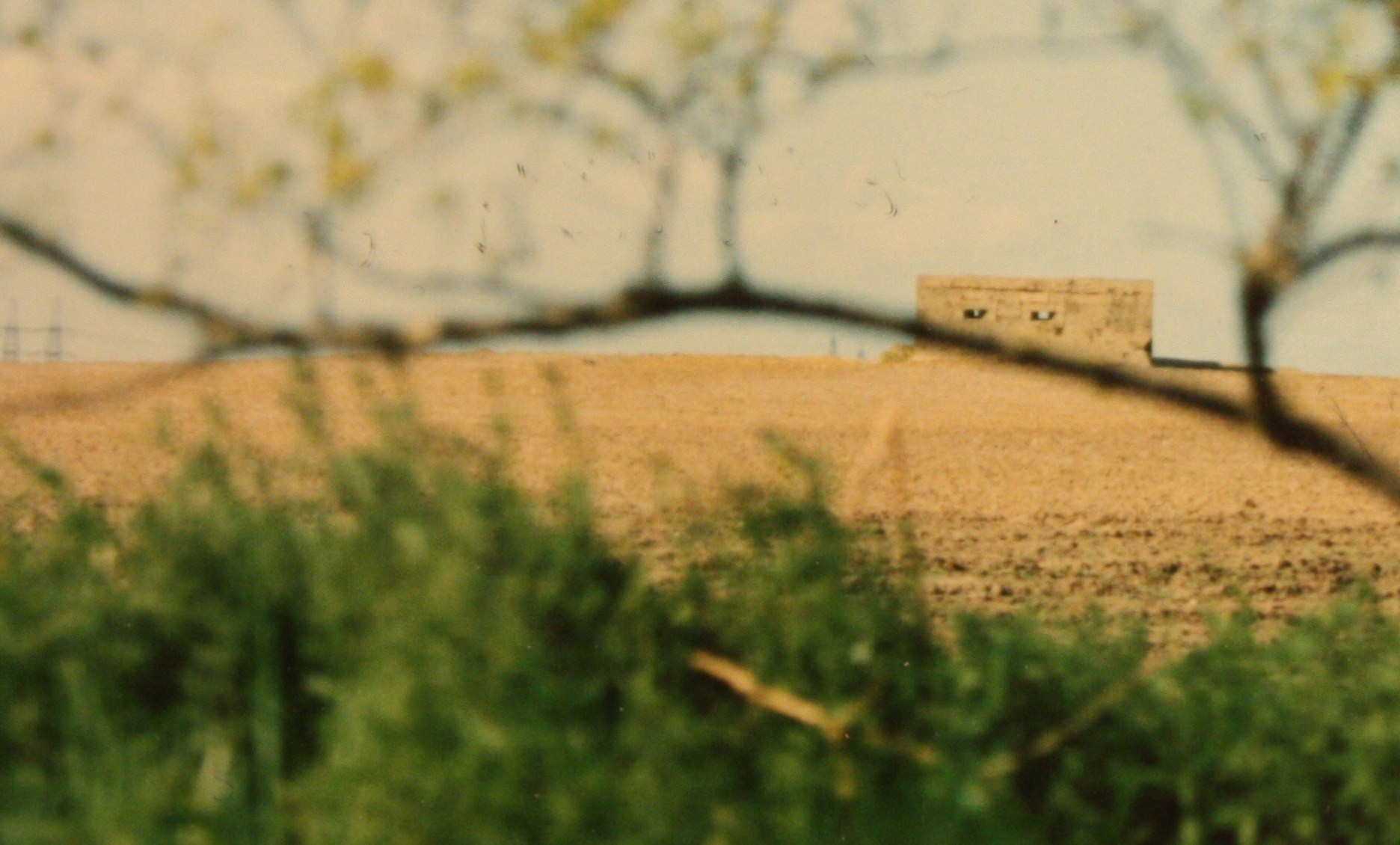
Pillbox Kitsch [Tanka]

what is this place,
 with its defensive bunkers
  on every rise?
 lasting vestiges of war,
  so unlike my childhood home.

BOOK REVIEW: Darjeeling by Jeff Koehler

Darjeeling: A History of the World's Greatest TeaDarjeeling: A History of the World’s Greatest Tea by Jeff Koehler
My rating: 5 of 5 stars

Amazon.in Page

As Bordeaux or Tokaj are to wine, Darjeeling is to tea, producing a quality beverage considered by many to be the best in the world. However, this isn’t merely the story of how this region of northern Bengal (or, alternatively, Gorkhaland) came to produce a unique kind of tea that would be sought-after around the world. It’s also a story of empire and how Britain’s insatiable demand for tea drove major developments in geopolitics. It’s yet further the story of recent troubled times of Darjeeling tea, from labor shortages to environmental degradation, and what tea estates have done to adapt – from management / organization changes to organic production techniques.

Lessons in the history and geography of tea may seem niche and uninteresting, but the story of tea is actually quite fascinating, involving Opium Wars, the Black Hole of Calcutta, and an industry shakeup resulting from India’s independence.

I found this book compelling, and thought it did a good job of zooming in and out between local and global (and past to present) to maintain the interest of a diverse readership. Whether the book is exploring attempts to transplant tea shrubs and expertise from China or the changing customer base for Darjeeling tea, it’s an engaging and thought-provoking story. If you’re interested in tea, world history, or agribusiness, you’ll likely find something in this book to hold your attention.


View all my reviews