DAILY PHOTO: Sloth Bear

Taken in September near Chitradurga

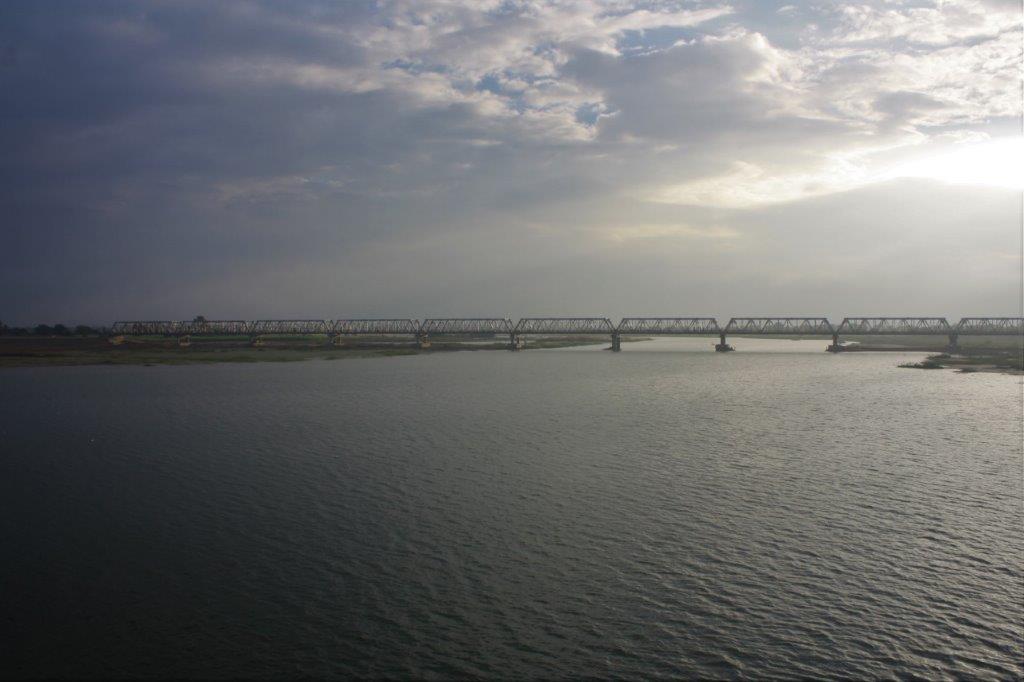
DAILY PHOTO: Umiew River

Taken in April of 2017 on the David Scott Trail

BOOK REVIEW: Friday, Book One: The First Day of Christmas by Ed Brubaker

Friday, Volume 1Friday, Volume 1 by Ed Brubaker
My rating: 4 of 5 stars

Amazon.in Page

Out: November 9, 2021

I was loving everything about this book until (the very big issue of) its failure to provide any conclusion or resolution. Imagine watching a two-hour movie, and at the one hour and forty-two minute mark the screen goes blank, the lights come on, and the ushers start humming “…you don’t have to go home, but you can’t stay here…” I understand writers of serialized works need to leave a hook, but this is all hook and no itch gets scratched.

And it’s a shame because the art was beautiful and evocative, the setting was both warmly hometown and eerily odd, the character building was intriguing, and everything seemed to be clicking. The conflict level was compelling, and one could definitely get attached to this world and its characters, but then one gets cold water thrown in one’s face and is asked to leave.

I will tell you one thing about the book that’s magnificent and that’s…


View all my reviews

BOOK REVIEW: Introducing Political Philosophy: A Graphic Guide by Dave Robinson

Introducing Political Philosophy: A Graphic Guide (Introducing...)Introducing Political Philosophy: A Graphic Guide by Dave Robinson
My rating: 4 of 5 stars

Amazon.in Page

This book offers a concise overview of the philosophy of governance and political affairs. After a few pages that describe the domain of political philosophy and the questions that guide it, the book takes a chronological approach to exploring the shifting landscape of political philosophy from Ancient Greece through the Postmodernist schools of thought. Along the way, it presents the ideas that have undergirded a range of forms of governance from anarchy to authoritarianism.

Political philosophy hinges on a number of key questions, such as: Is man fundamentally good or evil? [the Hobbes – Locke debate] What rights do individuals have? What makes a government legitimate? There is widespread agreement that societies need some form of governance to avoid devolving into Mad Maxian wastelands. However, any power that a leader or government has to govern inherently restricts the freedom of other entities (i.e. individuals, businesses, organizations, etc.) Attempts to think through how this dilemma can best be managed have resulted in a huge and longstanding body of philosophical thinking.

Furthermore, there is no indication that these questions will resolve themselves in a consensus agreement about what kind of governance (or lack thereof,) is best. While democracy, rule of law, protection of minority rights, and a strict limitation of the State’s monopoly on use of force have gained widespread following across an increasing number of nations, those ideas haven’t ended the debate altogether.

I found this to be a fine overview of the subject. As with other books in the series, it uses short sections and cartoon graphics to make the material readily digestible. It’s highly readable and well-organized.


View all my reviews

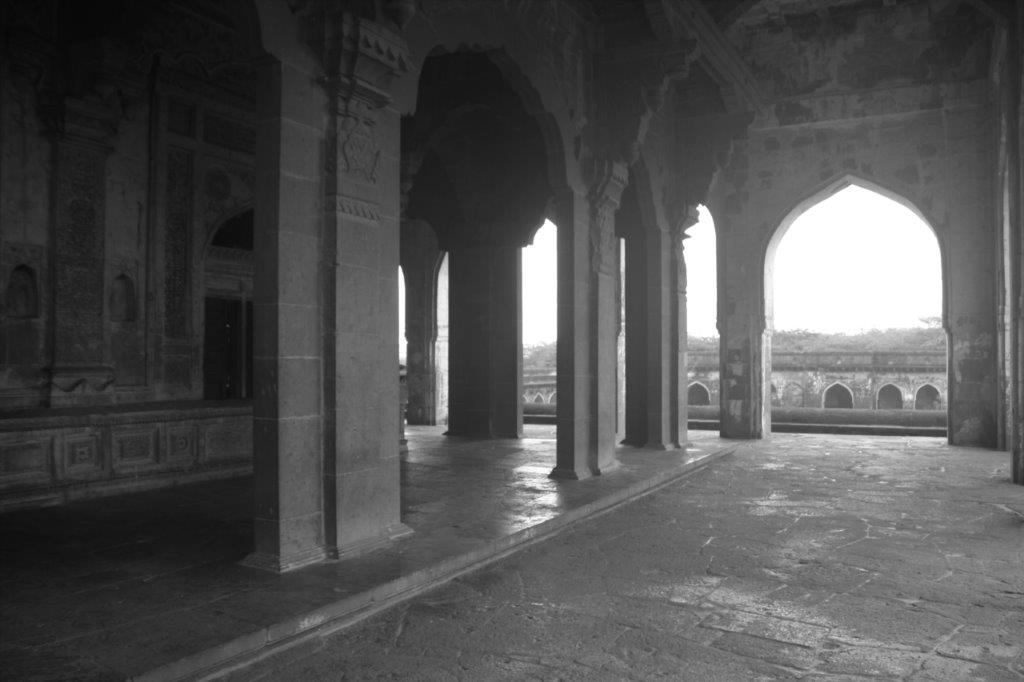
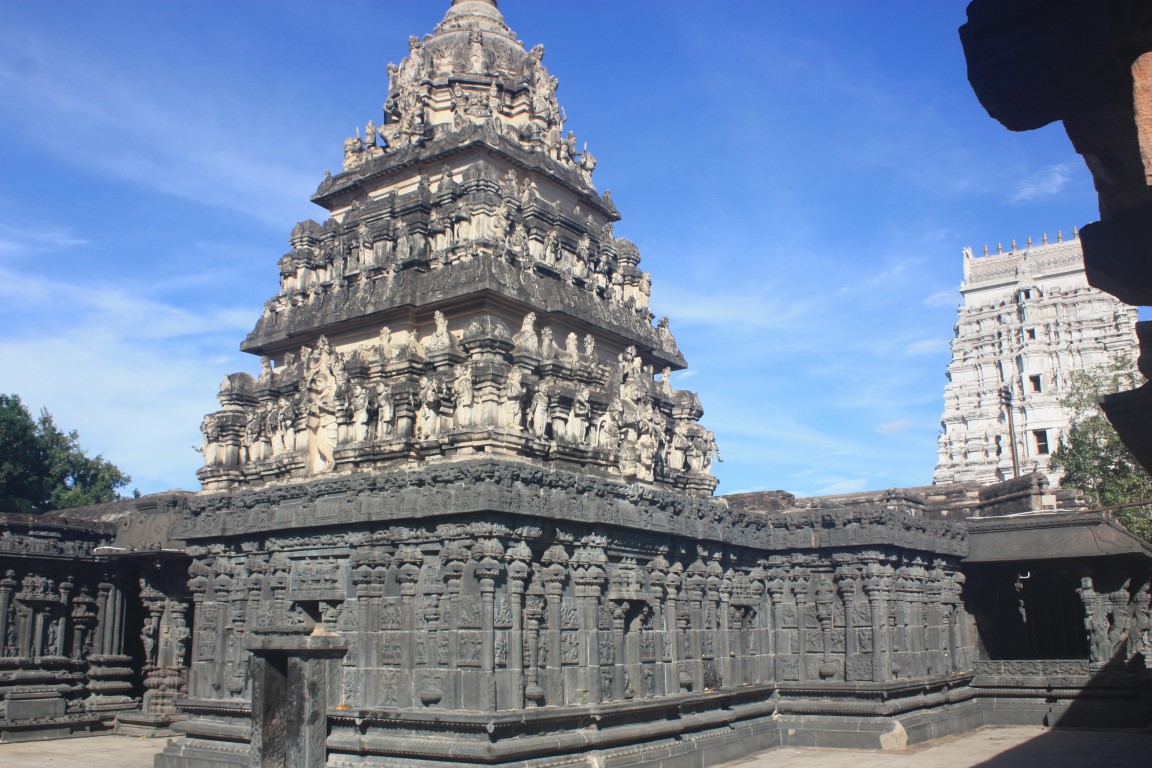
DAILY PHOTO: Chitradurga Below

Banashankari Temple; Taken on September 11, 2021 at Chitradurga Fort
Gunpowder Mill
Stepwell

BOOK REVIEW: Socrates: A Very Short Introduction by C.C.W. Taylor

Socrates: A Very Short IntroductionSocrates: A Very Short Introduction by C.C.W. Taylor
My rating: 5 of 5 Stars

Amazon.in Page

In Plato’s Socratic dialogues, Socrates is forever challenging sophists and others who propose to know what virtues are while they are demonstrably unable to define or delineate them. I wonder how he would have felt about being one of the foremost examples of a person that people firmly believe they know, when there is good reason to believe that much of what we know is false. Socrates is described in comedic plays like Clouds by Aristophanes, but those descriptions are written for comedic effect. There is a large body of works by Plato describing Socrates’ philosophical jousts, but it seems clear that some of these writings reflect Plato’s views which may or may not have been shared by Socrates. There are a few matters of official records, and numerous isolated mentions from people who either loved or loathed Socrates (loving and loathing not being states conducive to accurate reporting.)

This book attempts to concisely review what is known about Socrates and his philosophy, what is myth, and what can, at best, be regarded as the features of a fictional Socrates. The book starts with a chapter on Socrates’ life and what is widely believed true about his biography. Then the book outlines the body of writings that discuss and describe Socrates, particularly those of Plato, Xenophon, and Aristotle. Next there is a chapter that explores the philosophy Plato’s Socrates, a fictional construct partially based on the man and partly shaped by his student’s views. The last two chapters discuss the legacy of Socrates (real and mythical) in philosophy and culture.

There is a Further Reading section at the end to give the reader some sources to continue their investigations. I found this to be a fine overview, well-organized, and readable. It will be more useful to those who read Plato, and relevant works of Xenophon.

View all my reviews

BOOK REVIEW: Henry VIII by William Shakespeare

King Henry VIIIKing Henry VIII by William Shakespeare
My rating: 5 of 5 stars

Amazon.in Page

This play takes place over a period of time, for want of a better measure, straddling the first two [of six] marriages of Henry VIII. It doesn’t reach the ill-fated end of Anne Boleyn, but rather finishes with the baptism of the girl child she birthed [Elizabeth, who will later be Queen.] [Of course, the failure to produce a male child was the downfall of Katherine of Aragon’s Queenship, so the birth of Elizabeth doesn’t bode well.]

In as much as a history has a theme, this one would be the conflict between the aristocracy and the clergy. This is first, and most extensively, seen through the rise and fall of Cardinal Wolsey, who wins the favor of the King in the Cardinal’s conflict with the Duke of Buckingham, but later Wolsey gets ousted after an aristocratic cabal diverts the Cardinal’s mail to the King. Henry discovers that Wolsey has recommended denial of an annulment of Henry’s marriage to Katherine, despite the fact that Wolsey was telling the King to his face that the marriage’s end had his endorsement. Later, we find aristocrats (the King’s Council) taking on the Archbishop of Canterbury, Cranmer, but Henry sides with the Archbishop as he once had with Wolsey.

The play’s major events are the execution of Buckingham, the divorce from Katherine, the marriage to Anne Boleyn, and the birth of Elizabeth.

This isn’t the most compelling of the Shakespearean histories, but it does have its intrigues. No doubt it would be a bolder play in the absence of the authoritarian nature of monarchy, but it’s still worth reading.

View all my reviews

DAILY PHOTO: Chinese Gates in the Chinese Garden, Rizal Park

Taken in December of 2017 in Manila