Amazon.in Page
Drawing from 70 years of stories, this collection of issues involving the Penguin as Batman’s villain du jour really shows the shifting landscape of comic books over the decades. In the early issues, written with a young audience in mind, the Penguin is a skillful thief, but also kind of goofy, camp, and with not really much menace. By the last issue included, we see the hard edge of psychopathy and the gross deformity of this classic villain.
I was pleasantly surprised with this collection. Often these cobbled together comic collections lack coherent storytelling and feel as cheap and lazy as a sitcom clip show, but this volume shows several satisfying story arcs, and — while there is no overarching arc — it makes for a satisfying read.
I enjoyed reading this collection and seeing, through it, the evolution of comic books.
There once was a purveyor of fine cheese
 who liked 'em runny and stinky as you please.
   Limburger and Camembert
   hung pungent in the air.
 He built a drive-thru, snarky patrons, to appease.
From one thousand mountains, birds have vanished.
 Over ten-thousand paths, not one footprint.
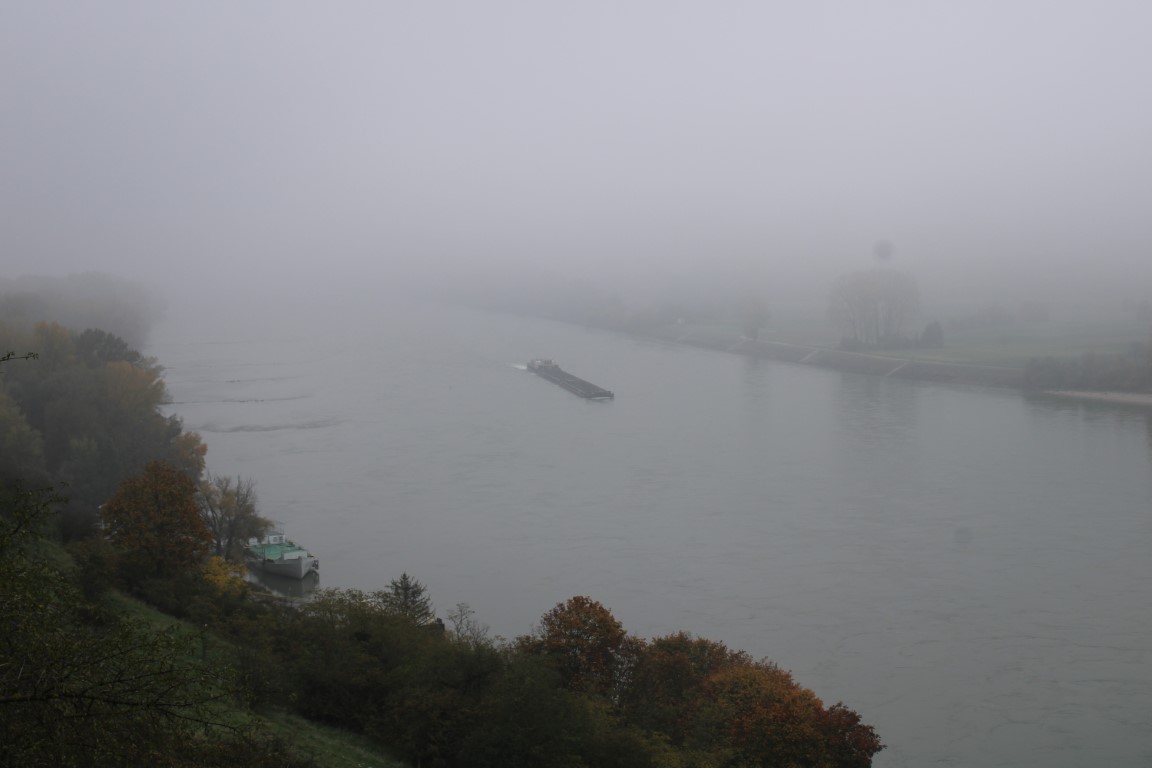
 A lone boat, an old man in coarse cloak and hat:
 Just he, fishing in the cold, river snow.
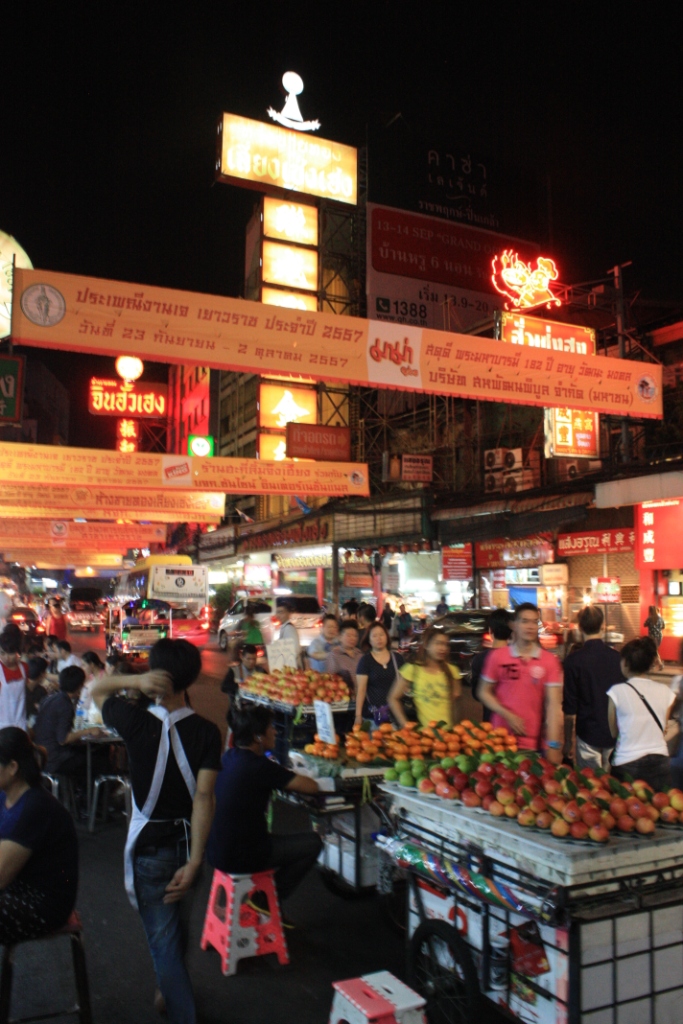
The condensed version is, I’m fine with it. As a traveler, I try to eat mostly things locals eat. While I don’t go to great effort or expense to sample the most rare and exotic foods, I’ve eaten snake in China, croc in Zambia, horse in Kyrgyzstan, and guinea pig in Peru. Anything that regular people eat where I’m visiting is fair game. [That is part of the process of breaking down the invisible barriers between us’s and them’s so as to not enter into the interaction with a feeling of superiority because: “my arbitrary cultural conventions are better than your arbitrary cultural conventions.”]
I do believe that everyone would be better off if they were closer to [i.e. more intimately familiar with] the source of their food. I feel this of myself as well, though I did have the benefit of growing up on a small farm and seeing at close range the origins of food and how life moves on to being food. (By different mechanisms [hopefully — #SoylentGreenIsPeople,] it’s a process that I am fully aware will apply to me, as well. Ultimately, nothing living gets out of this world without being transformed through a process of being food. In my case –probably — I’ll be food to bacteria and fungi, but if I have a good run and am eaten by a tiger or wild dogs, I’d not begrudge them the meal.)
In fact, as I’ve learned more about how plants and trees live, e.g. sending warning pheromone signals to neighboring trees when under attack by insects, I’ve come to see the logic by which people determine what life is edible and what isn’t as mere species-chauvinism and anthropomorphizing. It is true that there are excellent points about the environmental benefits of some form of vegetarian diet. However, when one starts to talk to environmental vegetarians about eating insects (one of the most sustainable protein sources available, supposedly,) many will shove their fingers in their ears and sing, “La-la-La-la, I don’t want to hear this.”

 Batman Arkham: Penguin by Bill Finger