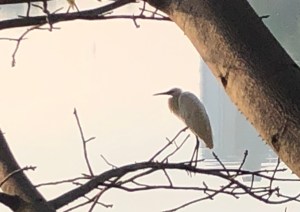
an egret peers
 into the lake, past
  surface reflections?


I knew a simple soldier boy
 Who grinned at life in empty joy,
 Slept soundly through the lonesome dark,
 And whistled early with the lark.

In winter trenches, cowed and glum,
 With crumps and lice and lack of rum,
 He put a bullet through his brain.
 No one spoke of him again.

You smug-faced crowds with kindling eye
 Who cheer when soldier lads march by,
 Sneak home and pray you'll never know
 The hell where youth and laughter go.
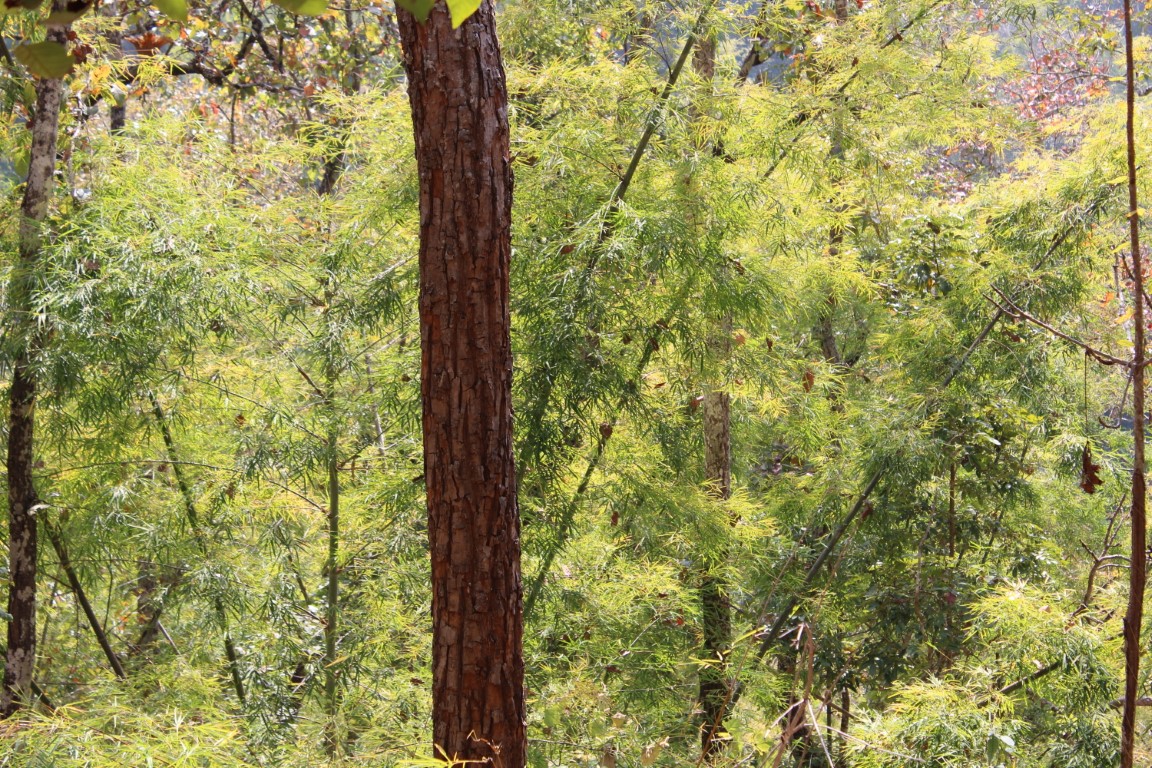
When early morning sunlight warms
     The vibrant lakeside greenery,
 All of those cave-like lakeside trails
    turn psychedelic scenery.

 The leaves become so translucent
    Butterfly and bee silhouettes
 Stretch out at distorted angles --
    Beasts beyond being caught with nets.

  Despite being sober and fresh
    The mind reels or seeks to reset.
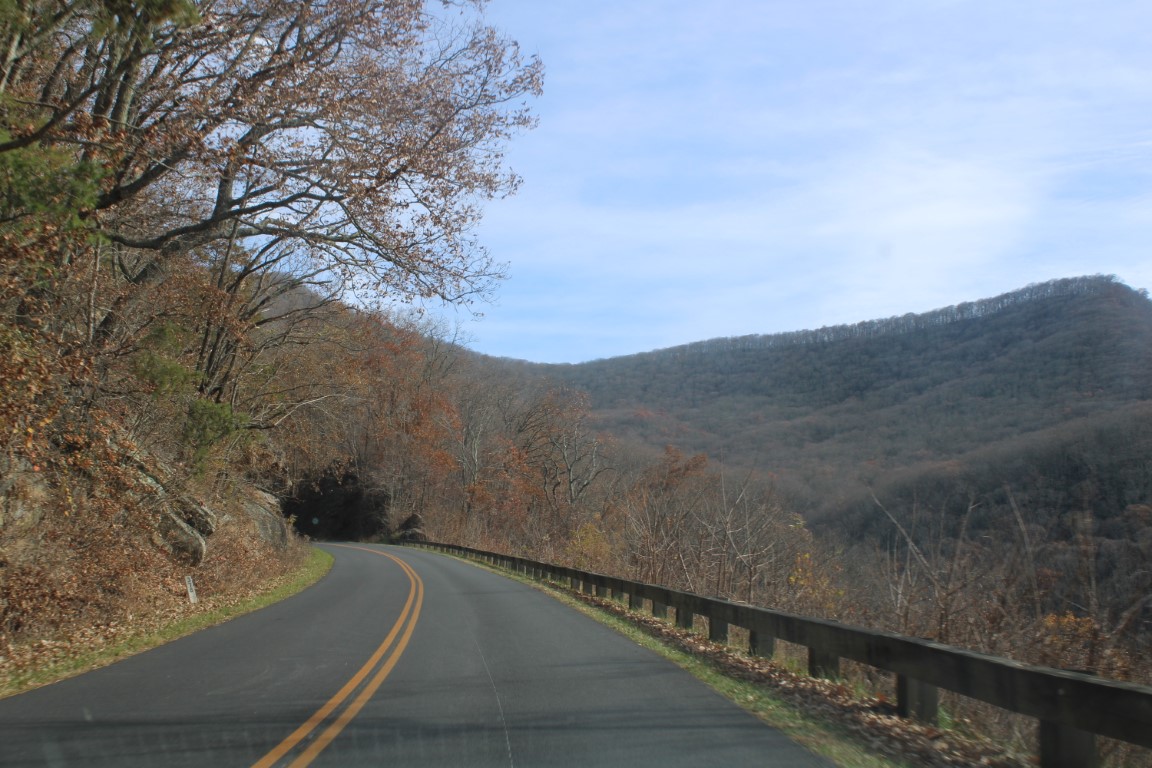
A culture is a vehicle
     we use to move
       through
     this world.

And like all vehicles -
     be it truck or bus -
          it
     has blindspots.

Everyone in a given
     vehicle has the same
          blindspots...

That's why we travel.

budding limbs:
 vibrant growth unseen from
  the city beyond.
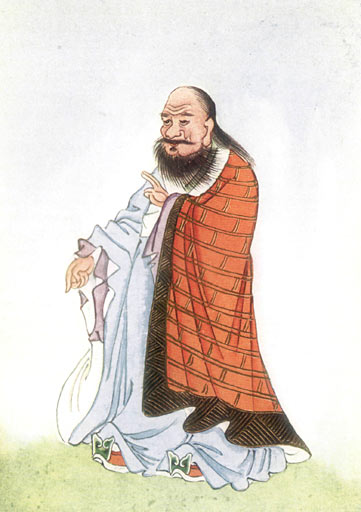
"The ignorant speak, while the wise keep silent."
 I read the words of Laozi.
 But if Laozi knew the Way,
 Why did he write those five thousand characters?

wildflowers sway
 over the creek's cool water,
  stirred by thermals.
I shall die, but
   that is all that I shall do for Death.
 I hear him leading his horse out of the stall;
 I hear the clatter on the barn-floor.
 He is in haste; he has business in Cuba,
   business in the Balkans, many calls to make this morning.
 But I will not hold the bridle
   while he clinches the girth.
 And he may mount by himself:
 I will not give him a leg up.

Though he flick my shoulders with his whip,
   I will not tell him which way the fox ran.
 With his hoof on my breast, I will not tell him where
   the black boy hides in the swamp.
 I shall, die, but that is all that I shall do for Death;
  I am not on his pay-roll.

I will not tell him the whereabout of my friends
   nor of my enemies either.
 Though he promise me much,
   I will not map him the route to any man's door.
 Am I a spy in the land of the living,
   that I should deliver men to Death?
Brother, the password and the plans of our city
  are safe with me; never through me Shall you be overcome.

swamphens strut
 at water’s edge, and
  i’m a farmboy again.

late afternoon sun
 catches yellow bloom clusters:
  the day’s last hurrah.


