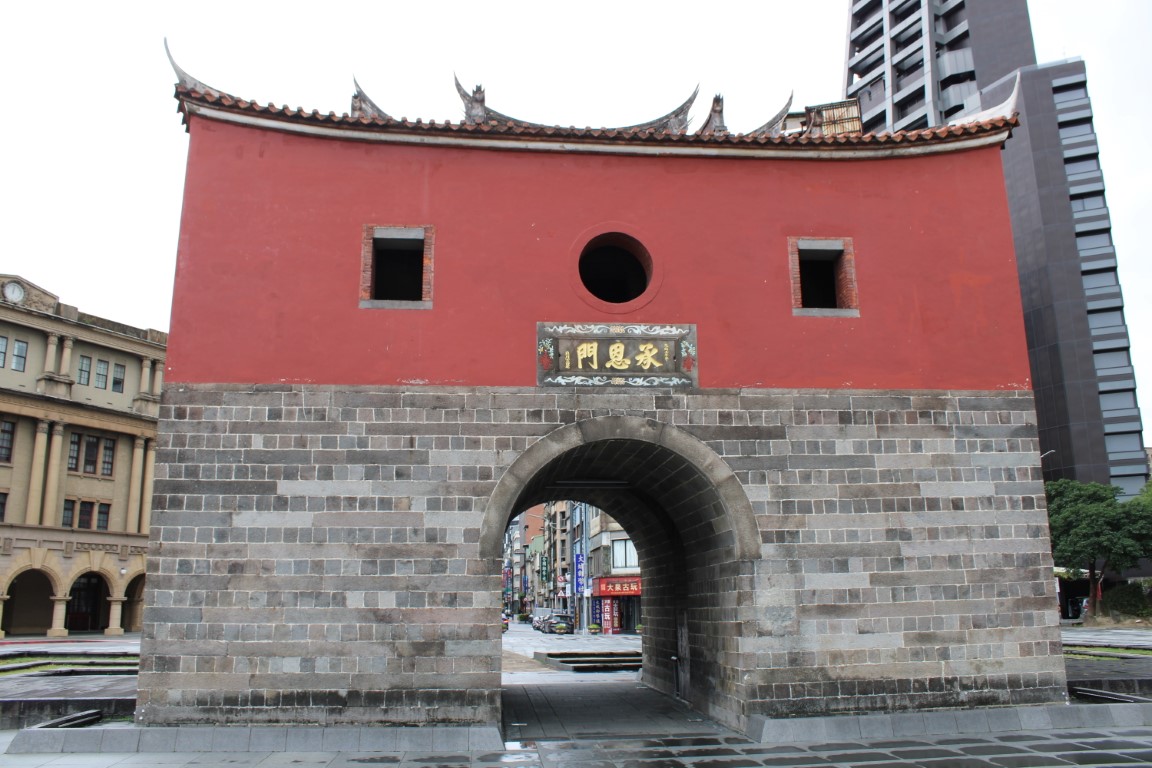
Gates remain
 long after the walls
    have fallen.

People pass through
 when they could just
    go around.

There's something to
 treading the path
    of ancestors,

Or maybe they just crave
 the claustrophobic
    squeeze.

Gates remain
long after the walls
have fallen.
People pass through
when they could just
go around.
There's something to
treading the path
of ancestors,
Or maybe they just crave
the claustrophobic
squeeze.

I leant upon a coppice gate
 When Frost was spectre-grey,
 And Winter's dregs made desolate
 The weakening eye of day.
 The tangled bine-stems scored the sky
 Like strings of broken lyres,
 And all mankind that haunted nigh
 Had sought their household fires.

The land's sharp features seemed to be
 The Century's corpse outleant,
 His crypt the cloudy canopy,
 The wind his death-lament.
 The ancient pulse of germ and birth
 Was shrunken hard and dry,
 And every spirit upon earth
 Seemed fervourless as I.

At once a voice arose among
 The bleak twigs overhead
 In a full-hearted evensong
 Of joy illimited;
 An aged thrush, frail, gaunt, and small,
 In blast-beruffled plume,
 Had chosen thus to fling his soul
 Upon the growing gloom.

So little cause for carolings
 Of such ecstatic sound
 Was written in terrestrial things
 Afar or nigh around,
 That I could think there trembled through
 His happy good-night air
 Some blessed Hope, whereof he knew
 And I was unaware.
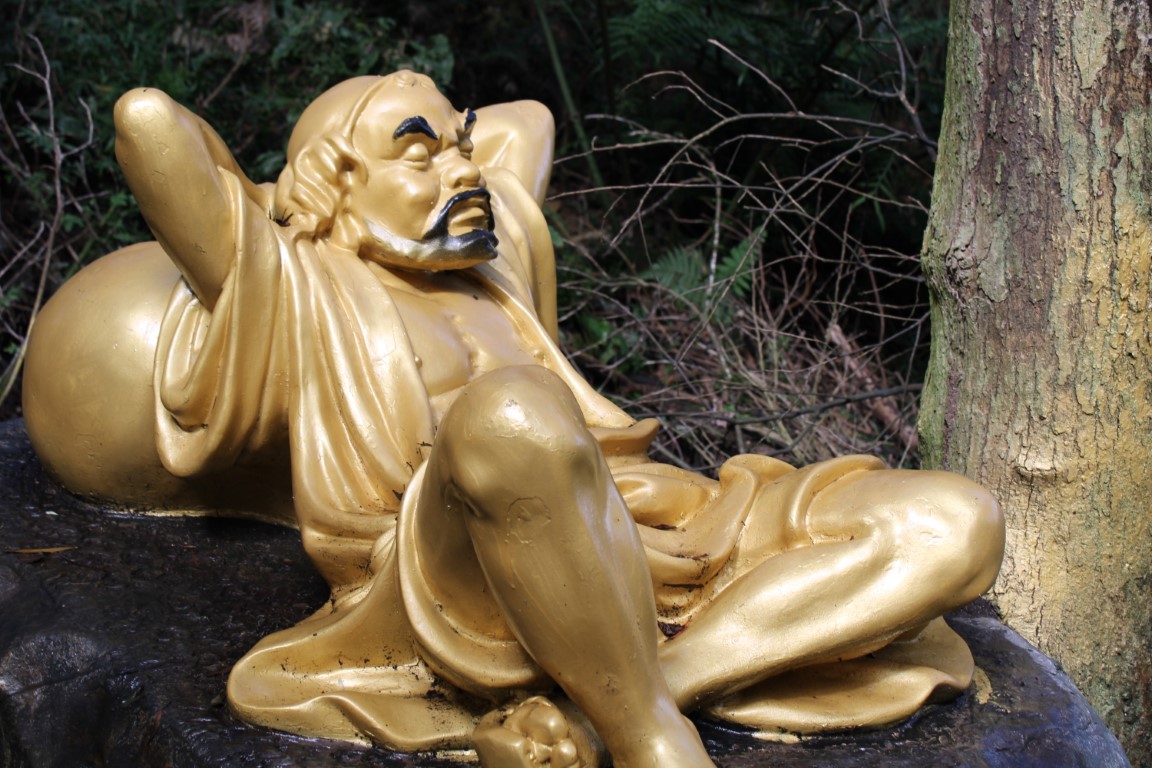
where drunken immortals
 are role models, one must
 expect the odd dragon.
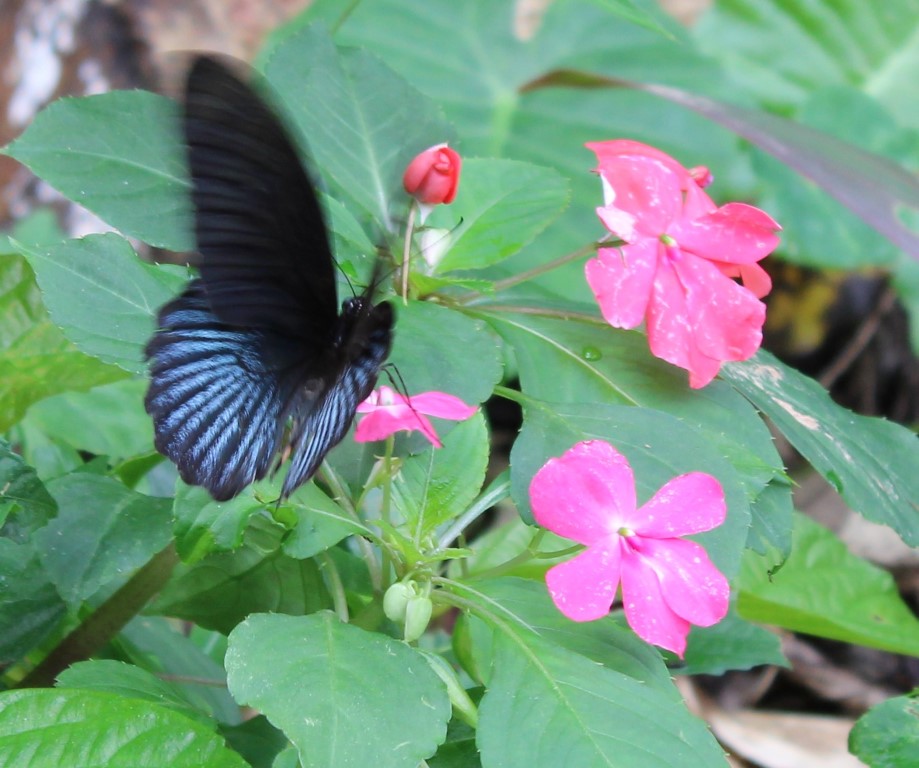
a butterfly flits
 over blooms: a connoisseur
 not deigning to land.
A narrow Fellow in the Grass
 Occasionally rides --
 You may have met him? Did you not
 His notice instant is --

The Grass divides as with a Comb,
 A spotted Shaft is seen,
 And then it closes at your Feet
 And opens further on --

He likes a Boggy Acre --
 A Floor too cool for Corn --
 But when a Boy and Barefoot
 I more than once at Noon

Have passed I thought a Whip Lash
 Unbraiding in the Sun
 When stooping to secure it
 It wrinkled And was gone --

Several of Nature's People
 I know, and they know me
 I feel for them a transport
 Of Cordiality

But never met this Fellow
 Attended or alone
 Without at tighter Breathing
 And Zero at the Bone.
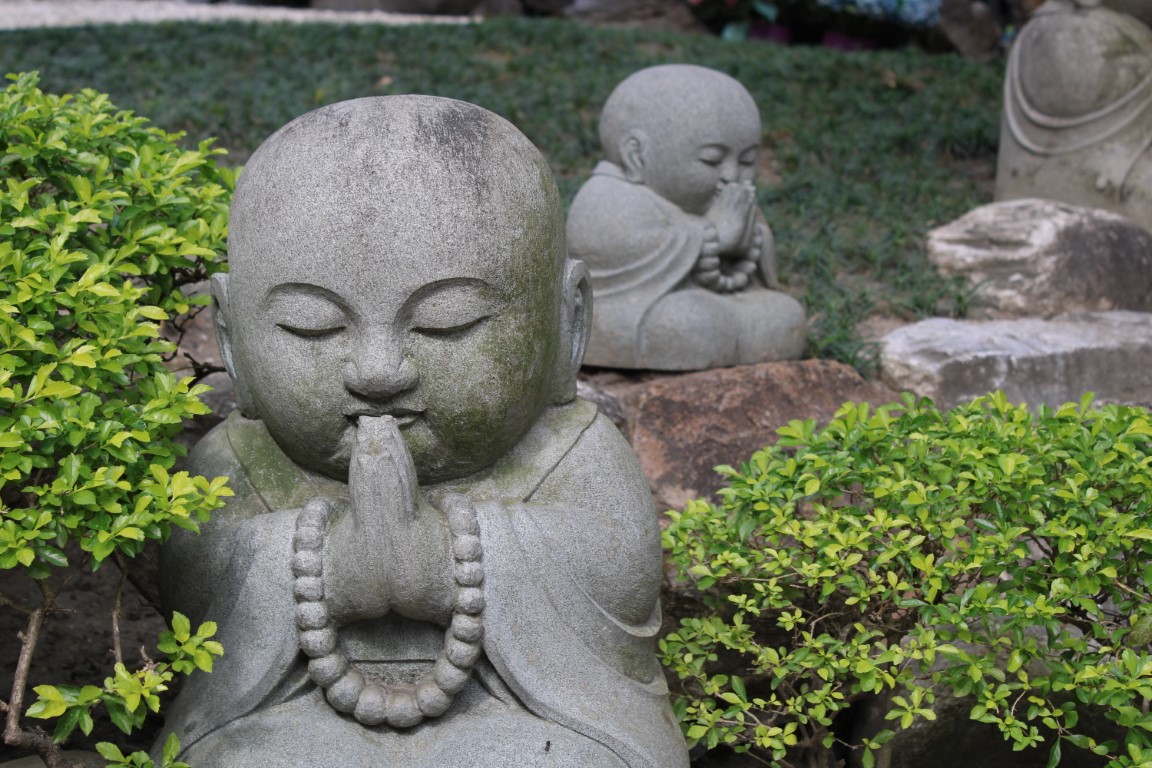
I see those serene figures sit
 amid Zen Garden evergreens.
 Like Benkei, they don't move a whit,
 Their minds are free of thoughts & dreams.

The moss is growing on them, now,
 and birds have left their fecal splat.
 Don't envy how they've found the Dao,
 but how they have no need of hats.
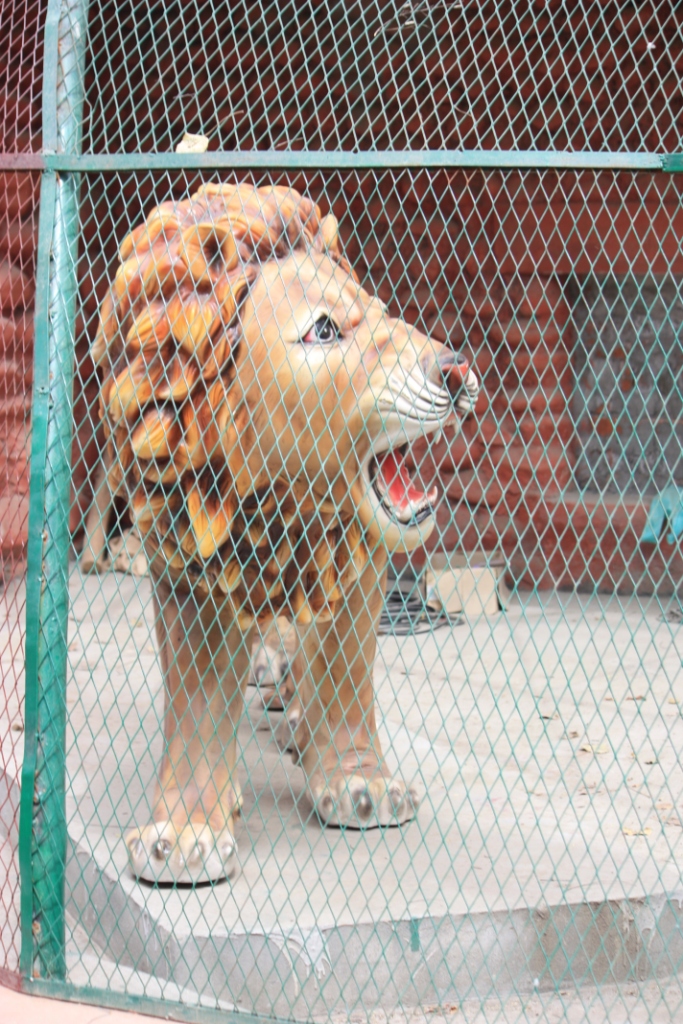
They in their cruel traps, and we in ours,
 Survey each other's rage, and pass the hours
 Commiserating each the other's woe,
 To mitigate his own pain's fiery glow.
 Man could but little proffer in exchange
 Save that his cages have a larger range.
 That lion with his lordly, untamed heart
 Has in some man his human counterpart,
 Some lofty soul in dreams and visions wrapped,
 But in the stifling flesh securely trapped.
 Guant eagle whose raw pinions stain the bars
 That prison you, so men cry for the stars!
 Some delve down like the mole far underground,
 (Their nature is to burrow, not to bound),
 Some, like the snake, with changeless slothful eye,
 Stir not, but sleep and smoulder where they lie.
 Who is most wretched, these caged ones, or we,
 Caught in a vastness beyond our sight to see?

the mountain trail rounds
 from shady to sunny side,
  where caves line the path.
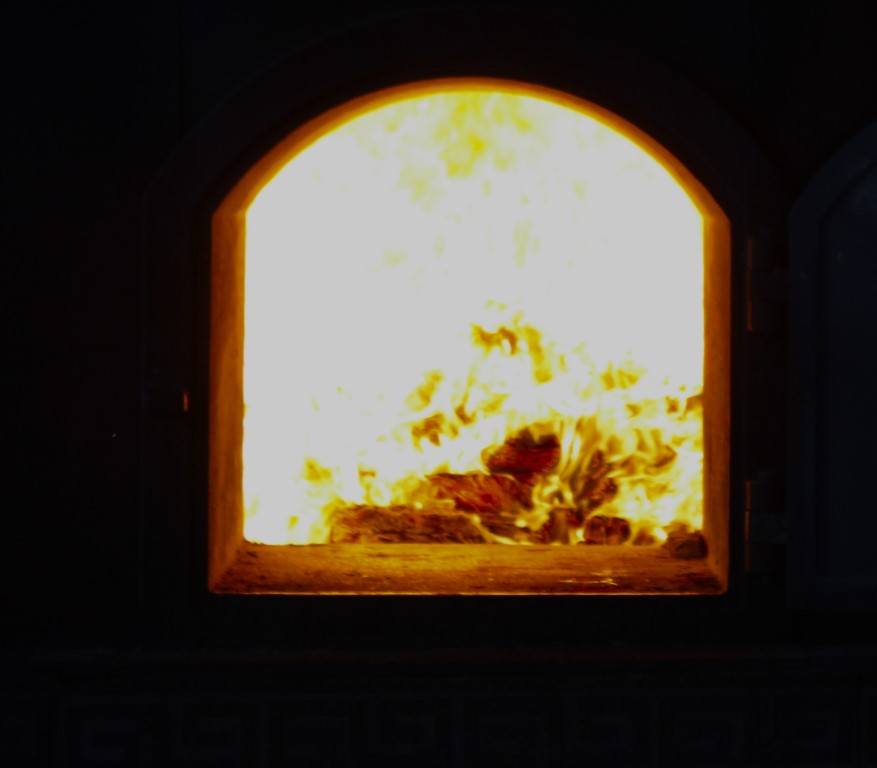
It was a dreary winter day;
 The world was cold, monotone gray.
 But then, I caught a hint of heat:
 Felt on my face, not on my feet.

A furnace burned in a dark place.
 I felt it flush my frigid face --
 Frigid once, but not any more
 I stood inside that foundry's door.

The orange glow danced on my face.
 It must have shown demon's disgrace.
 Like a poor creature lit on fire,
 Or the living dead on a pyre.

Cold as the day and my feet were,
 I heard a voice - just a whisper.
 "You must flee now, or you'll jump in,
 and they'll not find a fleck of shin."

Before me lies a mass of shapeless days,
 Unseparated atoms, and I must
 Sort them apart and live them. Sifted dust
 Covers the formless heap. Reprieves, delays,
 There are none, ever. As a monk who prays
 The sliding beads asunder, so I thrust
 Each tasteless particle aside, and just
 Begin again the task which never stays.
 And I have known a glory of great suns.
 When days flashed by, pulsing with joy and fire!
 Drunk bubbled wine in goblets of desire,
 And felt the whipped blood laughing as it runs!
 Split is that liquor, my too hasty hand
 Threw down the cup, and did not understand.


