“Dreamland” by Lewis Carroll [w/ Audio]

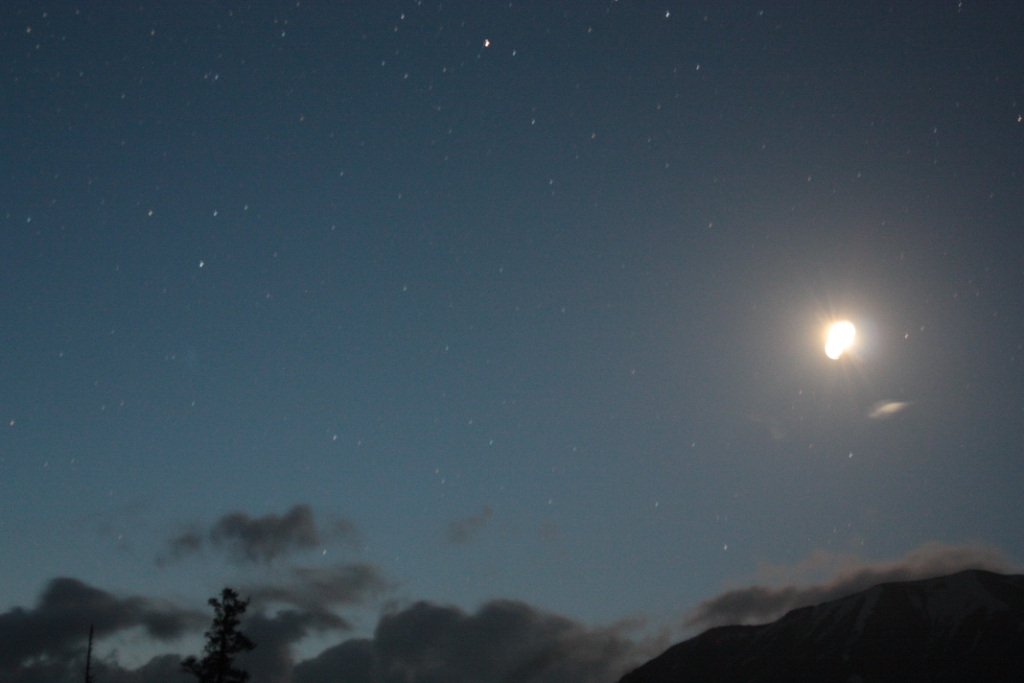
When midnight mists are creeping,
And all the land is sleeping,
Around me tread the mighty dead,
And slowly pass away.

Lo, warriors, saints, and sages,
From out the vanished ages,
With solemn pace and reverend face
Appear and pass away.

The blaze of noonday splendour,
The twilight soft and tender,
May charm the eye: yet they shall die,
Shall die and pass away.

But here, in Dreamland's centre,
No spoiler's hand may enter,
These visions fair, this radiance rare,
Shall never pass away.

I see the shadows falling,
The forms of old recalling;
Around me tread the mighty dead,
And slowly pass away.

Heed the Grass [Senryū]

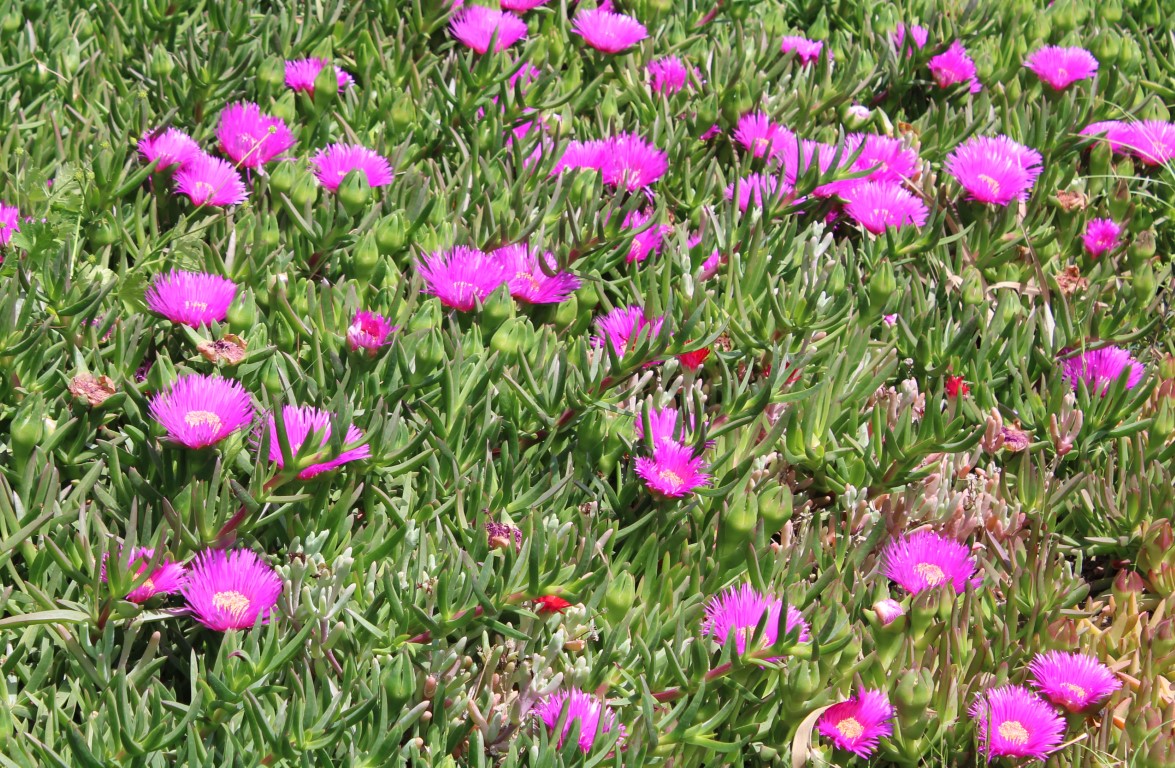
the lawn blossoms:
attracting minds that never
paid heed the grass.

“Cleansed” [Poetry Style #7] by Sikong Tu [w/ Audio]

It's as if ones gone mining --
From lead, silver refining.
That's how one cleanses a heart:
With pure love, not pining.

Like a pond from Spring rainfall:
Mirror to heavens and all,
Without defect of image --
True as the moon's bright, white ball.

Stargazing across night skies;
Singing songs of hermits, wise;
The water flowing today
Will know that bright moonrise.

NOTE: The late Tang Dynasty poet, Sikong Tu (a.k.a. Ssŭ-k‘ung T‘u,) wrote an ars poetica entitled Twenty-Four Styles of Poetry. It presents twenty-four poems that are each in a different tone, reflecting varied concepts from Taoist philosophy and aesthetics. Above is a crude translation of the seventh of the twenty-four poems. This poem’s Chinese title is 洗炼, and it has been variously entitled: “Clean,” “Refining,” and “Wash — Smelt.”

Long Lost [Free Verse]

crumbled ruins: 
once a fine home,
occupants long gone

did their voices
resonate into stone,
trapping something
of their existence:
some subtle indication
that there was life here...

BOOKS: “The Song of Hiawatha” by Henry Wadsworth Longfellow

The Song of HiawathaThe Song of Hiawatha by Henry Wadsworth Longfellow
My rating: 5 of 5 stars

Project Gutenberg edition

This epic poem borrows from American Indian folklore and legend to build a fictional life story for the protagonist, Hiawatha. (There was an actual Hiawatha, but his life story apparently in no way resembles that of Longfellow’s Hiawatha, which is good because the fictional one had to deal with ghosts, tricksters, and deities.) The poem is part hero’s trials, part love story, and part tale of the supernatural, blending real world type tragedy with an otherworldly form.

The choice of trochaic tetrameter makes the poem rhythmically readable, while evoking a drumming sound that contributes to atmospherics.

When the poem came out in the mid-19th century, it faced some controversy. It was claimed that it was a knock off of the Kalevala of Finland. Longfellow’s reply was that he was influenced by that poem’s rhythm (the Kalevala is also trochaic,) but that all the plot events where from his conversations with American Indians and researchers, thereof, (or, presumably his own imagination,) and that any coincidence of events was owing to the broad brushstrokes of them both being heroic tales.

I enjoyed reading this poem and would highly recommend it for poetry readers and lovers of American Literature.


View all my reviews

“All overgrown by cunning moss,” (146) by Emily Dickinson [w/ Audio]

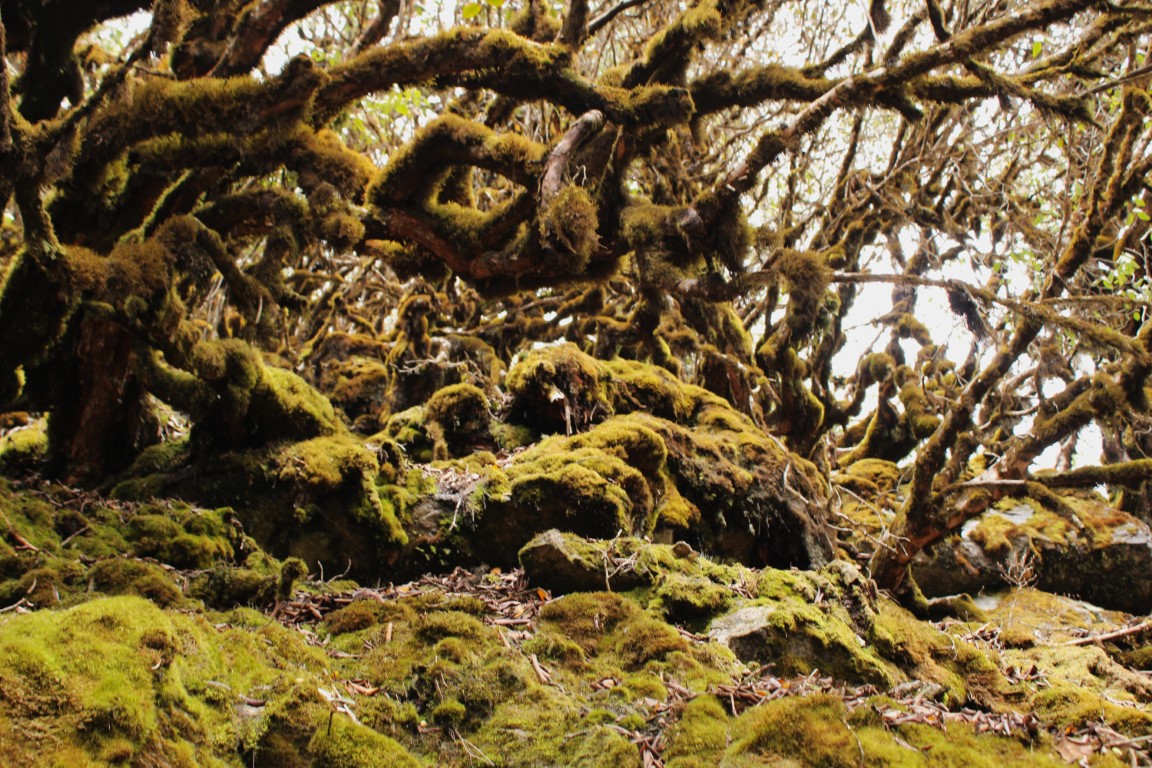
All overgrown by cunning moss,
All interspersed with weed,
The little cage of "Currer Bell"
In quiet "Haworth" laid.

This Bird -- observing others
When frosts too sharp became
Retire to other latitudes --
Quietly did the same --

But differed in returning --
Since Yorkshire hills are green --
Yet not in all the nests I meet --
Can Nightengale be seen --

After the Flood [Haiku]

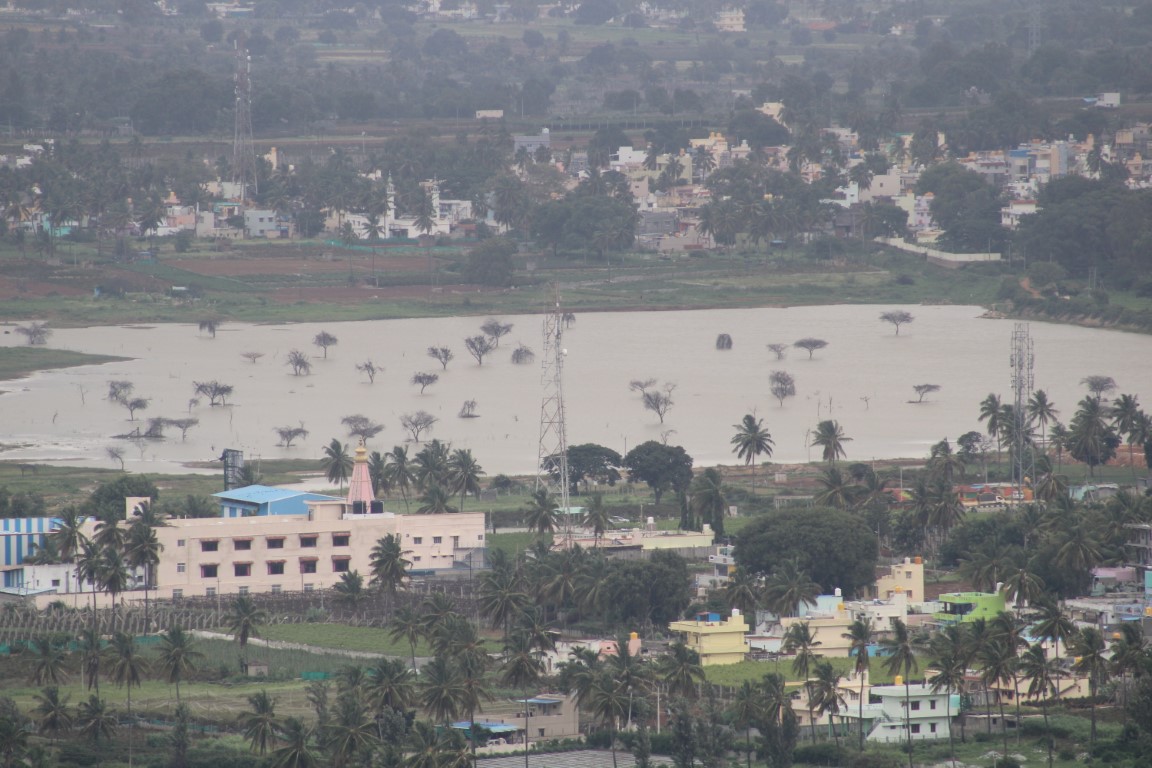
after the flood,
a lake kills a grove
on its way out.

“Meditation” by Amy Lowell [w/ Audio]

A wise man,
Watching the stars pass across the sky,
Remarked:
In the upper air the fireflies move more slowly.

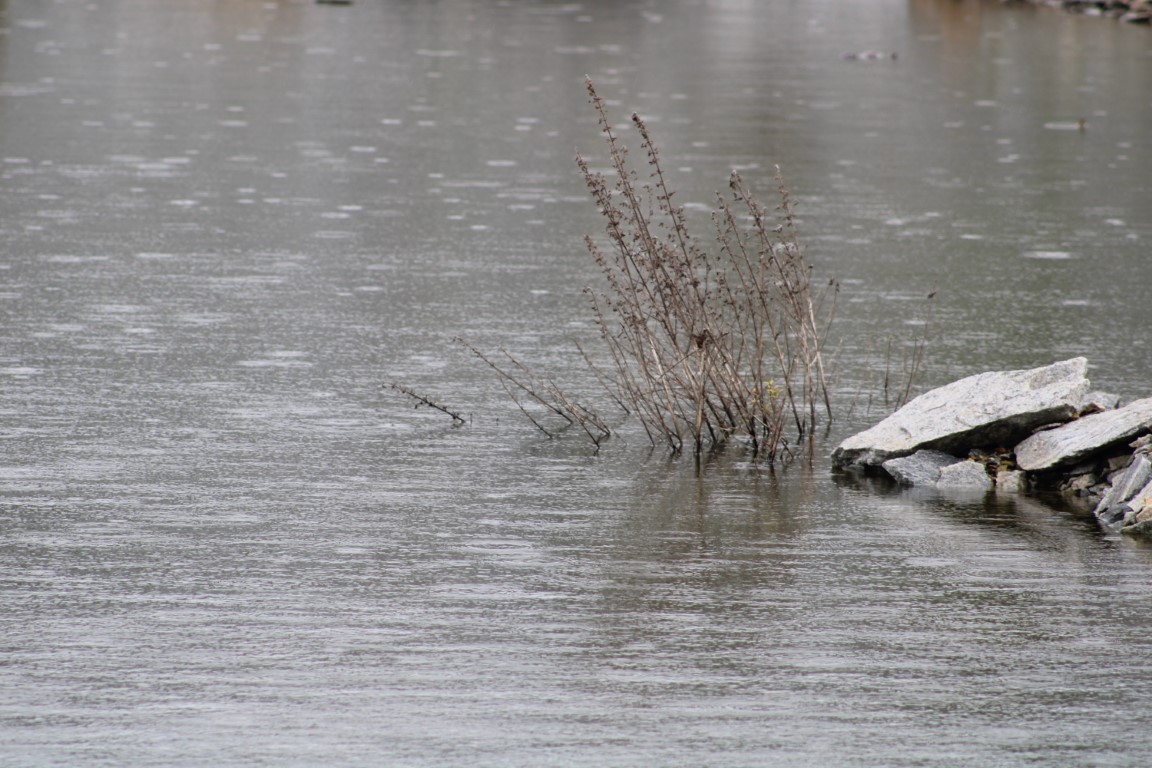
Drowned Dry [Haiku]

desiccated stalks
jut from standing water:
drowned dry.